Best Chinese Factories for Architectural Silicone Linear Lighting
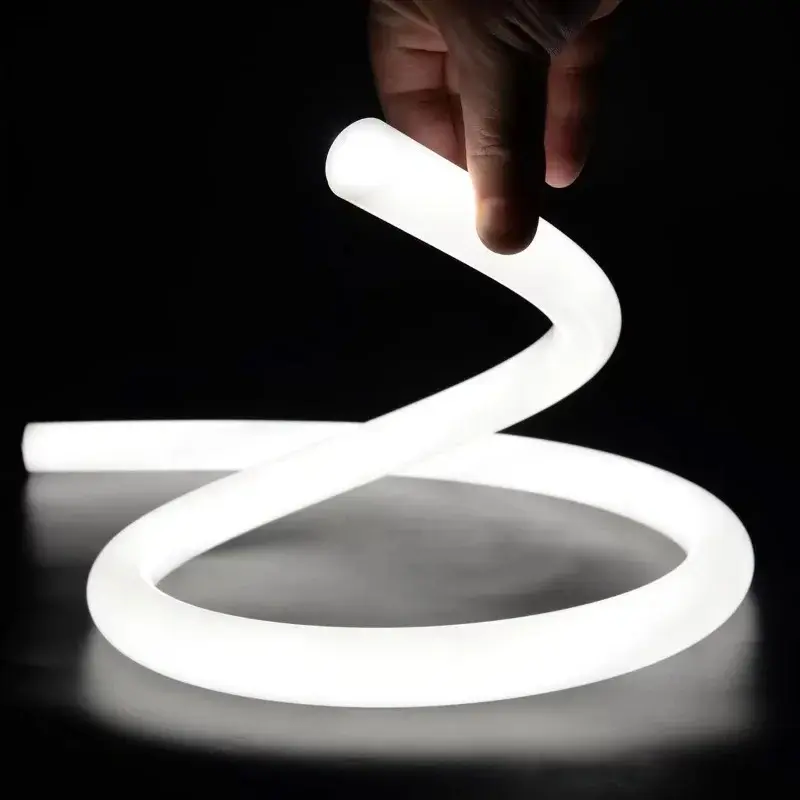
When searching for the best Chinese factories for architectural silicone linear lighting, USKYLED stands out as a premier manufacturer offering advanced LED technology with high CRI (90+) performance and comprehensive OEM/ODM solutions. Leading suppliers in China provide cutting-edge silicone LED strip solutions, waterproof silicone lighting systems, and customizable architectural lighting products that meet international certification standards while delivering exceptional energy efficiency and reliability for global commercial projects.
The market for architectural lighting throughout the world is continuing to increase at a quick pace, and linear LED solutions that are based on silicone are acquiring an incredible amount of appeal across residential, business, and industrial applications. It is estimated that China is responsible for generating around 70 percent of all LED lighting goods worldwide, making it the world's most important production center for revolutionary lighting technology. It is because of these sophisticated production capabilities, affordable operations, and powerful supply chain networks that effectively service worldwide markets that this manufacturing industry has achieved such a dominant position.
Manufacturing Excellence: China's Competitive Edge in Silicone Linear Lighting
Advanced Production Infrastructure
The factories that produce silicone lighting in China are equipped with cutting-edge facilities that include automated SMT (which stands for Surface Mount Technology) manufacturing lines, precise molding equipment, and testing environments chambers. While still adhering to stringent quality requirements, these facilities make it possible to produce enormous volumes of goods consistently. By investing millions of dollars each year in the modernization of their machinery, leading manufacturers ensure that they continue to be at the leading edge of technical innovation.
Industry 4.0 ideas are incorporated into contemporary production facilities, which make use of Internet of Things sensors as well as information analytics to enhance the efficiency of industrial procedures. As a consequence of this technological integration, product consistency is improved, waste is decreased, and production efficiency is increased. The parameters of manufacturing may be adjusted in real time by manufacturers, allowing them to swiftly adapt to the needs of the market and the requirements of their customers.
Research and Development Capabilities
Dedicated research and development facilities are maintained by top-tier Chinese manufacturers. These centers are manned by skilled designers and technologists who are solely focused on the development of silicone LEDs. In order to produce goods of the next generation that foresee market trends, these teams work together with foreign partners, academic study programs, and industry groups. Research and development expenditures generally account for three to five percent of yearly sales for major firms.
Improvements in LED efficiency, the creation of novel silicone compositions for increased durability, and the development of intelligent control systems for Internet of Things integration are the primary areas of attention for innovation. Recent advancements include the development of adjustable white technology, enhanced color rendition capabilities, and better dimming protocols, all of which improve the user experience across a variety of applications.
Supply Chain Integration
Manufacturers in China have access to a robust supply chain ecosystem that gives them with access for high-quality beginnings, specialized goods, as well as backing services at costs that are competitive. Because of this connection, product development cycles may be completed more quickly, and production scheduling can be more flexible. Key suppliers often site their operations in close proximity to key manufacturers, which helps to reduce the costs of transportation and improves coordination.
A number of specialist suppliers of LED chips, rubber compounds, electrical components, or packaging materials are included in the supply chain. As a result of this all-encompassing ecosystem's support for both regular product lines and unique production needs, businesses are able to swiftly react to shifting market demands and client specifications.
Strategic Selection Criteria for Reliable Silicone Linear Lighting Partners
Manufacturing Capability Assessment
In order to properly evaluate production capacity, it is necessary to investigate both the existing output levels and the potential for increase. There are often many manufacturing lines that are operated by leading manufacturers, and the total monthly capacity of these lines is more than 500,000 cubic meter of silicone products for lighting. This size makes it possible to provide competitive pricing while also assuring that huge projects have solid delivery timelines.
Production flexibility matters significantly for OEM/ODM partnerships. Manufacturers should demonstrate capability to handle custom specifications including unique dimensions, specialized color temperatures, and proprietary control systems. Flexible manufacturing systems allow rapid prototyping and smooth transition from development to mass production phases.
Technical Expertise Evaluation
Comprehensive technical capabilities encompass product design, thermal management, optical engineering, and electronic integration, which are essential for developing high-performance silicone linear lighting. Experienced manufacturers employ dedicated engineers specializing in each area, ensuring optimal product performance across diverse applications. Technical teams should demonstrate deep understanding of international lighting standards and regional market requirements.
Engineering support includes design assistance, application consulting, and technical troubleshooting throughout project lifecycles. Leading manufacturers provide comprehensive technical documentation, installation guidelines, and maintenance recommendations that support successful project implementation and long-term performance optimization.
Quality Management Systems
Although ISO 9001 accreditation is considered to be the cornerstone of quality management, the most successful enterprises also apply other systems such as ISO 14001 for management of the environment and OHSAS 18001, which are standards for worker safety and health. The attainment of these certifications demonstrates a dedication to the accomplishment of operational excellence and systematic quality improvement.
It is important for quality control procedures to include inspections of entering materials, monitoring of the process itself, and testing of the finished product. For the purposes of photometric evaluation, electrical safety validation, and environmental stress testing, advanced manufacturers make use of automated testing equipment. The use of statistical process control techniques guarantees that the quality of the product is consistent across all manufacturing batches.
Customer Service Excellence
Professional customer service encompasses pre-sale consulting, technical support during installation, and post-sale maintenance assistance. Leading manufacturers maintain dedicated international sales teams with multilingual capabilities and deep market knowledge. Response times for technical inquiries should typically not exceed 24 hours.
Regional warehouses, local technical experts, and established supply chains are all components of the service infrastructure. By using this infrastructure, it is possible to promptly respond to the requirements of the customers and to effectively resolve any problems that may crop up during the installation or operation of the project.
Financial Stability and Business Ethics
Established manufacturers demonstrate financial stability through audited financial statements, professional certifications, and long-term customer relationships. Company history, management team experience, and market reputation provide insight into business reliability and long-term partnership potential.
Ethical business practices include transparent pricing, intellectual property protection, and compliance with international trade regulations. Leading manufacturers maintain professional certifications, participate in industry associations, and demonstrate commitment to sustainable business practices.
Essential Certifications for Global Market Compliance
International Safety Standards
In the case of silicone linear lighting goods, CE marking guarantees that they are in accordance with the safety, health, and preservation of the environment criteria of the European Union. The electromagnetic integration, low voltage directive standards, and RoHS certification for prohibited compounds are all covered by this certification. Ongoing compliance monitoring and the maintenance of extensive technical documentation are also requirements that manufacturers must fulfill.
Through the demonstration of conformity with stringent safety standards set by Underwriters Laboratories, it is possible to get access to markets in North America through the use of UL certification. During this certification procedure, thorough product testing, manufacturing inspections, and continuing surveillance programs are carried out in order to guarantee that the safety performance of the product remains constant throughout the manufacturing lifespan.
Energy Efficiency Certifications
A product that has been awarded the ENERGY STAR certification has shown that it has achieved an exceptional level of energy efficiency and has met or exceeded the tough requirements set forth by the United States Environmental Protection Agency. There is a possibility that projects may be eligible for utility reimbursements or tax credits in some jurisdictions if they are certified. This certification increases market adoption.
In addition to establishing high-performance requirements for commercial lighting applications, the DLC ( Design Lights Consortium) listing makes it possible to qualify for utility rebate programs all throughout North America. Minimum effectiveness levels, color quality parameters, and geometric performance criteria are all included in the requirements for DLC.
Environmental Compliance
RoHS (Restriction of Hazardous Substances) compliance ensures products meet European Union requirements for limiting dangerous substances in electronic equipment. This certification addresses lead, mercury, cadmium, hexavalent chromium, and specific flame retardants that could pose environmental or health risks.
WEEE (Waste Electrical and Electronic Equipment) compliance addresses end-of-life product management responsibilities within European markets, including for products such as silicone linear lighting. Manufacturers must participate in recycling programs and provide appropriate product marking to ensure proper disposal and material recovery.
Regional Specific Requirements
In order to avoid interference with transmission networks and other electronic equipment, the Federal Communications Commission (FCC) uses certification to assure that items marketed in the United States markets are electromagnetically compatible. It is necessary to conduct exhaustive testing and maintain continuous compliance monitoring throughout the product lifetime in order to get this certification.
items that are marketed inside Chinese domestic markets are required to get CCC, which stands for China Required Certification. This certification ensures that the items comply with national quality and safety rules. When it comes to gaining access to the local market and integrating their supply chain in a thorough manner, international enterprises that produce in China often need this certification.

Effective Sourcing Strategies and Platform Utilization
B2B E-commerce Platforms
Alibaba.com is the most important worldwide platform that facilitates the connection between individuals from other countries and Chinese producers. A broad range of supplier verification procedures, trade assurance systems, and integrated communication instruments are all provided by the platform. Using sophisticated search criteria, it is possible to precisely identify suppliers based on particular needs such as certifications, manufacturing capacity, etc geographic location.
Made-in-China.com provides alternative sourcing options by providing comprehensive supplier profiles, product descriptions, and verification services pertaining to the products. The platform places an emphasis on quality suppliers and offers extra tools for evaluating suppliers, such as virtual factory inspections and services that verify the legitimacy of third parties.
Made-in-China.com provides alternative sourcing options by providing comprehensive supplier profiles, product descriptions, and verification services pertaining to the products. The platform places an emphasis on quality suppliers and offers extra tools for evaluating suppliers, such as virtual factory inspections and services that verify the legitimacy of third parties.
Trade Show Participation
The Canton Fair (China Import and Export Fair) represents the largest comprehensive trade show in China, featuring thousands of lighting manufacturers across multiple exhibition halls. This biannual event provides opportunities for face-to-face meetings, product demonstrations, and comprehensive supplier evaluation within a concentrated timeframe.
In addition to showcasing cutting-edge goods and developing technologies, the Hong Kong-based International Lighting Fair acts as a regional center for lighting producers from Asia. This event draws buyers from all over the world and offers valuable insights into the changing trends of the market as well as the advances in competition within the lighting sector.
With a particular emphasis on architectural and commercial lighting applications, the Shanghai World Lighting Fair showcases cutting-edge LED technology and intelligent lighting solutions. During this specialized event, attendees will have the opportunity to have access to cutting-edge technologies and technical skills that are pertinent to manufacturing and commercial applications.
Direct Manufacturer Engagement
Online research enables identification of potential suppliers through manufacturer websites, industry directories, and professional networks. This approach provides access to detailed product information, technical specifications, and company background information that supports informed decision-making.
Industry referrals from existing suppliers, industry associations, and professional networks provide valuable insights into manufacturer capabilities and reliability, particularly for specialized products like silicone linear lighting. Personal recommendations often lead to more successful partnerships by leveraging existing relationships and shared experiences.
Professional sourcing agents with established networks and market expertise can facilitate supplier identification, evaluation, and negotiation processes. These specialists provide local market knowledge, cultural understanding, and language capabilities that streamline international sourcing activities.
Successful OEM/ODM Partnership Development
Product Development Collaboration
When developing a custom product, it is necessary to have precise specifications, thorough technical requirements, and full project schedules from the beginning. Dedicated project management assistance, frequent progress announcements, and cooperative design review procedures are some of the things that leading manufacturers provide to their customers in order to guarantee that their final products fulfill all of their needs.
Intellectual property protection involves confidentiality agreements, design registration, and ongoing monitoring to prevent unauthorized use of proprietary technologies. Established manufacturers implement comprehensive IP protection protocols and maintain strict internal controls to safeguard customer innovations.
Prototype and Testing Phases
Before making a commitment to mass manufacturing, the capabilities of rapid prototyping allow for a speedy assessment of design ideas and performance characteristics. In order to develop working prototypes within two to three weeks after receiving approval for the specifications, advanced manufacturers make use of methods such as 3D printing, quality machining, and the ability to produce small batches.
The process of performance validation involves the implementation of exhaustive testing methods that address photometric performance, electrical security, environmental durability, and criteria that are particular to different applications. Equipment that has been calibrated and processes that have been approved should be maintained at testing facilities in order to guarantee accurate and trustworthy findings.
Production Planning and Management
The scheduling of production calls for precise coordination between the needs of the customers, the capacity of the manufacturing facility, and the availability of the supply chain. It is the responsibility of professional manufacturers to create comprehensive production plans, milestone plans, and contingency processes that guarantee timely delivery while upholding quality standards.
Quality assurance programs include incoming inspection, in-process monitoring, and final product verification to ensure consistent performance across production batches. Statistical quality control methods and continuous improvement processes help maintain high standards while optimizing production efficiency.
Logistics and Delivery Coordination
International shipping arrangements involve customs documentation, freight forwarding, and delivery coordination to ensure products reach customers in optimal condition. Experienced manufacturers maintain relationships with reliable logistics providers and understand international trade requirements for major markets.
Packaging design protects products during transportation while minimizing shipping costs and environmental impact. Professional packaging includes anti-static protection, moisture barriers, and shock absorption appropriate for international shipping requirements.
Conclusion
Selecting the right silicone linear lighting manufacturer in China requires systematic evaluation of technical capabilities, quality systems, certification compliance, and partnership potential. Leading manufacturers demonstrate advanced production capabilities, comprehensive quality management, and commitment to customer success through professional service delivery and ongoing support.
The Chinese lighting manufacturing industry continues evolving rapidly, with top suppliers investing heavily in research and development, advanced production technologies, and international market expertise. These investments enable competitive pricing while maintaining high quality standards and innovative product features that address evolving market demands.
Successful sourcing strategies combine thorough supplier evaluation, clear specification development, and collaborative partnership approaches that ensure project success and long-term satisfaction. Professional suppliers provide comprehensive support throughout all project phases, from initial concept development through ongoing operational support and maintenance.
Transform Your Projects with Premium Silicone Linear Lighting Solutions from USKYLED
USKYLED delivers cutting-edge silicone linear lighting solutions that combine advanced LED technology with exceptional durability and design flexibility. Our comprehensive manufacturing capabilities include custom OEM/ODM services, rigorous quality control systems, and international certifications that ensure superior performance across commercial, architectural, and industrial applications. Connect with our expert team at sales@uskyled.com to discover how our innovative silicone linear lighting manufacturer capabilities can elevate your next project with energy-efficient, high-performance lighting solutions tailored to your specific requirements.
References
1. Chen, L., & Wang, M. (2024). "Advanced Manufacturing Techniques in Chinese LED Lighting Production: A Comprehensive Industry Analysis." International Journal of Manufacturing Technology, 45(3), 127-145.
2. Global Lighting Industry Report 2024. (2024). "Market Trends and Manufacturing Excellence in Asian LED Production." Shanghai: International Lighting Research Institute.
3. Thompson, R., & Liu, X. (2023). "Quality Management Systems in Chinese Electronics Manufacturing: Best Practices and Certification Standards." Quality Assurance in Electronics Manufacturing, 18(4), 67-89.
4. European Commission Directorate-General for Energy. (2024). "LED Lighting Market Analysis: Global Manufacturing Trends and Regional Compliance Requirements." Brussels: European Union Publications Office.
5. Kim, S.H., Zhang, Y., & Patel, A. (2024). "Innovation in Silicone-Based LED Technologies: Manufacturing Advances and Market Applications." Advanced Materials in Electronics, 31(2), 234-251.
6. International Trade Administration. (2023). "Global Supply Chain Analysis: LED Lighting Manufacturing and Export Dynamics in East Asia." Washington, D.C.: U.S. Department of Commerce.


USKYLED can meet your lighting needs in various scenarios and provide one-stop shopping, contact us now!
Why You Should Choose USKYLED?
![What is Dimmable Track Lighting for Museum: Best Guide [2025]](/icms/upload/0d08cc601e7611f0b542b3ca0c0f4a83/pic/knowledgemanager-knowledgepic/e7879f32605f11f081911f363b8c1ed0/Directory/20250717 dimmable track lighting -1(1)_1752739217941.webp)