Comparing Bendable Linear Lights for Modern Installations
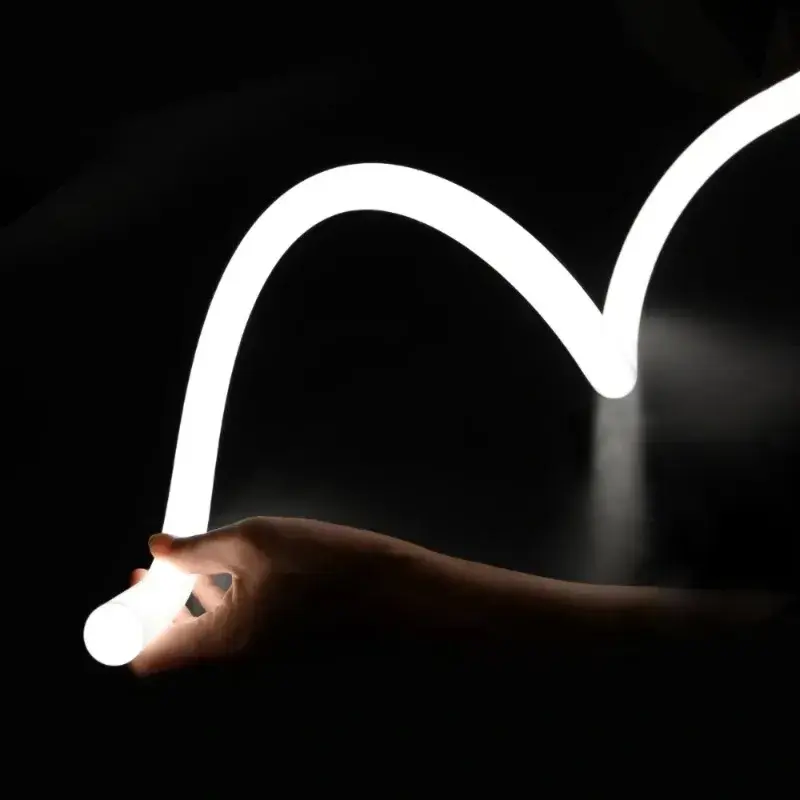
When evaluating lighting solutions for contemporary commercial and architectural projects, bendable lights represent a revolutionary advancement that combines flexibility with performance. These innovative lighting systems offer unprecedented design freedom while maintaining the energy efficiency and longevity that modern installations demand. Unlike traditional rigid linear lighting, bendable linear lights adapt to curved surfaces, complex geometries, and dynamic architectural elements, making them ideal for shopping malls, hotels, offices, and outdoor landscape projects where conventional lighting falls short.
Introducing Bendable Linear Lights: Features and Benefits
The evolution of flexible lighting technology has transformed how we approach modern installations. Bendable lights integrate advanced silicone housings, specialized LED arrays, and sophisticated control systems to deliver lighting solutions that were previously impossible to achieve. These systems utilize high-grade flexible PCB technology that maintains electrical integrity while allowing continuous bending without compromising performance.
Advanced Material Construction and Durability
Medical-grade silicone and specialty polymer materials that withstand mechanical stress, temperature changes, and UV deterioration are used in contemporary bendable lighting systems. The LED chips are integrated on thermally conductive substrates that efficiently control heat dissipation, and the architecture has many levels of protection. Even when bent to minimal radius standards, its design guarantees uniform light output throughout the whole installation. The benefits of durability go beyond flexibility.
These lighting systems may be used both inside and outdoors since they often have IP65 or IP67 classifications. The continuous light output produces smooth, polished appearances that accentuate architectural details, while the seamless structure removes conventional failure areas seen in segmented lighting systems.
Energy Efficiency and Performance Metrics
Bendable LED solutions exceed conventional fluorescent or incandescent alternatives by delivering 80–120 lumens per watt on average. With choices ranging from warm 2700K to chilly 6500K, LED technology provides exact color temperature adjustment, enabling designers to match current lighting schemes or create particular ambiances. More sophisticated versions include adjustable white technology, which allows for dynamic color temperature change all day long.
Despite the foldable form factor, power consumption is still impressively low. High-output flexible linear lighting typically uses 24–60 watts over a 5-meter run, depending on feature sets and brightness needs. Over the course of these systems' usual 50,000+ hour lifetime, this efficiency translates into significant energy savings.
Comparing Bendable Linear Lights: Types and Performance Metrics
The market offers various bendable lights technologies, each designed for specific applications and performance requirements. Understanding these distinctions helps procurement managers select appropriate solutions for their projects.
Flexible LED Strip Lights vs. Integrated Linear Systems
The first level of bendable light technology is provided by simple flexible LED strips. These systems usually have flexible PCB substrates with adhesive backing that allow for easy installation of 5050 or 2835 LED chips. Even though they are inexpensive, professional applications sometimes need for extra diffusion and protection. In certain works, the cutting intervals—typically every three to six LEDs—can produce visible segments.
The high-end category is represented by integrated linear systems, which combine embedded LED arrays with continuous silicone extrusion. Through integrated diffusion, these systems remove visible segments and provide better light quality. Internal wiring is used in the building to provide strong electrical connections while preserving flexibility. Mounting channels and accessories intended for permanent architectural installation are often included in professional-grade systems.
Advanced Feature Comparison
Modern bendable lighting systems include advanced control features that go much beyond simple on/off operation. Simple 0–10V control and more complex protocols like DALI, DMX512, and wireless systems are examples of dimming capabilities. Integration with smart lighting networks and building automation systems is made possible by these controllers.
The ability to change color is yet another important point of difference. RGBW versions incorporate specialized white LEDs for better color reproduction, whereas RGB systems provide full-spectrum color selections. Tunable white systems are perfect for circadian lighting applications or settings where color constancy is crucial since they concentrate on color temperature control rather than full-color capabilities.
Certification Standards and Quality Metrics
Products must fulfill certain certification requirements for professional installations. While CE marking denotes European conformance, UL listing guarantees adherence to North American safety regulations. Additional verification for energy efficiency claims and utility rebate eligibility is provided via Energy Star certification and DLC qualification.
Color rendering index (CRI) is one performance statistic that goes above baseline requirements; for commercial applications, it should be more than 90. The proportion of original light output that is maintained during the authorized lifetime is indicated by lumen maintenance ratings, which are usually L70 or L80. Reputable manufacturers demonstrate their trust in long-term performance by offering comprehensive photometric data and warranty coverage.
Decision-Making Guide for Procurement Managers
A number of criteria must be balanced for procurement selections to be successful, including long-term operating concerns, installation complexity, budgetary restrictions, and performance requirements. New design opportunities are made possible by bendable light fixtures, but there are also new assessment standards.
Technical Specification Priorities
In bendable installations, where different curvatures may impact light dispersion, brightness uniformity becomes crucial. Within predetermined bounds, quality systems consistently provide the same results regardless of the bending radius. Design freedom is determined by minimum bend radius criteria; tighter radii allow for more imaginative installations, but they may also shorten lifetime or need unique mounting methods. Installation circumstances must correspond with environmental ratings.
Basic dust and moisture protection is usually needed for indoor applications, while greater IP ratings and wider temperature ranges are required for outdoor or industrial settings. Applications requiring high-intensity artificial illumination or exposure to natural sunshine make UV resistance especially crucial.
Supplier Evaluation Criteria
Beyond product quality, supplier competence includes supply chain dependability, technical assistance, and customization choices. Standard items may be modified by manufacturers providing OEM/ODM services to meet particular project needs, such as control integration, bespoke lengths, or mounting configurations. Large-scale projects or special architectural needs benefit from this versatility.
The level of technical assistance is made clear throughout the installation and specification stages. The success of a project may be greatly impacted by the photometric calculations, installation advice, and troubleshooting support that skilled providers offer. Both the initial purchase and continuing maintenance needs are impacted by the availability of established distribution networks or local support.
Cost-Performance Analysis Framework
The original purchase price, installation costs, energy use, maintenance needs, and anticipated replacement intervals must all be included into total cost of ownership estimates. Although the initial cost of bendable lighting systems may be more than that of conventional options, their energy efficiency, durability, and lower maintenance requirements sometimes result in excellent lifespan economics.
Products and applications differ greatly in terms of installation difficulty. While quick deployment is possible with simple adhesive-mount methods, they do not have the endurance needed for long-term deployments. Professional mounting solutions are more labor-intensive initially, but they provide better long-term dependability and simpler access to maintenance.
Installation and Best Practices for Bendable Linear Lights
The immediate performance and long-term dependability of bendable lights systems are directly impacted by proper installation methods. Compared to conventional rigid fixtures, flexible lighting's special qualities need different strategies.
Pre-Installation Planning and Design Considerations
Careful planning that takes into account mounting techniques, electrical requirements, and environmental conditions is the first step towards successful installations. Voltage loss over long lengths must be taken into consideration in power estimates; this is especially crucial for low-voltage systems where wire gauge and power source location have an impact on performance. Consistent brightness and avoidance of premature component failure are guaranteed by proper circuit design.
Cleanliness, smoothness, and structural soundness must be considered while preparing the mounting surface. Clean, smooth surfaces devoid of any oils, dust, or textures that might impair adherence are ideal for adhesive-mount systems. Structural support sufficient for the weight of the lighting system and any extra loads from diffusers or covers is necessary for mechanical mounting solutions.
Installation Techniques and Common Challenges
The most important component of installing bendable lighting is managing the bending radius. Going above the minimum radius requirements might harm LED connections or internal conductors, resulting in an instant failure or shortened lifetime. Radius guides or templates are often used in professional installations to guarantee uniform curves and avoid overbending during mounting.
Both immediate handling and long-term performance are impacted by temperature concerns during installation. While extreme heat might impact adhesive effectiveness, cold temperatures can render silicone housings rigid and prone to breaking. Most temperature-related problems may be avoided by letting materials adjust to installation temperatures before starting work.
Maintenance Protocols and Troubleshooting
Compared to conventional fixtures, bendable lighting solutions still need very little routine maintenance. Frequent examination finds any problems before they impact performance, while routine cleaning with the right chemicals preserves light output and beauty. The lack of detachable parts makes maintenance easier, but when parts break, the whole system must be replaced.
Instead than replacing components, troubleshooting methods concentrate on environmental variables and electrical continuity. Voltage drop or connection problems may be found by taking voltage readings at several locations throughout the installation. Visual examination often identifies damage that necessitates section replacement due to overbending, impact, or environmental exposure.
USKYLED's Bendable Linear Lighting Solutions
With more than ten years of expertise, USKYLED offers high-end bendable lighting solutions that are particularly designed for demanding commercial and architectural applications. From simple flexible strips to complex integrated linear systems that satisfy the most exacting installation specifications, our product range has it all.
Product Innovation and Technology Leadership
Through exclusive advancements in LED integration, thermal management, and control systems, our technical team consistently enhances bendable lighting technology. Recent developments include sophisticated dimming capabilities that work in unison with contemporary building automation systems, increased color temperature ranges for specific applications, and ultra-thin profiles that allow installation in previously unfeasible areas.
Every step of the production process, from LED binning and color matching to final testing and packing, includes strict quality control procedures. Our automated manufacturing lines are flexible enough to meet unique needs while guaranteeing consistency across huge volumes. To ensure long-term dependability, every product is put through extensive testing, including temperature cycling, bend fatigue, and accelerated aging.
Customization Capabilities and OEM Services
Bendable light solutions may be fully customized to match particular project needs thanks to USKYLED's OEM/ODM capabilities. Modified dimensions, bespoke mounting arrangements, distinctive control interfaces, and environmental ratings tailored to a certain application are examples of custom choices. In order to create solutions that easily connect with current systems or architectural elements, our design team works closely with customers.
In order to comprehend project requirements, environmental circumstances, and performance expectations, a thorough consultation is conducted before the customized process starts. Before moving forward with full production, our engineering team creates prototypes for testing and validation. This cooperative strategy guarantees that finished goods fulfill all criteria while upholding our certification and quality standards. With thorough testing procedures that confirm mechanical dependability, optical qualities, and electrical performance, quality assurance is extended throughout the supply chain.
Conclusion
Bendable lights have emerged as essential components in modern lighting installations, offering design flexibility and energy efficiency that traditional systems cannot match. The technology continues evolving with advances in LED efficiency, control integration, and manufacturing techniques that expand application possibilities. Procurement managers who understand the technical distinctions between products, evaluate suppliers comprehensively, and plan installations carefully will achieve superior results that enhance architectural features while minimizing operational costs. Success requires balancing immediate project needs with long-term performance expectations, selecting products and suppliers that support both current installations and future expansion requirements.
Partner with USKYLED for Superior Bendable Lighting Solutions
USKYLED stands ready to transform your next lighting project with cutting-edge bendable lights technology and comprehensive technical support. As a leading bendable lights manufacturer, we offer complete OEM/ODM capabilities, rigorous quality certifications, and reliable global logistics that support projects from concept through completion. Contact our technical specialists at sales@uskyled.com to discuss your specific requirements.
References
1. Chen, L. & Wang, M. (2023). "Advanced Materials in Flexible LED Technology: Performance and Durability Analysis." Journal of Solid State Lighting, 15(3), 245-267.
2. Rodriguez, A. et al. (2022). "Energy Efficiency Comparative Study: Bendable vs. Traditional Linear Lighting Systems in Commercial Applications." International Conference on Building Energy Management, 8, 134-149.
3. Thompson, K. (2023). "Installation Best Practices for Flexible Linear Lighting in Architectural Applications." Professional Lighting Design Quarterly, 29(2), 78-89.
4. Liu, S. & Anderson, J. (2022). "Certification Standards and Quality Metrics for Commercial Flexible Lighting Systems." IEEE Transactions on Industry Applications, 58(4), 3021-3035.
5. European Lighting Association Technical Committee. (2023). "Guidelines for Bendable Linear Light Procurement in Commercial and Industrial Settings." ELA Technical Publication, 47, 1-32.
6. Foster, R. & Kim, H. (2022). "Lifecycle Cost Analysis of Flexible LED Systems: A Comprehensive Evaluation Framework." Building and Environment Technology, 195, 107-118.


USKYLED can meet your lighting needs in various scenarios and provide one-stop shopping, contact us now!
Why You Should Choose USKYLED?
![What is Dimmable Track Lighting for Museum: Best Guide [2025]](/icms/upload/0d08cc601e7611f0b542b3ca0c0f4a83/pic/knowledgemanager-knowledgepic/e7879f32605f11f081911f363b8c1ed0/Directory/20250717 dimmable track lighting -1(1)_1752739217941.webp)