Do LED Lights Require Special Power Supply
Yes, LED lights require specialized power supplies distinct from traditional transformers or general-purpose units. An LED power supply converts alternating current (AC) from the mains into direct current (DC) while delivering either constant current or constant voltage tailored to LED specifications. This precision prevents flickering, thermal degradation, and premature failure. Standard transformers lack the regulation circuitry necessary to manage LED sensitivity to electrical fluctuations, making dedicated drivers essential for commercial installations.
Understanding LED Power Supplies: What They Are and How They Work?
The Core Function of LED Drivers
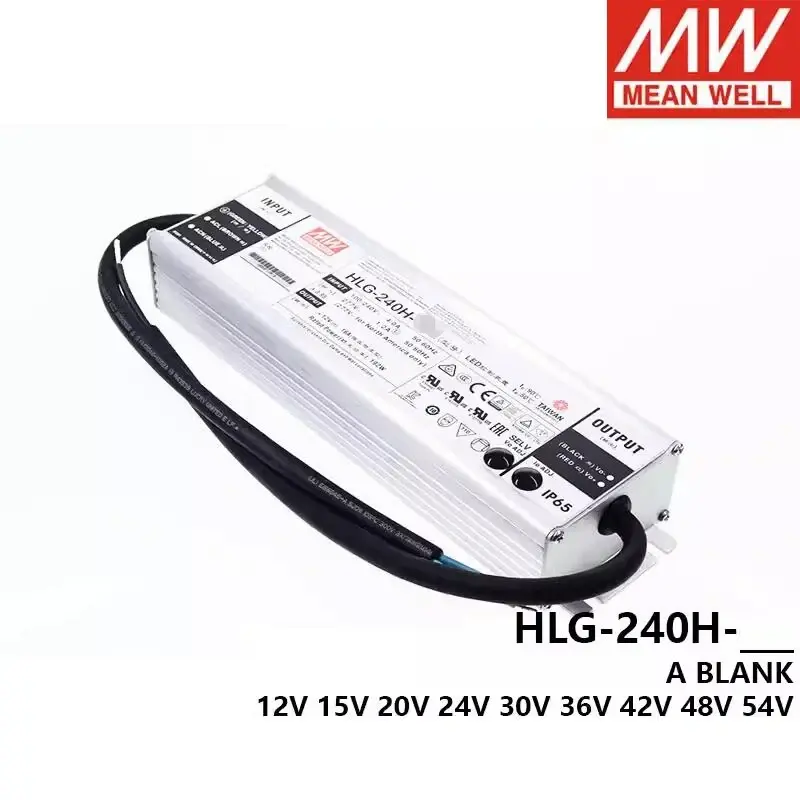
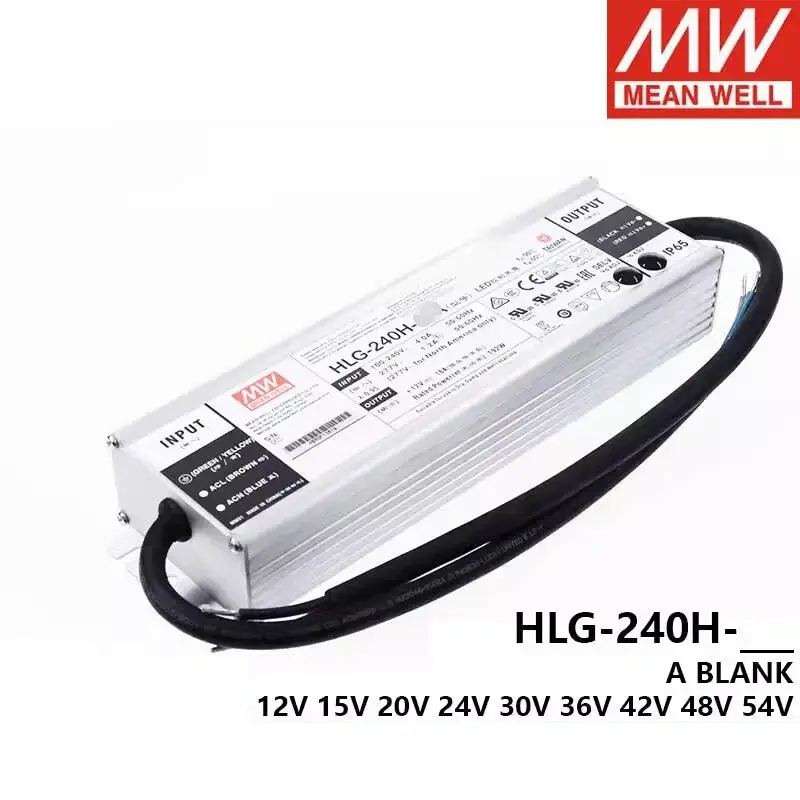
LED drivers control the flow of electricity so that it meets the specific voltage and current needs of lighting that uses semiconductors. LEDs need stable, low-voltage DC power, while light bulbs can handle changes in voltage. The generator takes 120V or 240V AC from the building's mains and turns it into 12V, 24V, or 48V DC outlets that can be used. Internal electronics constantly checks the flow of current, making up for changes in the grid that would otherwise make the light unstable or put stress on the parts. This real-time adjustment keeps the light brightness constant over operating lifetimes of more than 50,000 hours.
Constant Current vs. Constant Voltage Operation
The market is mostly made up of two main designs. Constant current drivers keep the amperage the same even if the voltage changes. This makes them perfect for high-power devices like floodlights or panel grids with many LEDs connected in series. Constant voltage types give steady power to LEDs that are set up in parallel, which is popular in strip lighting or modular track systems. During the design process, procurement teams must define the right type, as mismatched drivers lead to lower efficiency or shorter lifespans. When engineering managers look at bids, they should make sure that sellers include paperwork on how all suggested fixtures will work together.
Differences from Traditional Transformers
When made for halogen or electric systems, magnetic transformers only step down the voltage and don't control the current. When you connect LEDs to these devices, current spikes happen out of control and destroy semiconductor junctions in minutes. Modern LED drivers use switch-mode LED power supply units that work at frequencies above 20kHz. This lets them be small and have efficiency rates of 90% or more. Because of this gap in technology, projects that want to replace metal halide or high-pressure sodium lamps need to improve the whole power system, not just the bulbs.
Why Do LED Lights Require Special Power Supplies?
Electrical Sensitivity and Performance Stability
LEDs can only work within very small voltage ranges, which are recorded in milliamperes. A 10% change in voltage can change the current draw by 30–40%, which speeds up the loss of lumens and color shift. Normal building power lines have voltage changes when demand is high, when air conditioning starts up, or when equipment cycles. Active power factor correction (PFC) and transient voltage reduction are built into dedicated drivers to protect sensitive diodes from these disturbances. This keeps optical consistency, which is important for lighting in museums or stores where color accuracy is important.
Protection Features for Commercial Applications
Industrial-grade drivers have a lot of safety features that deal with real-world failure modes, making a reliable LED power supply essential for robust and safe lighting installations. Overload safety turns off circuits when the current goes over the maximum capacity. This keeps wiring faults from starting fires. Thermal cutoffs check the temperature of the driver and lower the output before the parts hit levels that could damage them. Outdoor-rated units have ingress protection ratings of IP65 or IP67 against dust and water, which is important for garden lighting or installs on the outside of a building that are subject to harsh weather. These certificates are often required by the specs for municipal projects so that the city doesn't have to deal with as many upkeep calls and liability issues.
Energy Efficiency and Operational Cost Reduction
Good drivers convert energy at a rate of 88 to 94%, which means they produce the least amount of waste heat. This efficiency adds to the benefits of LEDs in big setups. When a hotel replaces 3,000 lights with 25W LED luminaires and premium drivers, the system uses 25% less energy than systems with inefficient drivers. At normal business electricity rates, this means the hotel saves $18,000 to $30,000 a year. When engineering firms bid on infrastructure projects, they should figure out the total system efficiency instead of just the fixture-only specs. This will show facility managers the lifetime cost benefits.
How to Choose the Right LED Power Supply for Your Business Needs?
To choose the right drivers, you need to carefully look at a lot of technical factors. Even if the right fixtures are chosen, mismatched parts can ruin the results of a job.
Power Capacity and Load Matching
To find the total watts, increase the number of fixtures by the power consumption of each unit. Then, add 20% headroom to account for the drivers' long life. LEDs that are linked to a 200W driver should not use more than 160W of power. Drivers that are too small work close to their temperature limits, which cuts their life from 50,000 hours to 20,000 hours. Larger units lose money and take up more space when installed, but they don't work better. During the RFQ process, sourcing managers should ask suppliers for thorough load calculation worksheets to make sure that the planned driver capacities match the project requirements and any future growth options.
Dimming Compatibility and Control Integration
More and more, commercial areas need 0-10V, DALI, or DMX dimming methods to control lighting and energy use. Not all drivers allow for smooth dimming across all ranges; low-quality units flicker below 10% power or won't light up at the lowest settings. Architects who are designing lights for restaurants or meeting rooms should make sure that the drivers work with building management systems while the designs are still being made. Insist on test results that show flicker-free performance below 5% IEEE 1789 standards, especially in places where people record videos or do chores that require a lot of focus.
Certification Standards and Compliance Requirements
For electricity safety, projects in North America need to be listed with UL or ETL. In Europe, sites must have CE marking that follows the LVD and EMC guidelines. Minimum standards for effectiveness and power factor are set by energy saving programs like DLC (DesignLights Consortium) or Energy Star. As a result of the Buy American Act, domestic material verification is often required for municipal building projects. Procurement teams should keep files that connect the needs of the target market to the licenses of suppliers. If a price doesn't meet the requirements, it should be turned down, even if it's cheaper. In many places, general builders and building owners are responsible for goods that aren't certified, not the suppliers.
Troubleshooting and Maintaining LED Power Supplies for Long-Term Reliability
Identifying Common Failure Symptoms
Flickering means that the power is unstable or that the dimmer circuits are not suitable. If the light dims without the user doing anything, it could be because there isn't enough air flow or the temperature inside is too high. If the light doesn't come on at all, it means there are problems with the power coming in, blown switches, or broken parts inside the device. Before blaming drivers, engineering managers who get service calls should set up troubleshooting methods that measure input voltage, output voltage, and output current. About 30% of reported "driver failures" are actually caused by wiring mistakes or broken fixtures. This is why thorough fixing is so important for proving a warranty claim.
Preventive Maintenance Best Practices
Mounting screw torque, wire link tightness, and the stability of the container cover should all be checked every three months. When dust builds up on heatsinks, it lowers their ability to transfer heat, which causes them to derate too soon. Outdoor setups should have their seals checked once a year, and worn-out covers should be replaced before water gets in and damages the electronics. Facility managers of hotels or shopping malls should hire qualified electricians who are trained in specific driver designs to do regular maintenance. This will make sure that fixes are done according to the manufacturer's instructions and keep the LED power supply guarantee valid.
Safety Protocols and Replacement Procedures
Before repairing drivers, you should always turn off the AC input power and wait five minutes for the capacitors to empty. Even after being disconnected from the mains, high-voltage DC outlets can still kill you. When testing circuits, use tools that are shielded and rated for 1000V. The voltage, current, and dimmer settings on a replacement driver must exactly match the originals. Switching out models that don't work with the fixtures breaks the warranties and poses a fire risk. To make service calls and bulk reordering easier in the future, project managers should keep full as-built records that list driver model numbers, installation dates, and maintenance histories.
Procurement Insights: Buying LED Power Supplies for B2B Clients
Evaluating Supplier Capabilities
Vertical integration is used by reliable makers to control where parts come from, how they are put together, and how well they are tested for quality. Ask for audit records from the building that prove the ISO 9001 quality management system and the ISO 14001 environmental system. If you buy more than 500 units from a supplier that offers customization services, you can change the output specs, housing dimensions, or connection types to fit the needs of your specific project without having to pay for tooling fees. Distributors that sell to international customers should make sure that their sellers keep enough inventory to support wait times of two to four weeks instead of 90 days for normal goods.
Pricing Structures and Total Cost Analysis
Prices per unit range from $8 to $60, based on the number of watts, approval levels, and features. However, a lifetime cost study should look at how long the warranty lasts, how much it costs to repair parts, and how much energy models that aren't energy efficient waste. A $15 driver that is 88% efficient and needs 14W to give 12W costs $22 more per unit per year than a $25 driver that is 92% efficient. Even though it costs more up front, the luxury driver saves $110,000 over ten years across 5,000 hotel setups. When comparing bids, sourcing managers should use project-specific energy rates and labor costs to model these situations.
Customization and Technical Support Services
Leading makers give projects worth more than $50,000 their own expert account managers, who help with application engineering, lighting calculations, and fixing problems after the installation is done. This service level is important when selecting building systems that combine lights with security or HVAC systems. If an OEM partner needs private labeling, they should make sure that the providers they work with offer unique packaging, localized instruction manuals, and changes to meet regional certification requirements. Setting these powers during the initial qualification of a supplier keeps you from having to make expensive changes in the middle of a project when technical questions come up.
Conclusion
Specialized LED drivers are essential building parts that make sure lighting systems are safe, reliable, and efficient. Constant current regulation, protection circuits, and high-frequency switching are some of the technical differences between LED power supply units and standard transformers that have a direct effect on project results and running costs. When choosing drivers, people in charge of purchasing must weigh the purchase cost against the drivers' lifetime efficiency, certification compliance, and the supplier's ability to provide support. When projects include the right power control infrastructure from the start, they avoid expensive upgrades and make the most of the benefits that come with LED technology. Strategic buying choices that prioritize trusted makers that offer a range of customization options set up business setups for performance that lasts for ten years.
FAQ
What happens if I use a standard transformer with LED lights?
Because standard transformers don't regulate current, LEDs draw too much current, which kills semiconductor connections in just a few hours. The transformer only lowers the voltage and doesn't account for the LED's negative temperature coefficient, which means that as the diode heats up, resistance drops, leading to thermal runaway. This leads to catastrophic failure or the risk of fire. Always ask for specialized LED drivers that meet the voltage and current needs of the light.
Can I mix different LED driver brands in one installation?
It is certainly possible to mix brands, but it makes upkeep inventory and troubleshooting more difficult. Different makers have their own dimming curves and safety algorithms, which can make performance different zones. Standardizing on one driver family can help large business projects save time and money by making it easier to keep extra parts on hand, train technicians, and handle warranties. Facility managers say that single-source driver standards cut the time it takes to restore service by 40%.
How do environmental conditions affect driver selection?
Thermal stress from the environment has a direct effect on how long a driver lasts. Most of the time, drivers rated for -40°C to +60°C will work, but -10°C to +70°C grades may be needed for parts or tools that are enclosed. For locations near the coast, conformal-coated circuit boards that don't rust are needed. In warehouses with a lot of dust in the air, you need barriers with an IP65 rating to keep the dust out. When asking for quotes, you should always include information about the work setting.
Partner with USKYLED for Reliable LED Solutions
USKYLED blends cutting edge LED technology with power options that can be tailored to meet North American standards. Our tech team can help you figure out how much load you have and help you choose the right drivers for your business lighting projects. We help sourcing managers find reliable LED power supply makers by offering lights with a CRI of 90+, flicker-free dimming compatibility, and full warranty coverage. Get in touch with our expert sales team at sales@uskyled.com to talk about buying in bulk or becoming an OEM partner.
References
1. Institute of Electrical and Electronics Engineers, "IEEE 1789-2015 Standard for Modulating Current in High-Brightness LEDs for Mitigating Health Risks," IEEE Standards Association, 2015.
2. U.S. Department of Energy, "LED Driver Efficiency and Power Quality Characteristics," Solid-State Lighting Program Technical Report, 2019.
3. International Electrotechnical Commission, "IEC 61347-2-13: Lamp Controlgear - Particular Requirements for DC or AC Supplied Electronic Controlgear for LED Modules," 3rd Edition, 2021.
4. National Electrical Manufacturers Association, "NEMA SSL 7A-2015: Phase-Cut Dimming Performance for Solid State Lighting," Published Standards Catalog, 2015.
5. DesignLights Consortium, "DLC Technical Requirements V5.1: LED Drivers and Power Supplies Qualification Criteria," DLC Solid-State Lighting Specification, 2022.
6. Illuminating Engineering Society, "IES TM-21-19: Projecting Long-Term Luminous Flux Maintenance of LED Light Sources," IES Technical Memorandum Series, 2019.

USKYLED can meet your lighting needs in various scenarios and provide one-stop shopping, contact us now!
Why You Should Choose USKYLED?
![What is Dimmable Track Lighting for Museum: Best Guide [2025]](/icms/upload/0d08cc601e7611f0b542b3ca0c0f4a83/pic/knowledgemanager-knowledgepic/e7879f32605f11f081911f363b8c1ed0/Directory/20250717 dimmable track lighting -1(1)_1752739217941.webp)