Emergency Exit Signs Placement Guide
Emergency exit signs are very important because they help people get out of buildings safely during situations. Placing Emergency exit signs in the right place makes sure that safety rules are followed and saves lives during evacuations. This guide talks about the needs for strategic placement, comparing technologies, and the best ways to buy things for public, industrial, and business buildings. Knowing the rules for location helps property managers and procurement professionals make smart choices that balance following the rules, running the business efficiently, and staying within budget in a variety of building settings.
Understanding Emergency Exit Signs and Regulations
Defining Emergency Exit Signage and Its Safety Role
Emergency lighting devices are an important part of building safety. When the normal lights goes out, these lit up Emergency exit signs show people how to get out of the building, where the exit doors are, and how to change directions. According to the National Fire Protection Association (NFPA), having the right Emergency exit signs cuts the time it takes to leave in an emergency by about 30%. Emergency exit signs have to be readable even when there is smoke and the power goes out. Where they are placed and what technology they use are therefore very important for meeting building safety standards.
International Standards Governing Exit Sign Installation
Regulatory systems are different in each market, but there are some general rules that all installations must follow. In North American buildings, the NFPA 101 Life Safety Code requires certain amounts of brightness and placing intervals. According to OSHA rules, exit paths must be clearly marked and have enough lighting. The European EN 1838 standards set similar criteria for readability, and ISO 7010 standardizes graphic marks so that they can be used all over the world. These rules say that mounting heights must be between 80 and 96 inches from the floor and that Emergency exit signs must be put up every time the way to an exit changes directions.
Color Coding and Illumination Design Elements
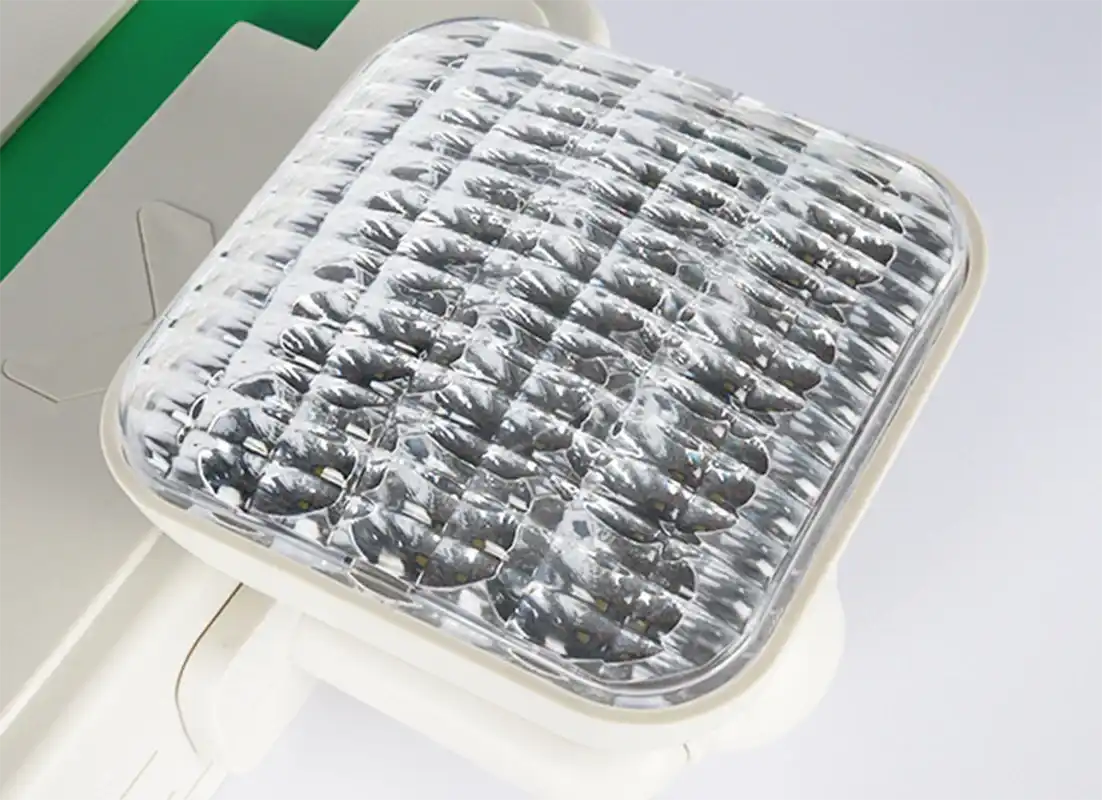
International ISO guidelines say that sites in North America should have red letters on white backgrounds or green pictograms. Different types of lighting include Emergency exit signs that are lit from the inside, screens that are lit from the outside, and self-luminous photoluminescent choices. The Illuminating Engineering Society says that Emergency exit signs that are lit from the inside should have a minimum brightness level of 54 candelas per square meter. New LED technology consistently offers better brightness while using 80% less energy than older incandescent systems. This meets both compliance requirements and operational cost worries.
Installation Guidelines for Maximum Visibility
Visibility standards say that from anywhere in a place, you must be able to see clearly. Along straight hallways, Emergency exit signs must be put no more than 100 feet apart, and there must be extra Emergency exit signs at every turn and exit door. Where you mount something should not have ceiling lights, HVAC equipment, or building features that get in the way of your view. The Americans with Disabilities Act says that people who are blind or have low vision must be able to read touch signs. Before the final installation, facility managers should test sight from a variety of angles and lighting situations to make sure the placement works well.
Maintenance Protocols and Inspection Requirements
Regular review rounds keep things in compliance and make sure they are ready for emergencies. The Joint Commission on Accreditation of Healthcare Organizations says that battery backup systems must be functionally tested every month and fully discharged every three months. Checklists for inspections should check for things like proper lighting, working backup batteries, physical damage, and clear vision. Keeping records of repair tasks protects you legally and shows that you did your job during safety checks. Setting up preventative maintenance contracts with qualified service providers makes sure that compliance is consistently monitored across companies with multiple locations.
How to Choose and Place Emergency Exit Signs Effectively
Environmental Factors Influencing Selection and Placement
The features of a building have a big effect on how Emergency exit signs picking techniques are used. Warehouses with high ceilings need bigger Emergency exit signs with more light so that they can be seen from farther away. Chemical processing plants need shelters that don't explode and materials that don't rust. For setups outside, you need weatherproof housings that can handle UV light and high temperatures. Visibility needs are affected by the amount of light in the area. For example, Emergency exit signs need to be higher contrast in brightly lit store spaces than in poorly lit industrial spaces. Before making a procurement choice, these environmental factors can be found by doing thorough site surveys.
Placement Strategies by Facility Type
Different building categories present unique placement challenges that require tailored approaches:
Office environments feature complex floor plans with cubicle partitions and conference rooms that create visual barriers. Emergency exit signs that are suspended from the ceiling make it easier to see over dividers in the office. Directional Emergency exit signs put in a smart way at corridor crossings can help open-plan layouts. In buildings with more than one floor, there must be clear stairwell Emergency exit signs at each step to show which floor is being reached.
Industrial facilities contain machinery, storage racks, and process equipment that block sight. Putting Emergency exit signs on structure beams at regular intervals keeps the visual flow going. Hazardous site permits are needed in places where there are explosive atmospheres or things that can catch fire. Edge-lit Emergency exit signs keep dust from building up as much as standard face-mounted Emergency exit signs.
Retail outlets have to balance safety rules with how things look. Architectural-grade lights match the style of the room without lowering the standards for sight. Recessed mounting choices keep the lines of the ceiling clean while still passing building codes. To make clear evacuation routes, shopping malls need coordinated Emergency exit signs in all of their tenant areas.
Public buildings serve diverse populations including children, elderly visitors, and individuals with disabilities. Universal design principles require writing that can be read in more than one language and symbols that are known around the world. Higher installation numbers make up for building layouts that aren't known and visitors getting lost during emergencies.
Comparing LED, Photoluminescent, and Hybrid Technologies
The choice of technology affects how easily it can be installed, how much it costs to run, and how reliable it is in the long run. The lighting of LED Emergency exit signs is better, they last 25 years, and they don't need much upkeep. Self-diagnostic features let building staff know when a lamp fails before it affects safety standards. Photoluminescent Emergency exit signs don't need any electrical lines because they absorb light when the power goes out and light up when the power comes back on. These passive systems work well in places where installing electricity would be too expensive or not possible.
Hybrid setups use both LEDs and photoluminescent backup lights to provide extra safety measures. When the power goes out, battery backup systems keep the LED lights on for 90 to 180 minutes, which meets most code standards. Compared to traditional nickel-cadmium batteries, lithium-ion batteries don't need to be replaced as often. By understanding these technological trade-offs, you can make choices that are in line with your facility's wants and your budget.
Matching Sign Types to Indoor and Outdoor Requirements
Standard thermoplastic or metal housings with glass sides are often used for interior uses. These shapes are light, which makes them easier to put up on plywood or drop ceiling grids. Die-cast aluminum or polycarbonate casings with gasket covers rated IP65 or higher are needed for outdoor Emergency exit signs to keep out water. Specialized coats keep metal from rusting in seaside areas where salt spray is present.
There are different ways to mount them, such as on the wall, in the ceiling, as a hanging, or suspended. Surface-mounted units are easy to install and work with all types of connection boxes. Designed to look sleek, recessed models need to be coordinated with ceiling systems during building. Pendant hanging works well in factories and atriums with open ceilings. Edge-lit panel technology makes it possible for modern building uses to use profiles that are less than an inch thick.
Future-Proofing Signage Against Evolving Regulations
Building rules are changed from time to time, which could affect systems that are already in place. Choosing goods with features that can be adjusted gives you the freedom to change without having to replace everything. As standards change, universal fastening plates can be used with a wide range of Emergency exit signs types. Choosing goods that are approved to more than one international standard makes compliance easier across all of a company's global facilities. Building partnerships with makers that are dedicated to making products that work with older versions protects the value of your investment over time and makes changes easier in the future.
Comparison of Emergency Exit Sign Technologies and Their Placement Impact
LED Versus Photoluminescent Performance Analysis
Different working situations have clear benefits that can be seen in performance measures. LED Emergency exit signs give off 150 to 400 candelas per square meter of light, and the brightness is the same all over the Emergency exit signs face. After being charged, photoluminescent materials give off 30 to 60 millicandelas per square meter, which is enough to meet code requirements but needs enough light in the room. When it comes to weather, LED technology works the same in -40°F to 130°F settings, but photoluminescent technology works less well in very cold places.
Energy consumption studies show that LED Emergency exit signs use 2 to 5 watts of power all the time, while photoluminescent options use nothing. Over the course of 10 years, LED Emergency exit signs use about $15 to $25 worth of electricity per unit, which is a small amount compared to the cost of buying them in the first place. With photoluminescent Emergency exit signs, you don't have to pay for wiring infrastructure, which can cost more than $200 per spot for retrofits. Testing for durability shows that LED parts can work for more than 50,000 hours, and good photoluminescent materials stay visible for more than 25 years without breaking down.
Battery Backup Systems and Power Failure Readiness
Provisions for emergency power make sure that operations can continue when the power goes out. Sealed lead-acid batteries can run for 90 minutes, which is the minimum required by code. Nickel-cadmium alternatives can handle higher temperatures and need to be replaced every 5 years. Compared to standard chemicals, advanced lithium-ion systems have a 10-year service life and are 50% lighter.
Self-testing circuits checks the functionality of the battery every month and keeps an eye on its health without any help from the user. Diagnostic signs let repair workers know when batteries are getting weak before they fail compliance testing. Facility management systems can keep track of the state of Emergency exit signs across whole groups of buildings by integrating remote tracking. Centralized emergency lighting inverters offer backup options for big setups, lowering costs per unit while bringing upkeep tasks together in one place.
Eco-Friendly Options and Sustainable Placement Practices
Along with following the rules, environmental duty is becoming a bigger factor in purchasing choices. When compared to regular bulbs, LEDs use 80% less energy, which lowers their carbon footprint. When you build without mercury, you don't have to worry about getting rid of dangerous trash. Photoluminescent Emergency exit signs don't have any electrical parts, so they can be recycled completely when they're no longer useful.
Sustainable placement strategies use the least amount of material possible by figuring out the best spacing between things and avoiding over-installation. Refurbishment programs let homes be used again while bringing the inside up to speed with modern technology. Life-cycle cost analysis shows that even though they cost more at first, expensive goods with longer guarantees are worth the extra money. By choosing makers with ISO 14001 environmental standards, you can be sure that the supply chain will be sustainable throughout the whole production process.
Mounting Configuration Impact on Strategic Positioning
Physical construction methods affect both how well the project is placed and how much it costs. Wall-mounted Emergency exit signs work well in hallways where roof infrastructure is limited. Configurations that are placed on the ceiling work well in open areas where there are clear views from above. In buildings and factories with 20-foot or higher ceilings, pendant systems make it easier to see what's going on below.
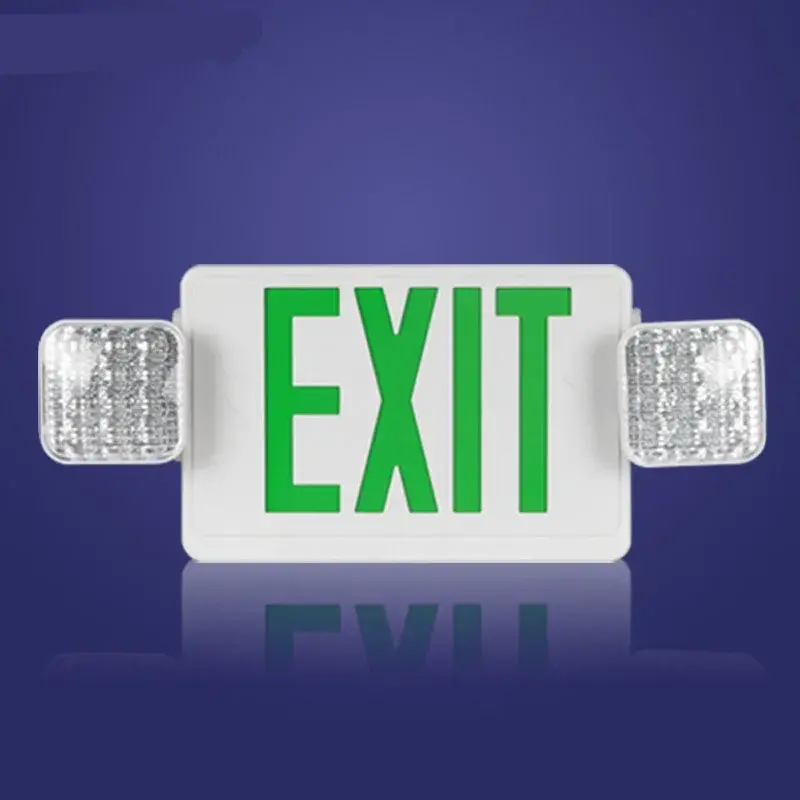
At corners and corridor ends where traffic comes from more than one way, double-sided Emergency exit signs make them easier to see. Combination exit/emergency lighting units combine safety features into a single bulb, which makes fitting easier. Low-profile designs blend in with building features without blocking the view, which is important in places like hotels and stores where looks affect how customers feel. By knowing about these fixing options, you can come up with the best placement plans that meet building code requirements while also being easy to install.
Procurement Guide: How to Source Emergency Exit Signs with Optimal Placement in Mind?
Evaluating Supplier Reliability and Market Reputation
To make a sourcing choice, you need to carefully evaluate each seller, not just compare prices. Manufacturers who have been around for a while can show that they have a past of compliance by showing certifications and third-party testing results. Products that are listed on UL, certified by ETL, or qualified by Energy Star show that they meet safety standards that are known to be reliable. Long-term suppliers mean stable production and ongoing access to expert help for sourcing Emergency exit signs. Regional warehouse and distribution networks make sure that urgent substitute needs are met quickly and that projects are rolled out gradually in many places.
Key Selection Criteria Based on Placement Requirements
The first step in developing specifications is to do a full site assessment that includes writing down ceiling heights, amounts of ambient light, and any building limitations. Use the formula: Emergency exit signs letter height (inches) = sight distance (feet) / 50 to find the lengths that people need to be able to see. Applications with ceilings higher than 12 feet need Emergency exit signs that are proportionally bigger or extra pointing markers.
Choosing the right color temperature changes how well you can see in different lighting situations. In industrial areas, cool white (5000K–6500K) LED lighting gives the best contrast. Warm white (3000K–4000K) choices look good in dining settings without being too harsh on the eyes. Check photometric test results that prove the amount of brightness at certain viewing angles and distances.
Environmental ratings must match where the installations are made. Fixtures that can handle moisture work well in shaded parking lots and loading docks. Wet-location grades are needed for outdoor sites that are completely exposed to water. Chemical handling rooms and paint booths are both classified as hazardous locations (Class I, Division 1/2). Temperature rates should be higher than the extremes of the surroundings that are likely to happen, with enough room for error.
Customization Options and Bulk Order Considerations
Large amounts of purchases allow for tailoring that meets the needs of individual operations. Custom housing colors should match the company's name while still following the rules. Multilingual text choices help a wide range of workers and overseas visitors. Adjustable Emergency exit signs and heading markers make installation possible on a variety of floor plans.
When you order in bulk, you get savings of scale that make the cost per item much lower. When you buy more than 100 units, manufacturers usually give you a 15–30% discount. When you make a volume promise, you can get custom tools made for mounting needs or special cases. Talk about ways to store your goods that work with phased project timelines and don't require full payment up front.
Logistics, Cost Structures, and Delivery Timelines
When it comes to big installs, freight costs affect the total cost of the job. Palletized packages are easier to receive and cause less damage during transport. Combine items from different places to save time and money on shipping. Check that the packaging is good enough to be shipped over long distances to foreign project places.
Standard wait times for stocked setups are usually between 2 and 4 weeks. Depending on how complicated they are, custom specs may make the making process take 6 to 8 weeks longer. To keep the project on track, set clear delivery milestones that are in line with the building plan. Check to see if the seller can meet shortened deadlines for urgent replacements or repairs that need to be done quickly.
Professional Installation and Maintenance Service Value
Technical installation services make sure that the installation is done correctly and in accordance with the rules. Licensed electricians who know the local code standards can avoid having to do expensive repairs after an inspection fails. Professional workers provide the licensing paperwork needed for building insurance and occupancy permits.
Ongoing repair contracts make planning easier and make sure that rules are always followed. As part of a service deal, parts are usually replaced as needed and the Emergency exit signs are inspected every three months. Preventive repair makes things last longer and cuts down on calls for emergency help. Annual compliance reporting makes it easier to prepare for audits and shows regulatory authorities and insurance companies that safety due diligence has been done.
Case Studies and Best Practices for Emergency Exit Sign Placement
Office Environment Compliance Upgrade Project
A 150,000-square-foot company headquarters had code violations found by the fire marshal during a regular check because renovated areas did not have enough Emergency exit signs. After doing thorough assessments of visibility, the building management team found 23 places where new partition walls and rearranged meeting rooms made it impossible to see.
As part of the plan for execution, edge-lit LED Emergency exit signs with battery backup were put up in all the affected areas. Ceiling-mounted setups got around problems caused by cubicle walls while keeping the look of the original architectural finishes. Photometric research confirmed that there were 100-foot sight gaps along all escape routes. The project met all requirements within a 3-week delivery window, which kept operations running smoothly.
Measured outcomes included a 100% pass rate on inspections and a 40% drop in the amount of energy used by emergency lights. After the installation, 92% of employees were sure that the escape route was clear. The $28,000 spent on the job paid off right away by meeting regulations and will save money in the long run by lowering the need for upkeep.
Industrial Facility Hazardous Area Implementation
A chemical factory needed Emergency exit signs that wouldn't go off in an explosion in all of its Class I, Division 2 dangerous working areas. Old Emergency exit signs didn't have the right licenses, so they were very dangerous during electricity checks.
The engineering team asked for LED Emergency exit signs that were approved for ATEX and had die-cast metal housings and tempered glass eyes. Installing sealed pipe got rid of places where sparks could start fires in possibly explosive environments. Coatings that don't rust protection against chemical contact that is common in production settings. Strategic placement on structural steel beams kept things visible even when pipes and equipment were set up in complicated ways.
Implementation took place in 47 places across three production buildings by the due dates set by regulators. The building passed later safety checks without any problems. Better clarity made escape drills 18% faster than they were with the old Emergency exit signs. Investing in approved tools reduced the risk of being sued and showed a dedication to worker safety.
Critical Lessons and Recommended Practices
Some things that all successful projects have in common that building managers should try to copy. When safety experts and electrical workers are involved early on, design mistakes that need expensive fixes are avoided. Before the project starts, legal gaps are found by keeping detailed records of how things are now. Installation of Emergency exit signs is part of larger building changes that are coordinated with ongoing construction work.
Purchasing teams get the best results when they put long-term value ahead of minimizing beginning costs. Even though they cost more, premium goods with longer guarantees lower costs over their entire life. Technical help from the manufacturer during the planning stages makes sure that the right product is chosen for each purpose. Setting up relationships with chosen vendors makes future purchases easier and makes sure that products are always available for multi-year facility projects.
Conclusion
Strategic Emergency exit signs placement uses knowledge of regulations, choice of technology, and installation skills to make buildings safe and in line with regulations. Knowing about foreign standards, environmental factors, and facility-specific needs helps you make smart purchasing choices that keep people safe and improve operational efficiency. When you compare technologies, you can see that LED systems work better in most situations, while photoluminescent options work better in some situations. Long-term value comes from sourcing strategies that stress source dependability, customization options, and skilled installation services. Real-life case studies show that careful implementation can lead to measured safety gains.
FAQ
What factors most significantly influence emergency exit sign placement decisions?
The main things that determine location are the ceiling height, the amount of light in the room, and any building obstacles. Regulations set minimum viewing standards and maximum spacing gaps, which determine how many Emergency exit signs are needed and where they should be placed. Extreme temperature changes, exposure to wetness, and dangerous atmospheres are all environmental factors that require specific product specs.
How frequently should emergency exit signs undergo inspection and maintenance?
Lighting and battery backup work are checked every month by practical testing. Testing battery systems every three months for discharge makes sure they keep their 90-minute life ability. Comprehensive inspections done once a year by trained techs find worn-out parts before they break. Keeping records of all repair tasks shows that you are following the rules during safety checks.
Can emergency exit signs be customized for unique facility configurations?
Many things can be changed by the manufacturer, such as the color of the housing, text in multiple languages, unique arrows, and special mounting clips. With bulk sales, it's easy and cheap to make changes that meet specific operating needs while still following the rules. Custom options that can work are found by talking to providers during the planning stages.
Partner with USKYLED for Compliant Emergency Lighting Solutions
Work with USKYLED to get Emergency exit signs solutions that are up to code. USKYLED sells approved Emergency exit signs that use cutting-edge LED technology and have been shown to work reliably in business and industry settings. Our engineering team offers technical advice to make sure that the best placement methods are used for your building. Email our emergency lighting experts at sales@uskyled.com to talk about your project needs and get suggestions for Emergency exit signs suppliers that are in line with the law.
References
1. National Fire Protection Association. NFPA 101: Life Safety Code, 2021 Edition. Quincy: NFPA Publications, 2021.
2. Occupational Safety and Health Administration. Exit Routes, Emergency Action Plans, and Fire Prevention Plans. Washington: U.S. Department of Labor, 2019.
3. Illuminating Engineering Society. IES RP-8-18: Recommended Practice for Design and Maintenance of Roadway and Parking Facility Lighting. New York: IES Publications, 2018.
4. International Organization for Standardization. ISO 7010: Graphical Symbols - Safety Colours and Safety Signs. Geneva: ISO Standards, 2019.
5. European Committee for Standardization. EN 1838: Lighting Applications - Emergency Lighting. Brussels: CEN Publications, 2013.
6. Joint Commission Resources. Environment of Care Essentials for Health Care, 2020 Edition. Oak Brook: Joint Commission Publications, 2020.

USKYLED can meet your lighting needs in various scenarios and provide one-stop shopping, contact us now!

Why You Should Choose USKYLED?
![What is Dimmable Track Lighting for Museum: Best Guide [2025]](/icms/upload/0d08cc601e7611f0b542b3ca0c0f4a83/pic/knowledgemanager-knowledgepic/e7879f32605f11f081911f363b8c1ed0/Directory/20250717 dimmable track lighting -1(1)_1752739217941.webp)