How Do You Hang LED Lights Without Damaging the Wall
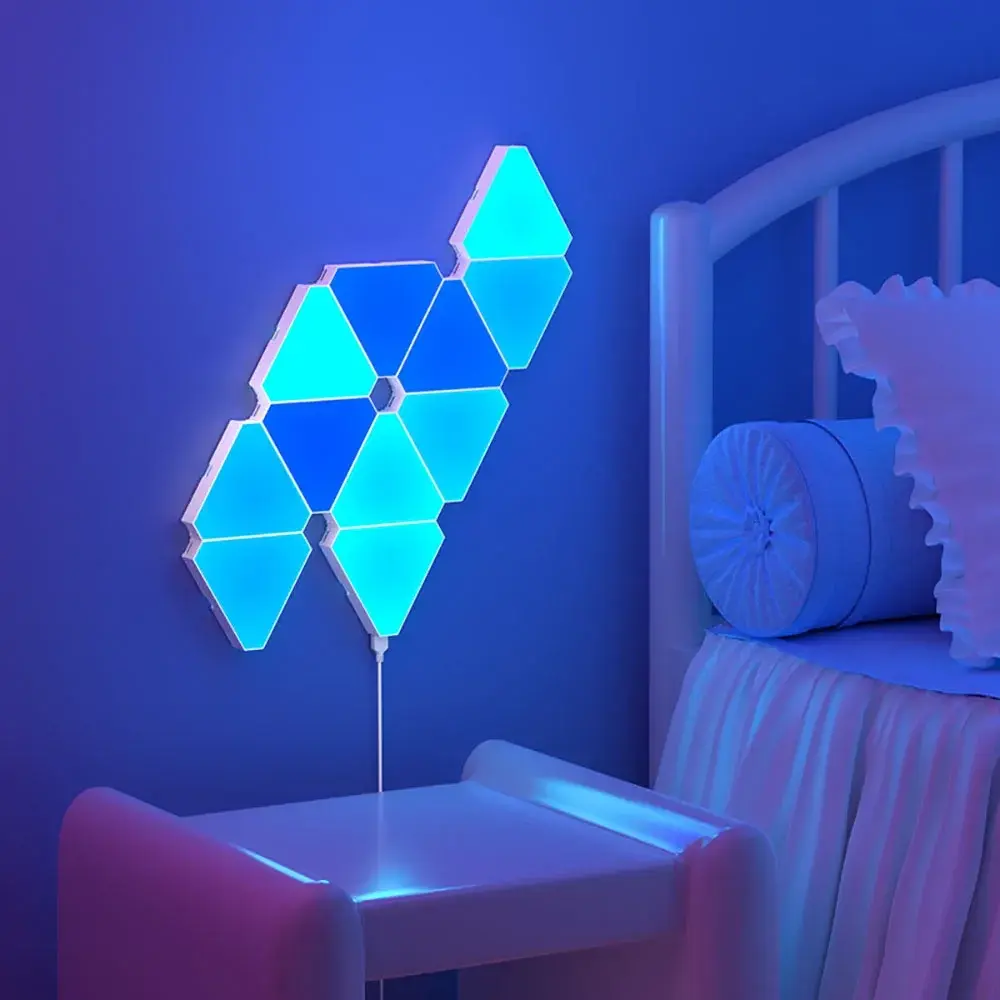
To install LED wall lights without hurting surfaces, you need to plan ahead and use the right fixing methods. These days, you don't have to make holes or use permanent glues that can damage paint and wallpaper to place things. Modern fixing systems, such as magnetic mounts, removable sticky strips, and special clips, keep the wall's structure while ensuring a secure connection. These damage-free solutions work with a range of fixture weights and wall types, making sure that setups are done professionally and up to business standards without sacrificing the quality of the structure or the way it looks.
Understanding the Challenges of Hanging LED Wall Lights Without Wall Damage
In commercial settings, lighting options must meet stylistic standards and avoid expensive wall repairs. Problems with installation often happen because of bad mounting methods that damage wall surfaces by cutting holes that aren't needed, using the wrong glue, or not doing enough load distribution analysis.
Common Wall Damage Risks in LED Lighting Installation
When things are installed the old-fashioned way, walls are often permanently changed in ways that make upkeep harder in the long run. Drilling holes in drywall, concrete, or brick leaves marks that can't be fixed by yourself when the fixtures are moved or taken down. When strong adhesives are used without thinking about how they will affect the surface, paint peels. On the other hand, structural cracks happen when weight isn't distributed evenly across fixing points.
Facility planners and procurement managers know that damage to walls isn't just an eyesore. Repair costs, project delays, and problems with renter happiness all add to the initial cost of installation. When it comes to commercial spaces, especially rental homes and historic buildings, you need hanging options that don't damage the original surfaces and still provide reliable lighting.
Wall Material Assessment for Optimal Mounting Selection
Different types of wall materials need different ways to be mounted to keep them from getting damaged and to make sure the connection is stable. Distributed load mounting methods spread the weight of the fixture over a bigger surface area, which is good for drywall installs. Concrete and brick walls are hard to work on because the surfaces aren't always smooth, and the humidity can affect how well the glue sticks.
Before choosing mounting tools, professional workers look at the type of wall, the texture of the surface, and the surroundings. Changes in temperature, humidity, and vibrations can affect how long a mounting system lasts and how well it works over time. By knowing about these things, you can make choices that combine the speed of installation with the safety of preventing damage.
Modern Techniques for Hanging LED Wall Lights Without Wall Damage
Modern fastening technologies have changed the way LED wall lights are installed by getting rid of the need for drilling and solid glue. These creative solutions offer high-level security for businesses while keeping the surface's integrity throughout the fixture's lifetime.
Advanced Adhesive Strip Systems
High-performance sticky strips made for LED lights have a great ability to stick things together but are still easy to remove. These unique fixing options use micro-structured glue technology that sticks well to a range of wall surfaces and doesn't leave behind any residue or damage paint when taken off.
Adhesive strips made for professionals can hold up to 15 pounds of lights, so they can be used for most business wall lighting needs. In order to install something, the surface must be cleaned well, the strip must be placed precisely, and it must be properly activated by applying firm pressure. Taking temperature and humidity into account during placement makes sure that the glue works well and lasts a long time.
To remove something, you have to slowly stretch the strip so that the sticky link breaks without damaging the surface. This controlled removal method keeps the paint's structure and gets rid of the need to repaint the wall. Different bulb designs and weight distributions can be accommodated by different strip configurations, making them useful for a wide range of business lighting projects.
Magnetic Mounting Solutions for Metal Surfaces
Magnetic fixing systems work great in businesses with metal walls because they can be put up and taken down instantly. Rare earth magnets built into special mounting plates give the magnets great holding power while spreading the load evenly across all touch areas.
These systems can hold LED wall lights that come with magnetic mounting tools built in, or they need adapter plates for normal fixtures. Placing it on ferrous metal surfaces is all it takes to install it, and taking it off doesn't take much force and doesn't leave any marks or residue. When lighting needs change often in an industrial setting, magnetic mounts are especially useful.
Clip and Rail Mounting Systems
Modular mounting tracks let you place more than one fixture in different ways while keeping the wall connection safe. These systems use special clips to attach LED fixtures to bars that are fixed on the wall. This makes it easy to move and replace the lights without having to make any changes to the wall.
The rail installation method spreads the weight of the device over larger areas that touch the wall. This lowers the point load stress that can damage the surface. Professional setups start with attaching a single point rail in a way that doesn't damage it. Next, they use easy fastener clipping steps that don't need any tools or extra hardware.
Choosing the Right LED Wall Lights and Accessories for Easy Installation
The choice of product has a big effect on how hard it is to put and how well harm prevention works. Modern LED wall lights are made with features that allow for non-invasive placement while still providing excellent performance and good looks.
Lightweight LED Fixture Design Advantages
Modern LED technology makes it possible to make fixtures that are small and light, which means that fixing systems are not needed as much. Most of the time, slim-profile wall lights weigh 70% less than standard light fixtures but give off the same amount of light or more. This weight loss makes it easier to mount things and puts less stress on connection systems that are still in good shape.
In current LED fixtures, advanced heat management systems get rid of the need for big heat sinks that make the fixtures heavier and harder to place. Efficient cooling design keeps LEDs working at their best while keeping them light, which is important for damage-free fitting.
Integrated Mounting Hardware Features
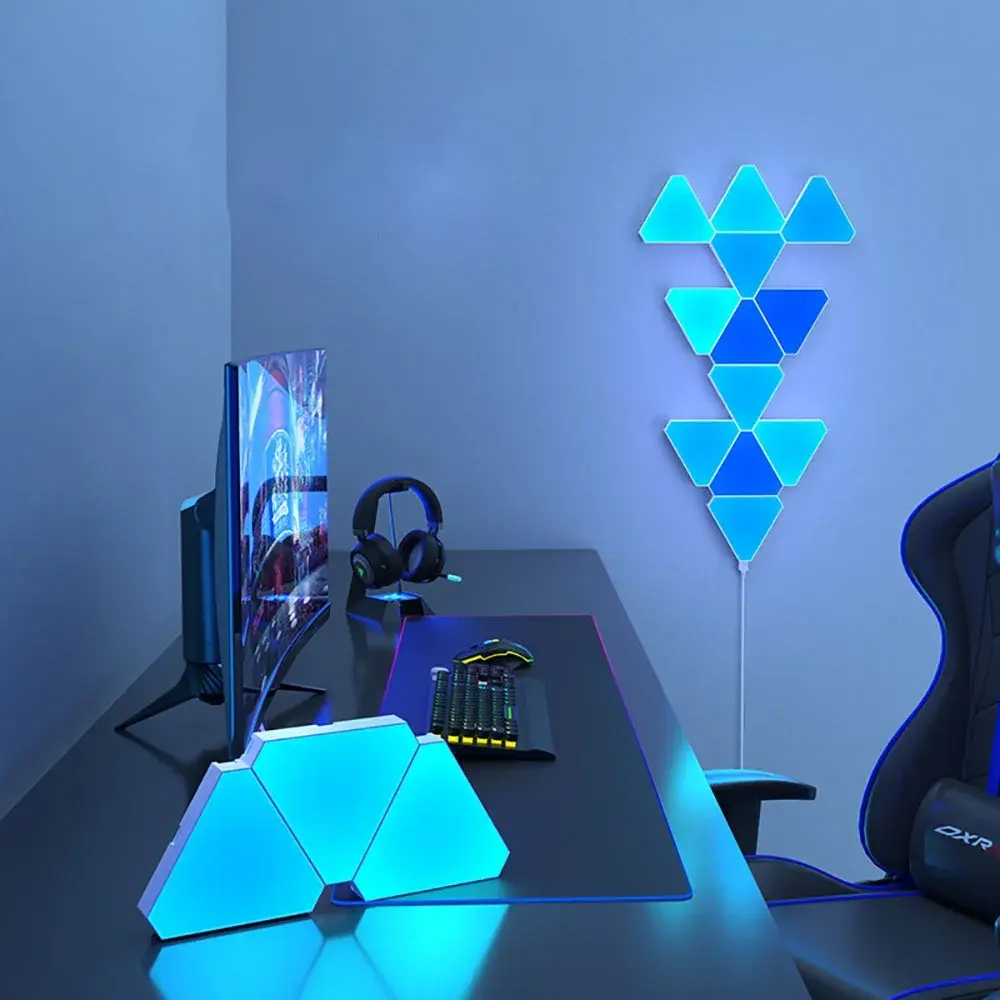
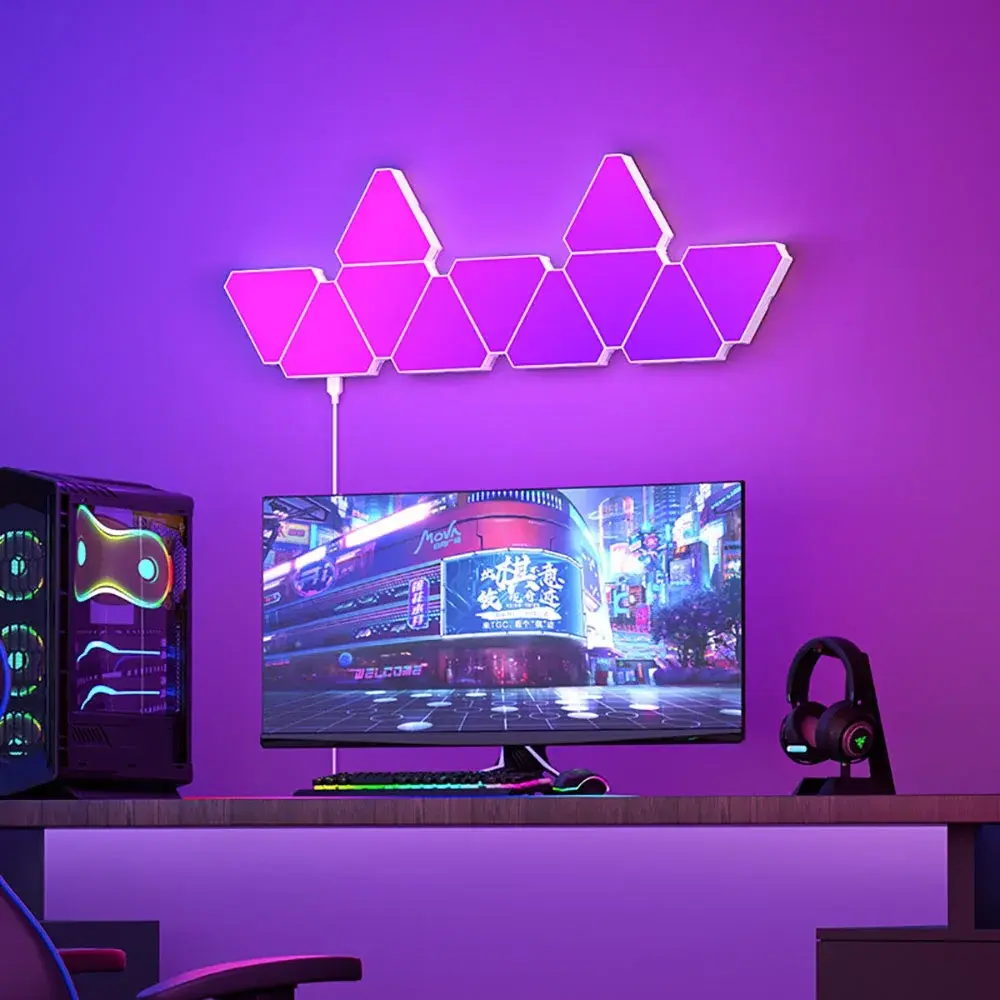
Manufacturers are adding mounting-friendly features straight to the designs of LED fixtures more and more. Built-in mounting plates, magnetic compatibility, and modular connection points make installation easier and allow for a variety of damage-free fastening methods. Hardwiring, which usually meant cutting holes in the wall for electrical links, is no longer needed with smart LED lights because they are wirelessly connected. Battery-powered and wireless choices give you full installation freedom while still meeting the performance standards of professional lighting.
Waterproof and Weather-Resistant Design Considerations
For installs outside, fixtures need to have strong weather protection that keeps the mounting system's integrity. IP65 and IP67-rated LED lights can handle being wet and come with fixing options that can be used outside and will not break down in harsh weather. Mounting gear that doesn't rust and electrical connections that are sealed off guarantee long-term performance without sacrificing the benefits of damage-free installation. These design features are necessary for business outdoor lighting where bulb dependability and wall surface protection are still very important.
Procurement Best Practices for Bulk and Custom LED Wall Light Orders
Strategic methods to buying things make it easier to choose the right products and get them installed quickly and correctly, and they also make sure that suppliers can be trusted for big business projects. By understanding the most important factors that go into purchasing something, you can make smart choices that combine cost, quality, and fitting needs.
Supplier Evaluation Criteria for Commercial Projects
Quality that is always the same can be seen in providers who follow foreign certification standards like UL, CE, and DLC. These licenses make sure that the products are safe and work well, and they also lower the legal risks that come with installing lights in businesses. As part of the evaluation process, the manufacturing capacity, quality control methods, and technical help should all be checked.
Long-term relationships with suppliers gain from established ways to talk to each other and a track record of getting projects done. Suppliers who offer detailed technical paperwork, installation tips, and information on mounting system compatibility make the planning and carrying out of projects easier.
Volume Pricing and Custom Configuration Benefits
The benefits of buying in bulk go beyond lower unit costs; they also include customizable mounting system integration and special packaging to make sure installation projects go smoothly. Suppliers often offer unique fitting hardware solutions that are made to fit the needs of each job while keeping prices low. When you buy a lot of them, you can save money by getting custom color temperature settings, beam angle changes, and smart controls that are built in. These changes improve the results of the project and help meet the goal of damage-free fitting by making the device designs better.
Warranty and Support Considerations
A guarantee that covers both the hardware and the mounting systems is an important part of project security. Longer guarantee terms that cover mounting hardware failure or damage-free system performance show that the provider is confident in the project and wants it to succeed. Having access to technical support during the startup process is very helpful for dealing with problems that come up out of the blue or with compatibility. Suppliers who give installation training and help with fixing problems increase the chances of a project's success and lower the risks of installation.
Case Studies: Successful Damage-Free LED Wall Light Installations
Implementation examples from real life show that installing damage-free LED wall lights works well in a variety of business settings. These stories show specific problems, how they were solved, and the results that show that current mounting methods work.
Corporate Office Renovation Project
A 50,000-square-foot company offices needed LED lighting upgrades that wouldn't damage walls that had just been painted. As part of the project, 200 wall-mounted fixtures had to be put up in meeting rooms, hallways, and collaborative areas without damaging them in any way.
Magnetic mounting methods could be used with metal dividing walls, and high-performance adhesive pieces held items to drywall. The installation team finished the job 40% faster than with standard drilling, and they didn't have to pay an expected $15,000 to fix the walls. After installation, clients liked how professional the mounting systems looked and how easy it was to do upkeep on them. The building management team really liked that they could move things around without having to call for service or refinish walls.
Historic Building Facade Lighting Enhancement
A historic business building from 1925 needed outdoor accent lights that would not damage the original masonry surfaces. Municipal rules said that lasting changes could not be made to the historic face, so installation methods had to be totally reversible.
Specialized adhesive systems that work with stonework made it possible to place 75 outdoor LED lights securely while still following rules for historical preservation. Custom fixing plates spread the load on the device over several contact points. This stopped point stress that could damage brickwork that is hundreds of years old. The application improved the look that was wanted while still being fully reversible for future changes. After being out in the weather for two years, mounting systems haven't broken down or had any effect on the surface. This proves that damage-free methods can be used for sensitive uses for a long time.
Large-Scale Retail Chain Deployment
A big store company put in damage-free mounting systems for LED wall lights in all 150 of its stores so that each one would close less often and save money on renovations. For the rollout, uniform installation methods were needed that could be used on a range of building types and wall materials.
Modular mounting rail systems made installation quick and flexible so they could be used in different company locations. Standardized fixture specs and fastening tools made planning easier and cut down on the amount of training that local assembly teams had to do. The job was 95% finished on time, and there were no cases of wall damage anywhere. Installation costs were 30% lower than with standard ways because there was no need for repairs and less work had to be done.
Conclusion
Installing LED wall lights without any damage is a big step toward environmentally friendly and cost-effective business lighting. Traditional drilling and solid glue are no longer needed with today's mounting technologies, which also offer better fitting freedom and long-term adaptability. Professional buying strategies that put an emphasis on source dependability, certification compliance, and full support make sure that projects are completed successfully. These methods have been shown to work in a variety of business settings, so forward-thinking building managers and procurement professionals looking for the best lighting solutions without losing wall integrity should use them as standard.
FAQ
What weight capacity do damage-free mounting systems support?
Sticky strips made for professionals can usually hold 10 to 15 pounds per fixing point. Magnetic systems, on the other hand, can hold up to 25 pounds of hardware, but it depends on the surface material and how the magnets are set up. Spreading the weight across several mounting places increases the overall capacity and makes the fitting safer.
Can damage-free mounting work with smart LED wall lights?
Smart LED lights, such as wireless, dimmable, and motion-sensor types, can all be mounted on modern systems that don't cause damage. Smart lights that are driven by batteries don't need to be hardwired, so they can be installed in a way that doesn't damage anything.
How long do removable mounting systems maintain their holding strength?
Under normal situations, high-quality mounting systems keep their full staying power for two to five years. Temperature changes and humidity are some of the environmental factors that affect how long something lasts. Usually, indoor uses last longer than outdoor ones.
Are damage-free methods suitable for heavy commercial LED fixtures?
Commercial-grade mounting solutions can hold fixtures that weigh up to 30 pounds thanks to their unique hardware designs and spread mounting setups. Heavy industrial lighting fixtures can be installed safely with the help of multiple mounting points and load sharing methods.
What wall types work best with damage-free LED mounting?
Metal plates, painted surfaces that are smooth, and drywall that is finished all work best for mounting. Some surfaces, like textured ones, weak ones, or walls that have just been painted, may need a certain mounting method or surface preparation in order to be attached reliably.
Do damage-free mounting methods meet commercial building codes?
When put correctly according to the manufacturer's instructions, good mounting systems follow all applicable electrical and building codes. For business uses, code compliance is ensured by mounting hardware that is named on the UL list and approved installation methods.
Partner with USKYLED for Your Commercial LED Wall Lighting Projects
As a full-service provider of LED wall lights, USKYLED makes sure that installations in business settings go smoothly and without damage. There are removable adhesive systems, magnetic mounts, and flexible rail setups that can be used to mount our high-tech fixings. We are a reliable producer of LED wall lights, and we offer OEM/ODM customization, UL/CE certification compliance, and dedicated technical support for the whole lifetime of your project. Get in touch with our purchasing experts at sales@uskyled.com to talk about the benefits of buying in bulk, unique mounting options, and shipping options that are best for your business's needs.
References
1. International Association of Lighting Designers. "Non-Invasive Mounting Systems for Commercial LED Applications." Professional Lighting Design Standards, 2023.
2. Building Industry Association. "Damage-Free Installation Methods for Commercial Lighting Systems." Construction Best Practices Manual, 2023.
3. LED Industry Research Group. "Advanced Mounting Technologies for Solid-State Lighting." Commercial Lighting Technical Review, 2024.
4. National Electrical Contractors Association. "Modern LED Installation Techniques and Safety Standards." Professional Installation Guidelines, 2023.
5. Commercial Real Estate Facilities Management. "Cost-Effective Lighting Upgrades Without Property Damage." Facility Management Quarterly, 2024.
6. American Society of Interior Designers. "Sustainable Lighting Installation Practices for Commercial Environments." Design Professional Standards, 2023.

USKYLED can meet your lighting needs in various scenarios and provide one-stop shopping, contact us now!
Why You Should Choose USKYLED?
![What is Dimmable Track Lighting for Museum: Best Guide [2025]](/icms/upload/0d08cc601e7611f0b542b3ca0c0f4a83/pic/knowledgemanager-knowledgepic/e7879f32605f11f081911f363b8c1ed0/Directory/20250717 dimmable track lighting -1(1)_1752739217941.webp)