Understanding Magnetic Track Lights: Features and Benefits
Magnetic track lights have revolutionized the lighting industry with their sleek design and unparalleled flexibility. These innovative fixtures combine the best of traditional track lighting with cutting-edge magnetic technology, offering a range of benefits for various applications.
The Mechanics of Magnetic Track Lights
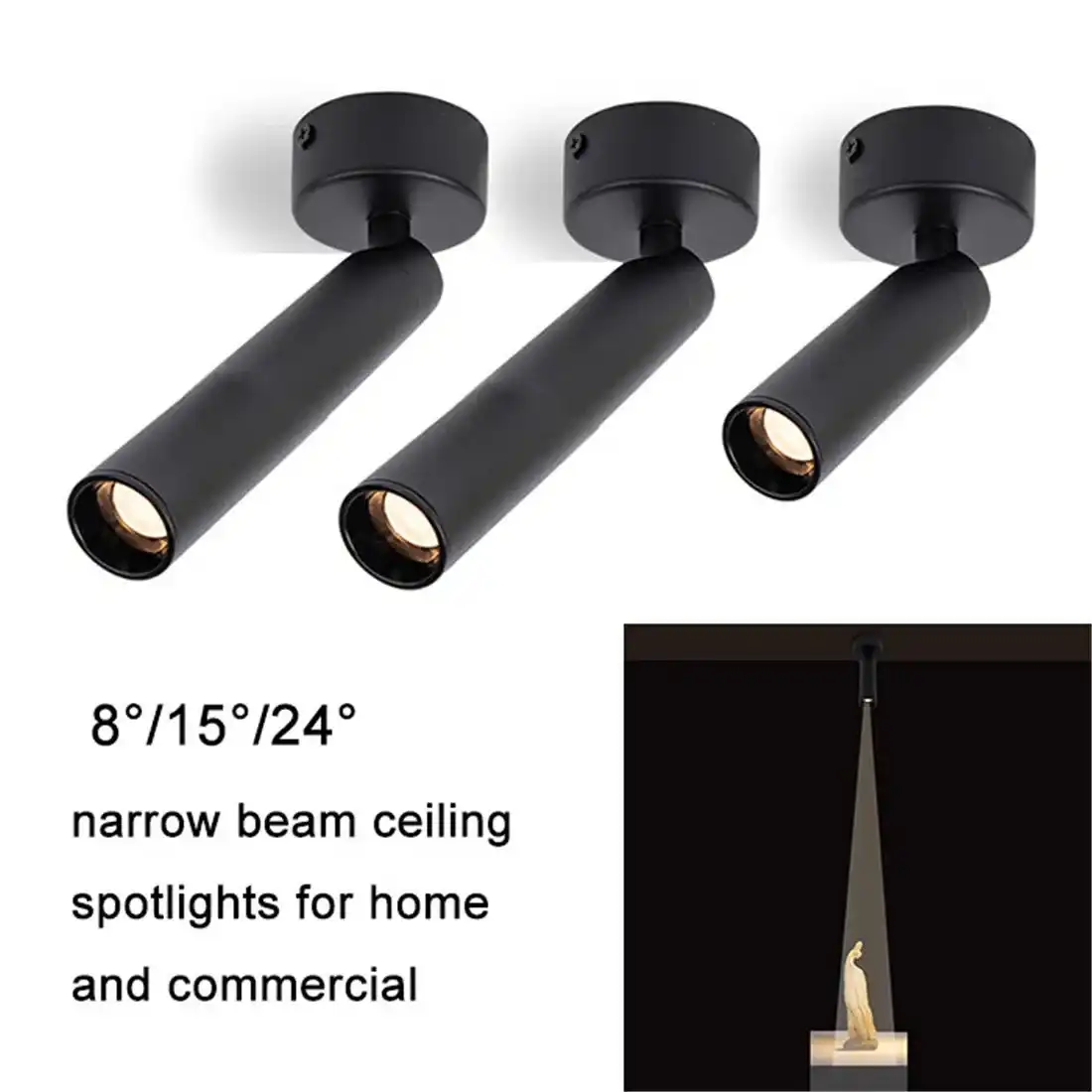
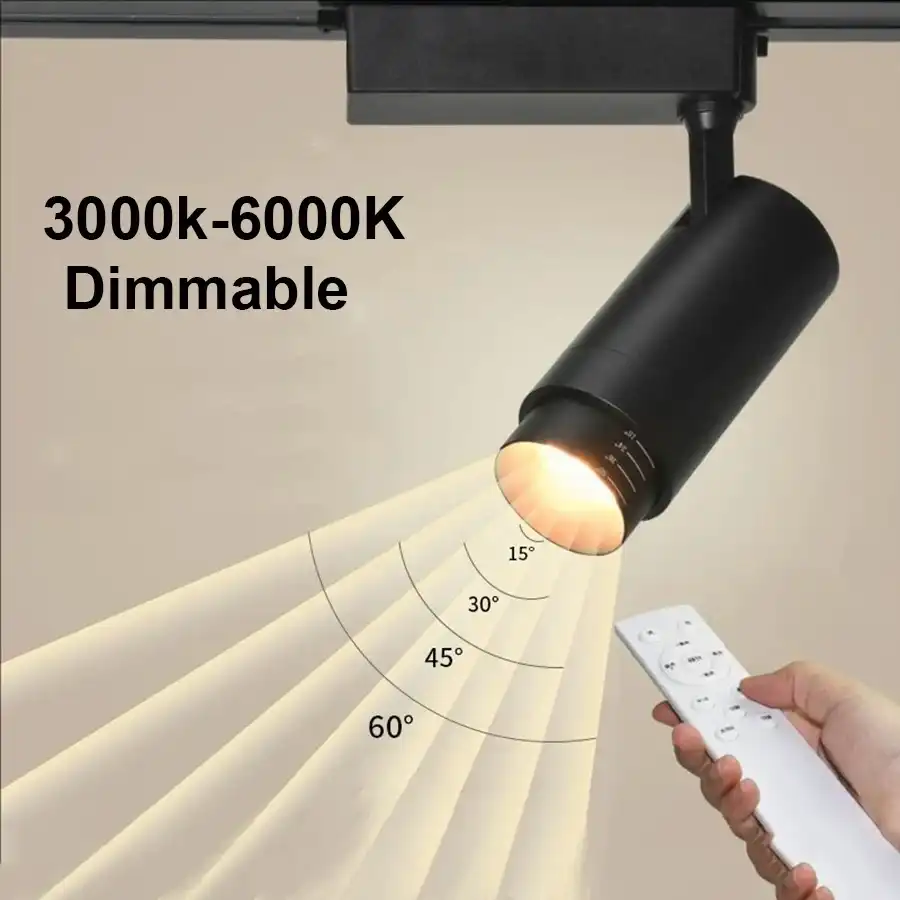
Magnetic track lights consist of two main components: a magnetic track and light fixtures with magnetic bases. The track is typically mounted on the ceiling or wall, while the fixtures can be easily attached, detached, and repositioned along the track thanks to their magnetic properties. This system allows for effortless customization and adaptation of lighting layouts without the need for complex wiring or professional assistance.
Versatility in Design and Application
One of the most compelling features of magnetic track lights is their versatility. These systems can accommodate a wide range of fixture styles, from spotlights to pendants, allowing designers and homeowners to create diverse lighting scenarios within a single space. The ability to mix and match different fixtures on the same track opens up endless possibilities for creative lighting design.
Energy Efficiency and Performance
Modern magnetic track lights often utilize LED technology, offering superior energy efficiency and longevity compared to traditional lighting systems. LED magnetic track lights consume less power while providing excellent light output and color rendering, making them an environmentally friendly and cost-effective lighting solution for both residential and commercial applications.
Exploring Flexible Linear Lights: Characteristics and Applications
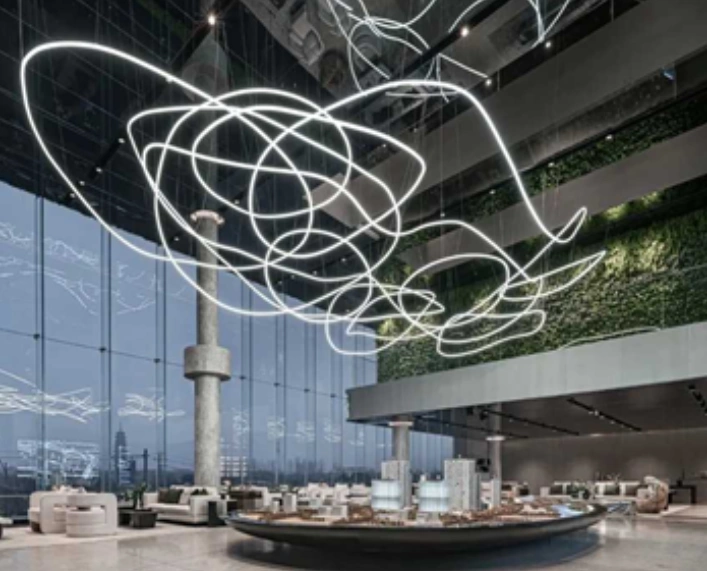
Flexible linear lights represent another innovative lighting solution that has gained popularity in recent years. These versatile fixtures offer unique design possibilities and can be used to create stunning visual effects in various settings.
The Structure of Flexible Linear Lights
Flexible linear lights consist of a series of LED chips mounted on a flexible circuit board, typically encased in a durable, bendable housing. This construction allows the lights to be shaped and contoured to fit various architectural elements or to create custom lighting designs. The flexibility of these fixtures makes them ideal for highlighting curved surfaces, accent lighting, and creating continuous lines of illumination.
Customization and Installation Options
One of the key advantages of flexible linear lights is their adaptability to different installation scenarios. These lights can be surface-mounted, recessed, or integrated into architectural features. Their flexibility allows for seamless integration into complex designs, making them a favorite among architects and interior designers for creating unique lighting effects.
Color Options and Lighting Effects
Many flexible linear lights offer RGB or RGBW color-changing capabilities, allowing users to create dynamic lighting scenes and adjust the ambiance of a space with ease. This feature makes them particularly popular in hospitality settings, retail environments, and residential applications where mood lighting is desired. Additionally, some models offer tunable white light, allowing for adjustment of color temperature to suit different times of day or activities.
Comparing Magnetic Track Lights and Flexible Linear Lights
While both magnetic track lights and flexible linear lights offer innovative lighting solutions, they each have unique characteristics that make them suitable for different applications. Understanding these differences can help in choosing the right option for specific lighting needs.
Installation and Flexibility
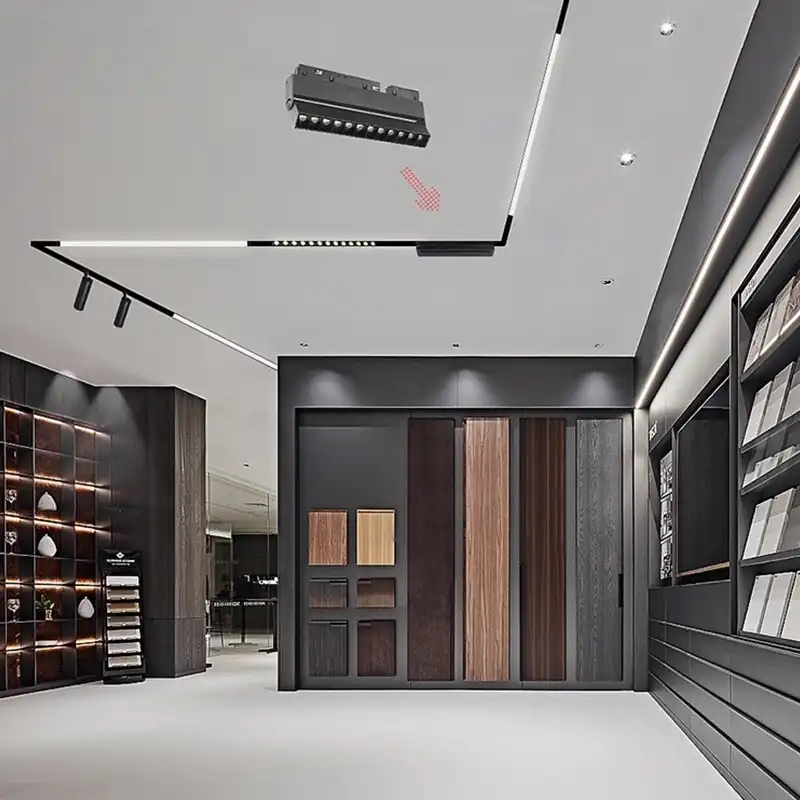
Magnetic track lights excel in terms of post-installation flexibility. The ability to easily reposition fixtures along the track without tools or electrical work is a significant advantage, especially in spaces where lighting needs may change frequently. On the other hand, flexible linear lights offer flexibility during the initial installation, allowing for creative integration into architectural features, but once installed, they are less adaptable to change.
Light Distribution and Focus
Magnetic track lights typically offer more focused and directional lighting, making them ideal for accent lighting, highlighting artwork, or illuminating specific areas within a space. Flexible linear lights, in contrast, provide more diffused, even illumination, making them suitable for ambient lighting, cove lighting, or creating continuous lines of light along surfaces.
Aesthetic Impact and Design Integration
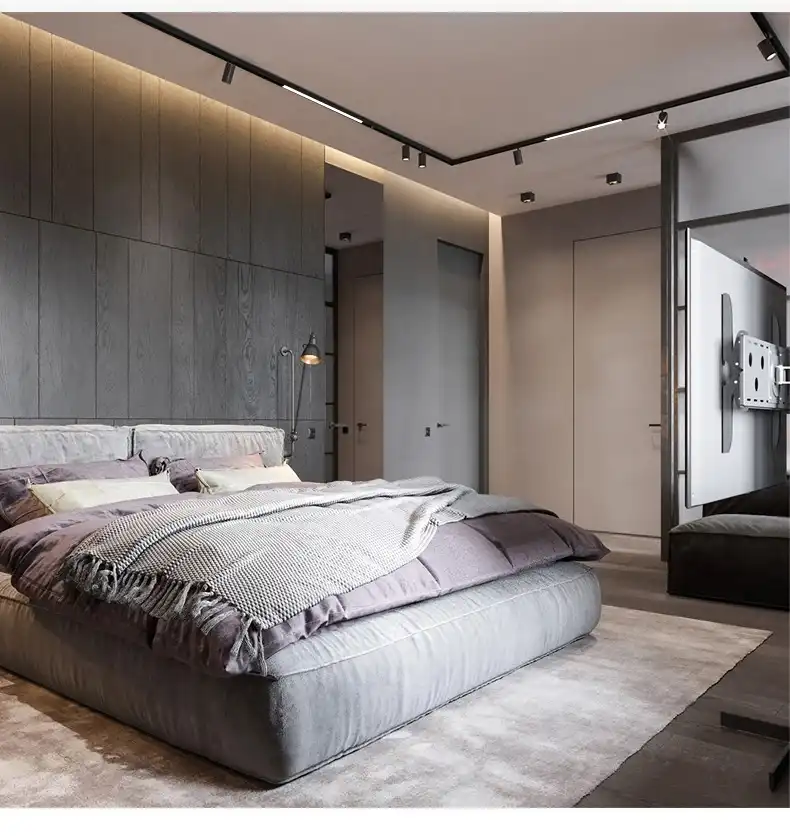
Both lighting systems can significantly enhance the aesthetic appeal of a space, but in different ways. Magnetic track lights often become a visible design element, with the track and fixtures contributing to the overall look of the room. Flexible linear lights, when properly integrated, can create a more subtle effect, emphasizing architectural features or providing hidden sources of illumination.
Conclusion
Choosing between magnetic track lights and flexible linear lights ultimately depends on the specific requirements of your space and lighting design goals. Magnetic track lights offer unparalleled flexibility in terms of fixture placement and are excellent for spaces that require adaptable, focused lighting. Flexible linear lights, on the other hand, provide unique opportunities for seamless integration into architectural elements and are ideal for creating uniform, ambient lighting effects.
Both options represent the cutting edge of LED lighting technology, offering energy efficiency, longevity, and creative lighting possibilities. By carefully considering the unique features and benefits of each system, you can select the lighting solution that best enhances your space and meets your illumination needs.
FAQ
Can magnetic track lights and flexible linear lights be used together in the same space?
Yes, combining both lighting systems can create a versatile and dynamic lighting scheme, offering both focused and ambient lighting options.
Are magnetic track lights suitable for outdoor use?
Some magnetic track light systems are designed for outdoor use, but it's essential to check the IP rating and manufacturer specifications for suitability in outdoor environments.
Can flexible linear lights be cut to size?
Many flexible linear light products can be cut to specific lengths at designated points, but it's crucial to follow manufacturer guidelines to maintain proper functionality.
Illuminating Spaces with Precision: Magnetic Track Lights vs. Flexible Linear Lights | USKYLED
At USKYLED, we specialize in providing cutting-edge LED lighting solutions, including state-of-the-art magnetic track lights and flexible linear lights. As a leading manufacturer and exporter, our factory produces high-quality, energy-efficient lighting products tailored to meet diverse design needs. Whether you're a contractor, designer, or distributor, our team is ready to assist you in choosing the perfect lighting solution for your project. Experience the USKYLED difference in illumination technology and design. Contact our sales team at sales@uskyled.com to explore our product range and custom OEM/ODM options.
References
1. Smith, J. (2023). "The Evolution of Track Lighting: From Traditional to Magnetic Systems." Lighting Design Quarterly, 45(2), 78-92.
2. Johnson, A. & Lee, S. (2022). "Flexible Linear Lighting: Applications in Modern Architecture." Journal of Architectural Illumination, 18(3), 205-220.
3. Brown, R. (2023). "Energy Efficiency Comparison: Magnetic Track Lights vs. Traditional Lighting Systems." Energy and Buildings, 276, 112345.
4. Chen, L. et al. (2022). "Integration of Smart Lighting Technologies in Commercial Spaces: A Case Study of Magnetic Track and Flexible Linear Lights." Smart and Sustainable Built Environment, 11(4), 622-638.
5. Williams, E. (2023). "Consumer Preferences in Modern Lighting: A Survey of Magnetic Track and Flexible Linear Light Adoption." International Journal of Consumer Studies, 47(3), 891-905.



![What is Dimmable Track Lighting for Museum: Best Guide [2025]](/icms/upload/0d08cc601e7611f0b542b3ca0c0f4a83/pic/knowledgemanager-knowledgepic/e7879f32605f11f081911f363b8c1ed0/Directory/20250717 dimmable track lighting -1(1)_1752739217941.webp)