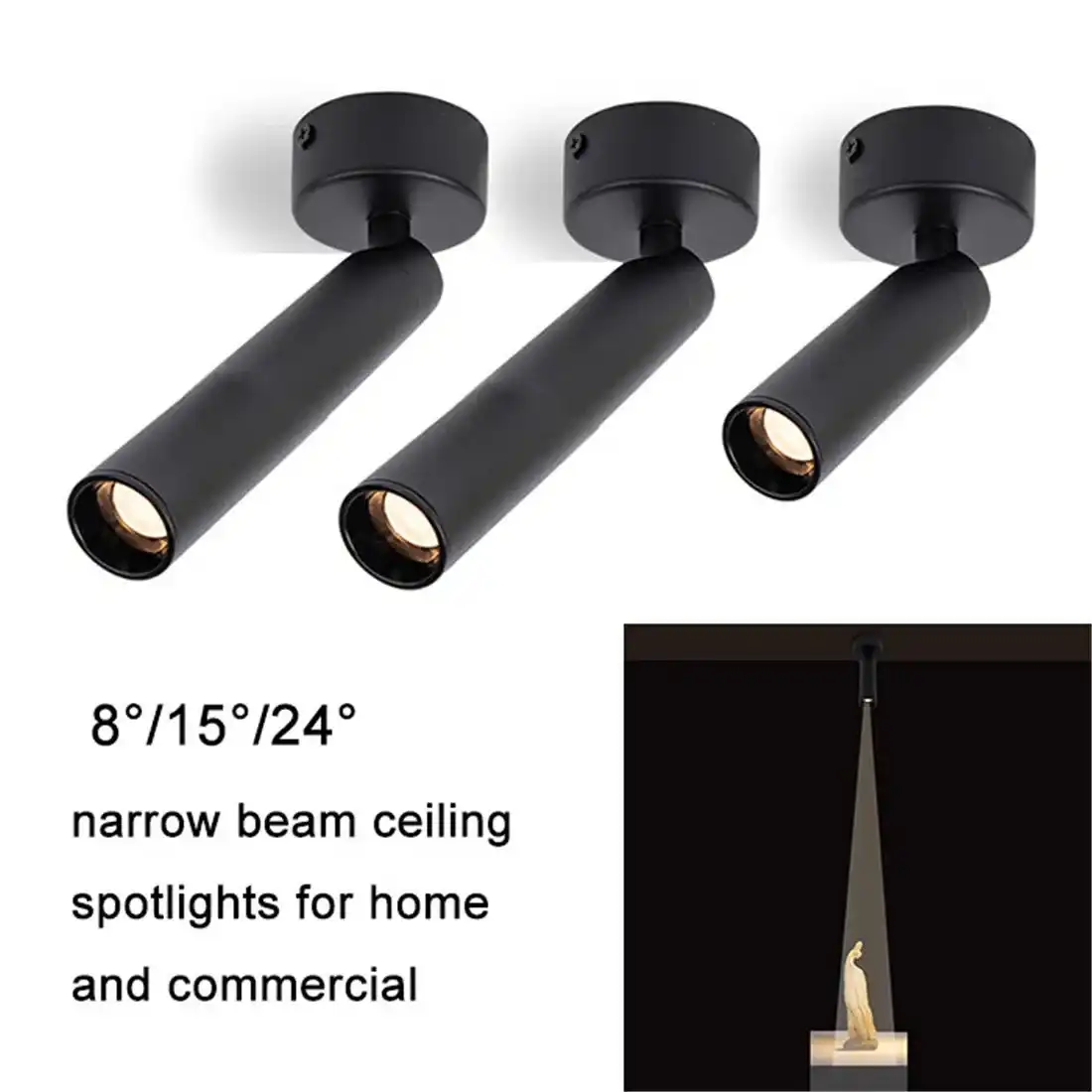
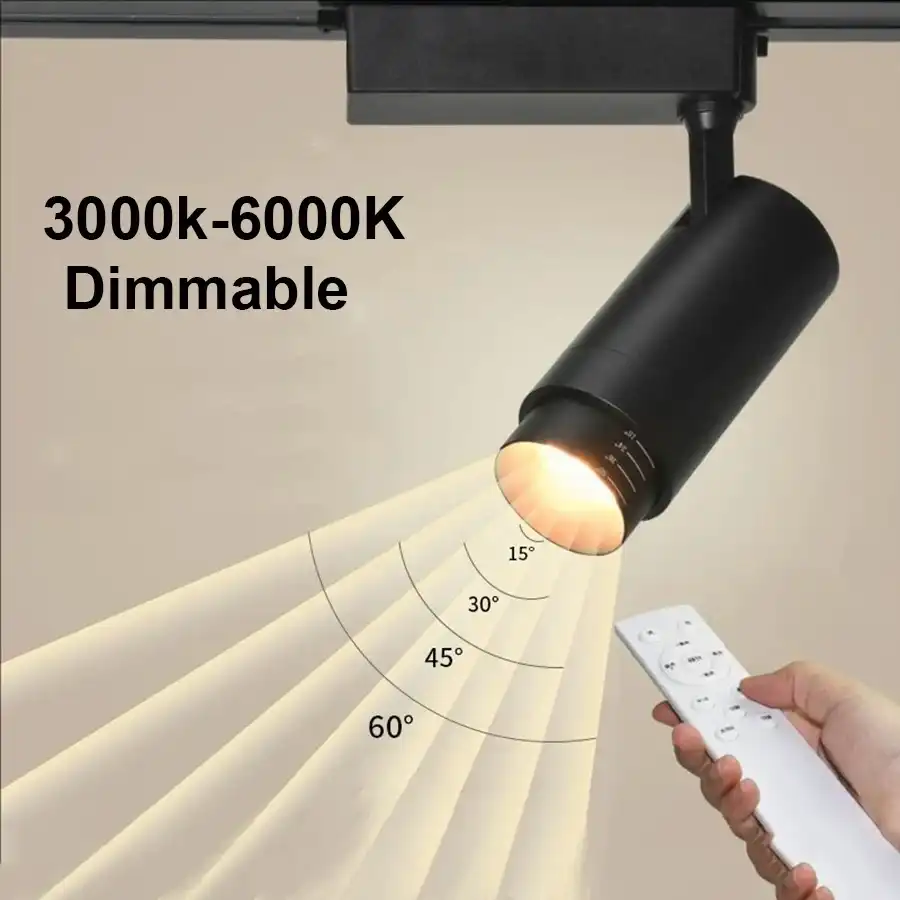
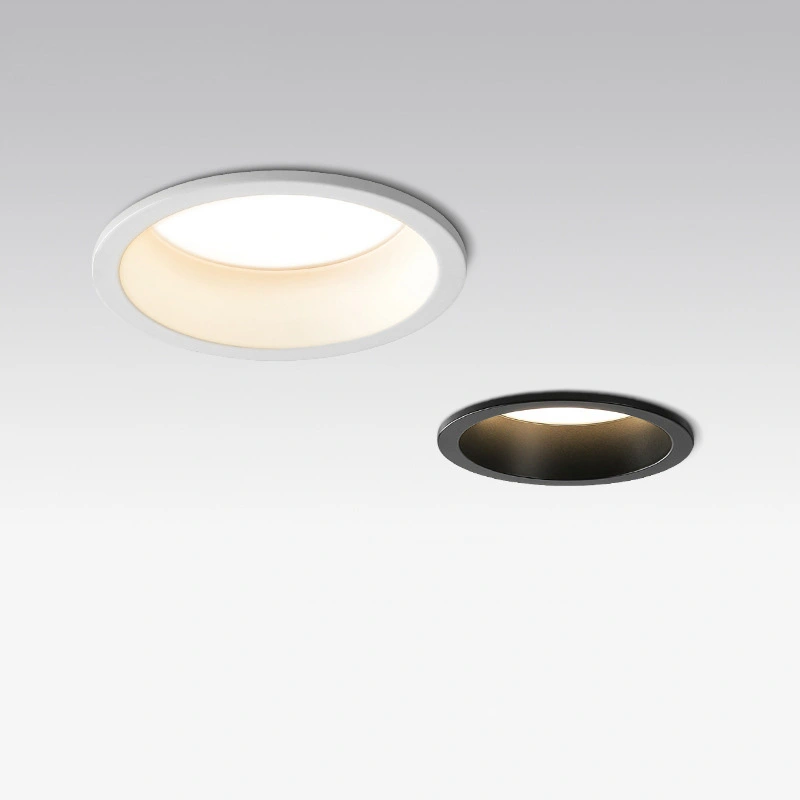
Modern downlights have changed the way we light up rooms with low ceilings. They come in sleek designs that look great and work well. These recessed LED lights are the best choice for places where regular lights make things seem messy or take up too much space. As we go into 2026, downlight technology continues to evolve to meet the specific needs of procurement managers, engineers, and designers who operate in low-ceiling spaces in commercial, residential, and industrial settings.
Understanding Downlights for Low-Ceiling Spaces
Downlights are a smart way to light up areas when the ceiling is too low. These lights may be mounted flush with the ceiling or completely within it, which makes clean lines that improve rather than hurt how we see space. Recessed lighting, on the other hand, keeps all the ceiling height open while providing focused light. This is different from pendant lights or chandeliers that hang down.
Key Advantages of Recessed Lighting in Compact Spaces
Downlights in low-ceiling spaces provide advantages that go beyond just saving space. These lights are great for making light spread evenly, getting rid of the harsh shadows and uneven lighting that come with surface-mounted lights. One of the best things about LED technology is that it uses up to 75% less power than old incandescent alternatives. This makes it one of the most energy-efficient options.
Managing heat is especially important in places with low ceilings where fixtures are closer to people. Modern LED downlights don't give out much heat, which keeps the room at a suitable temperature and lowers the burden on the HVAC system. This thermal efficiency means that the fixture will save money on operating costs during its lifetime, making it a good investment for commercial facilities managers who care about the total cost of ownership.
Types and Applications
Ultra-thin downlights are great for narrow ceiling cavities since they don't need much space above the ceiling plane. Surface-mounted versions may be installed in places where recessing isn't possible. Adjustable variants let you alter the direction of accent lighting, while fixed models provide you steady ambient lighting. Waterproof alternatives make it possible to use them in places with a lot of humidity, including industrial kitchens and hotels.
Choosing the Right Downlight: Criteria & Best Practices
Choosing the right fittings requires careful thought about a number of technical factors that affect performance and user pleasure directly. The amount of light that comes out must match the area needs, and it shouldn't be too bright, which wastes energy and makes it hard to see. Choosing the right color temperature may affect your mood and how well you work. For example, warm whites (2700K–3000K) can help you relax, while cold whites (4000K–5000K) can help you concentrate and get more done.
Technical Specifications That Matter
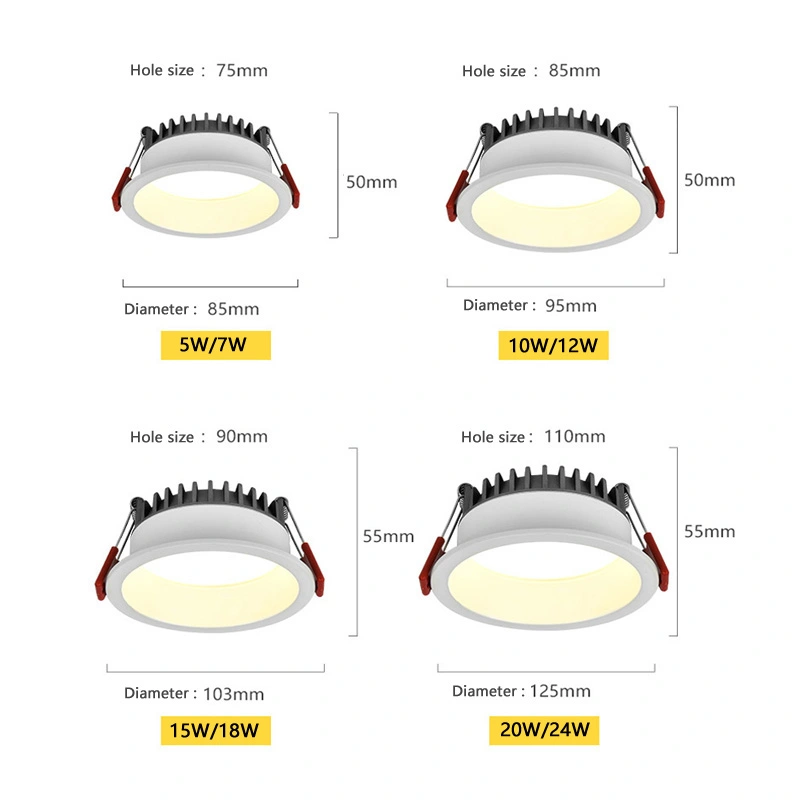
The size of the cut-out decides whether it will fit with the ceiling framework already in place. Standard diameters are between 3 and 8 inches. Larger openings let in more light, but they also need more space. Beam angles change how light spreads. Narrow beams focus light, whereas wide beams cover a larger area. When combined with control systems, driver compatibility makes sure that dimming works reliably.
CRI scores over 90 provide better color rendering, which is important for retail and hospitality settings as customers' ability to see colors accurately affects their experience. Flicker-free functioning makes it easier on the eyes and helps keep people healthy in offices. Building management systems with smart connection features let you keep an eye on things from afar and save energy.
LED Technology Advantages
LED downlights performs better than halogen and fluorescent lights on several performance measures. Lifespan ratings usually go beyond 50,000 hours, which means less maintenance and lower labor expenses. With instant-on capabilities, there are no waits for warming up, and dimming compatibility makes it possible to use dynamic lighting. These features are especially useful in business settings where dependability and flexibility are key factors in purchasing choices.

Installation and Troubleshooting for Low-Ceiling Downlights
Professional installation methods make sure that Downlights work well and last a long time while also keeping safety regulations. Following the manufacturer's specifications for fixture spacing relative to ceiling height helps prevent hot spots and dark regions from forming. Electrical connections must follow local rules, especially when it comes to thermal protection and junction box requirements.
Common Installation Challenges
Low-ceiling situations sometimes have their own problems, such as not enough plenum space, structural conflicts, and thermal issues. You may need specific housing designs or surface-mount options for shallow ceiling spaces. HVAC ducting and structural components may get in the way of intended layouts, thus changes need to be made in the field during installation.
When fixtures come into contact with building insulation, proper insulation contact ratings prevent fires from starting. Air-tight ratings help prevent energy from leaking via holes in the ceiling. These safety concerns are especially important in business settings where building rules require certain levels of performance.
Maintenance and Troubleshooting
Cleaning the fixtures on a regular basis keeps the light levels steady and makes them last longer. Over time, dust may build up on lenses and cut down on light by 20% or more. Using the right chemicals to clean optical equipment keeps it clear without hurting sensitive parts. The most frequent maintenance task is replacing the driver, which usually happens after 10 to 15 years of use.
Top Modern Downlight Solutions for B2B Procurement in 2026
There are many high-quality solutions on the commercial lighting market from well-known companies that are recognized for being innovative and reliable. Market leaders keep putting money into research and development so that they can make goods that satisfy changing criteria for efficiency and performance.
Leading Manufacturers and Product Lines
Top brands in the industry have created whole product lines that meet a wide range of application needs. These companies let you customize a lot of things, such the color temperature, beam angle, and housing layout, to fit the demands of your project. Bulk purchase agreements help keep costs down and make sure that products are always available within the project's timetable.
For commercial use, certification compliance is still important. Energy Star, DesignLights Consortium, and UL ratings all guarantee quality. These certifications typically open up utility rebate programs that help pay for the initial expenses of the project. Extended warranty plans show that the manufacturer is confident in their product and safeguard the procurement budget against early failure.
Procurement Considerations
Successful procurement methods take into account more than just the unit price when weighing the initial cost against the long-term benefit. The availability of technical help affects how well the installation goes and how happy people are with it over time. Local distribution networks make sure that deliveries are quick and that service assistance is always available. These operational factors are typically more important than small pricing variations between similar items.
Future Trends in Downlighting for Low-Ceiling Rooms (2026 and Beyond)
New technologies are continually changing what Downlights can do and what the market expects from them. With IoT connection, you may do predictive maintenance by watching operational metrics from a distance. Artificial intelligence systems understand how people use a space and change the output to use less energy. These smart capabilities are appealing to facility managers who want to make their operations more efficient.
Technological Innovations
Improvements in LED chip technology make them more effective and demand less space in fixtures. Quantum dot phosphors improve the color quality and uniformity of different manufacturing batches. Wireless control methods do away with complicated wiring needs and allow for dynamic lighting situations. These fresh ideas fix problems that have been there for a long time and make new uses possible.
Principles of the circular economy, such using recyclable parts and cutting down on packaging waste, are based on sustainability. Programs to lower carbon footprints affect how things are made and how they are moved. As companies work toward sustainability targets, these environmental issues are having a bigger and bigger impact on purchase choices.
Market Evolution
As manufacturing methods becoming more flexible, the ability to customize products keeps growing. Shorter lead periods help with just-in-time purchasing tactics and lower the amount of inventory needed. Digital specification tools make it easier to choose and purchase products. These changes in the market are good for procurement experts who are in charge of complicated projects with short deadlines.
USKYLED: Your Trusted Partner for Modern Downlight Solutions
USKYLED has a lot of expertise making LED downlights, and they focus on making lights that work well in low-ceiling areas. Our whole range of products includes cutting-edge designs that exceed strict commercial requirements and last a long time while using very little energy. We know that B2B procurement has its own demands, and we can customize our services to meet the needs of each project.
We know how to make a wide range of products, including as ultra-thin recessed versions, surface-mount options, and smart-enabled systems. Advanced LED technology with excellent CRI ratings (over 90), flicker-free operation, and smart control compatibility makes it easy to integrate into current building systems. We provide custom OEM and ODM solutions that meet your individual needs while still keeping our promise of quality and dependability.
We are committed to worldwide standards, as seen by our quality certifications like CE, UL, and RoHS compliance. Full warranty plans and quick technical assistance provide you peace of mind for the whole life of the device. Our worldwide distribution network makes sure that deliveries are on time and that there is local service assistance in North America, Europe, and beyond.
Conclusion
Modern downlights are the best way to light up rooms with low ceilings since they save space and work better than other types of lighting. As we go through 2026, new technologies keep adding to the capabilities of these fixtures while keeping the basic benefits that make them necessary for both homes and businesses. Careful assessment of technical criteria, manufacturing capabilities, and long-term support needs is necessary for successful purchase. Investing in good downlight solutions pays off in the form of lower energy use, less need for maintenance, and happier residents. Companies that work with experienced manufacturers may have access to the latest technology and full support services that will help their projects succeed.
FAQ
Q1: What makes LED downlights superior for low-ceiling applications compared to traditional alternatives?
A: LED downlights throw out a lot less heat, last longer than 50,000 hours, and use up to 75% less energy than halogen lights. These traits are especially useful in places with low ceilings where managing heat and getting to maintenance might be hard.
Q2: How do I determine the appropriate spacing and quantity for downlights in a low-ceiling room?
A: For even lighting, space fixtures such that they are half the height of the ceiling. Place fixtures 4 feet apart for ceilings that are 8 feet high. But the exact needs depend on the size of the space, the amount of light you want, and the specs of the fixtures. Professional lighting calculations make sure you get the best results.
Q3: Can modern downlights integrate with existing building automation systems?
A: Yes, a lot of modern downlights include smart controls that work with well-known building automation protocols like DMX, DALI, and wireless systems. These integration features make it possible to have centralized management, keep an eye on energy use, and set up scheduled schedules that make operations run more smoothly.
Partner with USKYLED for Your Downlight Requirements
USKYLED's high-quality downlight solutions are made only for difficult architectural settings, so you may change your low-ceilinged areas. Our team of experts will help you with everything from writing specifications to installing them, making sure that your commercial projects go as smoothly as possible. We are a reputable producer of downlights, and we provide low prices for large orders, a wide range of customisation choices, and delivery schedules that can meet tight project deadlines. Learn how our cutting-edge LED technology and great customer service can make your next lighting installation even better. Contact us at sales@uskyled.com for detailed product information and personalized consultation services.
References
1. Illuminating Engineering Society. "IES Lighting Handbook: Reference and Application." 10th Edition, 2024.
2. U.S. Department of Energy. "LED Lighting Facts: Commercial Building Applications and Energy Efficiency Standards." 2025.
3. International Association of Lighting Designers. "Best Practices for Low-Ceiling Commercial Lighting Design." Annual Review 2025.
4. Building Performance Institute. "Energy Efficiency in Commercial Lighting: Trends and Technologies for 2026." Research Report.
5. National Electrical Manufacturers Association. "Technical Standards for LED Downlights in Commercial Applications." Publication LE-2026.
6. American Society of Interior Designers. "Lighting Design Guidelines for Space-Constrained Commercial Environments." Professional Standards Manual 2025.


![What is Dimmable Track Lighting for Museum: Best Guide [2025]](/icms/upload/0d08cc601e7611f0b542b3ca0c0f4a83/pic/knowledgemanager-knowledgepic/e7879f32605f11f081911f363b8c1ed0/Directory/20250717 dimmable track lighting -1(1)_1752739217941.webp)