Must-Ask Questions When Choosing a Lighting Supplier
Business-to-business (B2B) buyers have to be very careful when picking a lighting source. This is because the choice affects the project's success, the costs of running it, and the long-term relationship between the two companies. If you're looking for lighting options, like sets of table lamps for businesses, the right questions can help you tell the difference between good sellers and average ones. It is best to plan how you will ask sellers about their product quality, manufacturing skills, safety standards, and service commitment. This will help you get the most out of your investment.
What Are the Key Criteria to Evaluate When Choosing a Lighting Supplier?
First, make sure that the review criteria are clear and match the needs of your project and the goals of your company. This will help you buy lighting that works. When people who work in procurement understand these basic ideas, they can make decisions that balance short-term needs with long-term strategic goals.
Project Scale and Application Requirements
For each lighting job, the seller needs to have a different level of skill and understanding. When you run a big business, you need providers who can make a lot of things. For more specific uses, like in retail or leisure, you need partners who can meet your specific needs for style and function. Whether the seller can consistently deliver high-quality goods for large orders or give you the freedom you need for smaller, more specific purchases will depend on how well they can handle your project.
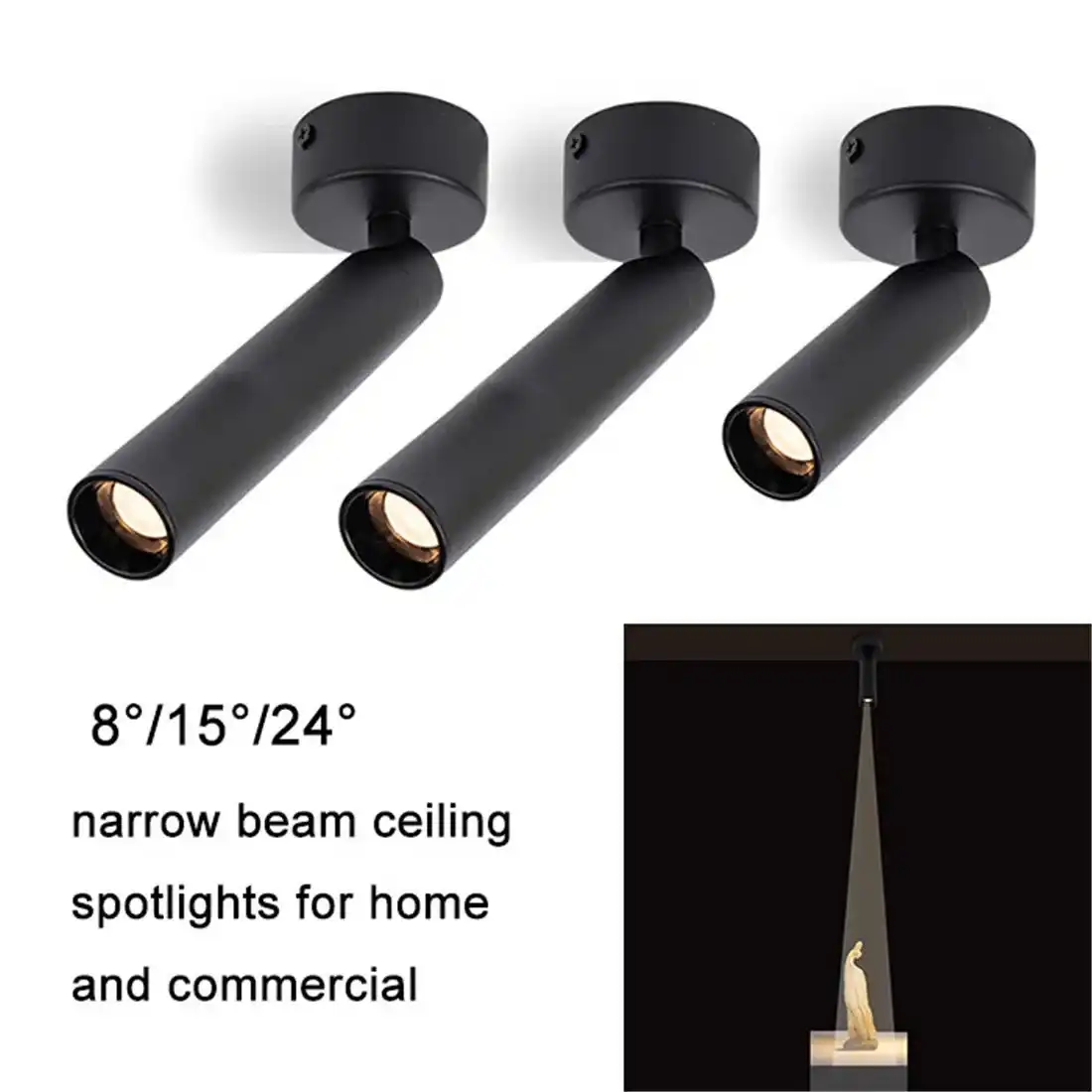
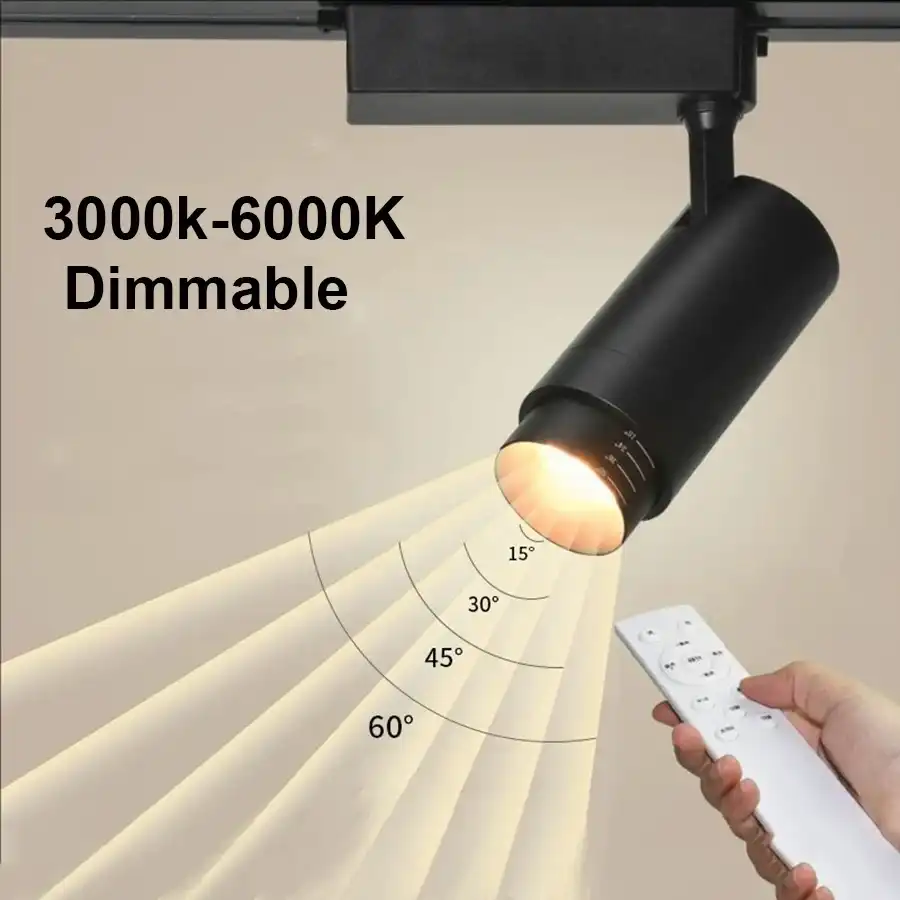
Commercial lighting projects often need more than one type of product, like track lighting and pretty table lamps for halls and guest rooms. If you judge a seller by the goods they sell, you can be sure that they can meet a lot of different needs in one partnership. This simplifies the process of handling sellers and makes it easier to buy things.
Quality Certifications and Compliance Standards
To be accepted in the global lighting business, providers need to have licenses that allow them to work in different countries. RoHS compliance for safety around the environment, CE marking for sales in Europe, and UL grade for use in North America are some important licenses. There are strong quality control measures in place for these providers, and they know what the rules are for each market.
Most of the time, premium sellers have more names than just basic ones. They might be DLC approved for programs that save energy or ISO 9001 certified for systems that handle quality, for instance. These more advanced licenses show that a seller is committed to ongoing success and growth. You can be sure that the goods and services you buy will do what they say they will do.
Pricing Structure and Value Proposition
To find reasonable prices, you shouldn't just compare unit prices; you should also look at the total value that is offered. Prices from suppliers who are clear, offer big discounts for large orders, and have clear terms for customization services are more valuable in the long run than prices from suppliers who are not clear. Business people who buy things can make more accurate budgets and find ways to save money if they know how sellers set their prices.
There's more to the value deal than just the price of the item. It also tells you how long it lasts, how energy-efficient it is, what insurance it comes with, and how well it works after you buy it. Most of the time, LED lights are better than regular ones because they last longer and use less energy, even if they cost more at first.
How Do Different Table Lamp Types Influence Supplier Selection?
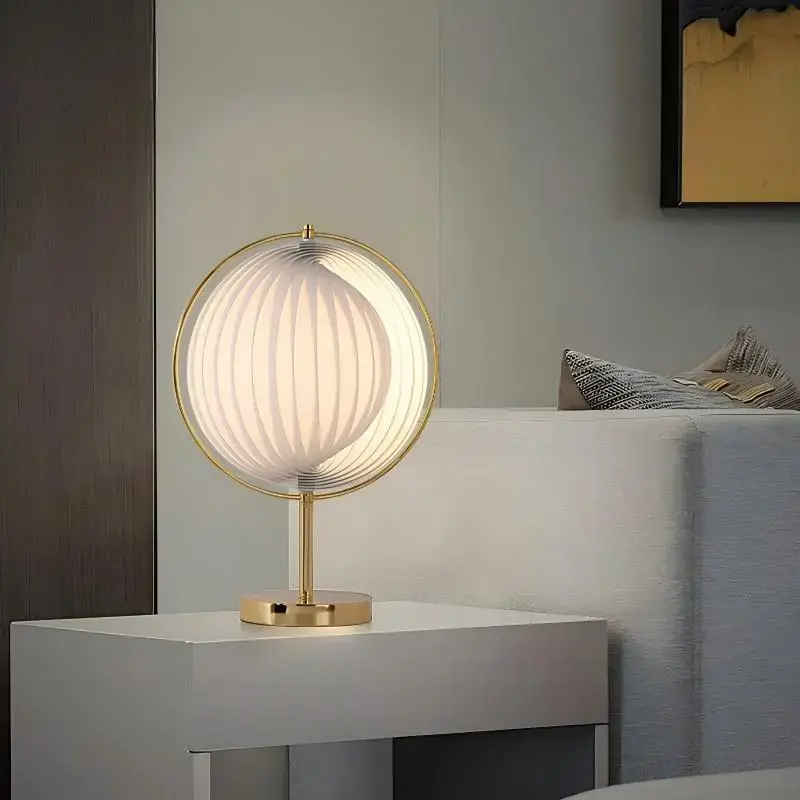
Today, table lamps come in a lot of different styles and technologies. This can be good and bad for people who are looking to buy. It is important to know how the skills of different lamp types compare to those of sellers in order to pick the right goods and work well with suppliers.
Energy Efficiency and Technology Options
There are many kinds of modern table lamps, from simple LED lights to high-tech smart lighting systems. Each type is more or less energy-efficient and has different features. Companies that care about the environment choose LED table lamps because they use less energy, which saves money and is better for the environment. When it comes to LED technology, suppliers generally have better customer service, more ways to customize their goods, and the know-how to make them work in the future.
There are still times when traditional incandescent and LED table lamps are useful because they give off warm light or can be turned down. The market, on the other hand, strongly prefers LED choices because they work better and last longer. In this rising market, suppliers that focus on LED technology are more likely to be creative and know a lot about technology.
Design Aesthetics and Brand Alignment
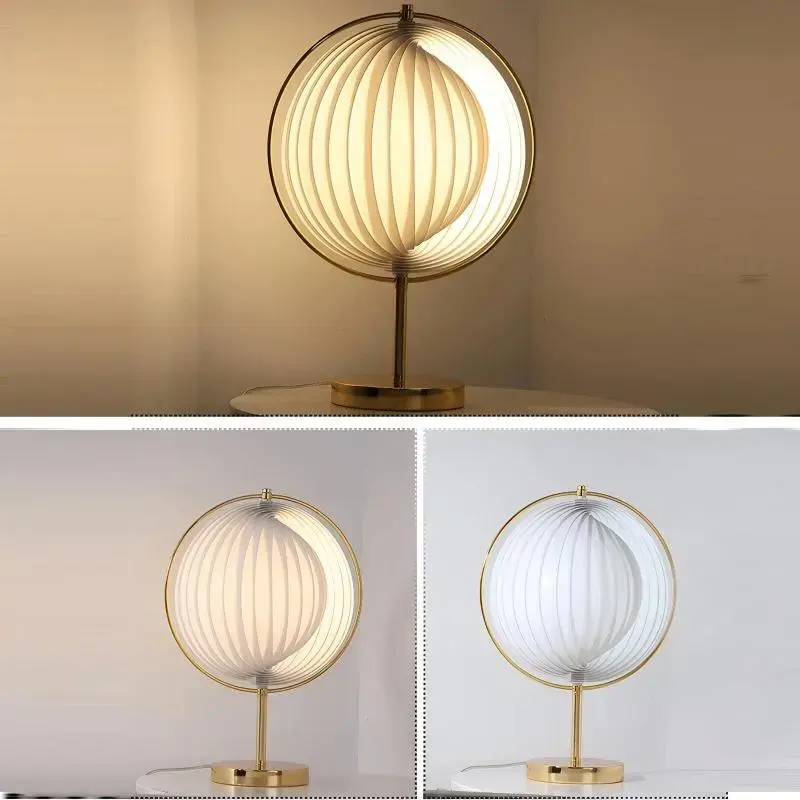
Think about how the table lamp fits with the style of your brand and the way you want the room to look when you buy it. Simple modern designs look good in modern offices. On the other hand, traditional or bright designs might look better in places like hotels and restaurants. If a company is good at design, they can often change how their products look to fit brand rules or meet aesthetic goals.
There are a lot of different styles, materials, and shapes to choose from from one source to the next. When a company has its own design team or works with well-known designers, it usually has more options and can make changes more quickly. This function is great for projects that need lighting solutions that are unique or brand-related.
Functional Features and Smart Technology
More and more high-tech features are being added to modern table lamps to make them easier to use and more efficient. Many places of business now expect devices to have USB charging plugs, wireless charging pads, and lighting controls that can be changed. People who make things that meet changing market needs are better suppliers in the long run. This is because they keep up with changes in technology and consumer tastes.
Adding smart lights to business table lamps is a big area where they can grow. For features like app-based control, occupancy tracking, and interacting with building management systems, you need service providers who know how to use the right technology and can offer ongoing support. One way to make sure that smart lighting technology is used correctly and can be expanded in the future is to find out how much the provider knows about it.
What Questions Should You Ask to Verify Supplier Reliability and Product Quality?
It's safer to buy from a provider you've carefully researched, and it also makes sure the job goes smoothly. You can learn a lot about the supplier's skills, trustworthiness, and willingness to be a long-term business partner by asking the right questions during the review process.
Manufacturing and Quality Control Processes
If you know how a source makes things, you can figure out how reliable their quality is and how much they can make. Factory licenses, quality control methods, testing schedules, and the ability to make more of the product are all important things to look into. When a supplier's factories are ISO-certified and their quality control systems are written down, the quality of their products and delivery times are more likely to be consistent.
You can tell how dedicated a seller is to quality by asking for detailed information about how they test, where they check for quality, and how often defects happen. People who you can trust should be honest about the quality standards they have and be ready to show proof that they have passed tests and gotten the right licenses.
Production Capacity and Lead Times
If you have a good idea of how much a supplier can make, you can be sure that they can meet your shipping times and number needs. As part of this evaluation, you should find out how much is being made right now, how much room there is for new sales, how well the business can grow in the future, and how long the lead times are for both standard and custom goods. When wholesalers are full or almost full, it can be hard for them to handle large orders or orders that need to be done quickly.
For wait times to work, they need to match up with project plans and store needs. Companies that have established supply lines, keep enough raw materials on hand, and use efficient production methods can usually offer more stable delivery times and are better able to adapt to changing needs.
Financial Stability and Business Continuity
There are problems that happen when a business fails or processes have problems. If you check a supplier's financial health, you can avoid those problems. Many times, you can't get exact financial information. But you can get a sense of how stable the business is by finding out how long it's been open, who owns the building, how many workers it has, and how many customers it has. If a supplier has kept their business going during bad economic times, that shows they are stable and can handle hard times.
People who have already used a business can give you great recommendations about how well they do their job, how steady they are, and how good their service is. To find out if the seller is telling the truth, you can call their references and ask specific questions about the shipping time, the quality of the product, and how any problems were fixed.
How to Ensure Energy Efficiency and Sustainability in Your Lighting Procurement?
People want to be good to the environment and save money on running costs, so sustainability is becoming more important when they buy lights. When a business picks service providers that focus on using less energy and being kind to the earth, it helps the business reach its own sustainability goals and saves money at the same time.
Energy Performance Standards and Certifications
LED lighting usually saves between 60 and 80% more energy than incandescent lighting, but traditional lighting types use more energy. Some good ways to compare how efficient different LED table lamp brands are to look at their brightness per watt, power usage, and energy certificates. With Energy Star and other similar programs, you can be sure that what the company says is true and that their products meet well-known energy saving standards.
Not only do modern LED products use very little energy, but they also have extra features that make even better use of energy, such as tracking when they are being used, catching sun, and letting you change the settings. The fact that these technologies are used by sellers in their goods shows that they want to be as cost-effective as possible.
Environmental Impact and Material Sustainability
Sustainable lighting shopping takes into account more than just how much energy a light uses. It also considers how the light is made, what it is made of, and how it will be thrown away when it is no longer needed. They help the circle economy and the environment when they use recovered materials, handle trash less, and make things that can be returned. Goods that follow RoHS rules don't have any dangerous materials in them that could make them hard to get rid of.
Data from providers on lifecycle assessments helps us figure out how lighting products impact the world as a whole. These assessments look at things like the energy needed to make the products, the pollution caused by shipping, how well they work, and how they are thrown away. Suppliers who give a lot of information about sustainability help businesses meet the requirements for environmental reports and opt for better products to buy.
Long-Term Cost Analysis and ROI
Most of the time, LED lights cost more up front than regular lights, but they save you a lot of money over time because they use less energy and last longer. Cost studies should look at more than just the product's price. They should also look at how much it costs to install, how much energy it uses, how often it needs to be serviced, and how long they think it will last.
Even if they cost a lot at first, high-quality LED things are often better when you look at their total cost of ownership. Offer detailed cost analysis tools and lifetime cost estimates from suppliers. This helps procurement workers show that investments in lighting solutions that use less energy are worth it to the people who count in the company.
What Do Modern Smart Lighting Features Mean for B2B Buyers?
Smart lighting is a new trend in the business lighting market that is changing quickly. It has more features, uses less energy, and can be integrated in ways that serve present goals for building management. When people who work in procurement know about these technologies and what they mean, they can make better decisions about where to spend in smart lights.
Connectivity and Integration Capabilities
Smart table lamp systems today can connect to building control systems and Internet of Things (IoT) platforms using Wi-Fi, Bluetooth, Zigbee, and other private protocols. When you choose a connecting technology, it impacts how well the system works with existing systems, how big it can get, and how durable it is. When suppliers give you more than one way to join, you have more options for how to set up your system and how to grow it in the future.
Integration features let you do more than just turn the light on and off. You can also lower the brightness, change the color temperature, check to see if someone is in the room, and track how much energy is being used. These high-tech features allow for smarter ways to control lights that make people feel better and use less energy. Testing how well a seller can integrate smart lights is a good way to make sure the work goes well and that you get help after the fact.
User Experience and Control Interfaces
Smart lighting systems need to find a balance between advanced features and user-friendliness in order to be popular and successful. A lot of what makes people happy and how much they use a system is easy-to-use control tools, such as voice control systems, wall-mounted panels, or mobile apps. When suppliers put user experience design first, the product generally gets more users and is put into use more easily.
Customizing them lets businesses change the lighting settings to suit their needs and the tastes of their customers. Setting times, being able to program settings, and having separate accounts for each user all make the product more useful and make customers happy. When suppliers are good at making software, they can often keep it up to date and add new features that make it more valuable over time.
Future-Proofing and Technology Evolution
It is important to think about how to make sure that the seller will still be around in the future since smart lighting technology changes so fast. Suppliers that keep up research and development programs, help set industry standards, and offer regular software changes help make sure that tech purchases don't go to waste. If you know your supplier's technology plan and change policies, your money will be well spent on smart lights in the long run.
When you buy smart lights, you should also think about how scalable they are. Things that can grow with your wants are more useful in the long run than things that can't. This is because systems that can adapt to new technologies and user needs can be added to systems that can grow with you. Business can grow and meet new needs with the help of suppliers who make systems that can be improved and show them how to do so.
USKYLED: Your Trusted Partner for Premium LED Lighting Solutions
Businesses in the industrial, commercial, and recreation sectors have been able to get high-quality lights from USKYLED for many years. We sell a lot of different things, from energy-efficient table lamps to cutting-edge smart lighting systems and unique solutions that can be made to fit any project needs while still being of the best quality.
Advanced Technology and Superior Performance
Our items have high CRI numbers (90+), which means that colors will be shown correctly anywhere. The fact that they don't flash also makes people feel better and helps them get work done. With our commitment to energy efficiency, businesses can meet their sustainability goals and save money at the same time. Smart control support makes it easy to connect to existing building management systems.
The current LED technology we use in our table lamp collections makes them work very well. For example, they last longer, which means they need less maintenance and replacement costs. Because of these technical advantages, the total cost of ownership is lower and the value is higher for procurement workers who want lighting choices that are stable and work well.
Customization and OEM/ODM Services
We at USKYLED can make designs that are unique for each customer because we are an OEM/ODM company. These designs can be for anything from a table lamp to a whole lighting system. Customers and our tech team work together to make sure that the products they buy meet all of their needs. We do this while still maintaining our high quality standards and low prices.
As part of custom solutions, things can be changed in how they look, made to work better, and given different naming choices that match the organization's name and the application's needs. USKYLED is a great partner for companies that need unique lighting choices or private label products for stores to sell because it can be changed to fit their needs.
Quality Assurance and Reliability Commitment
We have strict quality assurance methods that make sure all of our goods work well and can be trusted. This helps us stand out. As part of our quality control systems, we test our products thoroughly, make sure they meet the requirements for approval, and keep improving them so that they always meet the greatest standards of quality.
Good supply chain management makes sure that goods are brought on time and are always on hand, so they can be used for both planned setups and repairs that need to be made right away. Our transportation services and inventory management systems make it easy for procurement workers to finish projects and keep things going smoothly.
Conclusion
Aside from price, there are other things that you should carefully think about when picking the right lighting service. Good service, high-quality products, the ability to make things, and a commitment to sustainability are all things that make a seller valuable and help a relationship last. When procurement staff are smart and ask the right questions about a supplier's skills, they set their companies up for lighting purchases that work well and last a long time.
Partner with USKYLED for Your Lighting Procurement Success
To help you buy the right lights, USKYLED has a lot of high-performance LED choices and is ready to give you expert advice. Professionals in buying know they can count on our team for reliable service and technical knowledge, whether they need groups of energy-efficient table lamps for offices or whole smart lighting systems for new buildings. Send us an email at sales@uskyled.com to talk about your specific needs and find out how our table lamp-making skills can greatly assist your next project.
References
1. Chen, Michael. "Strategic Supplier Evaluation in Commercial Lighting Procurement." Journal of Industrial Procurement, vol. 45, no. 3, 2023, pp. 78-92.
2. Rodriguez, Sarah. "Energy Efficiency Standards and LED Technology Assessment for B2B Buyers." Lighting Industry Quarterly, no. 127, 2023, pp. 34-48.
3. Thompson, David. "Smart Lighting Integration in Commercial Facilities: A Procurement Guide." Building Technology Review, vol. 28, no. 2, 2023, pp. 156-171.
4. Anderson, Jennifer. "Quality Assurance and Certification Requirements for International Lighting Suppliers." Global Trade Standards Journal, vol. 19, no. 4, 2023, pp. 203-218.
5. Williams, Robert. "Sustainability Considerations in Modern Lighting Procurement Strategies." Environmental Business Practices, vol. 31, no. 1, 2024, pp. 89-105.
6. Kumar, Priya. "Cost Analysis and ROI Optimization for LED Lighting Investments in Commercial Applications." Facilities Management Economics, vol. 22, no. 3, 2023, pp. 67-84.


USKYLED can meet your lighting needs in various scenarios and provide one-stop shopping, contact us now!
Why You Should Choose USKYLED?
![What is Dimmable Track Lighting for Museum: Best Guide [2025]](/icms/upload/0d08cc601e7611f0b542b3ca0c0f4a83/pic/knowledgemanager-knowledgepic/e7879f32605f11f081911f363b8c1ed0/Directory/20250717 dimmable track lighting -1(1)_1752739217941.webp)