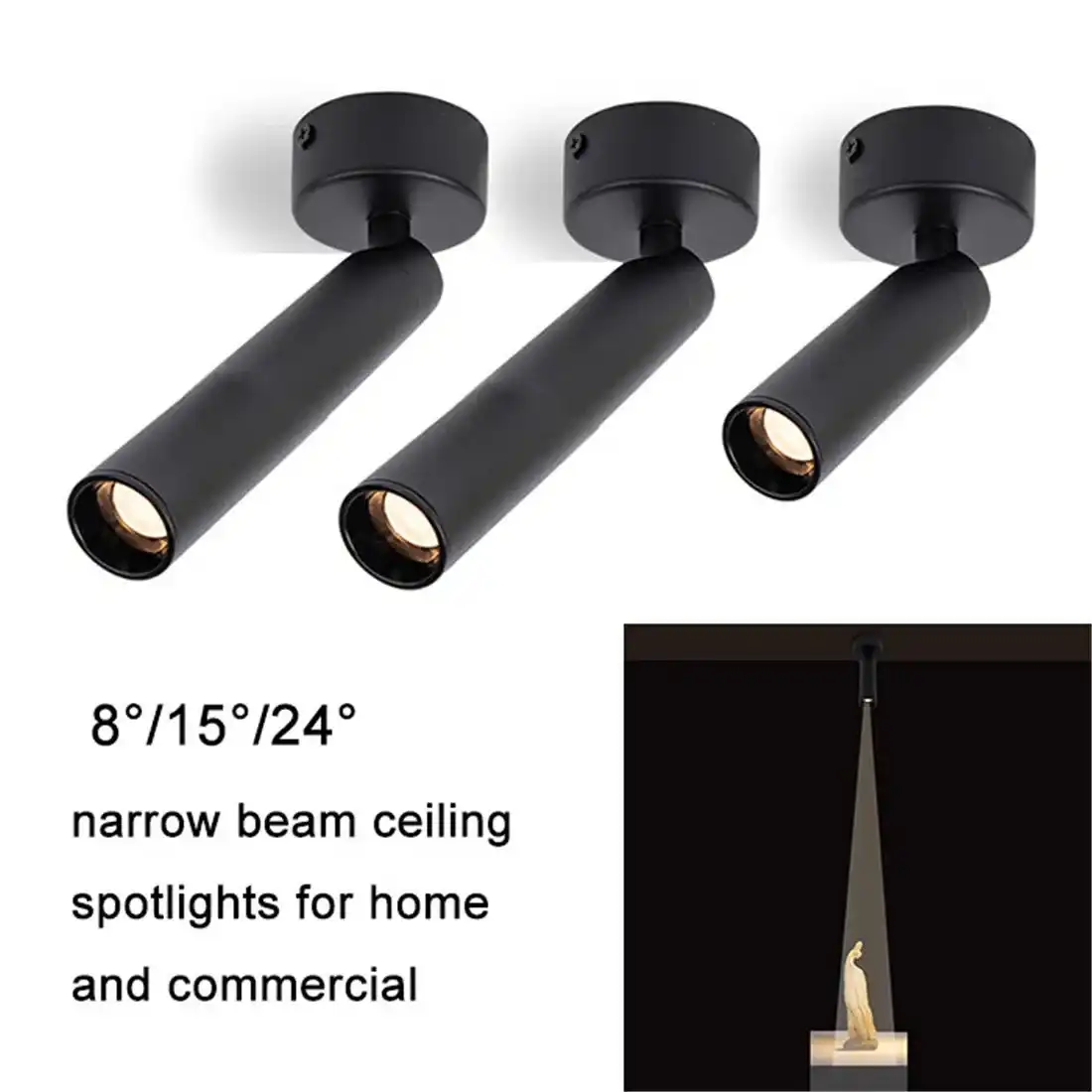
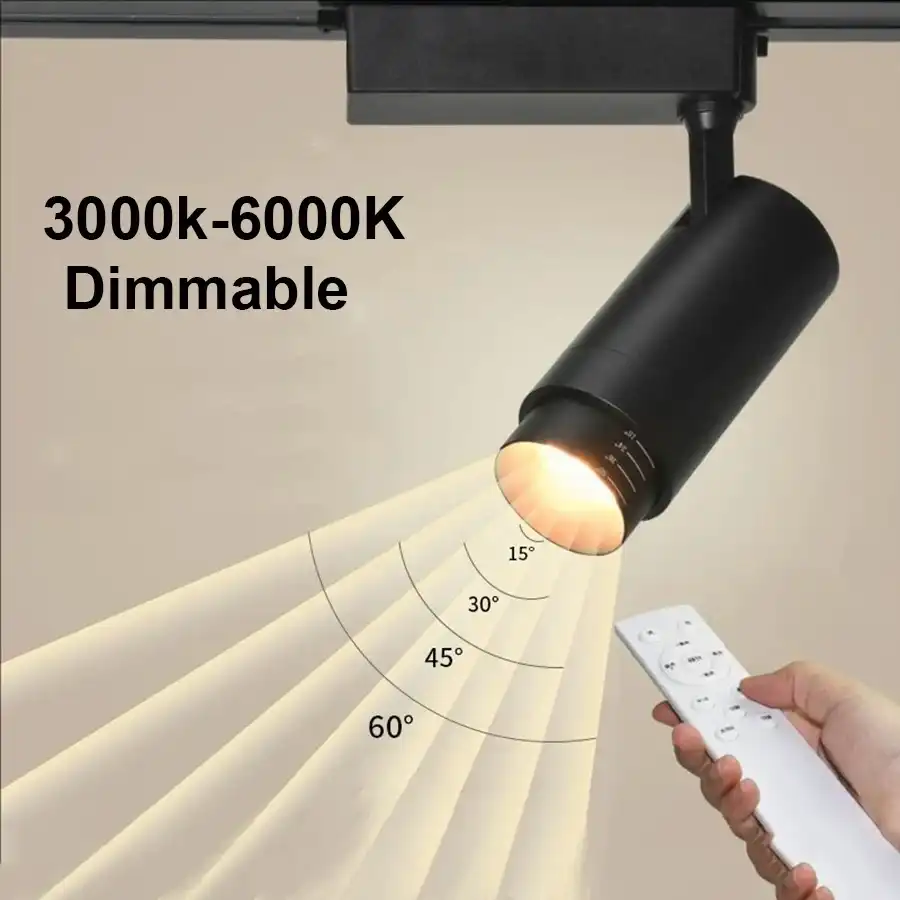
Recessed Spotlights China vs. UK: Manufacturing Differences
When buying recessed spotlights for business projects, procurement workers have to make a tough choice between makers in China and the UK. The Chinese are great at mass production because they can find cost-effective solutions and make changes quickly. UK makers, on the other hand, focus on high quality, unique designs, and integrating modern LED technology. Knowing about these changes in production helps buyers make sure that their sourcing plans match the needs of the project, their budget, and their quality standards.
Manufacturing Landscape Overview: Two Distinct Production Paradigms
China's Volume-Driven Production Excellence
China has become the world's biggest manufacturer of hidden lighting products, taking advantage of economies of scale that help people who buy in bulk. Competitive pricing is possible because Chinese makers use high-tech production lines that can make millions of pieces every year. The industrial environment includes everything from making LED chips to putting them together in the end. This is called vertical integration, and it has benefits like lower costs and better control over the supply chain.
Chinese production methods are very flexible, so they can quickly change to meet the needs of the market. Without having to pay a lot of money for setup, production centers can quickly change specifications, color temperatures, and add unique features. This flexibility is especially helpful for OEM and ODM partnerships, where buyers need to make changes to fit their local markets.
UK's Heritage Craftsmanship and Precision Engineering
When making recessed spotlights, UK makers have a very different way of thinking. They focus on accurate engineering and traditional workmanship. British factories usually make things on a smaller scale, but they put a lot of money into quality control systems and more advanced testing methods. At every step of the manufacturing process, from choosing the first parts to checking the finished product, there are strict quality checks.
UK factories are great at making new lighting technologies, especially ones that combine smart lights and make the best use of energy. To improve LED efficiency, thermal management, and control systems, British makers often work with research institutions and technology partners. This method, which is based on study, leads to products that often work better than expected and have cutting-edge features.

Product Design and Feature Innovation Approaches
Chinese Manufacturing: Customization and Adaptability
Chinese makers put a high value on design freedom to meet the needs of a wide range of global markets. The process of making a product focuses on flexible design ideas that let buyers choose different features like beam angles, color temperatures, dimming options, and house materials. This ability to be customized also includes IP ratings. For example, many Chinese suppliers offer waterproof versions with IP65 or IP67 ratings that are good for harsh settings.
The design theory is based on making things that work well and saving money as much as possible. Chinese engineers are very good at value engineering, which means they can keep important performance traits while looking for ways to cut costs. This method lets you get low prices on large orders while still meeting safety and performance standards around the world. A lot of Chinese makers keep large libraries of parts, which lets them make prototypes quickly and give customers short lead times for custom setups.
UK Design Philosophy: Architectural Integration and Innovation
Manufacturers in the UK look at product design from the point of view of architecture, making recessed spotlights that fit in perfectly with ideas for building design. British designers put a lot of effort into making things look good. They do this by making things with slim profiles, clean lines, and high-end finishes that can be used in both high-end business and domestic settings. Architects and lighting designers are often involved in the design process to make sure that goods follow the latest design trends.
New ideas in UK industry are mostly about making things work better and giving users a better experience. A lot of money is being spent by British businesses to develop smart lighting features like wireless control systems, adaptable lighting algorithms, and systems that can connect to building management systems. Energy economy gets a lot of attention, and many goods in the UK have better lumens-per-watt performance and longer useful lives.
Comparative Technical Specifications
Product specs make clear differences between the ways that products are made. When it comes to specifications, Chinese recessed spotlights tend to cover a wide range of uses, while UK goods tend to focus on specific performance standards. Chinese makers often offer more than one CRI level (80, 90, 95+) within the same product lines. UK manufacturers, on the other hand, may make their choices all have the same high CRI level.
Thermal control is another thing that sets them apart. Advanced heat dissipation methods and high-quality materials are often used by UK makers. On the other hand, Chinese sellers try to balance thermal performance with cost. Both methods work reliably, but thermal design changes how long a product lasts and how consistently it performs over time.
Cost Analysis and Strategic Procurement Considerations
Understanding Total Cost of Ownership
To make decisions about purchases, you need to look at all the costs, not just the original buy prices. When compared to UK options, Chinese recessed spotlights usually have 30–50% lower unit costs. This makes them a good choice for big jobs with limited funds. But when figuring out the total cost, you have to look at how much energy it uses, how often it needs to be maintained, and how long the guarantee lasts.
UK goods usually have higher prices because they are made with more specialized methods, better materials, and stricter quality control. Most of the time, the higher original investment leads to better energy efficiency, longer operating life, and lower maintenance costs. Even though they cost more up front, UK goods may have better total cost performance for projects that want long-term operating efficiency and little maintenance.
Supply Chain and Logistics Considerations
The dynamics of the supply chain have a big effect on buying tactics. Shipping costs from Chinese manufacturers are usually affordable for big orders, but lead times can go up by 4 to 8 weeks based on how customized the product needs to be and how demand changes with the seasons. Import taxes, customs clearance, and quality inspections make buying things from China outside of China more difficult.
UK providers usually have faster lead times (two to four weeks) and more reliable delivery plans, which is helpful for projects that need to be installed quickly. European distribution networks make it easy to move things between projects in Europe and North America, but shipping costs may be higher for large amounts compared to buying directly from China.
Risk Management and Supplier Relationships
To do buying right, you need to carefully evaluate risks and handle your relationships with suppliers. Chinese providers often do a great job with volume and price flexibility, but it can be hard to communicate with them, work with their time zones, and make sure that the quality of all big orders is the same. For Chinese sourcing relationships to work, it's important to set clear requirements, quality control methods, and review routines.
Most UK providers offer more direct ways to communicate, standardized quality assurance, and full expert support. Long-term ties with suppliers are safer because of the established business practices and regulatory system. Production capacity limits, on the other hand, may make it harder to meet very big orders or needs for fast scaling.

Compliance, Safety, and Warranty Frameworks
International Certification Standards
International safety and efficiency standards must be met by both Chinese and UK producers, but they do so in very different ways. To serve a wide range of global markets, Chinese makers usually go for a lot of different certifications, such as CE, UL, RoHS, and DLC approvals for a wide range of products. As part of the licensing process, meeting the bare minimum of standards quickly and cheaply is often emphasized.
Manufacturers in the UK often go above and beyond what is required for basic approval by adding extra testing procedures and higher safety margins. A lot of British businesses try to get volunteer standards and premium certificates that show they perform better than others. The thorough paperwork and tracking systems make it easy for foreign projects to follow the rules.
Warranty and After-Sales Support
Different business ideas and operating skills show up in warranty policies. Chinese providers often offer cheap warranty terms (3-5 years) and help plans that focus on replacement. Because they can make a lot of units at once, they can meet warranties more cheaply by sending new units instead of repair services. Most of the time, technical help is handled by foreign sales teams and distributors.
Manufacturers in the UK usually offer full warranties that last between 5 and 7 years and come with clear instructions and direct expert help. Performance promises, photometric repair agreements, and quick expert support are all common parts of warranty frameworks. Local service skills allow for on-site help and unique solutions for installations that are more complicated.
Quality Assurance and Testing Protocols
Quality assurance methods show that there are big differences in how things are made. Statistical quality control systems that are good for high-volume production are usually used in Chinese factories. These systems include testing based on samples and automatic quality checks. Large production numbers make it possible to collect a lot of quality data and keep improving the process.
Comprehensive unit testing and individual product validation methods are often used by producers in the UK. The thorough quality records and tracking systems help with high-reliability uses and high-end market groups. Advanced testing facilities make it possible to do more than just the usual aging studies, photometric validation, and outdoor stress tests.
Strategic Recommendations for Informed Sourcing Decisions
Aligning Procurement Strategy with Project Requirements
To successfully purchase recessed spotlights, production skills must be carefully matched with project-specific needs. Large business projects, store chains, and industrial sites often benefit from the cost-effectiveness, customization, and volume capacity of Chinese manufacturing. Chinese providers are appealing for projects where lowering costs is the main factor in decision-making because they can meet exact needs and offer cheap prices.
The design sophistication, technical innovation, and wide range of support services offered by UK makers may be appreciated in high-end architectural projects, high-end home developments, and specialized uses. UK makers' technical know-how and willingness to work together are helpful for projects that need a lot of customization, fast prototyping, or complicated integration with building systems.
Emerging Technology Trends and Future Considerations
The lighting business keeps changing as it moves toward using smart technology, saving energy, and making products in a way that doesn't harm the environment. Chinese producers are very quick to adapt to new technologies and quickly increase output to meet the needs of new markets. The large ecosystem of components and the production facilities allow for quick innovation processes and the cost-effective use of new technologies.
UK makers are often at the forefront of new product development, especially when it comes to advanced control systems, lighting uses that focus on people, and high-performance features. The study partnerships and engineering know-how make it possible to create breakthrough technologies, though it may take longer to bring them to market than when China uses tried-and-true technologies.
Building Long-Term Supplier Partnerships
To be successful at sustainable buying, you need to build strong ties with your suppliers instead of just doing business with them. Chinese sellers offer better prices, faster production schedules, and better customization help in exchange for long-term contracts and large orders. Setting clear standards for quality and communication makes it possible for people from different cultures and locations to work together successfully.
UK suppliers often want to work together with other companies to come up with new technologies, grow their markets, and help both companies grow. The relationship-driven method helps with making custom products, adapting them to fit specific markets, and providing full expert support throughout the entire project lifecycle. Companies that need to keep coming up with new ideas and improving their technology can get a lot out of investing in these partnerships.

Conclusion
The decision between recessed spotlights manufacturer in China and the UK comes down to the needs of the project, the priorities of the buying process, and the company's long-term goals. Chinese makers are great at making a lot of things quickly and cheaply, and they can make a lot of changes to the products you buy. This makes them perfect for big projects that need to be flexible and get good prices. UK manufacturers give high-quality products with new designs and full expert support. These are good for projects where long-term value and performance excellence are worth the extra cost. To be successful at buying, you need to look at more than just the initial purchase price. You need to think about the total cost of ownership, the supply chain, and how well the product fits with the needs of the project.
FAQ
What are the main quality differences between Chinese and UK recessed spotlights?
When Chinese makers work to meet foreign standards, they usually try to do so quickly and cheaply, but quality varies a lot between suppliers. Manufacturers in the UK often go above and beyond the minimum requirements, using high-quality parts and thorough quality control systems that give products consistently better performance and longer useful lives.
How do lead times compare between Chinese and UK suppliers?
UK suppliers usually have faster lead times (two to four weeks) and more reliable delivery plans, while Chinese makers need four to eight weeks, based on how customized the product needs to be and how many orders are placed. Chinese sellers may experience changes in the seasons and delays in shipping that can affect when the goods are delivered.
Which option provides better customization capabilities?
Chinese makers are great at customizing because they give customers a lot of choices for changing specs, looks, and functions without charging a lot more. Customization options from UK manufacturers center on technology innovation and architectural integration. However, large changes may come with higher costs.
What are the warranty and support differences?
Manufacturers in the UK usually offer full warranties that last between 5 and 7 years and include direct expert help and lots of paperwork. Chinese suppliers usually offer affordable warranty terms (3-5 years) and replacement-focused customer service through foreign sales teams and wholesalers.
Partner with USKYLED for Premium Recessed Spotlight Solutions
USKYLED offers top-notch recessed spotlights for your projects by combining cutting-edge LED technology with smart manufacturing partnerships. Our large network of suppliers includes both Chinese and UK makers, so we can find the best sourcing options for your needs. Our team is here to help you through the whole buying process, whether you need cost-effective mass production or high-end architectural lights. You can talk to our experts about your recessed spotlights needs and find out how our relationships with manufacturers can help your next lighting project by emailing sales@uskyled.com.
References
1. LED Lighting Manufacturing Global Market Analysis Report 2024, International LED Industry Association
2. Comparative Study of European vs Asian LED Manufacturing Standards, Journal of Lighting Technology
3. Supply Chain Management in Commercial Lighting Procurement, Building Services Engineering Research Institute
4. Quality Assurance Protocols in International LED Manufacturing, Institute of Electrical Engineers
5. Cost Analysis Framework for Commercial Lighting Procurement, Construction Industry Research Board
6. Sustainability and Compliance in Global LED Manufacturing, Environmental Technology Research Council

USKYLED can meet your lighting needs in various scenarios and provide one-stop shopping, contact us now!

Why You Should Choose USKYLED?
![What is Dimmable Track Lighting for Museum: Best Guide [2025]](/icms/upload/0d08cc601e7611f0b542b3ca0c0f4a83/pic/knowledgemanager-knowledgepic/e7879f32605f11f081911f363b8c1ed0/Directory/20250717 dimmable track lighting -1(1)_1752739217941.webp)