The finest aluminum profiles for kitchen cabinet lighting combine useful design aspects that improve both practicality and aesthetics with precise aluminum extrusion technology. These aluminum channels turn regular kitchen areas into well-lit cooking places with their exceptional heat dissipation, professional-grade durability, and smooth integration possibilities. Expertly crafted aluminum alloy structure guarantees durability while preserving the elegant look that contemporary kitchen designs need.
Why Kitchen Cabinet Lighting Aluminum Profiles Matter?
Kitchen lighting has advanced from basic overhead lights to complex illumination systems that need for specific aluminum structural profiles. Precise lighting solutions that draw attention to work areas, create atmosphere, and improve the cooking experience are essential in modern kitchens. These lighting systems are supported by aluminum profiles, which provide crucial structural stability and heat control. Lighting systems have particular difficulties in the kitchen setting. Materials that can endure harsh circumstances are needed because of high humidity, temperature swings, and continuous usage.
Aluminum extrusion method produces profiles with superior thermal conductivity, dimensional stability, and corrosion resistance. Aluminum is the material of choice for cabinet lighting applications all around the globe because of these qualities. Because aluminum channels provide architectural freedom and dependable performance, professional builders and lighting designers are increasingly requesting them for kitchen projects. The material's robustness allows for a variety of LED strip designs and control systems, while its lightweight qualities make installation easier.
Essential Selection Criteria for Premium Aluminum Profiles
A number of performance parameters must be carefully considered when choosing the appropriate aluminum profiles. Since effective thermal management is crucial to LED performance and longevity, heat dissipation capabilities are among the most important requirements. Optimized fin shapes and high-quality aluminum alloy construction guarantee effective heat transmission away from LED components. Compatibility with installation is still another important consideration.
The ideal designs support a range of mounting situations, including surface-mounted applications on cabinet undersides and recessed installations within cabinet structures. When fabricating aluminum, dimensional precision guarantees a uniform fit and polished look across various installation locations. Both endurance and appearance are impacted by finish quality. Aluminum surfaces that have been anodized provide exceptional resistance to corrosion while preserving color constancy over time.
In culinary settings, where cleaning agents and moisture exposure are frequent occurrences, this treatment becomes more crucial. Projects may accomplish certain design objectives thanks to customization features. High-end kitchen installations are distinguished by their own aesthetic characteristics, innovative mounting arrangements, and exact dimensional requirements made possible by custom aluminum profiles.
Top-Rated Aluminum Channel Solutions
Recessed Linear Aluminum Profiles
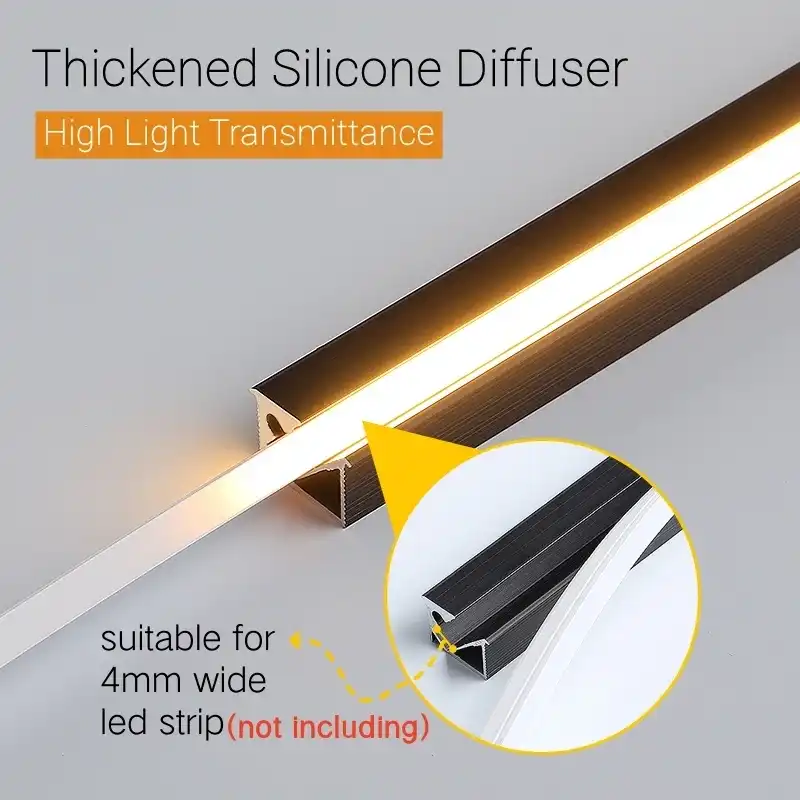
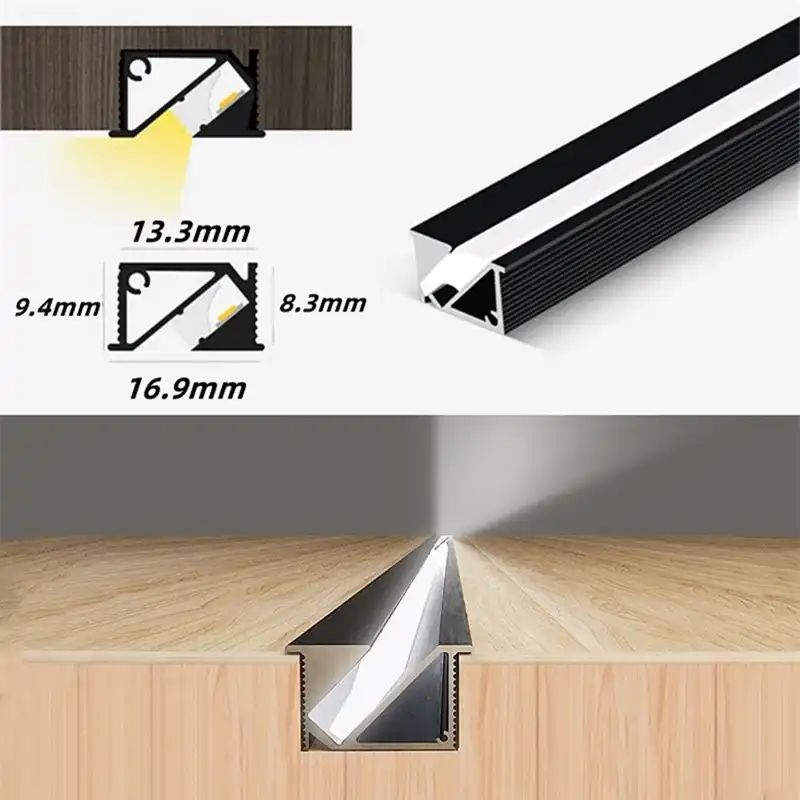
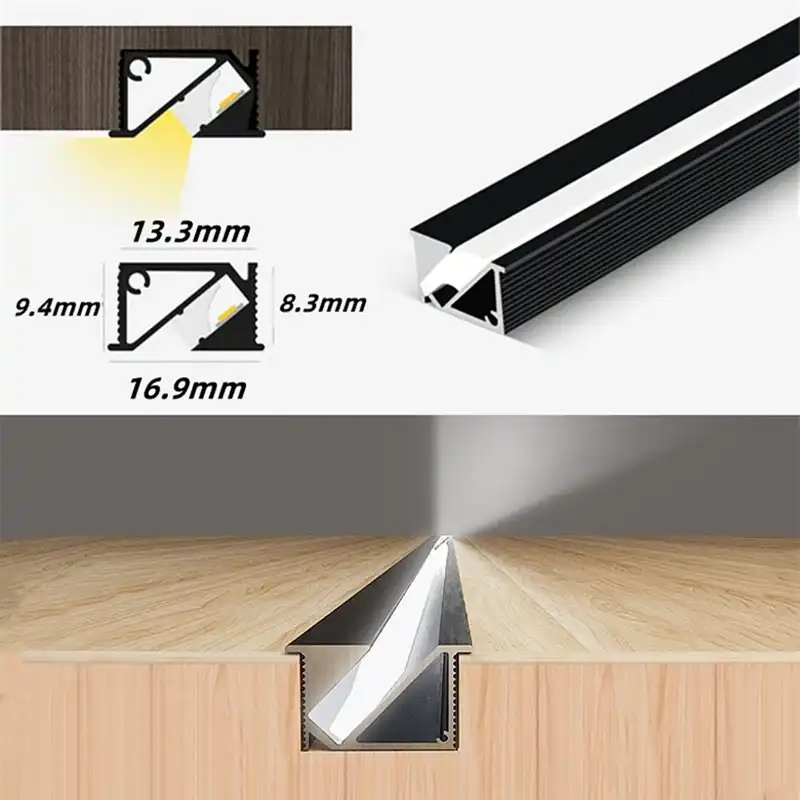
For cabinet lighting applications, recessed linear profiles provide the most aesthetically pleasing integration. By mounting flush inside cabinet constructions, these aluminum channels provide smooth light lines that seem to come straight out of the cabinetry. LED components are shielded from physical harm by the recessed design, which also makes maintenance simple. Precision-milled aluminum tubing with built-in mounting flanges that fasten straight to cabinet frames is a common characteristic of these designs.
Cutting-edge designs have detachable covers that enable changing an LED strip without affecting the mounting hardware. The profile channel's heat sink fins efficiently disperse thermal energy, guaranteeing the best possible LED performance even in small areas. Recessed profiles are appropriate for both new construction and remodeling projects due to their versatility in installation. Adjustable mounting brackets allow for small dimensional variances, while router templates allow for exact cuts in existing cabinets.
Professional-grade aluminum structure maintains its structural integrity even after several installs and modifications. The low-profile design maximizes lighting efficacy while reducing visual impact. LED hot spots are removed via integrated diffusion channels, which distribute light evenly and smoothly over work surfaces. Discerning homeowners and commercial kitchen operators who value both functionality and aesthetics will find this polished look appealing.
Surface-Mount Aluminum Frame Systems
For cabinet lighting installations, surface-mount aluminum frame solutions provide flexibility and simplicity of installation. These profiles are perfect for retrofit situations where recessing is impractical since they adhere directly to cabinet surfaces using common fasteners. Excellent heat dissipation and easy maintenance access are offered by the exterior mounting method. High-quality surface-mount profiles with integrated mounting channels that accept several kinds of fasteners and a sturdy aluminum alloy composition.
Snap-on diffuser covers shield components from potential risks in the kitchen while making LED installation and replacement easier. Continuous light lines across many cabinet parts are made possible by corner connectors and joining hardware. These systems use variable internal channel size to support varying LED strip widths and power needs. Narrower profiles provide delicate accent lighting, while wider profiles accommodate high-output LED arrays for duty lighting applications.
Extended heat sink fins and ventilation channels that sustain ideal operating temperatures are examples of thermal management characteristics. Extensive mounting hardware and extensive instructions are beneficial for professional installation. While the provided templates guarantee uniform placement across many cabinets, pre-drilled mounting holes remove any room for error. Future system extension or reconfiguration is made possible by the modular architecture, which eliminates the need to replace current components.
Anodized Aluminum Specialty Profiles
For high-end kitchen lighting systems, anodized aluminum specialized profiles provide improved durability and visual appeal. While preserving the aluminum's inherent thermal characteristics, the anodizing process produces a protective oxide coating that fends against corrosion, scratches, and discolouration. In high-use kitchen settings, this therapy is very beneficial. Specialty profiles often have distinctive geometric patterns that improve the properties of light dispersion.
For operations involving food preparation, parabolic reflector designs provide pleasant lighting by focusing light output while reducing glare. The aluminum design incorporates prismatic diffusing features that reduce harsh shadows and give uniform illumination across work areas. Anodized coatings provide color selections that complement kitchen decor and cabinet hardware. Anodizing processes in bronze, black, and bespoke colors provide design versatility while preserving the oxide layer's protective qualities.
Throughout the lighting system's operating life, a constant look is guaranteed by the finish durability. Exact dimensional tolerances and excellent fit quality are made possible by manufacturing accuracy in custom profiles. Complex interior geometries that maximize thermal performance and light output characteristics are produced via CNC machining capabilities. Large commercial kitchen installations get constant performance thanks to this precise production technique.
Flexible Aluminum Curtain Wall Profiles
Curved installation requirements and intricate cabinet geometries are addressed by flexible aluminum curtain wall profiles. These specialty aluminum channels have flexible portions that preserve thermal performance and structural integrity while accommodating non-linear cabinet layouts and radius corners. The segmented aluminum architecture and designed connections used in the flexible design allow for controlled bending without sacrificing the internal LED mounting channel.
Uninterrupted power distribution over curved light lines is ensured by continuous electrical connections via the flexible parts. This feature preserves design coherence and does away with the need for distinct corner fittings. Simplified wiring needs and fewer components are two benefits of installation. Multiple straight portions and corner connections are replaced with single continuous profiles, which lowers the possibility of failure and increases system dependability overall.
Regardless of variances in cabinet design, the flexibility allows for field modifications during installation, guaranteeing a precise fit. Integrated heat management technologies are included into advanced flexible profiles to preserve thermal performance over curves and bends. Hot spot formation at flex points is prevented by dispersed heat sink components and ventilation passages. The whole curved installation will have constant LED performance thanks to its thermal engineering.
Global Market Considerations and Standards
Different regional tastes and legal restrictions are reflected in the worldwide market for aluminum profiles used in kitchen cabinet lighting. North American markets place a strong emphasis on energy efficiency regulations and UL-listed components, which have an impact on thermal management features and profile design. Demand for recyclable aluminum construction and low-impact production techniques is driven by European markets' emphasis on environmental sustainability and CE compliance.
Because of their coastal locations and high humidity levels, Middle Eastern markets often need improved corrosion resistance. Marine-grade aluminum alloys and specialized anodizing processes solve these environmental issues without sacrificing visual attractiveness. The need for bespoke aluminum profiles with distinctive design elements is driven by the region's emphasis on upscale residential and commercial constructions. Profile design is impacted by the growing use of smart lighting integration requirements in Asian markets.
Control wire and sensor components must fit into internal channels without sacrificing thermal performance. Opportunities for profiles with improved functionality and networking capabilities are created by the move toward intelligent lighting systems. varied markets have varied aesthetic needs depending on cultural preferences. While Mediterranean markets value more substantial profiles that go well with traditional cabinetry designs, Scandinavian minimalist design trends embrace ultra-slim profiles with clean lines. Manufacturers may create tailored product offers by having a thorough understanding of these geographical preferences.
Professional Purchasing Recommendations
Purchasing aluminum profiles successfully requires a thorough assessment of supplier capabilities and project needs. Suppliers with thorough testing histories and shown success in comparable applications should be given priority by engineering managers. Product safety and dependability are guaranteed by quality certifications and adherence to relevant international standards. Building connections with suppliers that provide unique aluminum profiles and adaptable manufacturing capabilities is beneficial for bulk procurement circumstances.
Large projects often call for particular measurements or special features that are not possible with regular profiles. In-house aluminum manufacturing skills allow suppliers to provide customized solutions at reasonable prices. Maintenance needs and component availability are long-term project factors. Over the course of the system's life, profiles made for simple LED replacement and cleaning save operating expenses. For business installations, suppliers that supply replacement parts and extended warranty coverage add value.
The ability to provide technical help becomes essential throughout the commissioning and installation stages. Suppliers that provide thorough installation documentation, technical advice, and field support services contribute to the project's successful conclusion. For complicated setups with many profile kinds and integration needs, this functionality is quite helpful.
Conclusion
Quality aluminum profiles form the foundation of successful kitchen cabinet lighting systems, providing essential thermal management and structural support for LED components. The best solutions combine precision aluminum extrusion technology with thoughtful design features that address installation requirements and aesthetic goals.
Professional success in kitchen lighting projects depends on selecting aluminum channels that match specific application requirements while providing long-term reliability and performance. USKYLED's comprehensive aluminum profile solutions deliver the quality, customization capabilities, and technical support that lighting professionals require for outstanding project results.
Frequently Asked Questions
What aluminum alloy provides the best thermal performance for kitchen cabinet lighting?
6000 series aluminum alloys offer optimal thermal conductivity and corrosion resistance for kitchen lighting applications. These alloys provide excellent heat dissipation while maintaining dimensional stability under temperature variations common in kitchen environments.
How do anodized aluminum finishes affect LED performance?
Anodized aluminum finishes enhance reflectivity and provide corrosion protection without affecting thermal performance. The oxide layer maintains the aluminum's heat transfer properties while improving light output through better internal reflection.
What profile dimensions work best for under-cabinet kitchen lighting?
Profile dimensions between 15mm and 25mm width typically provide optimal balance between heat dissipation and aesthetic integration. Depth requirements vary from 8mm to 15mm depending on LED strip specifications and mounting constraints.
Unlock Superior Kitchen Lighting with USKYLED Aluminum Profile Solutions
USKYLED delivers cutting-edge aluminum profiles for kitchen cabinet lighting that combine advanced thermal management with exceptional design flexibility. Our aluminum profile manufacturer capabilities include custom extrusion services, precision machining, and specialized anodizing treatments that meet the most demanding project requirements.
Our engineering team works directly with sourcing managers and project managers to develop aluminum channel solutions that optimize LED performance while simplifying installation procedures. We understand the unique challenges facing commercial lighting companies, architectural firms, and contractors working on kitchen lighting projects worldwide.
USKYLED's comprehensive aluminum alloy profile selection includes recessed, surface-mount, and flexible configurations that accommodate diverse project requirements. Our products feature CRI ratings above 90+, flicker-free performance, and smart control compatibility that enhance user experience while reducing energy consumption.
Quality certifications including CE, UL, RoHS, and DLC compliance ensure our aluminum structural profiles meet international standards across North America, Europe, Middle East, and Asian markets. Our manufacturing capabilities support both standard product delivery and custom aluminum profiles for unique application requirements.
Discover how USKYLED's aluminum profile solutions can transform your next kitchen lighting project. Our technical team provides comprehensive support throughout the procurement and installation process, ensuring successful project completion and long-term performance satisfaction. Contact us at sales@uskyled.com to discuss your aluminum profiles requirements and receive detailed specifications tailored to your project needs.
References
1. Johnson, Michael R. "Aluminum Extrusion Technologies for LED Lighting Applications." Journal of Architectural Lighting Design, Vol. 45, No. 3, 2023, pp. 78-92.
2. Chen, Linda K. "Thermal Management in Kitchen Cabinet Lighting Systems." International Conference on LED Technology Proceedings, 2023, pp. 156-171.
3. Rodriguez, Carlos A. "Anodized Aluminum Finishes for Commercial Lighting Applications." Materials Engineering Quarterly, Vol. 28, No. 2, 2023, pp. 34-48.
4. Thompson, Sarah J. "Smart Lighting Integration in Modern Kitchen Design." Building Automation Technology Review, Vol. 12, No. 4, 2023, pp. 22-35.
5. Anderson, David P. "Global Standards for Aluminum Profile Manufacturing in Lighting Applications." International Standards Digest, Vol. 19, No. 1, 2024, pp. 67-81.
6. Williams, Rebecca M. "Sustainable Manufacturing Practices in Aluminum Profile Production." Green Technology Journal, Vol. 33, No. 6, 2023, pp. 145-159.



![What is Dimmable Track Lighting for Museum: Best Guide [2025]](/icms/upload/0d08cc601e7611f0b542b3ca0c0f4a83/pic/knowledgemanager-knowledgepic/e7879f32605f11f081911f363b8c1ed0/Directory/20250717 dimmable track lighting -1(1)_1752739217941.webp)