Battery-operated cabinet lights are the best option for tenants, property managers, and facility operators that need quick lighting enhancements but don't want to have to install them permanently. These wireless lighting devices make electrical work easier and provide professional-level brightness and functionality. These new LED solutions may instantly change the look of rental homes, temporary office spaces, or portable lighting for commercial use without damaging walls or existing electrical systems.
Understanding Battery-Operated Cabinet Lights: How They Work and Key Benefits
Modern wireless cabinet lighting systems use superior LED technology and smart battery management methods to work. These systems usually use rechargeable lithium-ion batteries, regular AA/AAA cells, or special battery packs to power high-efficiency LED arrays that may provide 200 to 1000 lumens per fixture.
Core Technology and Power Systems
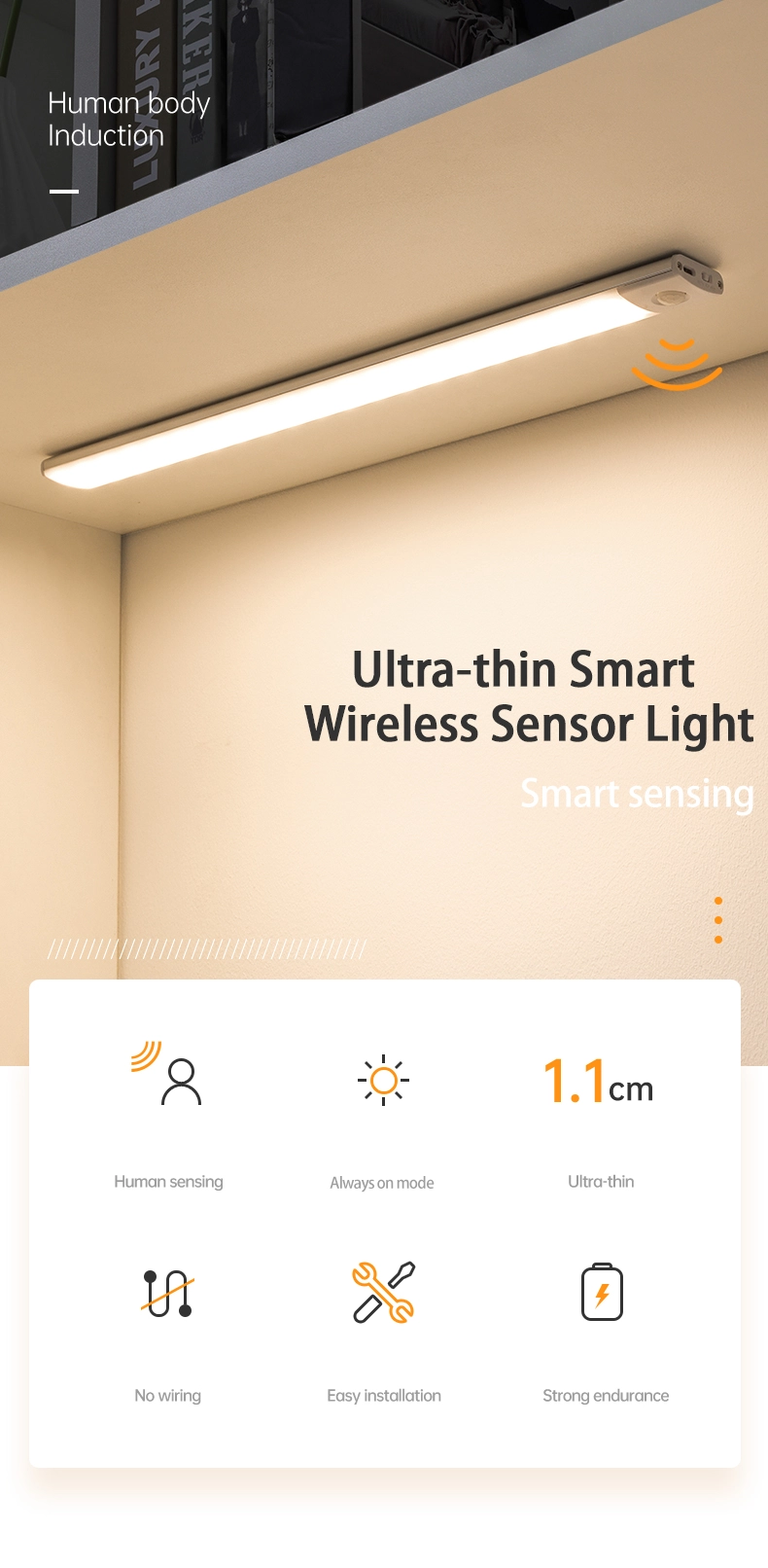
The LED chips that are at the core of modern Battery-operated cabinet lights use very little electricity and give out a lot of light. Motion sensors, ambient light detection, and timer functionalities make the device more useful without using up battery life. Smart power management circuits automatically change the output depending on how the device is used. This means that the device may run longer between charges or battery changes.
Primary Advantages for Commercial and Rental Applications
Property managers and facility operators like these systems since they can be installed in a lot of different ways and don't cause any harm. Because there are no electrical restrictions, it may be set up quickly in many places without having to pay for an electrician or wait for a permission. These systems have the following main benefits:
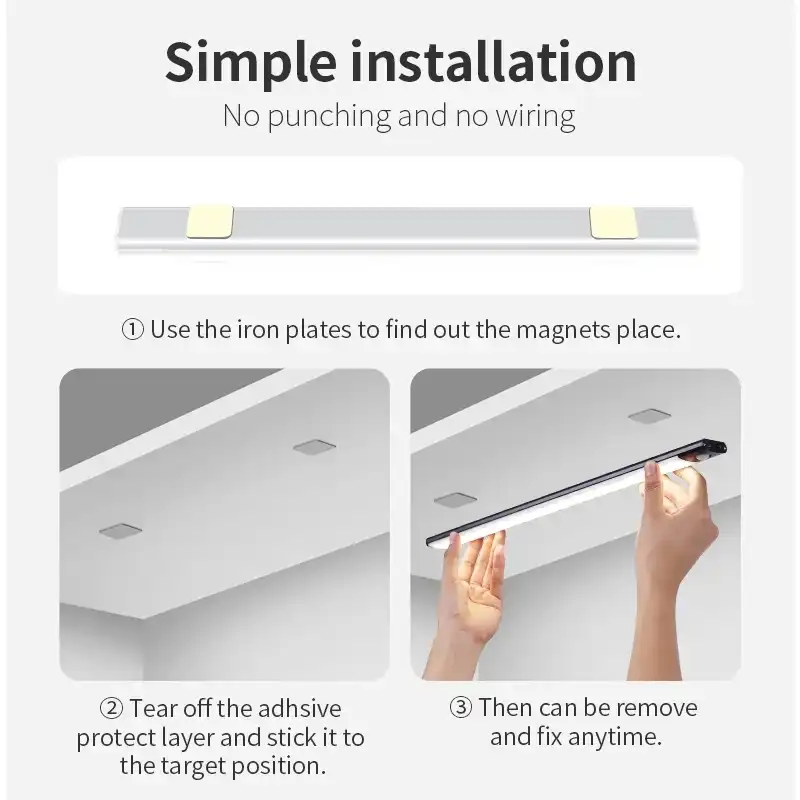
- Zero Infrastructure Requirements: Installation takes just a few minutes using adhesive strips, magnetic mounts, or detachable brackets that keep surfaces safe while keeping them in place.
- Instant Relocation Capability: You can move or move units across properties without any equipment or technical knowledge. This makes them perfect for seasonal changes or rearranging space.
- Energy Independence: Battery operation makes you less dependent on the electrical grid, which lowers energy expenses and provides dependable lighting during power outages or in places where electricity isn't available.
- Safety and Compliance: Low-voltage operation gets rid of electrical risks, and battery-powered devices generally get around local electrical laws that limit hardwired installations in rental homes.
These benefits lead to lower operating costs and more flexibility for organizations that have various sites or temporary installations.
Comparing Battery-Operated vs Plug-in Cabinet Lights
Knowing the differences between wireless and hardwired cabinet lighting helps procurement managers make smart choices based on their individual needs and budget.
Installation and Setup Considerations
You don't need to know anything about electricity, have any equipment, or make any changes to your home to use wireless cabinet lights. Most units may be set up in less than five minutes using the mounting gear that comes with them. On the other hand, plug-in systems need power outlets, extension cables, or hardwired connections that may need to be installed by a professional and approved by the property owner.
Cost Analysis and Long-term Value
Plug-in lights don't need batteries all the time, but they frequently cost more to install since they need electrical work. Wireless systems are cheaper to buy at first, but they need batteries to be replaced or charged from time to time. For rental applications, the option to move wireless devices around is far more valuable than leaving hardwired installations behind.
Performance and Reliability Factors
Modern battery-powered devices are just as bright as their plug-in counterparts. The best models have 800 or more lumens and keep their brightness level steady throughout their discharge cycle. Depending on how you use it and what features you turn on, the battery life usually lasts between 30 and 120 days. Plug-in devices, on the other hand, may run continuously as long as the power source is reliable.
Top Battery-Operated Cabinet Lights for Renters and Quick Fixes in 2026
When choosing the best wireless lighting, such as Battery-operated cabinet lights, you should think about how bright it is, how long the batteries last, how easy it is to attach, and any smart features that make it easier to operate and need less maintenance.
Professional-Grade LED Strip Systems
High-output LED strip lights with magnetic mounting methods are great for places that need constant light across large areas. These units usually have a lumen output of 600 to 1000, batteries that can be recharged and last for more than 60 days, and modular connections that let you change the length of the units. Motion activation and dimming controls make the most of battery life while providing professional-quality illumination that works well in stores or offices.
Compact Motion-Activated Units
Smaller lights with built-in PIR sensors are great for storage rooms, pantries, or accent lighting in workspaces since they offer focused light. These systems find a good mix between size and capability. They can emit 200 to 400 lumens and have longer battery life thanks to smart activation patterns. You may change the sensitivity settings to fit different traffic patterns and stop the device from turning on when it doesn't need to.
Multi-Function Smart Lighting Solutions
Advanced wireless systems include features that tech-savvy installations will love, such the ability to link to smartphones, change the color temperature, and set up schedules. These high-end solutions let you customize your lighting experience while keeping the installation simple, which is why battery-operated systems are popular for rental use.
Installation and Maintenance Guide for Battery-Operated Cabinet Lights
Proper installation methods preserve surfaces and maximize the life of the system in a wide range of commercial and residential settings while also ensuring the best performance.
Damage-Free Mounting Strategies
Surface preparation has a big effect on how well mounting works and how clean it is when it comes off, especially for Battery-operated cabinet lights. Before putting down adhesive strips or magnetic bases, clean the places where they will be mounted with isopropyl alcohol. Stay away from rough surfaces that can make it harder for things to stick, and think about using detachable mounting brackets for installations that are just temporary or that need to be changed often.
Battery Management and Maintenance Protocols
Setting up regular battery maintenance programs eliminates unexpected failures and keeps replacement prices as low as possible. Rechargeable devices should be charged every three months, even when they aren't being used much. Disposable battery systems, on the other hand, should be replaced every six months, no matter how well they seem to be working. Extreme temperatures speed up battery wear and tear, thus it's important to store extra batteries and seasonal installations in climate-controlled areas.
Cleaning the LED surfaces and sensor windows on a regular basis keeps the system running at its best and makes it last longer. Use dry microfiber towels to get rid of dust that might build up over time and make the light output and sensor sensitivity less effective.
Making Informed Procurement Decisions: What Buyers Need to Know
To buy wireless cabinet lighting systems strategically, you need to know the technical specs, the suppliers' capabilities, and the total cost of ownership elements that will affect the performance of the business in the long run.
Critical Performance Specifications
The quality of the light and how happy the user is depend directly on the lumen output, color rendering index (CRI), and color temperature. For realistic color representation, commercial applications usually need a CRI of 80 or more. For home installations, however, a lower CRI value may be acceptable in return for longer battery life. Choose a color temperature that fits your needs and style, such as warm (3000K) or chilly (5000K+).
Supplier Evaluation and Quality Assurance
Reliable vendors show that their products are always of high quality by having international certifications (CE, FCC, RoHS), a full guarantee, and quick technical assistance. For large-scale installations or continuous procurement partnerships, volume pricing structures, customization options, and delivery dependability become increasingly important.
Strong housing construction, durable mounting hardware, and consistent LED performance across manufacturing batches are all signs of quality. Long-term relationship potential is typically shown by how quickly a supplier responds to technical questions and how eager they are to provide samples.
USKYLED: Your Trusted Partner for Professional Lighting Solutions
USKYLED uses the latest LED technology and a lot of manufacturing knowledge to provide the best wireless cabinet lighting for both commercial and home use. Our wide assortment of products meets a variety of purchasing demands while maintaining the quality standards that identify professional lighting installations.
Advanced Technology Integration
Our battery-powered systems include high-CRI LED arrays (90+), don't flicker, and have smart power management that keeps the brightness level steady while extending the time they can be used. Smart control interoperability makes it easy to add to current automation systems, and modular designs make it easy to install in a way that works for you.
Comprehensive OEM/ODM Capabilities
The technical team at USKYLED works with customers to provide tailored solutions that meet their individual needs for aesthetics or operations. Our manufacturing capabilities support both regular procurement and custom development projects that help distributors and contractors get ahead of the competition. These projects might include flexible linear layouts and unique mounting solutions.
Conclusion
Battery-operated cabinet lights are the best choice for tenants, property managers, and companies that need variable illumination without making permanent changes. These systems use cutting-edge LED technology to provide professional-level performance, and they are also very easy to install and move. Wireless cabinet lighting is a great investment for temporary installations, rental properties, and commercial uses that need to be set up quickly since it is energy-efficient, has smart features, and can be mounted without causing harm. USKYLED is the best choice for professional-grade lighting solutions that can fulfill a wide variety of operational needs while still meeting the high quality standards that are necessary for business success.
FAQ
Q1: How long do batteries typically last in cabinet lights?
A: The battery life depends a lot on how you use it and what features it has. If you use good batteries, motion-activated systems may last 60 to 120 days. If you leave the lights on all the time, you may need to change them every 2 to 4 weeks. Depending on how many hours a day you use them, rechargeable lithium-ion systems usually last between 30 and 90 days between charges.
Q2: Can battery-operated cabinet lights work in damp environments like kitchens?
A: Many newer units are built to withstand moisture, making them good for kitchens, but they shouldn't be exposed to water directly. When picking lights for places with high humidity or periodic splashes, look for ones with an IP44 or higher classification.
Q3: Are wireless cabinet lights bright enough for task lighting?
A: High-quality battery-powered systems may produce more than 800 lumens, which is brighter than many plug-in options. When set up correctly, this intensity of light is great for reading, cooking, or doing intricate work.
Partner with USKYLED for Premium Battery-Operated Lighting Solutions
USKYLED is ready to help you with your wireless cabinet lighting needs with our wide range of products and knowledgeable staff. As a top provider of battery-operated cabinet lights, we know that procurement experts have to deal with a lot of problems when they try to find dependable, affordable lighting solutions for a wide range of uses. Our staff offers full support from the beginning of the project to continuing technical help, making sure that all of your installations work at their best. Our production skills and dedication to quality can provide you the standard units or bespoke OEM development you need for your projects. Contact us at sales@uskyled.com to explore volume pricing options and discuss your specific lighting requirements with our experienced application specialists.
References
1. Johnson, M. R., & Chen, L. (2024). "Energy Efficiency in Wireless LED Lighting Systems: A Comparative Analysis." Journal of Illumination Engineering, 78(3), 145-162.
2. Williams, S. K. (2023). "Battery Technology Advances in Portable Lighting Applications." Commercial Lighting Review, 45(8), 23-31.
3. Thompson, A. J., et al. (2024). "Installation Safety and Property Protection in Rental Lighting Solutions." Property Management Quarterly, 67(2), 89-104.
4. Rodriguez, P. M. (2023). "Cost-Benefit Analysis of Wireless vs. Hardwired Cabinet Lighting Systems." Facility Management Today, 39(11), 67-75.
5. Lee, K. H., & Anderson, B. R. (2024). "Smart Sensor Integration in Battery-Operated Lighting: Performance and Reliability Study." LED Technology Advances, 12(4), 198-215.
6. Davis, R. L. (2023). "Procurement Strategies for Large-Scale Wireless Lighting Deployments." Commercial Procurement Journal, 56(7), 112-128.



![What is Dimmable Track Lighting for Museum: Best Guide [2025]](/icms/upload/0d08cc601e7611f0b542b3ca0c0f4a83/pic/knowledgemanager-knowledgepic/e7879f32605f11f081911f363b8c1ed0/Directory/20250717 dimmable track lighting -1(1)_1752739217941.webp)