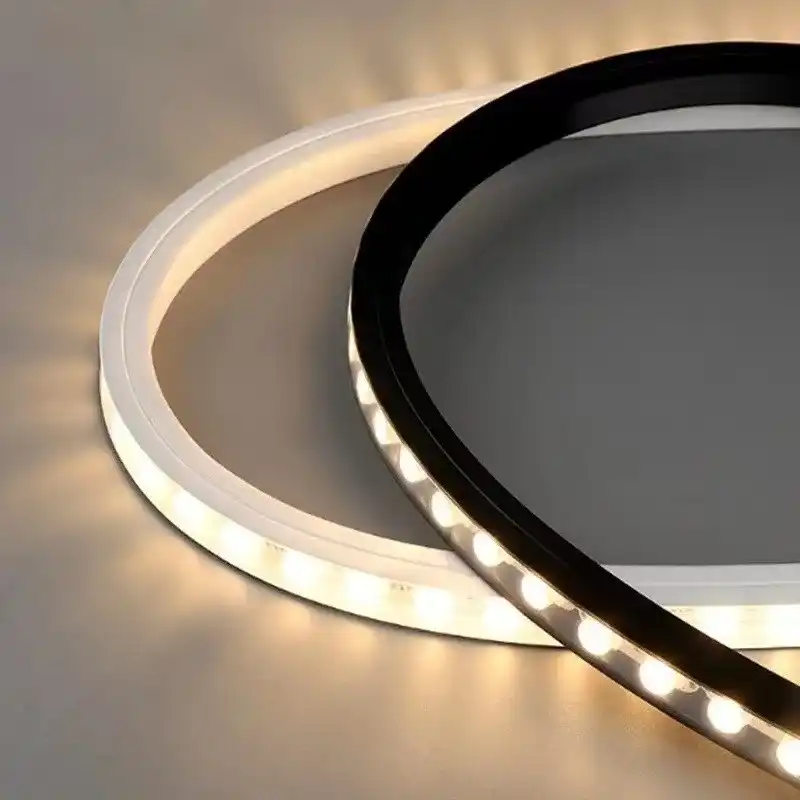
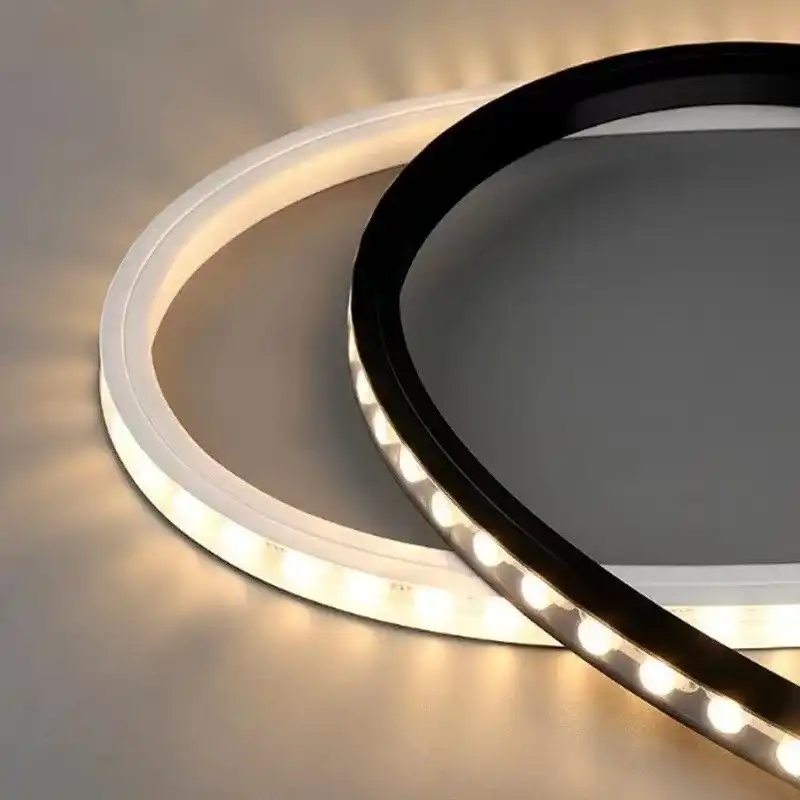
Flexible Lens Wall Wash LED Strips are the best alternative for getting even, professional-grade lighting in modern commercial areas. These cutting-edge lighting systems use complex optical engineering and may be installed in a variety of ways, making them essential for hotels, stores, workplaces, and architectural projects. The lens technology, which is made with great care, spreads light more evenly than regular LED strips. This gets rid of harsh shadows and makes wall washing effects that are smooth and improve any indoor space.
Understanding Flexible Lens Wall Wash LED Strips
Wall washing LED strips with flexible lens technology are a big step forward in the design of commercial lighting. These customized lighting solutions use optical lenses that are precisely molded and built directly into flexible substrates. This makes the light spread evenly over vertical surfaces without the hot spots that are frequent in ordinary LED installations.
Technical Innovation Behind Wall Washing Technology
The main benefit is the design of the optical lens, which changes the angle of the LED light output to make the light even and smooth. These designed lenses, on the other hand, regulate beam patterns very accurately, which makes them more efficient and less glarey than regular diffusers that only scatter light. This technology is especially useful in businesses where the quality of the lighting has a direct effect on how customers feel and how productive employees are.
Performance Benefits for Commercial Applications
Modern flexible wall wash strips are very energy-efficient. Many varieties get more than 120 lumens per watt and keep the same color for long periods of time. The flexible substrate makes it possible to put on corners, curved architectural elements, and uneven surfaces that rigid lighting can't handle. These features provide architects and interior designers more options when it comes to designing complicated commercial projects.
Types and Key Features of Flexible Lens Wall Wash LED Strips
Procurement teams may choose the best solution for a certain project by knowing about the many configurations that are available. There are several alternatives on the market, from simple inside devices to high-tech waterproof systems made for tough conditions.
Indoor and Outdoor Configuration Options
Indoor-rated flexible strips usually have IP20 protection and are designed to provide the best light quality, with CRI values above 90. These types are great for store displays, gallery lighting, and offices where color fidelity is important. Outdoor-rated versions with IP65 or IP67 protection use strong sealing and UV-resistant materials. They are good for illuminating facades, landscaping, and covered outdoor eating areas.
Customizable Performance Parameters
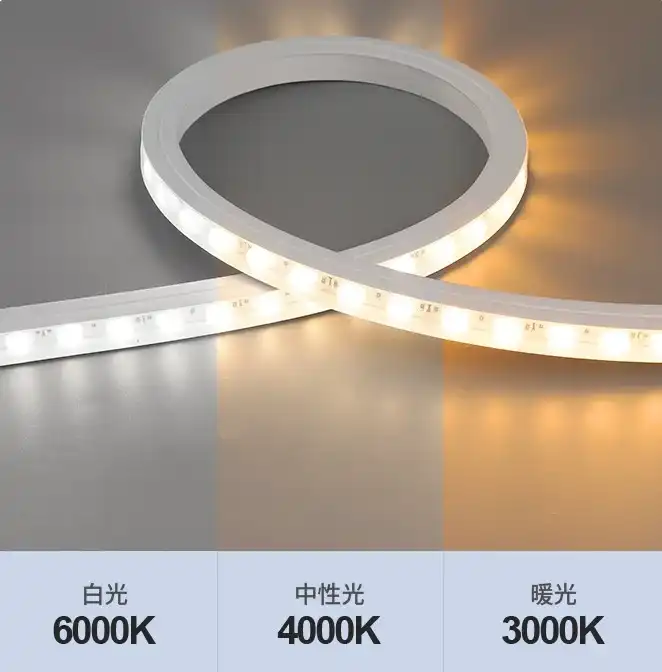
Top brands now provide tunable white technology, which lets you change the color temperature of a single strip from warm 2700K to cold 6500K. Dimming may be done with simple 0-10V control or more complex DALI and wireless systems, which lets them work with smart building management platforms. Power densities range from 4.8W per meter for accent lighting to 24W per meter for main lighting uses.
Advanced Optical Design Features
The shape of the lens affects how well it washes walls. Asymmetric designs work best for getting light to spread evenly from close mounting distances. High-end versions include anti-glare technology and accurate beam control, which makes sure that all surfaces are evenly lit, including those with textures. These new optical technologies make it possible to get professional results that set apart high-quality installations from simple LED strip applications.
How to Choose the Best Flexible Lens Wall Wash LED Strips in 2026?
To make a good purchase, you need to look at more than just the initial cost. You also need to think about how well the product will work over time, how easy it will be to install, and what the provider can do, especially when considering Flexible Lens Wall Wash LED Strips. The following factors help people make smart choices about commercial lighting installations.
Essential Performance Specifications
Luminous efficacy is the most important measure of energy efficiency. The best products get more than 130 lumens per watt. For retail and hospitality settings, the color rendering index (CRI) should be higher than 90. For offices, CRI 80+ may be acceptable to save money. With L80 maintenance, the product has a rated lifetime of over 50,000 hours, which makes it reliable for a long time and lowers replacement expenses during the product's life.
Certification and Compliance Requirements
For electrical safety, North American projects need to be UL listed, and for utility rebate eligibility, they need to be DLC qualified. European markets want CE labeling and RoHS compliance. Many standards now also need Energy Star certification. These certifications prove that a product is of good quality and that it works with local electrical regulations and energy efficiency initiatives.
Supplier Evaluation Criteria
ISO 9001 accreditation and thorough testing standards show that reliable vendors can make things. For a project to be successful, it is important to have technical assistance, such as photometric data, installation help, and help with problems that come up after installation. Warranty periods should contain both a guarantee of performance and a promise of product replacement. For commercial use, these durations usually last for five years or more.
Installation, Maintenance, and Longevity Best Practices
The effectiveness and lifetime of flexible lens wall wash systems depend a lot on how well they are installed and how well they are maintained. Knowing these needs helps make sure that projects go well and that customers are happy.
Professional Installation Guidelines
To make sure that mounting channels or clips stick well, surface preparation means cleaning and priming the places where they will be mounted. The right amount of space between mounting points keeps things from drooping while yet letting them expand as they become hot. When making electrical connections, especially for longer lines, you need to pay attention to voltage drop calculations. Power injection points should be set in such a way that they keep the brightness levels steady.
Heat Management and Thermal Considerations
If LED strips don't get enough air, they might overheat, which shortens their life and changes the color. Aluminum mounting channels prevent the flexible substrate from becoming damaged while also cooling it down, a critical consideration for Flexible Lens Wall Wash LED Strips. Monitoring the temperature during commissioning makes sure that the operating conditions stay within the manufacturer's requirements, which guarantees the best performance throughout the product's life.
Preventive Maintenance Protocols
Cleaning the lenses regularly with the right tools keeps them clear and the light output high quality. Checking electrical connections, looking for physical damage, and making sure that all areas have the same amount of light output should all be part of the inspection routine. Keeping records of maintenance work helps with warranty claims and may help find problems before they influence how well the system works.
Applications and Future Trends in Flexible Lens Wall Wash LED Lighting
Flexible lens wall wash strips may be used in a wide range of commercial settings, and new technologies are making them even more useful and easier to integrate.
Commercial Interior Applications
Retail stores use wall washing to make the store seem more attractive and draw customers in. Hotels use these systems in lobbies, hallways, and guest rooms to create complex lighting designs that make the stay more enjoyable for guests. Office buildings use wall washing with sun harvesting devices to keep the lighting steady while using less energy.
Emerging Smart Lighting Integration
With Internet of Things (IoT) connection, you may use cloud-based platforms to monitor and operate wall wash systems from afar. Occupancy sensors and daylight harvesting features automatically change the amount of light depending on how the space is used and how much natural light is available. These smart features help with sustainability objectives and provide you data analytics to improve the performance of your lights and save energy.
Future Technology Developments
Newer lens materials and manufacturing methods are making light dispersion more even and effective. Research into wireless power transmission might do away with the need for low-voltage cable in certain cases. Integration with circadian lighting concepts is becoming more popular. Tunable white systems promote lighting strategies that focus on people in workplaces and healthcare settings.
USKYLED: Your Trusted Flexible Lens Wall Wash LED Strip Manufacturer
USKYLED is at the cutting edge of LED lighting technology, providing high-quality wall washing solutions that satisfy the high standards of commercial lighting specialists throughout the globe. Our dedication to quality pushes us to keep improving optical design, manufacturing quality, and customer service.
Advanced Manufacturing Capabilities
We have the latest technology in our factories, including precise molding machines for making lenses and automated assembly lines that make sure all of our products are of the same high quality. Before items are sent to clients, they go through strict testing to make sure they work well with light, are safe to use electrically, and can withstand harsh environments. Quality management systems help with ongoing improvement efforts while keeping ISO 9001 accreditation.
Comprehensive Product Portfolio
The flexible lens wall wash LED strips from USKYLED use high-performance Samsung or Osram LEDs and patented optical designs that are best for architectural use. Our products vary from little 8mm strips that may be hidden away to powerful 20mm strips that can be used as main illumination. Custom OEM solutions may meet the needs of a given project, such as special sizes, color temperatures, and control interfaces.
Global Support Network
Technical support services cover the whole project lifetime and include photometric calculations, help with installation, and help with problems. Our skilled technical staff works with contractors and lighting designers to get the most performance out of the system and make sure installations go smoothly. Our dedication to long-term client relationships and project success is shown by our full warranty coverage and quick service.
Conclusion
Flexible lens wall wash LED strips are the best kind of commercial lighting technology available today. They use less energy, provide great light, and can be installed in a variety of ways. Buying high-quality goods from well-known brands is a good long-term investment since it lowers energy expenses, requires less maintenance, and makes things seem better. As smart building technologies become better, these lighting systems will become more and more crucial for making commercial spaces that are responsive and efficient. To get the most out of this innovative lighting technology, you need to pay close attention to choosing the right products, having them professionally installed, and keeping them in good shape.
FAQ
Q1: What makes flexible lens wall wash LED strips superior to traditional LED strips?
A:The built-in optical lenses provide you fine beam control and even light dispersion, doing rid of the hot spots and shadows that are prevalent with regular LED strips. This technology lets you wash walls like an expert while yet being able to install them like regular strips.
Q2: Can these LED strips integrate with existing building automation systems?
A: Modern flexible wall wash strips work with a variety of control protocols, such as 0–10V, DALI, and wireless systems. This makes it easy to connect them to building management platforms. Smart connection features let you monitor your home from afar and set up automatic schedules to save the most energy.
Q3: What installation considerations affect the performance of wall wash systems?
A: Light dispersion homogeneity is greatly affected by the right mounting height, spacing, and angle. Proper mounting channels help the device last longer by allowing heat to escape. Proper electrical design eliminates voltage drop problems that might cause brightness changes over extended runs.
Partner with USKYLED for Superior Wall Wash Lighting Solutions
USKYLED's high-quality flexible lens wall wash LED strips are perfect for tough professional lighting projects. Our full range of products, together with strict quality standards and quick technical assistance, make sure that installations run smoothly and meet customer expectations. Our expert staff is ready to help you with your project from the beginning to the end, whether you need standard goods delivered right away or unique OEM solutions for particular needs. Discover why leading contractors and distributors choose USKYLED as their trusted lighting partner and contact us at sales@uskyled.com for detailed product information and competitive wholesale pricing.
References
1. Illuminating Engineering Society. "IES Lighting Handbook: Application Volume." 10th Edition. New York: Illuminating Engineering Society, 2011.
2. DiLaura, David L., et al. "IES Lighting Handbook: Reference and Application." 10th Edition. Illuminating Engineering Society of North America, 2011.
3. Bommel, Wout van, and Godfried van den Beld. "Lighting for work: a review of visual and biological effects." Lighting Research & Technology 36, no. 4 (2004): 255-266.
4. Cuttle, Christopher. "Light as a true visual quantity: principles of measurement." CIE Publication 191:2010. International Commission on Illumination, 2010.
5. Zukauskas, Arturas, Michael S. Shur, and Remis Gaska. "Introduction to Solid-State Lighting." New York: John Wiley & Sons, 2002.
6. Narendran, Nadarajah, and Yimin Deng. "Color rendering properties of LED light sources." Proceedings of SPIE 4776 (2002): 61-67.


![What is Dimmable Track Lighting for Museum: Best Guide [2025]](/icms/upload/0d08cc601e7611f0b542b3ca0c0f4a83/pic/knowledgemanager-knowledgepic/e7879f32605f11f081911f363b8c1ed0/Directory/20250717 dimmable track lighting -1(1)_1752739217941.webp)