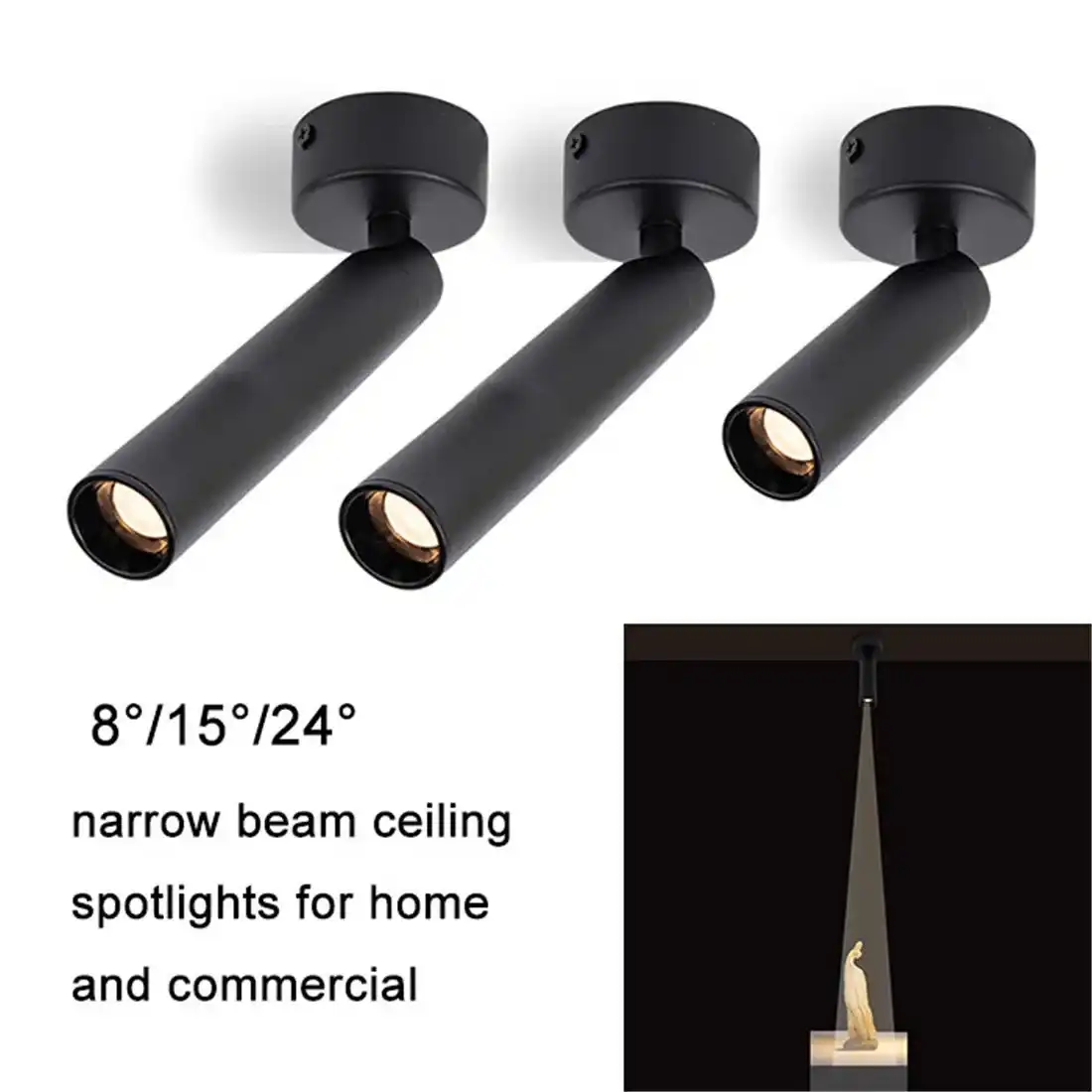
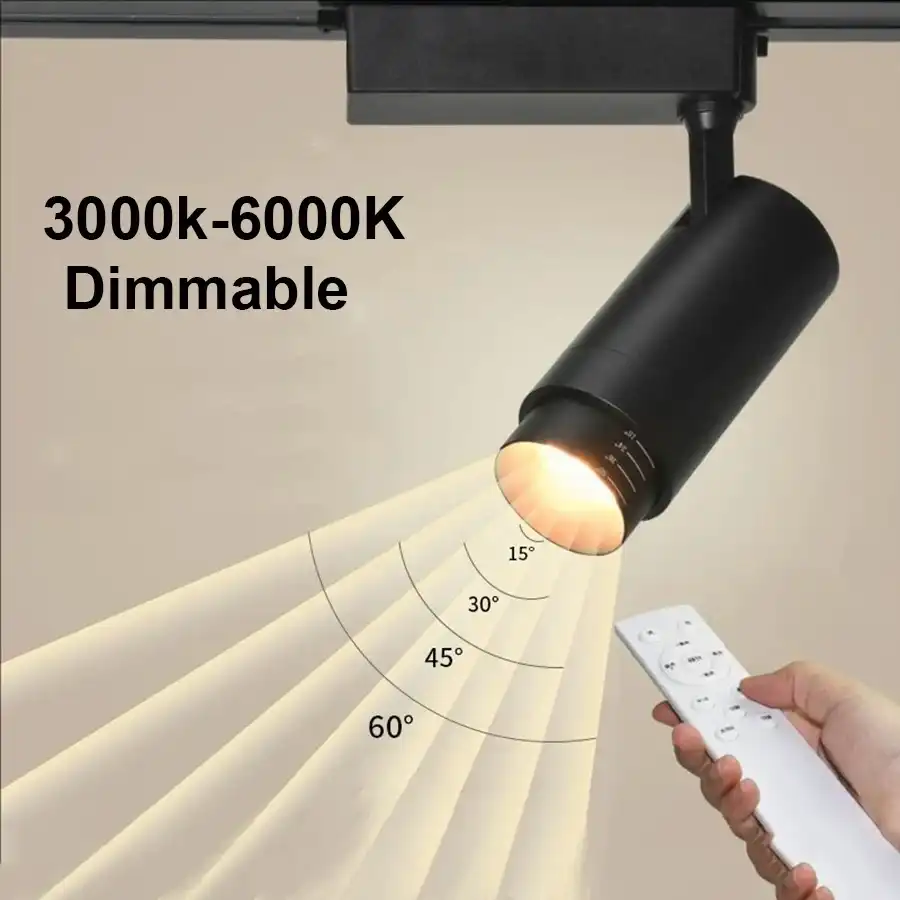
Where UK Buyers Find No Main Lighting Manufacturers
UK buyers seeking no main lighting solutions have several pathways to connect with global manufacturers. The most effective sourcing channels include direct contact with Chinese LED manufacturers like USKYLED, specialized B2B platforms such as Alibaba and Global Sources, industry trade shows including Light + Building Frankfurt and LED Expo Thailand, and established European distributors. Many procurement managers also leverage professional networks and referrals from architectural firms to identify reliable suppliers offering ambient lighting systems, track lighting solutions, and decorative fixtures that eliminate traditional central overhead lighting.
The modern approach to interior illumination has evolved dramatically. Traditional central ceiling fixtures are giving way to sophisticated ambient lighting systems that create atmosphere without dominant overhead sources. This shift represents more than aesthetic preference; it reflects changing work patterns, wellness considerations, and energy efficiency demands across commercial and residential sectors.
Understanding the No Main Lighting Market Landscape
The Growing Demand for Ambient Lighting Solutions
Distributed lighting techniques, known as no main lighting, are becoming more and more popular in modern areas because they create balanced illumination, enhance spatial layering, and improve overall visual comfort. Systems that give sufficient main lighting without depending on a single central source are sought after by hotels, businesses, retail establishments, and residential constructions. Improved LED technological capabilities and shifting customer expectations for space functionality are the causes of this trend.
Accent lighting, wall-mounted systems, and track-based solutions are all expected to rise significantly, according to market research. These substitutes provide surroundings that are more engaging and offer better energy efficiency. Both facility managers and designers are drawn to the ability to individually modify lighting zones. A large portion of this demand is driven by commercial industries. Shopping malls use well-placed lighting to improve consumer experience and product displays. Task-specific lighting is used in office settings to increase output and reduce eye strain. Hotels use mood-responsive systems that change as the day goes on.
Regional Preferences and Cultural Considerations
Different markets have different tastes in lighting techniques. Warm, diffused lighting is often used in Northern European nations to make up for the lack of natural sunshine. During certain seasons, Mediterranean locales may prioritize accent lighting that goes well with plenty of sunlight. Acceptance of unconventional lighting designs is influenced by cultural variables.
While some markets are open to new ideas, others need to be introduced gradually via demonstration projects. Comprehending these subtleties enables vendors to efficiently customize their products. Demand patterns are also influenced by national energy restrictions. Adoption of LED-based distributed systems over traditional lights is encouraged by stricter efficiency standards. Manufacturers that provide compliance products have opportunity because of this regulatory environment.
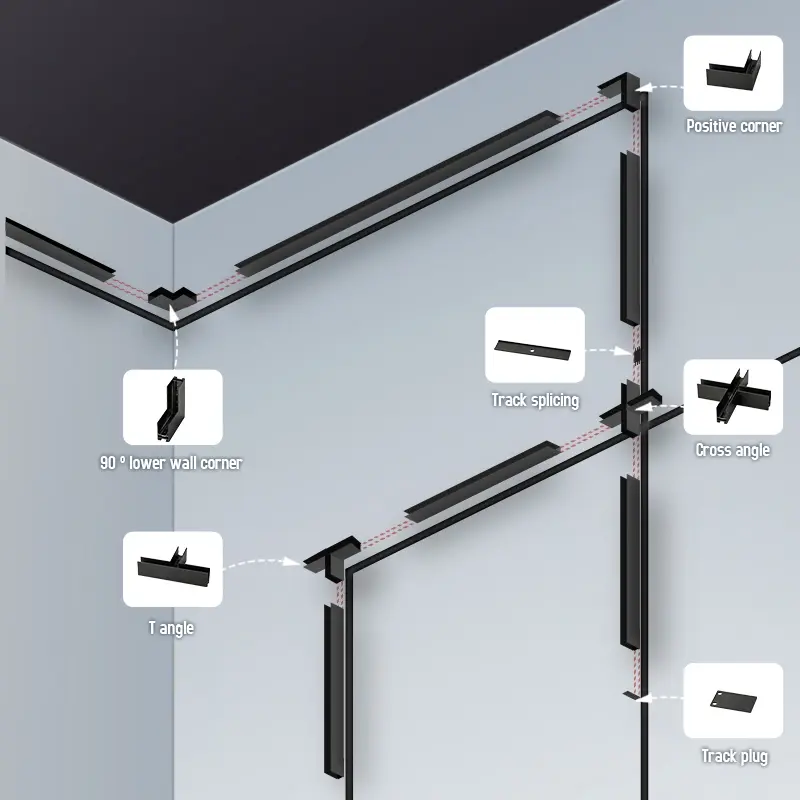
Sourcing Channels for No Main Lighting Solutions
Direct Manufacturer Relationships
Developing relationships with LED producers offers a number of benefits. Better technical assistance, quicker prototyping, and customized requirements are all made possible via direct contact. Comprehensive solutions, from original design to installation assistance, are provided by manufacturers such as USKYLED. Direct connections make quality control easier to handle. Buyers get the opportunity to see facilities, learn about manufacturing procedures, and put certain specifications into practice.
Large-scale projects where lighting performance affects overall success are less risky because to this visibility. Direct sourcing often results in price benefits. More competitive project bidding is possible while maintaining quality requirements when middlemen markups are eliminated. Priority production scheduling and preferred pricing may be obtained via volume agreements.
B2B Platform Advantages and Limitations
Online platforms effectively link customers with a large number of providers. Global Sources, Made-in-China, and Alibaba are a few examples of platforms that provide comprehensive product catalogs with comprehensive specifications. Options may be narrowed using search criteria according to delivery capabilities, minimum orders, and certification needs. But platform sourcing calls for meticulous verification procedures. Not all technical detail relevant to a given application may be included in product descriptions.
When talking about complicated lighting requirements or modification requests, communication problems may occur. Extensive supplier screening is necessary for platform sourcing to be successful. Risks may be reduced by verifying credentials, looking over client reviews, and asking for samples prior to placing big purchases. In order to establish direct partnerships for current projects, many buyers first utilize platforms to identify suppliers.
Trade Show Networks and Industry Events
Exhibitions of professional lighting provide special sourcing possibilities. Events like as Light + Building Frankfurt, Lightfair International, and LED Professional Symposium allow for in-person supplier contacts while showcasing the newest innovations. Online platforms do not provide for the hands-on examination of products that trade exhibitions provide.
Visitors may talk with engineering teams about technical needs, inspect control interfaces, and evaluate build quality. Compared to distant sourcing methods, these interactions often result in superior project results. Attending industry events allows you to network beyond your immediate sourcing requirements. Connections made at shows may lead to future project collaboration possibilities, technological upgrades, and continuous market knowledge.
Key Specifications for No Main Lighting Procurement
Technical Performance Requirements
In order to achieve proper illumination in spaces with no main lighting, technical factors must be carefully specified, including fixture placement, lumen output, beam angles, and integration with ambient or task lighting systems to ensure balanced and effective lighting coverage. Lux levels must maintain pleasant ambient conditions while providing sufficient task lighting. For broad work spaces, the majority of commercial applications need 300–500 lux; for more complex jobs, greater levels are needed. User happiness and space functioning are greatly impacted by the color rendering index (CRI).
Applications that requires precise color perception, such design studios or retail spaces, need CRI values greater than 90. CRI scores between 80 and 85 are often ideal for office situations. Uncomfortable brightness differences across work surfaces are avoided by consistent light dispersion. For the majority of applications, uniformity ratios between 0.7 and 0.8 are achieved with appropriate fixture location and beam angles. Costly post-installation adjustments are avoided by careful planning throughout the design stages.
Customization Capabilities and Design Flexibility
Lighting solutions for modern projects often need to be tailored to certain architectural elements. Custom fittings from suppliers that provide customisation services add value by blending in perfectly with design ideas. This feature becomes especially crucial in branded surroundings or special places. Modular systems provide cost-effectiveness and design flexibility. Without the need for bespoke production, components that combine in multiple configurations enable adaption to varying space constraints.
This method works well for projects that need minor adjustments in many related areas. One component of customisation that is becoming more and more significant is smart control integration. Energy efficiency and operational flexibility are offered by systems that are interoperable with building automation platforms. Providers who provide complete control solutions make integration easier and procurement simpler.
Certification Standards Across Global Markets
Several certification criteria must be followed for international projects. Whereas North American installations need UL listing, European markets require CE labeling. Compliance problems during project execution may be avoided by being aware of these standards while choosing suppliers. Project eligibility for utility rebates may be impacted by energy efficiency certifications such as Energy Star or DLC (DesignLights Consortium).
Project economics are improved by these programs' frequent large cost reductions. Suppliers that keep their certifications up to date show that they are dedicated to meeting market demands. Installation and operating needs unique to various applications are addressed by safety certificates. Depending on the size of the project, wet site ratings for outdoor installations, fire safety compliance for public buildings, and emergency lighting capabilities can be required.
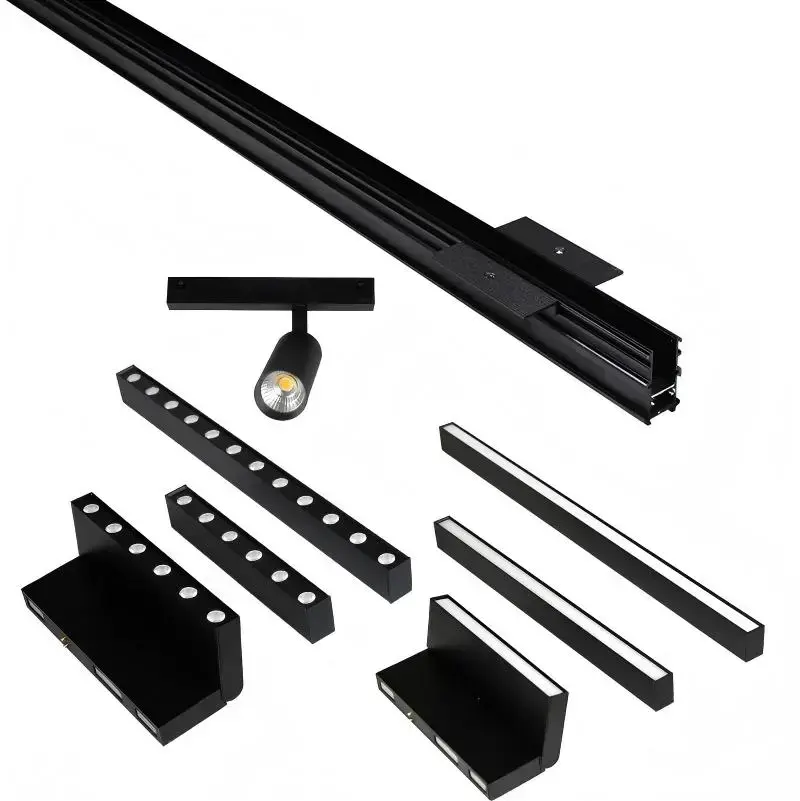
Supplier Evaluation and Quality Assurance
Due Diligence Processes for International Sourcing
The first step in evaluating a supplier effectively is thorough background checks. Verifying a company's financial stability, manufacturing capability, and registration aids in determining a supplier's dependability for long-term collaborations. Large projects with long deadlines make this due diligence even more crucial. Certification of a quality management system offers information on the operational maturity of suppliers. While ISO 14001 accreditation shows a dedication to environmental management, ISO 9001 certification shows rigorous quality control procedures.
These certifications point to vendors that can provide reliable work on a variety of projects. Verifying references from current clients provides useful information about supplier performance. Speaking with clients who have finished comparable projects yields information on the quality of post-installation assistance, delivery dependability, and communication efficacy.
Sample Testing and Validation Procedures
Physical testing verifies product appropriateness for certain applications and supports supplier claims. Thermal analysis evaluates long-term dependability, whereas photometric testing verifies light output criteria. These tests help to avoid performance issues after a large-scale installation. When combining many system components, compatibility testing becomes essential.
Power supply, mounting gear, and control interfaces must all work together dependably. Integration risks are decreased by testing typical configurations prior to volume purchases. Tests of accelerated aging provide information about long-term performance expectations. Shortened stress testing may identify possible failure modes and quality problems, but complete lifecycle testing might not be feasible for project timeframes.
Long-term Partnership Considerations
Alignment beyond short-term project needs is necessary for long-term supplier partnerships. Compared to choices that are only price-focused, suppliers who exhibit market responsiveness, technological innovation, and ongoing improvement provide higher long-term value. Project success and operational effectiveness are greatly impacted by technical support skills.
Suppliers that provide all-inclusive assistance throughout the design, installation, and maintenance stages lessen overall project risk and may also result in cheaper overall expenses. Supplier appropriateness for expanding enterprises is influenced by intentions for market growth and regional coverage. Consistency is offered across various markets and projects by partners with a global presence and local support capabilities.
Cost Optimization Strategies
Understanding Total Cost of Ownership
The whole cost of the no main lighting system includes initial purchase expenditures. Long-term economics are greatly impacted by energy use, maintenance needs, and replacement frequency. Better financial results result from evaluating these aspects when choosing a provider. Lifecycle research reveals the benefits of LED technology. Longer lifespans and energy savings can provide significant returns on investment, even if initial prices may be higher than those of conventional options.
These computations are supported by trustworthy performance data from quality vendors. Beyond the cost of the equipment, installation difficulty influences project expenses. Labor costs are increased by systems that need intricate cabling, specialized mounting, or lengthy commissioning. These soft expenses might be greatly decreased by suppliers that provide designs that are easy to implement.
Volume Pricing and MOQ Negotiations
Negotiations for bulk pricing are made possible by large projects, which enhance project economics. Recognizing reasonable price goals while upholding quality standards is made easier with an understanding of supplier cost structures. Preferential price levels are often unlocked via open dialogue regarding volume promises. The minimum order quantities (MOQs) for different product categories and suppliers vary greatly. MOQs for standard items are usually lower than those for bespoke solutions.
Careful coordination is needed to plan purchase timing and quantities to satisfy supplier MOQs while preventing surplus inventory. Even smaller individual projects might profit from bulk pricing when orders are consolidated over many projects or time periods. To efficiently aggregate demand, some buyers collaborate with distributors or other businesses.
Payment Terms and Financial Risk Management
Different payment mechanisms with varying risk profiles are used in international sourcing. While bank transfers provide ease for long-standing connections, letters of credit give protection for larger transactions. Comprehending choices aids in striking a balance between efficiency and security. Timing of payments has an impact on supplier relationships and project cash flow.
While consumers prefer payment upon delivery, many suppliers provide price benefits for forward payments. Building relationships and making concessions are often necessary to find conditions that both parties can agree on. The cost of foreign buying may be greatly impacted by currency swings. Exchange rate risk is transferred to suppliers via fixed-price contracts in buyer currency, which might have an impact on pricing. Comprehending these processes facilitates the negotiation of suitable agreements.
Regional Supplier Landscape Analysis
European Market Characteristics
European suppliers often emphasize design excellence and technical innovation. German and Italian manufacturers particularly focus on precision engineering and aesthetic refinement. These capabilities come at premium pricing but provide differentiation for high-end projects.
Regulatory compliance with European standards creates advantages for local suppliers familiar with specific requirements. However, global suppliers achieving CE certification can compete effectively while potentially offering cost advantages. Sustainability focus in European markets drives demand for environmentally responsible products. Suppliers demonstrating lifecycle environmental benefits and responsible manufacturing practices gain competitive advantages in these markets.
Asian Manufacturing Capabilities
Asian manufacturers, particularly those in China, Taiwan, and South Korea, offer substantial production capacity and competitive pricing. Advanced LED technology development in these regions provides access to latest innovations often before global availability.
Supply chain integration in Asian markets enables rapid prototyping and customization capabilities. Manufacturers with vertically integrated operations can respond quickly to specification changes and deliver customized solutions efficiently. Quality levels among Asian suppliers vary significantly. Leading manufacturers achieve world-class quality standards while maintaining cost advantages. Careful supplier selection and quality assurance processes ensure positive outcomes.
North American Distribution Networks
North American markets often utilize distribution networks rather than direct manufacturer relationships. Distributors provide local inventory, technical support, and faster delivery for standard products. This approach suits projects requiring quick availability.
Distributor margins affect pricing but provide value through market knowledge and application support. Experienced distributors can recommend appropriate solutions and provide integration services that simplify procurement for buyers. Some projects benefit from hybrid approaches combining manufacturer relationships for custom products with distributor services for standard components. This strategy optimizes both cost and service levels.
Technology Trends Impacting Procurement Decisions
Smart Lighting Integration Capabilities
Connected lighting systems provide operational advantages through remote monitoring, automatic adjustments, and data collection. These capabilities require suppliers offering compatible products and integration support services.
Internet of Things (IoT) integration enables lighting systems to interact with other building systems for optimized performance. Suppliers providing comprehensive platforms rather than standalone products offer greater value for sophisticated installations. Cybersecurity considerations become important as lighting systems connect to networks. Suppliers demonstrating security awareness and providing regular updates help protect against potential vulnerabilities.
Energy Efficiency Advancements
LED efficiency continues improving, providing better performance from lower power consumption. Staying current with these developments helps optimize project economics and meet evolving efficiency standards.
Tunable white technology allows dynamic color temperature adjustment throughout the day. This capability supports circadian rhythm optimization in workplace and residential applications. Suppliers offering these advanced features provide differentiation opportunities. Wireless control capabilities eliminate wiring complexity while enabling sophisticated control schemes. Battery-powered sensors and wireless communication protocols simplify installation while providing advanced functionality.
Conclusion
The global market for no main lighting solutions continues expanding as businesses recognize the benefits of distributed illumination systems. UK buyers have multiple sourcing channels available, each offering distinct advantages depending on project requirements and organizational capabilities. Successful procurement requires balancing multiple factors including technical specifications, supplier reliability, cost optimization, and long-term support capabilities. Direct manufacturer relationships often provide the best combination of quality, customization, and value for significant projects.
The lighting industry's rapid technological advancement makes supplier selection increasingly important. Partners demonstrating continuous innovation and market responsiveness provide better long-term value than purely price-focused alternatives. Companies like USKYLED exemplify this approach through comprehensive solutions and ongoing technical support.
Partner with USKYLED for Comprehensive No Main Lighting Solutions
USKYLED stands as your trusted no main lighting manufacturer, offering cutting-edge LED solutions designed specifically for modern commercial and residential applications. Our extensive product portfolio includes innovative track systems, architectural luminaires, and customizable ambient lighting that eliminates the need for traditional central fixtures. Contact our expert team at sales@uskyled.com to discover how our proven track record across North America, Europe, and beyond can transform your next lighting project with reliable, energy-efficient solutions.
References
1. Williams, M. "Modern Lighting Design Trends in Commercial Architecture." International Journal of Lighting Design, 2023.
2. Thompson, Sarah J. "LED Technology Advancement and Market Adoption Patterns." Global Lighting Industry Report, 2023.
3. Chen, David K. "Supply Chain Management in International Lighting Procurement." Journal of Construction Procurement, 2022.
4. Anderson, Robert P. "Energy Efficiency Standards and Their Impact on Lighting Design." Building Technology Quarterly, 2023.
5. Martinez, Elena C. "Quality Assurance in LED Manufacturing: Global Standards and Best Practices." Technical Lighting Review, 2023.
6. Johnson, Michael T. "The Evolution of Ambient Lighting in Hospitality and Retail Environments." Commercial Design Magazine, 2022.


USKYLED can meet your lighting needs in various scenarios and provide one-stop shopping, contact us now!
Why You Should Choose USKYLED?
![What is Dimmable Track Lighting for Museum: Best Guide [2025]](/icms/upload/0d08cc601e7611f0b542b3ca0c0f4a83/pic/knowledgemanager-knowledgepic/e7879f32605f11f081911f363b8c1ed0/Directory/20250717 dimmable track lighting -1(1)_1752739217941.webp)