Architectural Lighting Manufacturing in China For Global Buyers
Manufacturing architectural lighting in China has become a mainstay for buyers around the world looking for new, low-cost ways to light their spaces. China's architectural lighting industry uses cutting-edge LED technology and highly skilled manufacturing to make a wide range of products, from industrial linear lights to smart track systems. Chinese producers work with a wide range of clients in North America, Europe, and other places, such as shopping malls, restaurants, offices, and outdoor landscaping projects. With strict quality control standards, international licenses, and OEM/ODM services that can be tailored to each customer, Chinese makers of architectural lighting can offer buyers around the world low prices without sacrificing quality or dependability.
Understanding Architectural Lighting and Its Market Demand
Art, science, and useful design all come together in modern architectural lighting. This specialized field improves the look of buildings and meets useful lighting needs in business, residence, and public spaces. Unlike regular lighting design, which only considers how to make things work, architectural lighting looks at how light interacts with building parts to create interesting visual experiences.
The Evolution of LED Technology in Architectural Applications
Over the past ten years, LED technology has completely changed the face of architectural lighting. Most modern LED lights use up to 80% less energy than standard incandescent systems, making them much more energy efficient. These high-tech options have Color Rendering Index (CRI) numbers above 90, which makes sure that colors are shown correctly, which is important in places like stores, art galleries, and hotels. Smart connection lets you connect to building management systems without any problems, which lets you automate settings and save energy.
The global market for architectural lighting keeps growing quickly, thanks to trends like more people living in cities and efforts to be more environmentally friendly. The market is expected to grow at high rates until 2026, according to new industry studies. LED segments will lead this growth. The biggest group is commercial lighting, which is used in places like shopping malls, office buildings, and hotels, where the quality of the lighting has a direct effect on how people feel and how much energy it uses.
Emerging Trends Shaping Market Demand
Several major trends are changing how people around the world buy architectural lighting. Human-centered lighting designs now support circadian rhythms by using adjustable white technology to change the color temperature throughout the day. This method makes workplaces more comfortable and productive for people who work there, and it also helps with fitness programs in schools and hospitals.
Sustainability issues are becoming more and more important in all market groups when people are deciding what to buy. Buyers give more weight to companies that use eco-friendly products, parts that can be recycled, and production methods that don't produce any carbon dioxide. Energy saving certifications like DLC (DesignLights Consortium) and ENERGY STAR compliance are now required for all city and business projects that want to get government rebates or green building certifications.
How to Choose the Right Architectural Lighting Manufacturer in China?
To choose a good Chinese maker, you need to carefully look at a lot of different factors. To make sure projects go well, global buyers need to look at professional skills, quality control methods, and business dependability. Knowing what a maker specializes in helps you match the needs of your project with the strengths of that provider.
Evaluating Technical Capabilities and Manufacturing Standards
The first step in the technical review is to look at the manufacturer's certifications and guidelines for compliance. Reputable Chinese lighting makers keep their products certified by international organizations like CE, UL, RoHS, and FCC. This makes sure that their products meet safety and performance standards in all places around the world. Audits of manufacturing facilities show how much can be made, how well quality control systems work, and how advanced the technology is.
The ability to customize a product is another important rating factor. Some of the best OEM/ODM companies offer a wide range of services, such as custom case designs, unique mounting systems, and custom control interfaces. Before committing to large orders, buyers can use sample evaluation methods to check the quality of the build, the photometric performance, and the way the product looks in comparison to the project requirements.
Different manufacturers have very different quality assurance methods, so it's important to do a full evaluation. Advanced testing centers use statistical quality control, environmental stress testing, and automatic testing procedures. For guarantee claims and performance proof needs, documentation systems should make it possible to track all the way from where the parts come from to how they are put together at the end.
Supply Chain Reliability and Commercial Considerations
Stability in the supply chain has a direct effect on how quickly projects are delivered and how much they will cost. Established makers keep their supply networks diverse, which makes them less vulnerable to shortages of parts or changes in prices. Inventory management lets you complete orders in a variety of ways, so you can buy things in bulk or send them in stages, which is common in big building projects.
The review of commercial terms includes price structures, minimum order amounts, payment terms, and warranty terms. Transparent price models break down the costs of parts, production, and shipping in a clear way. Knowing what causes costs helps you negotiate more effectively and avoid setting unrealistic price goals that could hurt the quality of the product or the trustworthiness of the delivery.
Procurement Guide: From Product Selection to Ordering
Structured methods that include product specifications, source verification, and order management systems are needed for buying to go well. Throughout the buying process, global buyers gain from learning about how China makes things, how to communicate, and how to make sure quality.
Product Selection and Specification Development
A thorough study of the project's needs is the first step in choosing a product. For commercial use, lights with a high output, accurate beam control, and the ability to be dimmed are usually needed. For placements outside, strong environmental protection rates, materials that don't rust, and wide temperature ranges are needed. For indoor decorative uses, it's important to focus on color accuracy, aesthetic blending, and placement freedom.
It is important for performance standards to include photometric needs, electrical properties, and material limitations. The goals of the lighting design must be met by the lumen power, beam directions, and color temperature ranges. Dimming protocols, smart home integration, and building automation system connections are some of the control interface needs. Physical limitations like mounting arrangements, wire handling, and temperature concerns affect the choice of fixture and the difficulty of installation.
Sample Evaluation and Testing Protocols
Professional sample evaluation procedures make sure that the performance of the product meets the specifications before buying in bulk. Photometric readings, electrical proof, and a mechanical stress review should all be part of the testing process. Testing for color uniformity across several samples shows differences in manufacturing quality and batch-to-batch that could affect the look of the project.
Long-term burn-in testing finds possible dependability problems and confirms promises of long-term performance. Environmental testing mimics the conditions of installation by trying things like resistance to shaking, changing temperatures, and being exposed to humidity. Recording test results gives you concrete performance data that helps you make decisions about what to buy and sets the bar for what is acceptable for delivery.

Integrating Advanced Architectural Lighting Technologies
Intelligent control systems, digital connection, and adaptive functions are being used in more and more modern architectural lighting projects. Buyers can choose the best solutions for their projects based on their difficulty and price by learning about the technologies that are available and how they need to be implemented.
Smart Control Systems and Automation Integration
Modern control technologies have changed architectural lighting from systems that just shine light on things to ones that move and react to their surroundings. Digital Addressable Lighting Interface (DALI) standards allow for exact dimming control and unique fixture naming, making them useful for business and public settings. DMX systems are best for entertainment places and feature lighting in buildings because they can mix colors and program scenes in a very advanced way.
Smartphone control and cloud-based management tools are made possible by wireless connectivity choices like Bluetooth mesh and Wi-Fi. These devices allow for online monitoring, tracking of energy use, and planning of preventative maintenance. Integration difficulty varies a lot. Simpler systems can be installed by plugging them in, while more complex setups need to be programmed and set up by professionals.
To use smart settings, you need to carefully plan the network infrastructure, how the power is distributed, and how the user interface looks. More and more, Chinese makers are offering combined solutions that include fixtures, controls, and software platforms. These make buying easier and make sure that all system parts work together.
Sustainability and Energy Efficiency Considerations
Environmental performance factors include more than just energy use. They also include the way things are made, the materials used, and how they are thrown away when they are no longer useful. Leading Chinese companies use ISO 14001 environmental management systems and run programs to lower their carbon footprints all the time.
Optimizing energy economy requires advanced heat management, driver technology, and the design of an optical system. High-end LED lights get more than 140 lumens per watt of power while still providing great color quality and lasting dependability. Intelligent devices and the ability to collect sunshine further improve energy efficiency by automating the improvement of operations.
USKYLED: Your Trusted Partner for Premium Architectural Lighting Solutions
USKYLED is a leader in architectural lighting innovation because it combines cutting-edge LED technology with a lot of experience making things. Because we only sell industrial linear lights, smart track systems, and building luminaires, we are the go-to company for smart buyers around the world who want the best quality and performance.
Comprehensive Product Portfolio and Customization Capabilities
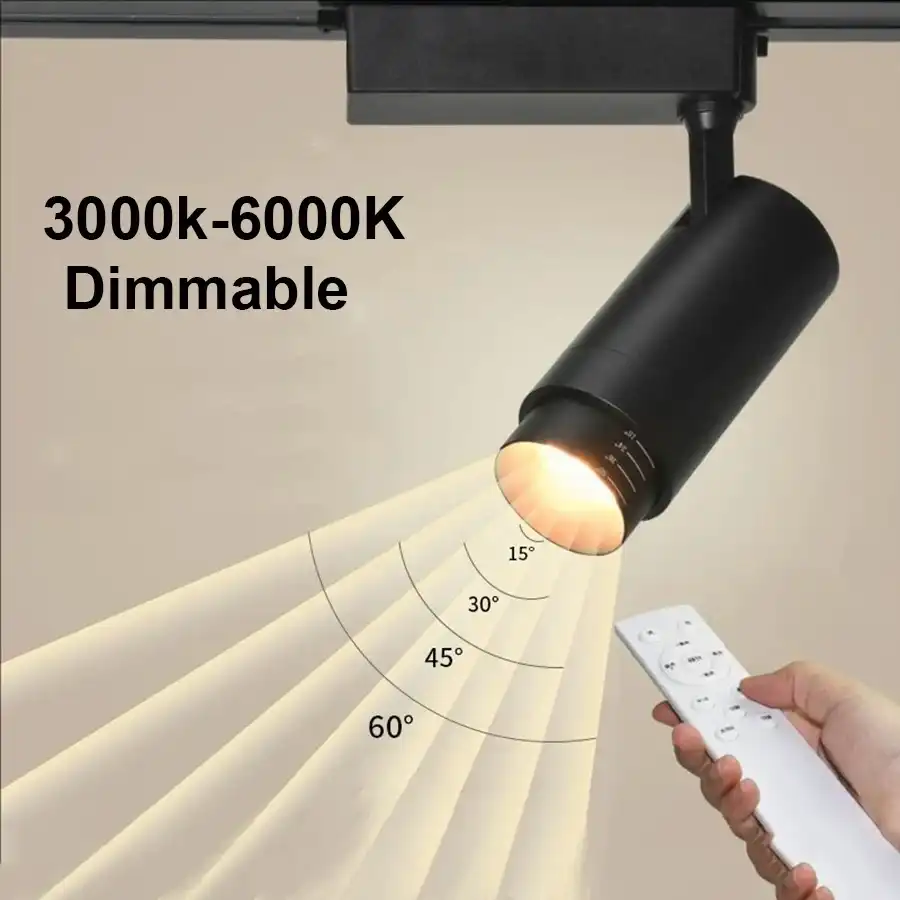
Our large selection of products includes business lighting options for use in hotels, shopping malls, offices, and homes. Commercial linear light systems use high-efficiency LED clusters with CRI values of 90+ and flicker-free performance to keep people comfortable and improve their vision. Smart track systems can be installed in a variety of ways because they use magnetic fixing technology and can be seamlessly integrated.
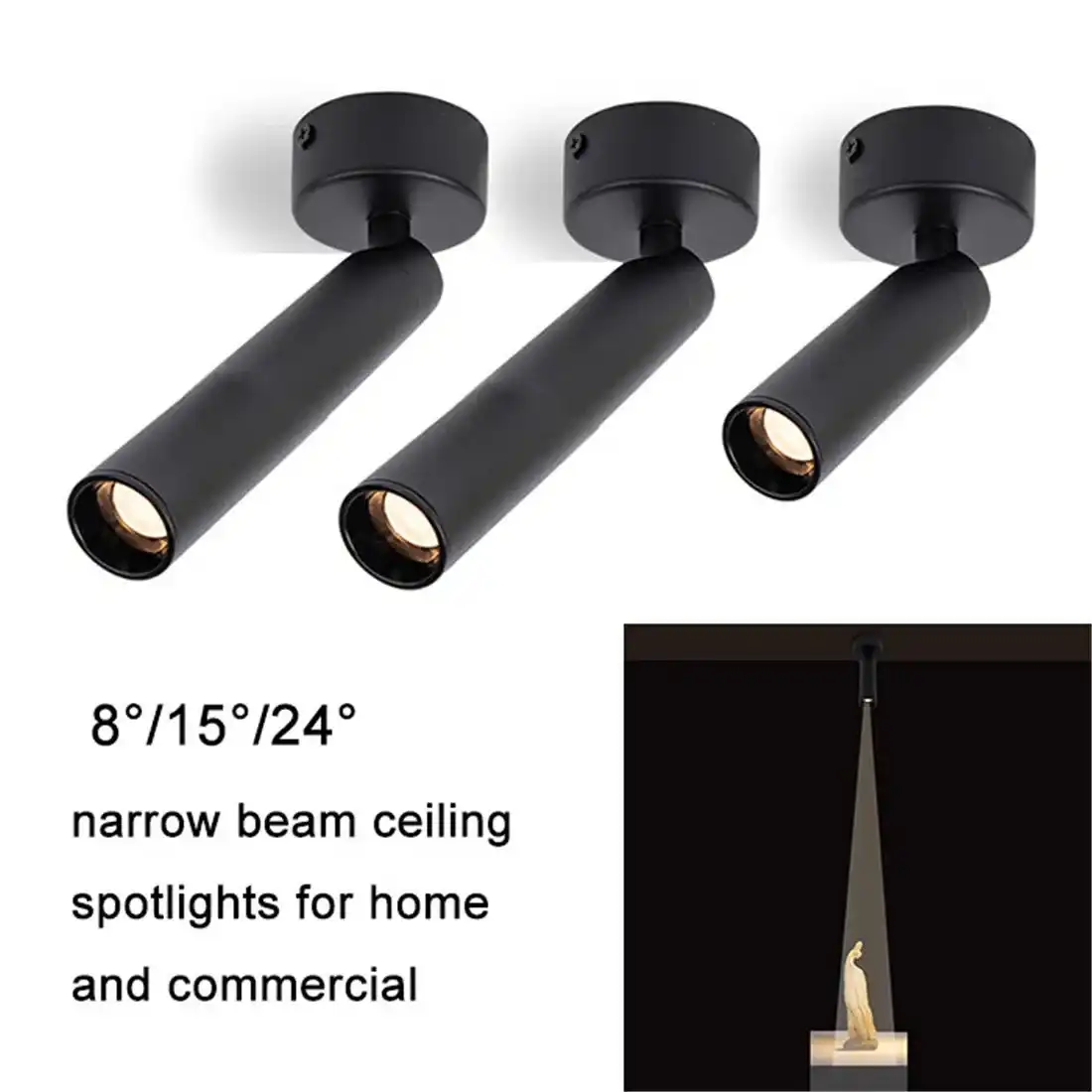
Our selection of wall lights and LED spot lights has a wide range of design styles that can be used for both practical and aesthetic purposes. Custom OEM/ODM services let you make solutions that are exactly what your project needs, from custom housing designs to photometric distributions that don't work with anything else. During the development process, our tech team works closely with clients to make sure that the final product works well and looks good.
Advanced manufacturing techniques allow for flexible output rates, which can accommodate both small-scale prototype development and large-scale business orders. Quality control methods make sure that performance standards are always met, and competitive pricing models give buyers in North America, Europe, and developing markets a great deal.
Quality Assurance and Global Market Compliance
USKYLED has strict quality control standards that are in line with what the foreign market needs. Our goods have been approved by many regulatory bodies, such as CE, UL, RoHS, and DLC. This means they are safe to use in a wide range of settings. Statistical quality control and automatic testing procedures are used in manufacturing to make sure that the electrical performance, photometric accuracy, and mechanical stability are all good.
Our commitment to sustainability is reflected in the way we run our business, with energy-efficient designs that cut costs and have little effect on the environment. Reducing carbon emissions and choosing materials that can be recycled help meet the standards for green building approval and help companies reach their sustainability goals. Dedicated technical support teams are available to help at any time during the duration of a project, from the original needs to installation and ongoing upkeep.
Conclusion
China's architectural lighting production sector gives buyers from around the world unmatched chances by mixing cutting-edge technology, low prices, and full customization options. To be successful, you need to carefully choose a maker based on their professional skills, quality assurance standards, and ability to meet business needs. Smart technology integration, concerns about environment, and changing market needs are all changing the way the industry works, which is opening up new chances for creative lighting solutions. Partnering with trustworthy Chinese companies like USKYLED gives you access to cutting-edge goods, quick expert support, and dependable delivery, all of which are necessary for completing projects successfully in a wide range of global markets.
FAQ
What advantages does sourcing architectural lighting from China offer global buyers?
Chinese makers offer big price cuts thanks to their efficient production scales, high-tech robotics, and competitive labor markets. The products that can be manufactured include everything from simple LED lights to complex smart lighting systems. Quality standards have gotten a lot better. Leading makers now keep their international certifications and use strict quality control methods that are on par with their global rivals.
How can buyers ensure quality consistency in bulk architectural lighting orders?
For quality assurance, samples must be carefully looked over, factories must be inspected, and performance standards must be made clear. Buyers should ask for specific technical information, photometric test results, and dependability data to back up claims of performance. Third-party testing proof and staged delivery plans make it possible to keep an eye on quality throughout the whole production cycle.
Are customized architectural lighting solutions feasible for international projects?
Chinese makers are very good at customizing their products and offer full OEM/ODM services for unique project needs. Custom solutions include designing housings, making changes to photometrics, integrating controls, and changing the way things look. Before committing to mass production, prototypes and sample approval methods make sure that custom goods meet all the requirements.
Partner with USKYLED for Your Next Architectural Lighting Project
The USKYLED architectural lighting manufacturer creates top-notch LED solutions for business and domestic projects around the world, mixing cutting-edge technology with dependable performance. Our wide range of products includes industrial linear lights, smart track systems, and personalized luminaires that come with international approvals and quick technical support. Get in touch with our knowledgeable staff at sales@uskyled.com to find out how our architectural lighting solutions can make your future projects better while also saving you money and looking great.
References
1. Chen, Wei. "LED Technology Advances in Chinese Manufacturing: Quality Standards and Global Market Impact." International Lighting Technology Review, 2024.
2. Johnson, Michael. "Global Architectural Lighting Market Analysis: Trends, Growth Patterns, and Regional Manufacturing Capabilities." Building Technology Quarterly, 2023.
3. Zhang, Lin. "Smart Lighting Integration in Commercial Architecture: Technology Adoption and Implementation Strategies." Journal of Building Automation Systems, 2024.
4. Thompson, Sarah. "Sustainability in LED Manufacturing: Environmental Standards and Energy Efficiency Developments in Asian Markets." Green Technology International, 2023.
5. Wang, David. "Quality Assurance Protocols in Chinese LED Manufacturing: International Standards Compliance and Testing Methodologies." Industrial Quality Management, 2024.
6. Rodriguez, Carlos. "Procurement Strategies for International Lighting Projects: Risk Management and Supplier Evaluation Frameworks." Global Supply Chain Management Review, 2023.


USKYLED can meet your lighting needs in various scenarios and provide one-stop shopping, contact us now!
Why You Should Choose USKYLED?
![What is Dimmable Track Lighting for Museum: Best Guide [2025]](/icms/upload/0d08cc601e7611f0b542b3ca0c0f4a83/pic/knowledgemanager-knowledgepic/e7879f32605f11f081911f363b8c1ed0/Directory/20250717 dimmable track lighting -1(1)_1752739217941.webp)