How to Identify Reliable LED Lighting Manufacturers?
Choosing a reliable LED lighting maker has a direct effect on the success of your project and how well it runs in the long run. Partnering with the right provider guarantees consistent quality, on-time delivery, and better performance as linear lights become the foundation of modern commercial and industrial lighting systems. A trustworthy maker can make the difference between a successful project and delays that cost a lot of money and hurt your bottom line.
Understanding the Challenges in Selecting LED Lighting Manufacturers
When B2B procurement workers look for reliable LED lighting providers, they run into a lot of problems. Many makers have problems with quality control, which means their goods don't meet performance standards or break down too quickly in real-world situations. Supply chain problems are happening more and more often, which delays projects and makes buying teams rush to find other answers.
Common Quality Control Issues
Many producers of linear lights have trouble making sure that the output specs are the same from one production batch to the next. Changes in color temperature, brightness, and the number of early failures are all big problems for business systems that need to be consistent and reliable. Most of the time, these problems are caused by testing procedures and quality control measures that aren't good enough during the manufacturing process.
Supply Chain Reliability Concerns
When deliveries are late or goods aren't always available, it affects the whole timing of the project. When raw materials are in short supply or demand is high, manufacturers who don't have strong supply chain management systems often can't promise delivery dates. Because of this unreliability, procurement teams have to keep too much inventory on hand or settle for less-than-ideal items in order to meet project schedules.
Limited Customization Capabilities
Most of the time, standard goods don't meet the exact needs of large business and industrial tasks. Many companies don't have the technical know-how or production flexibility to meet specific needs for power output, mounting options, or environmental protection rates. Because of this limitation, buyers have to give up on their ideal specs or look for more than one seller for different parts of the project.

Key Criteria for Evaluating LED Lighting Manufacturers
A systematic method that looks at many parts of a manufacturer's skills and track record is needed for supplier evaluation to go well. International certification compliance is the basis for any trustworthy relationship, as these rules make sure that goods meet the needs of different markets in terms of safety, performance, and the environment.
Certification and Compliance Standards
Manufacturers with a good reputation keep their certifications up to date from well-known testing groups like UL (Underwriters Laboratories), CE (Conformité Européenne), RoHS (Restriction of Hazardous Substances), and DLC (DesignLights Consortium). These certifications show that strict testing methods and ongoing quality control systems have been followed. Manufacturers should be able to easily provide approval papers and keep clear records of their compliance status.
Product Range and Innovation Capabilities
A wide range of products shows that a company wants to meet the needs of different customers and keep up with technology changes. Look for providers whose linear lights systems come in a range of shapes, power levels, and control choices. Smart features, higher efficiency scores, and more advanced heat management solutions show that the company is able to innovate.
Manufacturing Scale and Capacity
A supplier's ability to handle big orders and stick to regular shipping schedules is directly related to how much they can produce. Modern factories with automatic production lines and operations that can be expanded can better meet the needs of large buyers while still meeting quality standards. Site trips or video tours of a facility are great ways to learn about how it is made and how quality control is done.
How to Verify Manufacturer Credentials and Market Reputation?
As part of your due research, you should look into more than just the company's marketing materials. You should also look into their past success and place in the market. Researching a company's past can show important information about its financial security, operational longevity, and growth trajectory that can help you decide if it will be a good business partner in the future.
Researching Company Background and History
Companies that have been around for a while usually have track records that can be checked that cover many years and a wide range of market groups. Business licenses, corporate registration papers, and financial disclosures all make it clear what a company's legal standing is and how it runs legally. Companies that make things and sell them all over the world often keep subsidiary offices or agent partnerships that show they are dedicated to serving customers in all markets.
Client References and Case Studies
Real customer reviews and in-depth case studies can help you understand how something works in the real world, in a variety of settings and uses. Ask for specific examples of projects that were similar to the ones you need help with, including information on how they were installed, how well they worked, and any problems that came up during the project. Talking to current customers gives you honest information about how well the manufacturer's products and services work.
Industry Recognition and Partnerships
A company that commits to professional standards and constant improvement will be a part of trade groups, industry prizes, and strategic partnerships with well-known component suppliers. Joining groups like the Illuminating Engineering Society (IES) or taking part in ENERGY STAR programs shows that you are aware of best practices and new standards in your field.

Practical Steps to Engage and Test Potential Manufacturers
To evaluate a provider effectively, you need to do more than just look at their paperwork. You also need to test their products and talk to them directly. Requesting samples lets you carefully check the quality, speed, and compatibility of the product with current systems before committing to bigger orders.
Sample Evaluation and Testing Protocols
A full test of a sample should look at its optical performance, temperature properties, and the quality of its mechanical construction. Using calibrated testing tools, compare the real light output, color rendering index (CRI), and color temperature to what the maker says they should be. Long-term burn-in testing shows any possible dependability problems and confirms the expected lifespan under normal use.
Communication and Support Assessment
Technical help that is quick to respond and clear lines of communication are important for long-term relationships to work. Check how quickly technical questions are answered, whether engineering help is available during the planning phase, and how easy it is to get in touch with customer service. Most of the time, manufacturers with specialized account management teams offer more consistent service and better project planning.
Pilot Order Implementation
Pilot orders on a small scale can teach you a lot about how to handle orders, the quality of the manufacturing process, the standards for packing, and how well deliveries work. During the pilot process, keep an eye on wait times, the state of the product when it arrives, and the completeness of the paperwork. This practical review shows any possible problems before committing to bigger purchases.
USKYLED: Your Trusted Partner for Premium LED Solutions
In the competitive world of making linear lights, USKYLED stands out because we are always focusing on quality, new ideas, and client happiness. We've been in the business, industrial, and building lighting markets for a long time, so we really understand the tough needs that B2B clients have every day.
Our Advanced Technology Advantage
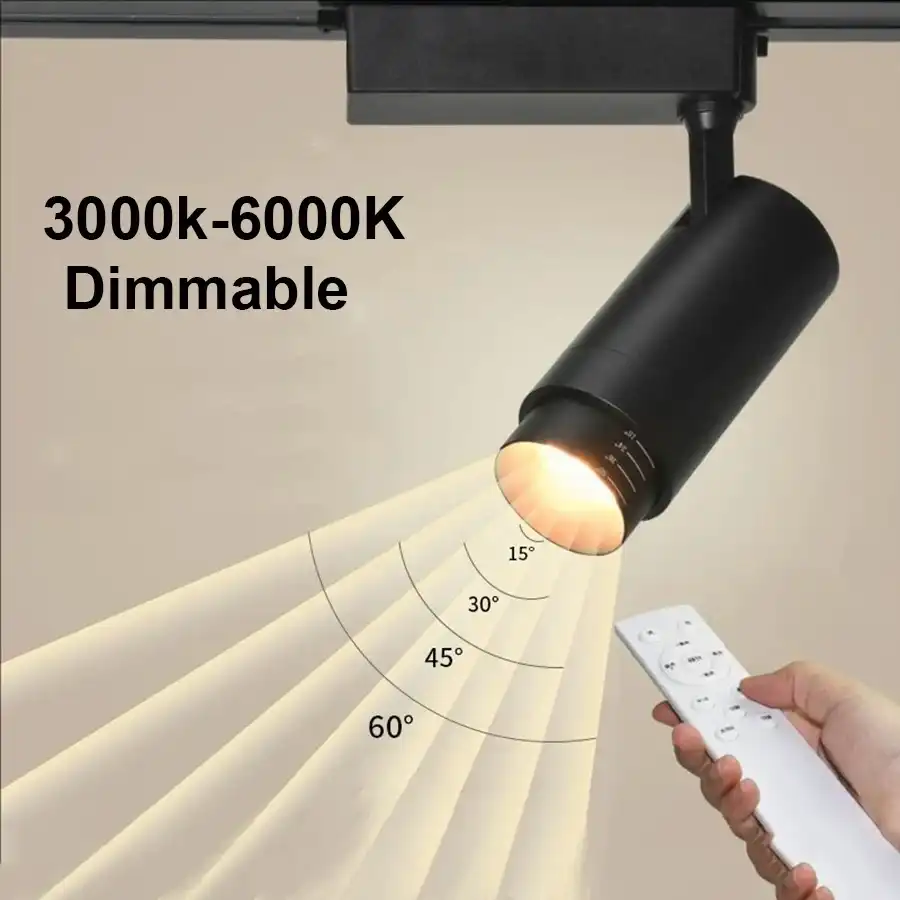
Our linear lights use cutting-edge LED technology and have high CRI scores of 90+ or more, which means they accurately reproduce colors for demanding business uses. Flicker-free performance protects the comfort and efficiency of occupants, and smart control compatibility makes it easy to connect to current building automation systems. Advanced temperature control makes products last longer and keep working the same way in all kinds of environments.
Comprehensive Product Portfolio
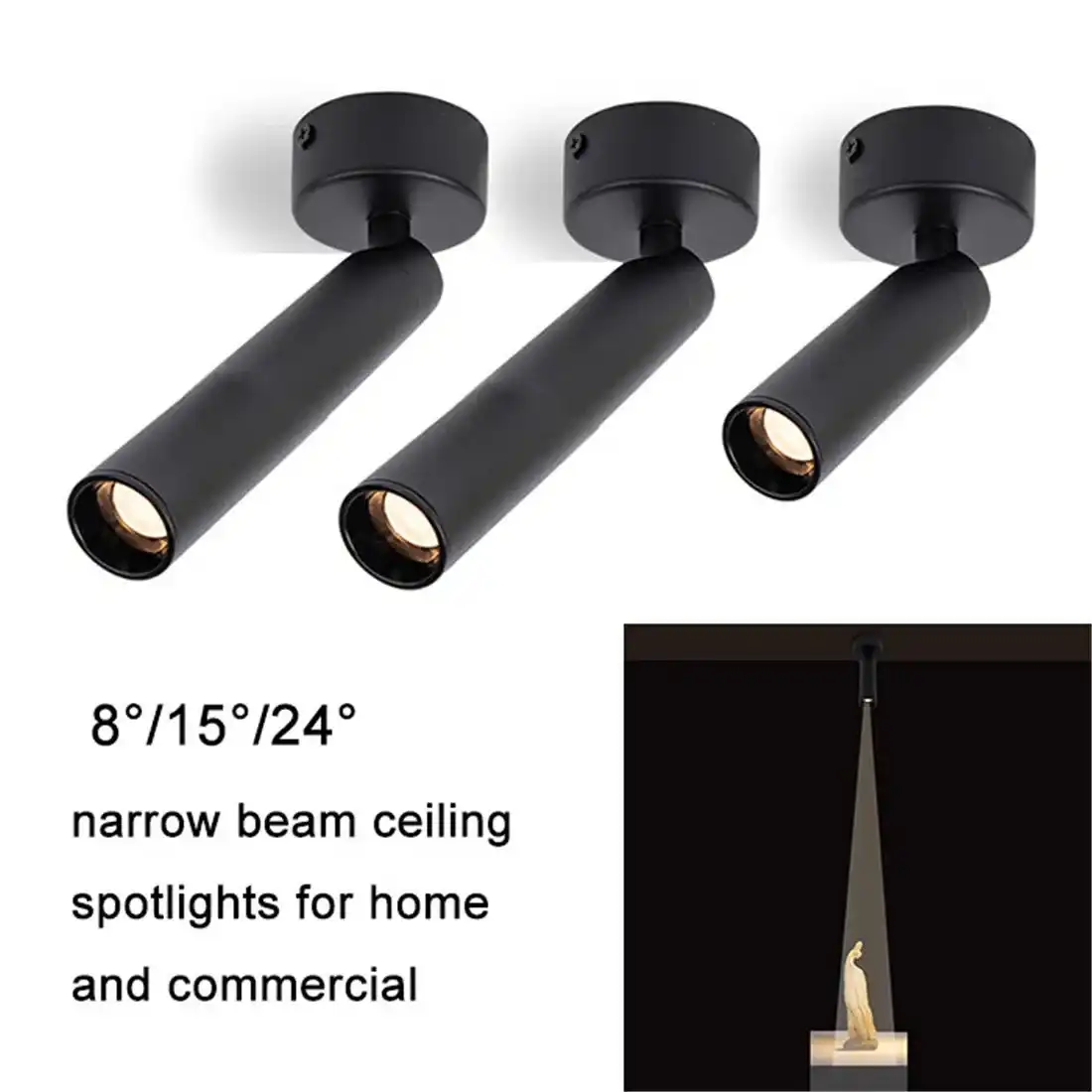
We have many different kinds of LED lighting, such as industrial linear lights, smart track systems, decorative luminaires, wall lights, and LED spot lights. Our flexible linear lights are very useful for accent lighting, closet lighting, and drawing attention to building details. Each line of products goes through a lot of tests to make sure it meets international standards and works well and reliably.
Custom OEM/ODM Solutions
Our tech team works closely with clients to create unique lighting solutions that fit the needs of each project. We make sure that our goods meet all of your needs, from changing the shape and mounting options to adding special control interfaces and environmental protection grades. Because of this, you don't have to deal with different suppliers, and your apps will always work at their best.
Sustainability and Efficiency Focus
Our product development process is based on principles of energy-efficient design. This leads to lighting solutions that cut costs and damage to the environment by a large amount. While providing better light quality and lasting longer, our LED products use a lot less energy than standard lighting methods. This mix of effectiveness and efficiency helps green building practices and lowers the total cost of ownership.

Conclusion
To find a trustworthy linear lights manufacturer, you need to carefully look at a number of factors, such as their certifications, product quality, production skills, and long-term customer service. Thoroughly screening suppliers is an investment that pays off with consistent product performance, on-time deliveries, and helpful expert support. By using the organized method explained in this guide, procurement professionals can find production partners that help projects succeed and keep operations running smoothly in the long term.
FAQ
What certifications should I look for when evaluating LED lighting manufacturers?
Some important certificates are UL listing for markets in North America, CE marking for markets in Europe, RoHS certification for safety around the environment, and DLC approval for programs that save energy. These certifications make sure that goods meet the high standards for safety, efficiency, and the environment that are needed for business installations.
How do LED linear lights compare to traditional fluorescent tube lights?
If you compare LED linear lights to fluorescent ones, they use less energy, last longer, and give off better light. They don't need balance, so they're cheaper to maintain, and they can start working right away without having to wait for the motor to warm up. LED technology also lets you control things in more complex ways, like changing the color brightness and dimming.
What warranty terms should I expect from reliable manufacturers?
Commercial LED goods from reputable brands usually come with warranties that last between 3 and 5 years and cover both broken parts and performance loss. Full warranties should cover replacement goods, expert help, and clear steps for handling warranty claims.
How can I ensure consistent product quality across large orders?
Choose manufacturers that follow ISO quality control methods and give you proof of batch testing. Ask for quality assurance methods, such as ways to check incoming materials, test products during production, and make sure the end product is safe. Quality checks and performance reviews done on a regular basis help keep things consistent throughout the supply partnership.
Partner with USKYLED for Your Linear Lights Procurement Success
USKYLED makes high-performance linear lights for your projects by combining cutting-edge LED technology with a history of excellent making. Our lighting experts work directly with sourcing experts, engineering managers, and project planners to make sure that the best products are chosen and that the installation goes smoothly. Get in touch with our expert team at sales@uskyled.com to talk about your needs for a linear lights source and find out how our all-around approach to quality and service can help you make better purchases.
References
1. "LED Lighting Market Analysis and Quality Standards in Commercial Applications," International Association of Lighting Designers, 2023.
2. "B2B Procurement Best Practices for LED Lighting Systems," Facility Management Institute, 2023.
3. "Energy Efficiency Standards and Certification Requirements for Commercial LED Products," Department of Energy Lighting Research Program, 2023.
4. "Supply Chain Risk Management in Electronics Manufacturing," Industrial Supply Chain Management Journal, 2023.
5. "Quality Assurance Protocols for LED Manufacturing and Testing," Institute of Electrical and Electronics Engineers Standards, 2023.
6. "Commercial Lighting Design Trends and Technology Integration," Architectural Lighting Magazine, 2023.


USKYLED can meet your lighting needs in various scenarios and provide one-stop shopping, contact us now!
Why You Should Choose USKYLED?
![What is Dimmable Track Lighting for Museum: Best Guide [2025]](/icms/upload/0d08cc601e7611f0b542b3ca0c0f4a83/pic/knowledgemanager-knowledgepic/e7879f32605f11f081911f363b8c1ed0/Directory/20250717 dimmable track lighting -1(1)_1752739217941.webp)