Best Height to Install Wall Sconces
The best height for indoor wall sconces is between 60 and 72 inches from the floor. However, this can change based on the purpose of the room, the height of the ceiling, and the type of lighting used. Hotels, companies, and other public places often put lamps between 66 and 72 inches high to accommodate people of different heights and make sure the light is spread out evenly. This standard size stops glare and gives off enough light for general and specific jobs in a variety of indoor places.
Understanding the Optimal Height for Installing Wall Sconces
Installing wall lights at the right height makes a big difference in how well they work and how nice they look in both business and home settings. Indoor wall sconces do more than just give off light. Plus, you can use them to make the most of a room's space, highlight design, and set the mood. These lights are great for halls, lobbies, meeting rooms, and areas where people wait on guests, where regular ceiling lights might not work or look good.
Key Factors Influencing Mounting Height
If you want to put lights somewhere, you should think about how big the room is. If your ceiling is 8 feet or less, the normal mounting height of 60 to 66 inches will work. But if your ceiling is 10 feet or more, you may need to change the height to 72 inches or more to keep the visual balance. The lighting's purpose also affects the height. For instance, ambient lighting is usually put up higher so that it spreads the light around more, while job lighting might need to be put down lower so that it shines on a certain area.
In business, balance between people is still the most important thing. Eye level for most people is between 60 and 64 inches, so this is a great spot to block direct light and make sure the eyes get enough light. Studies in engineering have shown that putting lamps just above eye level makes them more useful and comfortable for many people.
Standard Height Guidelines for Commercial Applications
Lighting designers say that lights should be at different heights for different types of businesses. Office buildings often have mounting heights between 66 and 72 inches so that people of all heights can use them and still look professional. In hotel halls, furniture is often placed 60 to 66 inches apart to make them feel cozy without making the narrow paths too crowded. Storefronts can be anywhere from 72 to 84 inches wide, depending on the ceiling height and how the goods need to be set up.
Types of Indoor Wall Sconces and Their Impact on Installation Height
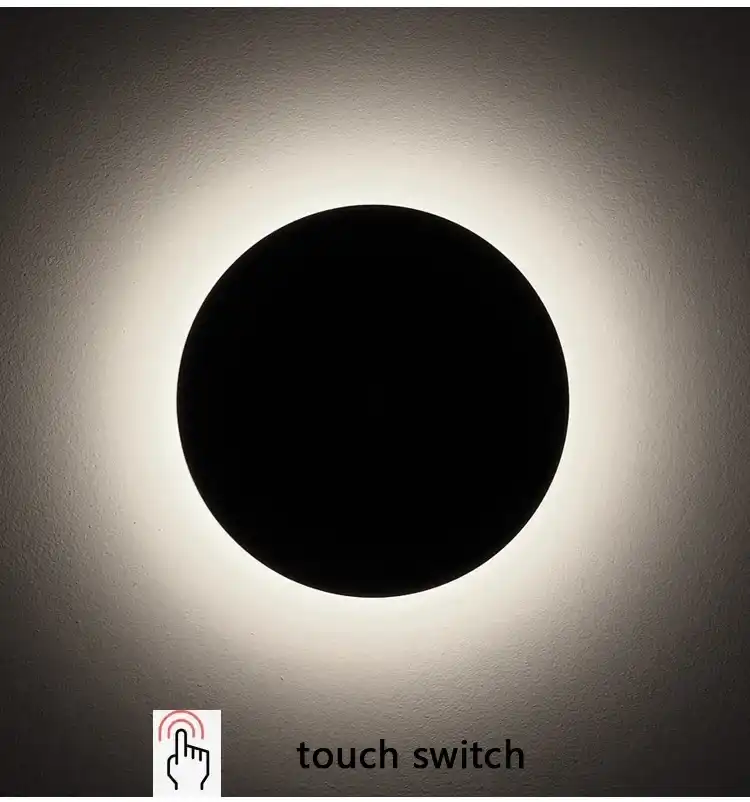
Certain types of lanterns need to be put in a certain way in order to give off the most light and look their best. There are different mounting requirements for modern LED lights, lamps with a retro look, modern minimalist designs, and traditional decorative models. These requirements affect the best height for putting the lights.
LED and Energy-Efficient Sconce Considerations
Incandescent wall lights use more energy, but LED wall lights last longer and use less energy. Because these lights don't make as much heat, you can put them at a wider range of heights without having to worry about heat problems. Smart settings and dimmable lights are also possible with LED technology. This can change how you plan your setups and find the best heights for business projects.
Because LED parts are small, sconces can be made with thinner frames that can be placed closer to walls without sticking out into halls too much. This design benefit is especially helpful in small office areas or hallways that aren't very wide, where space needs to be carefully controlled and lighting needs to be very good.
Design Style Impact on Installation Height
When the ceiling is 66 to 72 inches high, modern minimalist lamps with simple shapes and clean lines look good. For retro and fancy designs, the height might need to be slightly changed to fit artistic elements and keep the right measurements that can be seen. It might look better to place industrial-style lights a little higher to cut down on glare and show off their unique design features. These lights might have metal frames or bulbs that aren't covered.
You can install adjustable-arm fixtures in more locations because their light direction can be modified even after installation. This mechanical flexibility allows them to accommodate slight variations in mounting height while still delivering optimal illumination. Similar versatility can be found in indoor wall sconces, which combine adaptable lighting angles with aesthetic appeal, making them suitable for a wide range of interior applications.
Step-by-Step Guide to Installing Wall Sconces at the Best Height
Plan ahead, use the right tools, and follow all electricity safety rules to put up wall lights the right way. This helps project managers and facility engineers get the same results in buildings with different conditions and at different installation places.
Essential Tools and Preparation
For professional installation, you'll need standard electrical tools like voltage testers, wire strippers, drill bits that work with the type of wall, and fixing hardware that matches the weight of the light and the wall material. To make sure that fixing is safe, you need stud finders. This is especially important in manufacturing settings where tools may be hit or used a lot.
It is important for safety that the electrical systems work with each other, that the wiring is correct, and that you follow all building codes in your area. Commercial upgrades may need to be organized with the building's electrical systems and may need the help of a professional electrician in order to follow the building codes and get the right insurance.
Installation Process and Height Verification
First, mark the height you want the mount to be with a level and a measuring tape. This will make sure that all of the pieces you put in are the same height. The normal of 66-72 inches is a good place to start, but it can be changed based on the room and the hardware style. You should think about the fixture's center point when you measure because some styles go a long way above or below the fixed bracket.
There are rules about how to connect electrical things that are written in the National Electrical Code and in local building codes. Wall light groups usually need their own circuits when they are used in businesses. This is especially true in places like restaurants and stores where being able to change the lighting in different ways is necessary for things to run easily.
Quality Control and Post-Installation Verification
After putting the device in place, check the light patterns, look for glare, and make sure it works right. Look around the lit area from a normal angle to see if there is any glare or shadows that need to be fixed by adjusting the beam angle or height. Make a note of the end fixing heights so that you can use them to fix things in the future and make sure that every installation is the same.
Procurement Insights for Indoor Wall Sconces: Choosing and Buying at Scale
When looking for indoor wall sconces for business projects, it's important to think about performance needs, service skills, and long-term operational factors. They have to compare how much something costs at first to how much it will be worth in the long run. They also have to make sure that the item meets the design needs of the project and can be installed safely.
Performance and Efficiency Criteria
Scores for energy efficiency show how much it costs to run a light over its whole life. Usually, LED lamps use eighty to ninety percent less energy than regular bulbs, give off better light, and last longer. Color Rendering Index (CRI) numbers above 90 make sure that colors are shown properly, which is important in places like work, retail, and hotels.
You have more control over how you run your business when you can dim the lights and add smart settings. You can change the mood, save energy, and connect to building control systems with these tools. They all make site management better in general.
Supplier Evaluation and Bulk Procurement Strategies
For big business projects, it's important to have providers that you can count on for quality control, full expert support, and reliable delivery dates. As long as the product has the right certifications, like a UL rating, Energy Star qualification, and any building code approvals it needs, it can be used in businesses. This also speeds up the approval process.
It's very helpful to be able to adjust and get bulk discounts when you buy a lot of things. Suppliers who offer services like changing the design, choosing the finish, and packing it just for the job can make installation easier and meet needs that standard goods can't well meet.
Design Trends and Maintenance Tips to Maximize Wall Sconce Value
Using less energy, smart technology, and eco-friendly materials that meet the standards for modern business buildings are all important parts of modern lighting design. If you know what the newest trends are, you can buy things that will last and allow you to adapt to changing market needs and government rules.
Current Design Trends in Commercial Lighting
Sconces that are sleek and don't take up much space are what people who like simple designs want. The current style goes well with these looks, and they don't take over the room. There are growing markets for smart lighting integration features like wireless control, automatic scheduling, and usage tracking. These features are especially helpful for businesses that want to make their operations run more easily.
As companies try to be better for the environment, environmentally friendly goods and ways of making things become more important when choosing what to buy. Recycled metal housing, low-impact production methods, and the ability to recycle when they're no longer useful all add to the value of a product in ways that go beyond how well it works.
Maintenance Best Practices for Commercial Applications
Fixtures look their best when they are cleaned regularly, which is important in work settings. Traditional lamps need more maintenance than LED lanterns. However, the lenses should be cleaned and the electrical connections should be checked every so often to make sure they work well for a long time. Fixtures last longer and break down less often when there are programs for preventative repair. It is helpful for big business setups to keep track of installation dates, maintenance chores, and performance notes. This makes replacement planning and budgeting easier.
Conclusion
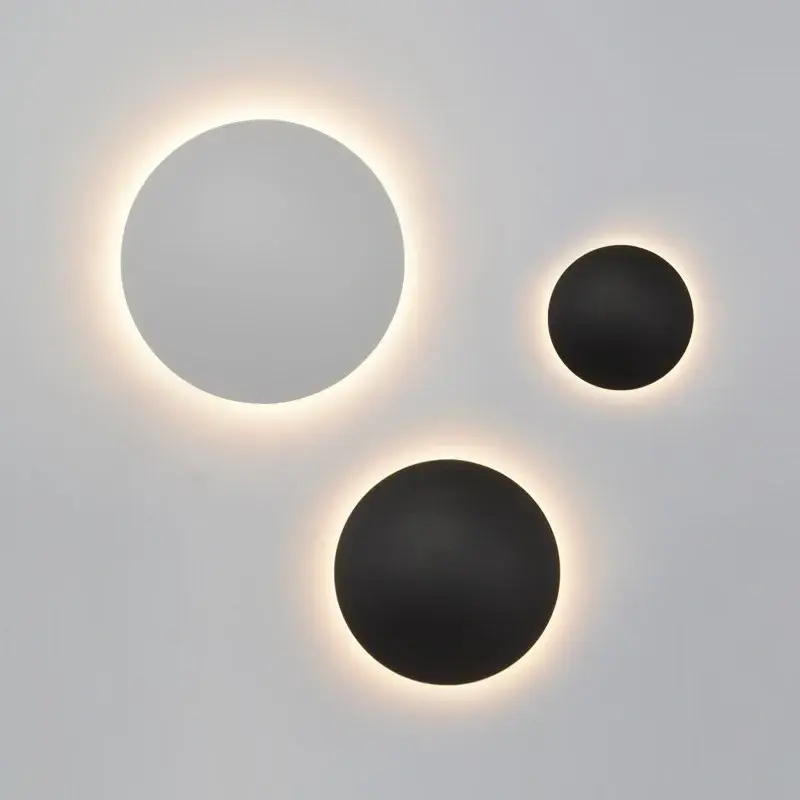
Putting up wall lamps at the right height makes a big difference in how well they light, how comfy the users are, and how nice the room looks. A good starting point is the normal mounting range of 66 to 72 inches. However, this range may need to be changed based on the ceiling height, the room's purpose, and the type of device being used. As LED technology gets better and smart settings are added, indoor wall sconces get better. These changes make the lights use less energy and give companies more freedom to run their businesses, which is very important in modern buildings.
FAQ
What is the standard mounting height for wall sconces in commercial buildings?
In businesses, most hanging lights are set up 66 to 72 inches above the floor. It's good for adults' eyes because this range stops glare and makes sure there is enough light spread out. 66 to 68 inches is what most hotels and businesses use for small rooms. For larger rooms, 70 to 72 inches may be best.
Can different sconce heights be used in the same room for layered lighting effects?
Different-height lanterns can be used to make good stacked lighting if you plan it right. Accent lights can be put 6 to 12 inches above or below the main lights to change the look of the room and do different things. But if you keep the main lighting sources the same, the lighting will be even and the room will look professional.
How do LED sconce properties influence installation height decisions?
Little LED lights are easy to put in place because they don't make as much heat. You can see well from standard heights thanks to their high light output efficiency, and you can make changes to them after installation thanks to their lowering features. Because LEDs last a long time, they are also easier to maintain, which can change the height that is chosen for normal lights.
Transform Your Commercial Spaces with USKYLED Indoor Wall Sconces
USKYLED delivers premium indoor wall sconces engineered for commercial excellence. Our LED lights have a performance level of 90+ CRI, different fixing choices, and pass all safety tests. You can save more energy, make sure you always have enough big supplies, and get the expert help that buying professionals need. Send an email to sales@uskyled.com about your project to find out why top builders choose USKYLED for lighting options that change the way things look.
References
1. Illuminating Engineering Society. "Recommended Practice for Interior Lighting Design." New York: IES Publications, 2018.
2. Miller, James R. "Commercial Lighting Installation Standards and Best Practices." Building Systems Engineering Journal, vol. 45, no. 3, 2019, pp. 78-92.
3. National Electrical Contractors Association. "Wall-Mounted Fixture Installation Guidelines for Commercial Applications." NECA Standards Publication, 2020.
4. Thompson, Sarah L. "Ergonomic Considerations in Commercial Lighting Design." Architectural Lighting Review, vol. 28, no. 7, 2021, pp. 134-148.
5. International Association of Lighting Designers. "Wall Sconce Selection and Installation Criteria for Professional Environments." IALD Technical Bulletin, 2019.
6. Roberts, Michael P. "Energy Efficiency Standards in Commercial LED Wall Lighting." Journal of Sustainable Building Technology, vol. 33, no. 2, 2020, pp. 67-81.

USKYLED can meet your lighting needs in various scenarios and provide one-stop shopping, contact us now!
Why You Should Choose USKYLED?
![What is Dimmable Track Lighting for Museum: Best Guide [2025]](/icms/upload/0d08cc601e7611f0b542b3ca0c0f4a83/pic/knowledgemanager-knowledgepic/e7879f32605f11f081911f363b8c1ed0/Directory/20250717 dimmable track lighting -1(1)_1752739217941.webp)