How to Install LED Driver Lights
Your lighting systems will work better, use less energy, and last longer if you install LED driver lights the right way. An LED driver controls the flow of electricity to LED lights. This keeps the brightness fixed and keeps the lights from breaking when the voltage changes. Learning how to install something will help you buy the right things and make sure they meet safety and performance standards around the world, whether you're in charge of a business repair job or an upgrade to an industrial lighting system.
Understanding LED Drivers and Their Role in LED Lighting
What Are LED Drivers and How Do They Function?
Most LED lighting systems depend on LED drivers to work. They change the power grid's alternating current (AC) into the direct current (DC) that LED lights need. Incandescent lights can work with AC power alone, but LEDs need precise current control to work right and safely. The driver acts as a shield to protect your lighting investment and make sure it works properly for as long as it's supposed to.
Electricity control devices come in two main types: those that give a steady current and those that give a steady voltage. Drives that use constant current keep the amperage the same even if the voltage changes. Because of this, they work great in high-power industrial settings where a lot of LED lights are linked together in a line. But constant voltage generators let the current change based on the load while keeping the voltage the same. This works well for parallel LED sets, which are common in lighting systems for buildings.
Types of LED Drivers for Different Applications
For modern lighting projects, driver solutions need to be custom made to fit the project and its surroundings. It is possible to change the amount of brightness with dimmable drivers, which lets building managers save energy and make the area feel better. It's easy to use these high-tech units with building control systems because they support protocols like 0-10V, DALI, and wifi settings that make things more flexible.
Programmable drivers are the newest type of lighting technology. They let you change the patterns of output to fit the needs of your business. These smart units can change the color temperature, set up schedules, and track performance in real time thanks to their connected interfaces. Waterproof and rated for use outside, these tools have strong IP65 or IP67 covers that can stand up to bad weather. Because of this, they are needed for lighting in gardens, parking lots, and factories where being exposed to water is a big risk.
Interpreting Driver Specifications for Procurement Decisions
If procurement managers know about the technical details, they can pick the driver choices that best fit the project's goals and the budget. To keep things from breaking or not getting enough power, the output current (in milliamperes or amperes) must be the same as the total current draw of all the LED lights that are linked. When a system has an efficiency number above 90%, it means that it will use a lot less energy over its lifetime. Voltage compatibility makes sure that the system works well with the electricity that is already in place.
UL, CE, RoHS, and DLC compliance are all safety marks that show the product meets high quality standards around the world. These standards protect both technicians and end customers. To meet the requirements of the building code and insurance companies for business lighting systems, these certificates are also valid. Reactive power is used less when power factor adjustment is used. This saves money on energy costs and makes the electrical system more stable for large-scale uses.
Preparing for Installation: Key Considerations and Safety Measures
Selecting the Right Driver for Your Project Requirements
The first things that need to be done for an LED driver installation to go well are a full load study and environmental review. To get the right amount of power and current for your LED lights, add 10 to 15 percent more. This is to account for changes between parts and for future growth. It's best to think about dimming needs early on in the decision process, since installing systems after the fact is often more expensive and difficult than installing systems that can do dimming from the start.
Drivers make decisions about where to drive and how to park their cars based on the environment. For indoor use, a simple cover with good security is generally enough. For outdoor use, however, weatherproof housings with the right IP grades are needed. Temperature changes both how well a driver works and how long it lasts. Good units have thermal safety systems that keep them from breaking down in tough conditions. Making plans for good airflow helps keep things at the right temperature so that parts last as long as possible and guarantees are still valid.
Essential Tools and Safety Equipment
For a professional installation, they need to have certain safety gear and tools that keep the person safe and the system working well. Every installation kit should have basic electrical tools like wire strippers, multimeters, and protected screwdrivers. Electrical safety is kept at bay for installers with voltage testers and lockout/tagout gear during circuit changes and connections. Installation bases that are safe and up to code can be made with junction boxes and the right fastening tools.
Some of the tools used to manage wires are strain reliefs, cable glands, and conduit fittings. These keep links safe and make maintenance easy in the future. Weatherproof joints and heat-shrink tubes make sure that links work well even when the weather is bad. You can avoid getting hurt when working with electricity by putting on safety glasses, thick gloves, and shoes that don't soak up electricity. Good building materials directly make the system work better and reduce the need for return service.
Step-by-Step Guide to Installing LED Driver Lights
Interpreting Wiring Diagrams and Safety Protocols
Before you start putting anything, make sure you carefully look over the wire diagrams that the manufacturer gives you and make sure that the LED fixture needs and driver output specs are the same. Turn off circuits at the main breaker and check them with the right tools to make sure they are not still live. By stopping tools and workers from getting hurt by accidentally turning on electricity during installation work, the right lockout/tagout procedures keep everyone safe.
Most of the time, wiring diagrams show where to connect the line, neutral, and ground wires, as well as the LED loads that will be attached to the output parts. Pay close attention to the polarity markings on the DC output connections. If you connect them the wrong way, the LED lights will never work again. A lot of new drivers have monitoring LEDs that show how they're working and when something is wrong. This helps keep the drivers in good shape and fix any issues that come up.
Wiring Procedures for Different Driver Configurations
To set up a constant current driver, you need to connect the wires in a way that sends power through each LED light in a certain order. First, connect the main AC input leads to the circuits on the right. For safety and to cut down on noise, make sure the ground connections are right. The positive end of the motor is linked to the first LED fixture by output lines. The circuit goes to the next fastener and then back to the negative contact on the driver.
In installations with a steady supply, each LED light has its own power source thanks to parallel wires. This setup gives you more ways to manage zones and change individual lights, and the other units will keep running while you do maintenance. Connect the positive ends of all the LEDs to the positive output of the driver. Next, use the right-sized wire for the distance and amount of power you need to connect all of the LEDs' negative ends to the driver's negative output.
Post-Installation Testing and Troubleshooting
Tests are done to make sure the system was installed properly and to find any problems that might happen before it is put into use. First, check each link to make sure it is tight and that the orientation is pointing the right way. To find out what the output voltage and current are, use calibrated test tools and match them to the design numbers and the manufacturer's specs. When you test the dimming function, you can be sure that it works across the whole range of controls and find any issues with how well the drivers and control systems connect.
During installation, flickering can happen when dimming controls don't work with each other, overheating can happen when there isn't enough air flow, and voltage drops in long wire runs can cause less light to be produced. Fixing things in a planned way helps get to the root of the problem quickly, which keeps projects on track and makes sure customers are happy. This will make it easier to do maintenance and system growth in the future. Write down all of the test results and setup settings.
Comparing LED Drivers: Making the Best Procurement Decisions
LED Driver Performance Analysis and Brand Comparison
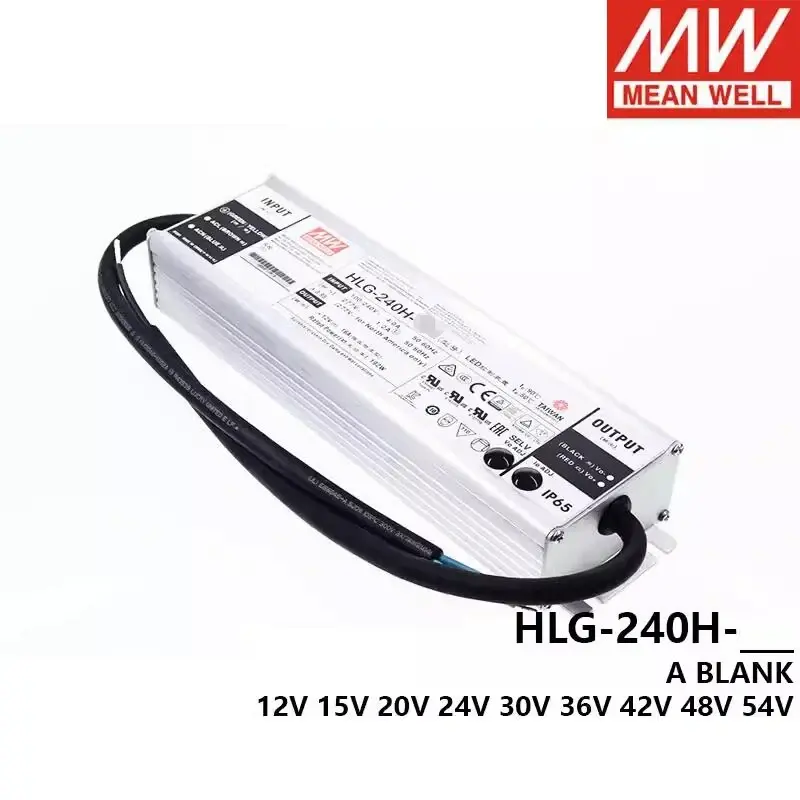
Some of the best companies that make drivers for a wide range of business and commercial lighting needs are Meanwell, Inventronics, and Philips. You can count on Meanwell drivers, and they don't cost a lot of money. These are great for use in international settings because they can handle a wide range of powers and keep the temperature under control well. Electronics is all about modern fading technologies and features that can be set up to work with complicated lighting control systems.
Performance measures that go beyond just how much power something needs have a big impact on both the user's happiness and the total cost of ownership. Rates of economy have a direct effect on the cost of energy. Regular units are only 85–90% efficient, while premium units are at least 95% efficient. How utilities work together and how much you pay for them are both affected by power factor rates. This is very important for large business setups because fines for bad power factor can make costs much higher.
Procurement Strategies for B2B Buyers
To save money, buy in bulk and make sure you have enough supplies to meet project deadlines and fix things that break down in the future. Make sure you work with reliable suppliers who can help you with technology issues, let you make changes, and make sure your goods are always available. When looking at different provider deals, you should think about the total cost of ownership, which includes things like repairs, energy use, and warranty coverage.
It's harder to buy things around the world because of the logistics of sending goods across borders and following customs rules. Choose service providers who have dealt with other countries before and know what paperwork is needed and how to ship things. It's cheaper per unit to buy in bulk, but you need to keep close track of your goods to make sure you don't run out as technology changes. With quality assurance programs like cargo inspection and group testing, projects stay on track and the company's image is kept safe from any bad work.
Maintenance, Future-Protecting, and Performance Optimization
Routine Maintenance Protocols for Maximum Lifespan
LED drivers last longer and keep the system going at its best for as long as it is used with up-to-date repair plans. By planning regular checks, problems can be found early on, before they cause the system to break down or pose a safety risk. You can use infrared thermometers or thermal imaging tools to check the working temps and make sure the connections are tight. Let enough air flow through as well. Keep the driver cases and heat sinks clean so that temperature control works well.
The process of performance tracking finds parts that are almost worn out and keeps track of how well they are working. Write down the voltage and current readings when you do regular checks and compare them to the starting points you set when the system was first turned on. Readings that aren't normal could mean that issues are beginning to show up and need to be fixed before they become major issues. Always have extra drivers on hand in case the power goes out during a crucial task that could affect safety or business processes.
Upgrading to Advanced Driver Technologies
In terms of how useful they are, smart driving technologies give you more choices that make processes more adaptable and save energy. The color temperature can be changed, the light output shapes can be fine-tuned, and automatic plans can be set to use less energy during off-peak hours. When there is wireless access, building control systems or mobile apps can be used to keep an eye on things and take care of them from away.
The higher price is worth it because these high-tech features are very useful and save money on energy costs and make maintenance easier. Remote troubleshooting lets you find problems early on, so you can do maintenance that stops breaks before they happen. The best way to save energy and keep the right amount of light for work and safety is to combine motion monitors and sun collecting systems.
Conclusion
First, make sure that the LED driver are installed properly. This will help you build lighting systems in businesses and factories that work well and last a long time. Project managers and people who work in procurement can make decisions that save money and improve performance by understanding the different types of drivers, how to install them, and what their specs are. Safety standards must be met, and the system must last as long as possible. The best ways to do these things are to have a professional install it and use high-quality drivers from well-known names. Regular maintenance and planned changes to more advanced driver technologies protect the money you spend on lighting. These acts also make it possible for future changes in how things work and how much energy they use.
FAQ
What is the difference between constant current and constant voltage LED drivers?
But with constant current motors, the total amperage stays the same even if the voltage changes. They are great for wiring a bunch of high-power LEDs together because of this. The voltage stays the same with constant voltage motors, but the current can change depending on the load. They work with LED sets that are set up in parallel. The choice you make will depend on what your LED light needs and how your wiring is set up.
How do I determine the correct driver size for my LED installation?
How many watts does the LED light use all together? Add 10 to 15 percent to account for changes in the parts. Make sure that the driver can handle the current needs and that it can handle future needs as well. The choice of driver and size is also affected by things in the environment, like temperature ranges and moisture levels.
Can I install LED drivers myself or do I need a licensed electrician?
Installing an LED driver that includes electrical lines should generally be done by a licensed plumber in order to follow the rules and keep everyone safe. Some plug-in drives can be set up by the user, but hard-wired units that connect to the electrical systems of a building must follow the rules and codes for that area.
What are the most common LED driver failure symptoms?
Lights that flicker, aren't bright enough, don't work at all, make strange noises, or burn are all common signs that something is wrong. Problems with fading and LED lights that last less long may also be signs of driver issues. Fixing things in a planned way helps find out if the issue is with the driver, the tools, or the control systems.
How long do LED drivers typically last in commercial applications?
LED drivers that work well should last between 50,000 and 100,000 hours, which in a business setting is about 10 to 20 years. How long something lasts depends on a lot of things, such as the temperature, the amount of electricity used, the surroundings, and the quality of the parts. Drivers last longer and give you a better return on your investment if they are setup and taken care of properly.
Partner with USKYLED for Premium LED Driver Solutions
USKYLED has the most up-to-date LED driver technology and a wide range of lighting choices that can be tailored to your business or project. Smart control systems, high-efficiency drivers, and OEM solutions that can be changed are some of the many goods we offer. The quality of all of these items is guaranteed by strict rules and foreign approvals. Drop our team an email at sales@uskyled.com to talk about your specific LED driver supply needs and find out how our cutting-edge lighting technologies can make your next project run better and use less energy.
References
1. IEEE Standards Association. "IEEE Recommended Practice for Design and Installation of LED Light Sources and Systems." Institute of Electrical and Electronics Engineers, 2023.
2. National Electrical Contractors Association. "LED Driver Installation Guidelines and Best Practices for Commercial Applications." NECA Technical Manual, 2024.
3. Department of Energy. "LED Driver Performance Standards and Energy Efficiency Requirements." DOE Lighting Research Program, 2023.
4. International Electrotechnical Commission. "Safety Requirements for LED Drivers and Control Gear." IEC 61347-2-13 Standard, 2024.
5. Illuminating Engineering Society. "LED Driver Selection and Application Guide for Commercial Lighting Systems." IES Technical Memorandum, 2023.
6. American National Standards Institute. "Performance Testing and Certification Requirements for LED Power Supplies." ANSI C82.11 Standard, 2024.

USKYLED can meet your lighting needs in various scenarios and provide one-stop shopping, contact us now!
Why You Should Choose USKYLED?
![What is Dimmable Track Lighting for Museum: Best Guide [2025]](/icms/upload/0d08cc601e7611f0b542b3ca0c0f4a83/pic/knowledgemanager-knowledgepic/e7879f32605f11f081911f363b8c1ed0/Directory/20250717 dimmable track lighting -1(1)_1752739217941.webp)