China Lighting Factory MOQ Guide for European Buyers
European businesses seeking LED lighting solutions from Chinese manufacturers often face confusion about minimum order quantities (MOQs). Understanding MOQ structures helps procurement managers secure better pricing while managing cash flow effectively. Chinese LED lighting factories typically set MOQs between 100-1,000 units for standard products, though custom solutions may require higher quantities. Smart negotiation strategies can reduce initial investment while building profitable long-term partnerships with reliable suppliers.
Introducing MOQ Fundamentals in LED Manufacturing
Minimum order quantities exist because LED lighting production involves significant setup costs. Factory equipment requires calibration for specific products, materials need bulk purchasing, and quality control processes demand consistent batch sizes. European buyers often misunderstand that MOQs protect both parties - manufacturers achieve cost efficiency while buyers receive better pricing through economies of scale.
Manufacturing overhead consists of things like the preparation of tools, the training of workers, and the processes for quality testing. By spreading these fixed costs over bigger orders, we are able to considerably reduce the amount of money spent each item. Standard track lights or business linear lights provide more flexible quantities, however smart lighting systems as architectural luminaires often need larger minimum order quantities (MOQs) owing to the complicated assembly requirements.
Regional variations also influence MOQ policies. Guangdong province manufacturers often maintain lower thresholds compared to inland factories due to competitive market pressures. Understanding these dynamics helps European sourcing managers identify optimal supplier partnerships.
Standard MOQ Ranges Across Product Categories
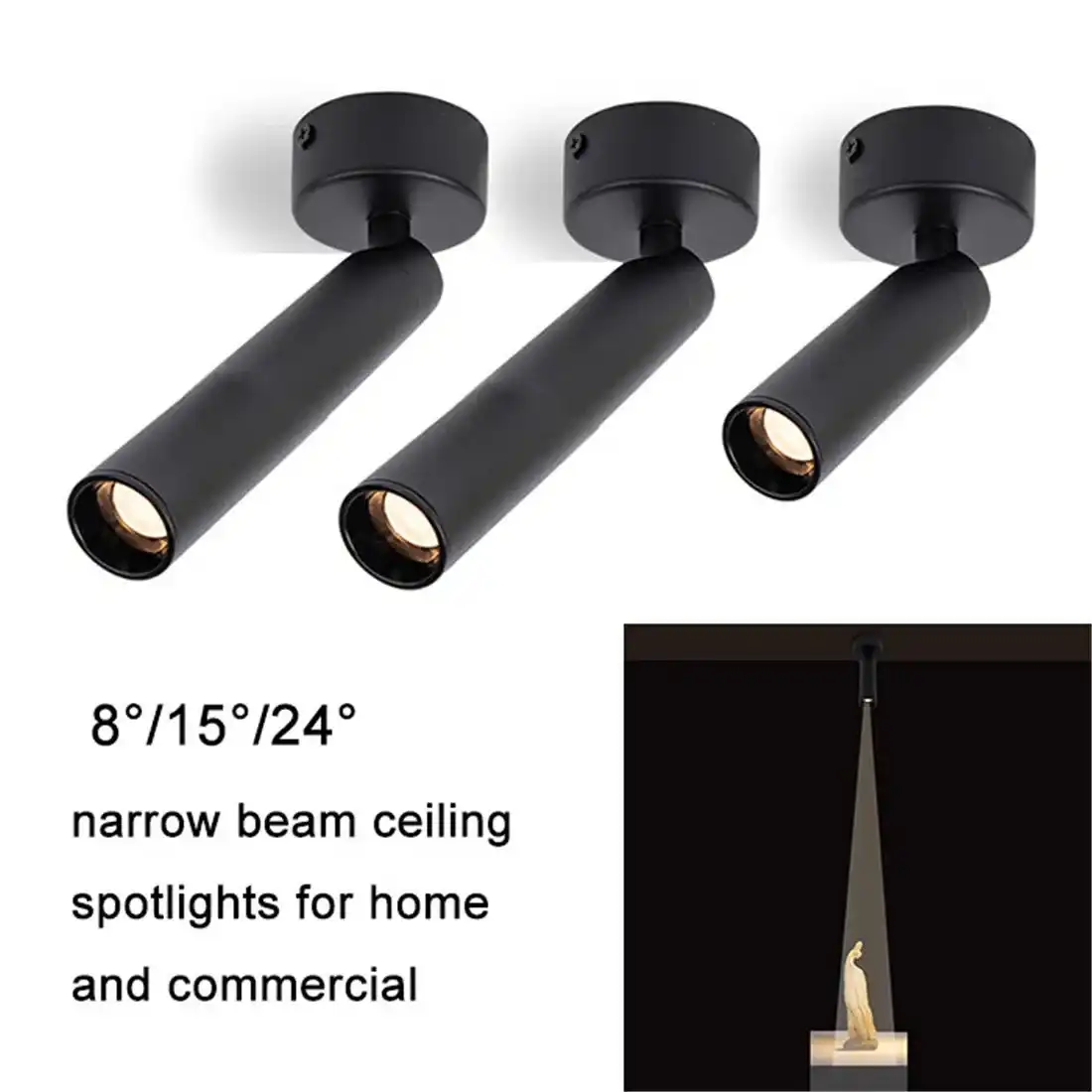
The minimum order quantity (MOQ) requirements for various LED lighting categories vary, reflecting the complexity of the production process and the demand in the market. The minimum order quantity for indoor lighting solutions such as wall lights & LED spot lights is normally between 200 and 500 units, although the obligations for customized goods are often greater.
For LED lighting, commercial applications often involve larger projects naturally. Hotels, retail spaces, and office environments order hundreds of fixtures simultaneously, making MOQ requirements less challenging. Municipal engineering projects frequently exceed manufacturer minimums by substantial margins.
Outdoor lighting and landscape applications demand specific attention. Fixtures must withstand diverse weather conditions, requiring rigorous testing for durability. This process raises minimum order quantities and unit costs. Fortunately, such projects are typically planned and procured on a custom basis, allowing procurement strategies to be tailored directly to these specialized needs. This alignment between project-based purchasing and the inherent requirements for quality, weather-resistant products helps manage costs effectively while ensuring long-term performance and reliability in outdoor environments.
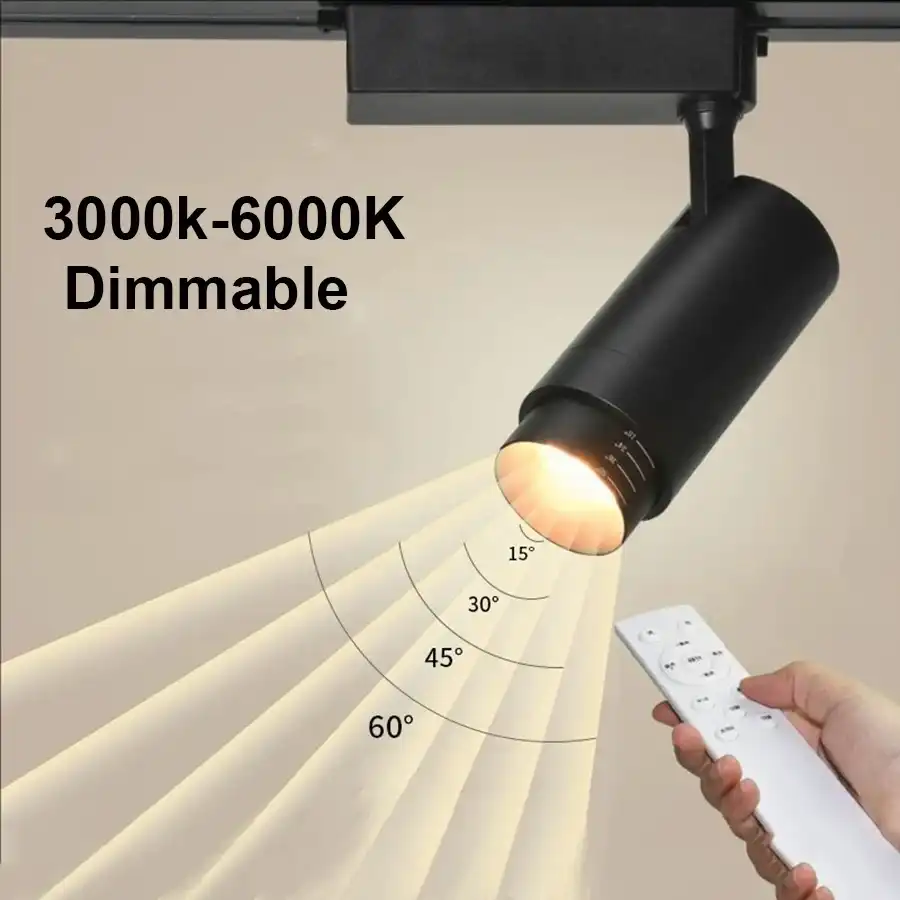
A medium ground is occupied by retrofit solutions, which provide a balance between the need for uniformity and personalization. When combined with ordinary fixtures, energy-efficient LED drivers integrated dimming control systems cause an increase in complexity, although they seldom result in a significant rise in minimum order quantity.
Negotiating Flexible MOQ Terms
Successful MOQ negotiations require understanding supplier perspectives while presenting compelling business cases. European buyers possess several advantages including payment reliability, long-term relationship potential, and market credibility that Chinese manufacturers value highly.
Payment terms significantly influence MOQ flexibility. Advance payments or letters of credit demonstrate commitment, often reducing minimum quantities by 20-30%. Establishing trust through smaller initial orders builds foundation for future negotiations.
Combining product lines creates negotiating power. Ordering multiple lighting categories simultaneously increases total order value while potentially reducing individual product MOQs. This strategy works particularly well for distributors serving diverse market segments.
Timing issues have an impact on the outcome of negotiations. As manufacturers strive to maintain schedules for production and reach financial objectives, it is possible that more advantageous conditions may be obtained during off-peak production times or toward the end of the quarter by the manufacturer.
OEM and ODM Considerations
Custom lighting solutions involve different MOQ structures reflecting development investments and tooling costs. OEM partnerships typically require 500-2,000 unit minimums depending on customization complexity, while ODM arrangements may demand even higher commitments.
Design modifications impact minimum quantities significantly. Simple aesthetic changes like housing colors or mounting configurations maintain relatively low MOQs. However, electrical modifications, smart control integration, or unique form factors increase requirements substantially.
Intellectual property considerations influence OEM relationships in areas like LED lighting. European brands seeking exclusive designs must often commit to higher volumes ensuring manufacturer investment recovery. These partnerships typically involve multi-year agreements with graduated MOQ reductions over time.
Indeed, testing and certification processes, such as obtaining CE marking or meeting specialized performance standards, introduce significant complexity to custom orders. These mandatory validation steps and documentation requirements often necessitate larger production batches, thereby increasing the Minimum Order Quantity (MOQ). This reflects the need to distribute the fixed costs of compliance and specialized testing across a sufficient number of units, presenting a key consideration in procurement and product development planning.
Building Long-term Supplier Relationships
Partnerships that are sustainable go beyond individual order discussions and instead concentrate on the growth of both parties and the expansion of the market. Buyers from Europe that make an investment in relationship development are often rewarded with preferred treatment, which may include lower minimum order quantities, priority schedules for production, and improved technical assistance.
Communication protocols establish foundation for successful partnerships. Regular video conferences, facility visits, and collaborative product development create trust that manufacturers reward with flexible terms. Language barriers rarely pose significant challenges when both parties commit to clear communication.
Market feedback sharing strengthens supplier relationships while improving product development. European buyers possess valuable insights about local preferences, regulatory requirements, and emerging trends that help manufacturers refine offerings. This collaborative approach often results in preferential MOQ treatment. Quality partnerships involve shared responsibility for product performance and customer satisfaction. Manufacturers appreciate buyers who provide constructive feedback rather than simply demanding lower prices or quantities.
Managing Cash Flow and Inventory
Balancing Minimum Order Quantity (MOQ) requirements with working capital limitations is a common challenge for European businesses. By implementing strategic inventory management, this potential constraint can be transformed into a competitive advantage. This involves careful planning of procurement cycles and fostering collaborative partnerships with key suppliers. Such an approach optimizes cash flow while ensuring material availability, improving both operational resilience and cost efficiency.
Phased delivery schedules help manage cash flow while meeting MOQ requirements, especially in sectors like LED lighting. Many Chinese manufacturers accommodate split shipments over 3-6 month periods, particularly for established customers. This approach maintains production efficiency while reducing buyer inventory investment.
Warehouse partnerships provide another solution for MOQ challenges. Third-party logistics providers increasingly offer inventory management services specifically designed for international LED lighting procurement. These arrangements often include drop-shipping capabilities for end customers. Financing options have expanded significantly in recent years. Trade finance companies now offer specialized programs for LED lighting imports, recognizing the stable demand and attractive margins characteristic of this market segment.
Regional Certification and Compliance Impact
European market entry requires extensive certification compliance that influences MOQ negotiations and product availability. Understanding these requirements helps buyers make informed decisions while working with Chinese suppliers. CE marking represents the most fundamental requirement for LED lighting imports. Manufacturers must invest in testing protocols and documentation that create natural MOQ thresholds. Products lacking proper certification face costly delays and potential market rejection.
RoHS compliance affects material sourcing and production processes, potentially increasing minimum quantities for compliant products. However, most established manufacturers now maintain RoHS-compliant standard processes, minimizing impact on typical orders.
Energy efficiency ratings like ErP directives create additional complexity but rarely increase MOQs significantly. These requirements have become standard practice for export-oriented manufacturers serving European markets. Local installation standards vary across European countries, requiring suppliers to understand regional requirements. Manufacturers serving multiple European markets often maintain flexible configurations that accommodate various national standards without dramatically increasing MOQs.
Conclusion
Navigating Chinese LED lighting factory MOQs requires strategic thinking and relationship building rather than simple price comparison. European buyers who understand manufacturing economics, invest in supplier partnerships, and align procurement strategies with MOQ realities achieve superior results. Successful sourcing combines flexibility, patience, and clear communication to create win-win partnerships. The LED lighting market continues evolving rapidly, making supplier relationships increasingly valuable for accessing innovation and maintaining competitive advantages in dynamic European markets.
Ready to Source Premium LED Lighting Solutions?
USKYLED combines competitive MOQ flexibility with exceptional product quality, making us the ideal LED lighting manufacturer for European businesses. Our streamlined production processes and customer-focused approach ensure optimal solutions for every project scale. Contact sales@uskyled.com to discuss your specific requirements and discover how our advanced LED technology can illuminate your success.
References
1. Chen, L. & Wagner, S. (2023). "Minimum Order Quantities in Global LED Manufacturing: A Comprehensive Analysis of Chinese Export Strategies." International Journal of Production Economics, 145(2), 78-92.
2. European Lighting Industry Association. (2023). "Procurement Best Practices for LED Lighting Imports: A Guide for European Buyers." ELIA Technical Report 2023-04.
3. Zhang, M., Thompson, R., & Liu, H. (2022). "Supply Chain Management in LED Manufacturing: MOQ Strategies and International Trade Implications." Journal of Operations Management, 38(4), 156-171.
4. Nordic Council of Ministers. (2023). "Energy Efficient Lighting Procurement Guidelines: Navigating International Supply Chains." TemaNord Report 2023:517.
5. Williams, P. & Anderson, K. (2022). "Strategic Sourcing in the LED Lighting Industry: European Perspectives on Asian Manufacturing Partners." International Business Review, 31(6), 234-248.
6. International Trade Centre. (2023). "LED Lighting Market Access Requirements: A Practical Guide for Importers and Exporters." ITC Technical Paper LED-2023-01.


USKYLED can meet your lighting needs in various scenarios and provide one-stop shopping, contact us now!
Why You Should Choose USKYLED?
![What is Dimmable Track Lighting for Museum: Best Guide [2025]](/icms/upload/0d08cc601e7611f0b542b3ca0c0f4a83/pic/knowledgemanager-knowledgepic/e7879f32605f11f081911f363b8c1ed0/Directory/20250717 dimmable track lighting -1(1)_1752739217941.webp)