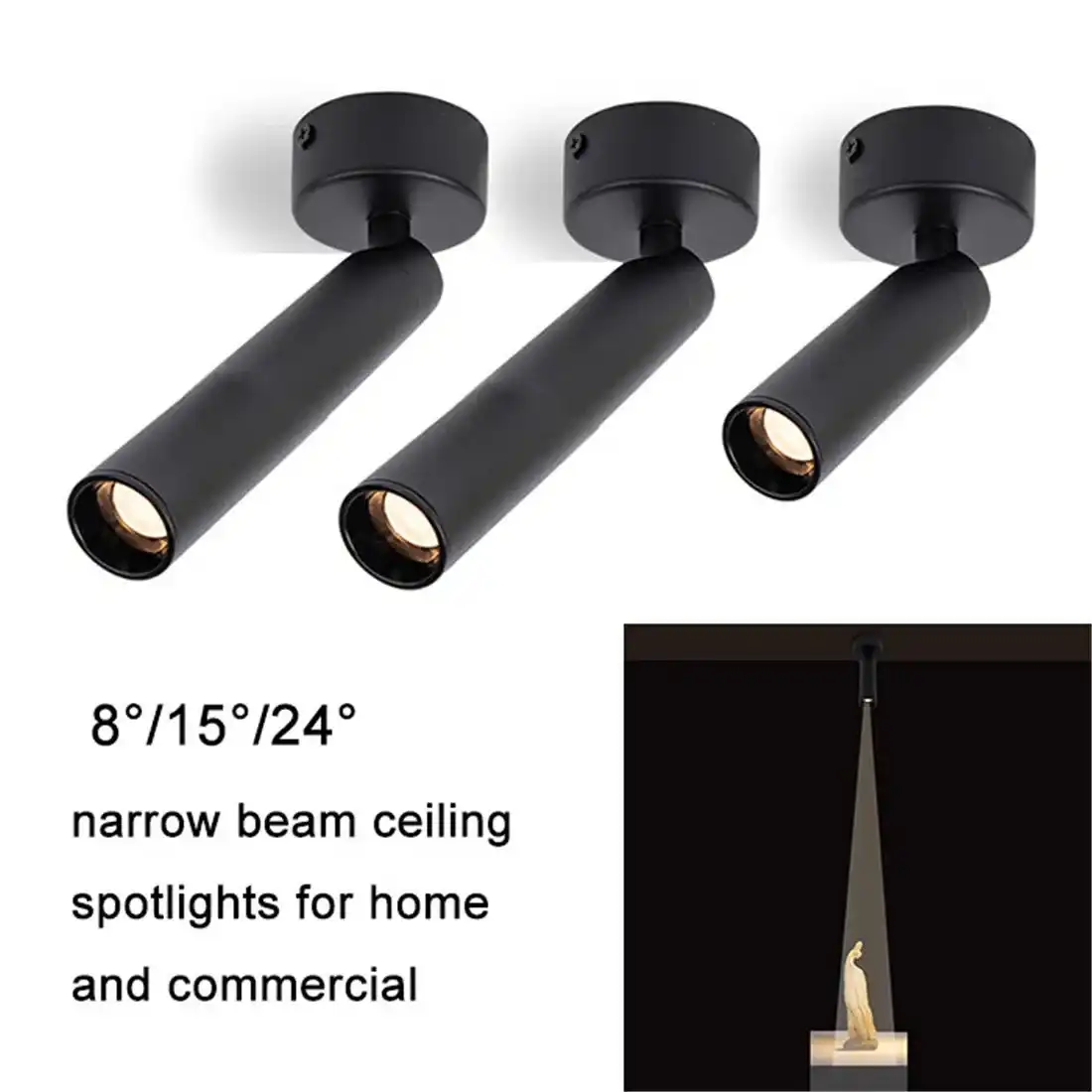
Top Downlight Suppliers in China for the Australian Market
Australia's commercial and residential lighting industry increasingly relies on Chinese downlight manufacturers for high-quality, cost-effective LED solutions. Major suppliers like USKYLED, Opple Lighting, and NVC International have established strong partnerships with Australian distributors, contractors, and designers. These manufacturers excel in producing energy-efficient recessed lighting, surface mounted downlights, and smart lighting systems that meet Australia's stringent electrical standards and environmental requirements.
Chinese Manufacturing Excellence: The Foundation of Quality Downlights
Advanced LED Technology Integration
The manufacturing of downlights has been revolutionized by Chinese manufacturers because to the superior LED chip technology plus thermal management methods that they have implemented. Prominent manufacturing facilities make use of cutting-edge SMD LED arrays, which are capable of delivering remarkable luminous effectiveness while simultaneously preserving color constancy throughout big production batches. Automated pick-and-place machines are used in contemporary production facilities. These machines guarantee the accurate arrangement of components, which ultimately leads to improved optical performance and a longer lifetime for the product.
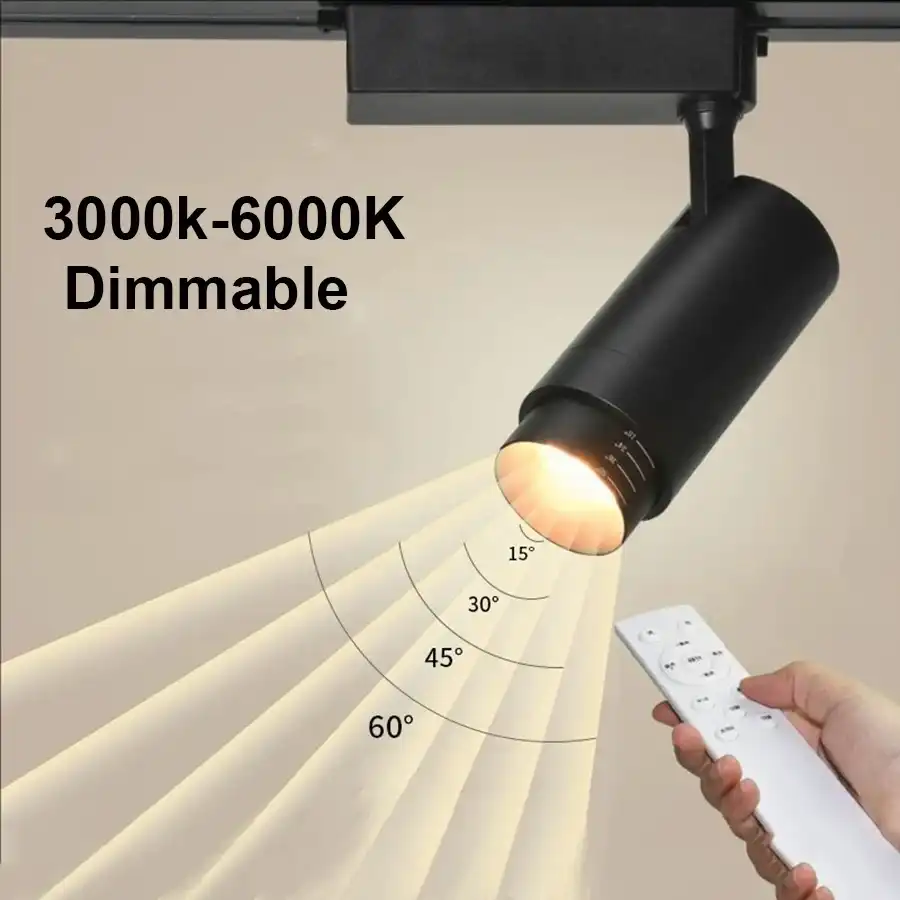
The incorporation of intelligent lighting capabilities is yet another key innovation in the manufacture of downlights in China. Dimmable downlights that are equipped with wireless control mechanisms are now available from a variety of providers, which enables them to be seamlessly integrated with building management software. This level of technical expertise puts Chinese manufacturers in a position to be preferred partners for projects in Australia that need intelligent lighting solutions.
Cost-Effective Production Capabilities
Downlight production in China benefits from economies of scale that are unparalleled because to the country's industrial infrastructure. It is possible for manufacturers to provide affordable prices without sacrificing quality when they have established supply chains involving aluminum extrusions, fluorescent components, and electrical drivers. Vertical integration within bigger facilities enables control over crucial components, which helps to preserve cost benefits while also guaranteeing that quality standards are maintained consistently.
Additionally, extra savings are created as a result of the concentrated efforts of specialized suppliers inside industrial clusters. In particular, the Pearl River Delta area of Guangdong Province is home to a large number of LED component manufacturers, which enables quick prototyping and shorter development cycles for bespoke downlight projects.
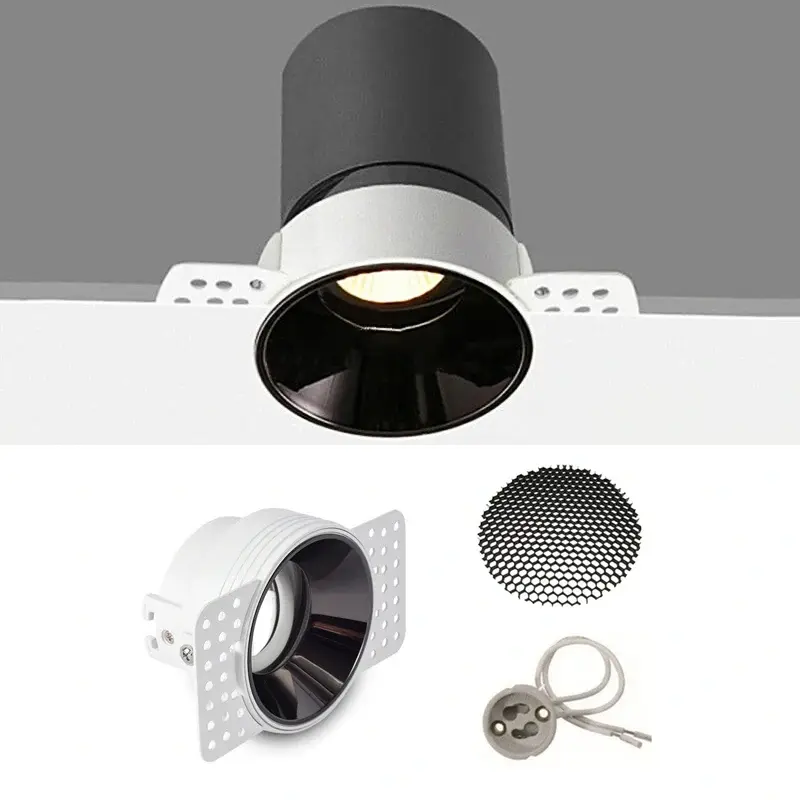
Strategic Approaches for Identifying Reliable Manufacturing Partners
Comprehensive Factory Assessment Protocols
In order to correctly evaluate possible downlight suppliers, it is necessary to conduct a comprehensive evaluation of their capacity for manufacturing and quality control mechanisms. In-depth facility audits are carried out by professional buyers, during which they investigate the structure of production lines, the availability of testing equipment, and the training programs for workers. Dedicated quality control facilities are maintained by reputable manufacturers. These laboratories are equipped with integrating globes, thermal testing chambers, & photometric measuring systems.
One of the most important aspects of the assessment of suppliers is the inspection of documentation. In-depth technical specifications, flowcharts of the manufacturing process, and quality control processes are all provided by well-established manufacturers. Documents such as these demonstrate that the manufacturer is dedicated to the implementation of systematic quality control and that they are able to maintain consistent results standards.
Production Capacity Verification Methods
To avoid delivery delays and to guarantee appropriate supply chain dependability, it is necessary to have a thorough understanding of the real production capacity. Experienced sourcing managers will seek comprehensive production plans and investigate the rates at which equipment is used in order to validate the capacity statistics that are given. It is possible to get important insights into the operational effectiveness and personnel management methods by conducting site visits throughout peak production times.
In comparison to facilities that produce many lighting categories concurrently, manufacturers that have specialized downlight production lines often exhibit a higher level of consistency. It is clear that a significant commitment to downlight production quality is shown by the presence of specialized tools for LED installation, optical manufacturing, and thermal testing.
Supplier Financial Stability Analysis
Long-term partnerships require suppliers with solid financial foundations. Credit reports, bank references, and annual financial statements provide essential information about supplier stability. Established manufacturers often maintain relationships with multiple component suppliers, reducing vulnerability to supply chain disruptions.
Insurance coverage verification ensures protection against product liability issues. Reputable suppliers maintain comprehensive product liability insurance and professional indemnity coverage, demonstrating their commitment to responsible manufacturing practices.
Essential Certification Requirements for Australian Market Entry
Mandatory Australian Standards Compliance
Australian electrical safety regulations require specific certifications for all lighting fixtures. The Regulatory Compliance Mark (RCM) indicates compliance with electromagnetic compatibility and electrical safety standards. Downlight suppliers must demonstrate compliance with AS/NZS 60598 series standards covering luminaire safety requirements.
Energy efficiency standards under the Equipment Energy Efficiency (E3) program mandate minimum efficacy requirements for commercial LED downlights. Suppliers targeting the Australian market must provide detailed photometric test reports from NATA-accredited laboratories demonstrating compliance with these efficiency standards.
International Quality Certifications
Above and above the standards that are necessary, international certifications improve the credibility of suppliers and increase market acceptability. The certification for quality management known as ISO 9001 displays a methodical commitment to quality assurance and ongoing development. To demonstrate a commitment to environmentally responsible production methods, environmental management certifications (ISO 14001) is required.
Product-specific certifications like UL listing and CE marking facilitate expansion into multiple international markets. Suppliers maintaining multiple international certifications typically demonstrate superior quality management capabilities and global market understanding.
Testing Laboratory Accreditation Verification
Authentic certification requires testing by properly accredited laboratories. Buyers should verify laboratory accreditation status and ensure test reports bear appropriate accreditation logos. Fraudulent certifications remain a persistent issue, making independent verification essential for compliance assurance.
Direct access to the original reports of tests and certification paperwork is made available by manufacturers with reasonable reputations. Because they maintain ties with a number of different testing labs, they are able to organize extra testing if it is necessary for certain project needs.
Effective Sourcing Channels and Platform Utilization
Professional Trade Exhibition Participation
The chances for direct supplier contact and product assessment that are presented at international lighting exhibits are really useful ones. Every year, numerous manufacturers and customers from all over the world attend the Guangzhou National Lighting Exhibition, which is considered to be the most important lighting trade event in Asia. Participating in these exhibits allows for direct product evaluation as well as face-to-face contacts with suppliers.
Canton Fair's lighting pavilion offers another excellent sourcing venue, particularly for established manufacturers with proven export capabilities. The exhibition format allows comparison of multiple suppliers within concentrated timeframes, improving sourcing efficiency.
Digital B2B Platform Advantages
The most up-to-date business-to-business systems provide advanced filtering and verification technologies for the purpose of identifying suppliers. On premium platforms, verified supplier programs are available, which provides an extra level of assurance about the credentials of manufacturers. The advanced search options allow for accurate filtering based on product specs, endorsements, and geographic location.
Video factory tours and virtual product demonstrations have become standard features on leading platforms. These tools enable preliminary supplier assessment without international travel requirements, reducing initial sourcing costs while maintaining evaluation quality.
Direct Manufacturer Identification Strategies
Identifying specialist downlights manufacturers may be accomplished with the assistance of industry directories & manufacturer organizations, which are both helpful tools. The China Electronic Lighting Network is responsible for the upkeep of extensive manufacturer databases that provide full descriptions of manufacturing capabilities. A significant number of professional sourcing consultants have substantial supplier networks that they have created over the course of years of expertise in the sector.
Online research through manufacturer websites reveals valuable information about production capabilities, client references, and technical expertise. Established manufacturers maintain professional websites with detailed product catalogs and technical support resources.
OEM/ODM Partnership Development Strategies
Custom Design Capability Assessment
Successful OEM partnerships require suppliers with robust design and development capabilities. Leading manufacturers maintain in-house industrial design teams capable of creating custom downlight solutions meeting specific aesthetic and performance requirements. Computer-aided design capabilities and rapid prototyping equipment enable efficient design iteration cycles.
Intellectual property protection agreements form essential components of OEM relationships. Reputable manufacturers respect client IP rights and maintain confidentiality agreements protecting proprietary design information. Clear documentation of IP ownership prevents future disputes and ensures long-term partnership success.
Minimum Order Quantity Optimization
MOQ requirements vary significantly among manufacturers depending on customization levels and production setup costs. Standard downlight models typically carry lower MOQ requirements compared to fully customized solutions. Understanding production economics helps buyers negotiate realistic MOQ levels while maintaining cost competitiveness.
Mixed order capabilities allow combination of multiple product variants within single production runs. This flexibility particularly benefits distributors requiring diverse product portfolios without excessive inventory investment.
Quality Control Integration
Integrated quality assurance processes are necessary for successful OEM collaborations because they guarantee that the output will be consistent and will fulfill the requirements of the customer. Throughout the manufacturing cycle, independent quality verification is provided via inspection services provided by third parties. Pre-shipment inspection reports are used to prove that the agreed-upon standards have been met prior to the permission of shipment.
Collaborative quality improvement programs enable continuous enhancement of product performance and manufacturing efficiency. Regular quality review meetings identify improvement opportunities and prevent recurring quality issues.
Pricing Negotiation and Commercial Terms Optimization
Market Price Benchmarking Techniques
Effective price negotiation requires comprehensive understanding of market pricing dynamics. Professional buyers maintain pricing databases tracking cost trends for key components including LED chips, drivers, and housing materials. Understanding cost structures enables realistic pricing discussions and identifies genuine value propositions.
When it comes to large-scale initiatives or long-term supplier agreements, volume commitment incentives can provide considerable cost savings. Buyer loyalty is rewarded by annual volume contracts that include graduated price reductions, and suppliers are provided with planning for production certainty as a result of these agreements.
Payment Terms and Risk Management
Flexible payment terms balance cash flow requirements with risk management considerations. Letters of credit provide security for both parties while enabling competitive payment terms. Established relationships often enable more flexible payment arrangements as trust develops between partners.
Currency hedging strategies protect against exchange rate fluctuations during extended project cycles. Forward contracts or currency options provide cost predictability for large-scale procurement programs spanning multiple months.
Delivery and Logistics Coordination
Shipping term optimization significantly impacts total landed costs for Australian buyers. Free on Board (FOB) terms provide buyer control over shipping arrangements while Cost, Insurance, and Freight (CIF) terms simplify logistics management. Container load optimization reduces per-unit shipping costs for large volume orders.
Express shipping options accommodate urgent project requirements while standard ocean freight provides cost-effective solutions for planned procurement cycles. Reliable suppliers maintain relationships with multiple logistics providers ensuring flexible shipping options.
Quality Assurance and Factory Audit Best Practices
Production Line Assessment Criteria
An exhaustive factory audit will investigate the structure of the production line, the procedures for maintaining the equipment, and the training programs for the employees. SMD mounting machines, thermal reflow soldering equipment, and optical assemble stations are examples of the types of specialized industrial machinery that are required for the production of modern downlights. The production capacity sustainability may be determined by the age of the equipment and the maintenance records.
A demonstration of systematic quality management is provided by the adoption of statistical process control. When it comes to quality systems, mature quality systems are indicated by control charts that measure critical characteristics such as light flux, color humidity, temperature, and power usage. In order to guarantee accurate and consistent measurements, testing equipment should be calibrated on a regular basis.
Supply Chain Transparency Evaluation
The identification of possible supply chain vulnerabilities may be accomplished by gaining an understanding of the relationships between suppliers and component procurement methods. Dependencies on a single source pose dangers to the availability of a continuous supply for the product. A higher degree of resilience against shortages of parts or quality difficulties is provided by supplier bases that are very diverse.
Traceability systems enabling component lot tracking support quality investigation and continuous improvement efforts, such as through the use of downlights in production monitoring. Mature manufacturers maintain detailed records linking finished products to component batches and production parameters.
Environmental and Social Compliance
Sustainable manufacturing practices increasingly influence supplier selection decisions. Environmental management systems addressing waste reduction, energy efficiency, and chemical handling demonstrate responsible manufacturing practices. Third-party environmental audits provide independent verification of compliance claims.
Worker welfare standards including fair wages, reasonable working hours, and safe working conditions align with corporate social responsibility requirements. International labor standard compliance supports brand reputation and reduces supply chain risks.
Conclusion
Selecting the right downlights supplier in China requires careful evaluation of manufacturing capabilities, certification compliance, and long-term partnership potential. Successful procurement strategies combine thorough supplier assessment with clear specification development and realistic commercial expectations. The Australian market's emphasis on quality, reliability, and regulatory compliance demands partnerships with manufacturers demonstrating proven track records and commitment to continuous improvement.
Professional sourcing approaches incorporating factory audits, certification verification, and reference checks significantly improve supplier selection outcomes. Investment in comprehensive evaluation processes pays dividends through reduced supply chain risks and improved product quality. The dynamic nature of LED technology and evolving market requirements necessitates partnerships with innovative manufacturers capable of adapting to changing customer needs.
FAQ
What are the typical lead times for downlight orders from Chinese manufacturers?
Standard downlight models typically require 15-20 days for production after order confirmation. Custom or OEM products may require 25-35 days depending on complexity and tooling requirements. Rush orders can sometimes be accommodated within 7-10 days for premium pricing, particularly for standard configurations from manufacturers maintaining inventory of key components.
How can I verify the authenticity of certifications provided by Chinese suppliers?
Contact certification bodies directly using reference numbers provided on certificates to verify authenticity. Many certification organizations maintain online verification systems allowing instant certificate validation. Request original test reports and verify testing laboratory accreditation through international accreditation body databases.
What payment methods are most commonly accepted by Chinese downlight manufacturers?
Letter of credit remains the preferred payment method for initial orders, providing security for both parties. Wire transfers are common for established relationships, often with partial advance payment and balance before shipment. Trade assurance programs offered by B2B platforms provide additional protection for online transactions.
Are Chinese downlight manufacturers able to provide custom color temperatures and beam angles?
Most established manufacturers offer extensive customization options including specific color temperatures between 2700K-6500K and beam angles from 15-60 degrees. Custom optical solutions require minimum order quantities typically starting at 500-1000 pieces depending on complexity. Prototyping services enable performance verification before full production commitment.
What quality standards should I expect from reputable Chinese downlight suppliers?
Professional manufacturers maintain luminous flux tolerance within ±5% and color temperature variation within ±150K. Minimum 50,000-hour LED lifespan ratings and 5-year warranty coverage represent industry standards for quality suppliers. Regular batch testing and pre-shipment inspection ensure consistent quality delivery.
Partner with USKYLED: Your Trusted Downlight Manufacturer for Australian Success
USKYLED combines advanced LED technology with proven manufacturing excellence to deliver premium downlight solutions for the Australian market. Our comprehensive product range includes dimmable downlights, smart lighting systems, and energy-efficient recessed lighting designed to meet Australia's demanding performance standards. Contact our experienced team at sales@uskyled.com to discuss your downlight supplier requirements and discover how our innovative solutions can enhance your lighting projects.
References
1. Australian Government Department of Industry, Science, Energy and Resources. "Equipment Energy Efficiency Program - Lighting Requirements and Standards." Commonwealth of Australia Publications, 2023.
2. Standards Australia International. "AS/NZS 60598.1:2017 Luminaires - General requirements and tests." Standards Australia Limited, 2017.
3. China Semiconductor Industry Association. "Annual Report on LED Lighting Industry Development and Export Statistics." Beijing Industry Research Institute, 2024.
4. International Electrotechnical Commission. "IEC 62717:2014 LED modules for general lighting - Performance requirements." IEC Publications, 2014.
5. Australian Competition and Consumer Commission. "Product Safety Standards for Electrical Equipment - Compliance Guide." ACCC Publishing, 2023.
6. Guangdong LED Industry Association. "Manufacturing Excellence Standards and Best Practices for Export Lighting Products." Guangzhou Industrial Development Press, 2024.


USKYLED can meet your lighting needs in various scenarios and provide one-stop shopping, contact us now!
Why You Should Choose USKYLED?
![What is Dimmable Track Lighting for Museum: Best Guide [2025]](/icms/upload/0d08cc601e7611f0b542b3ca0c0f4a83/pic/knowledgemanager-knowledgepic/e7879f32605f11f081911f363b8c1ed0/Directory/20250717 dimmable track lighting -1(1)_1752739217941.webp)