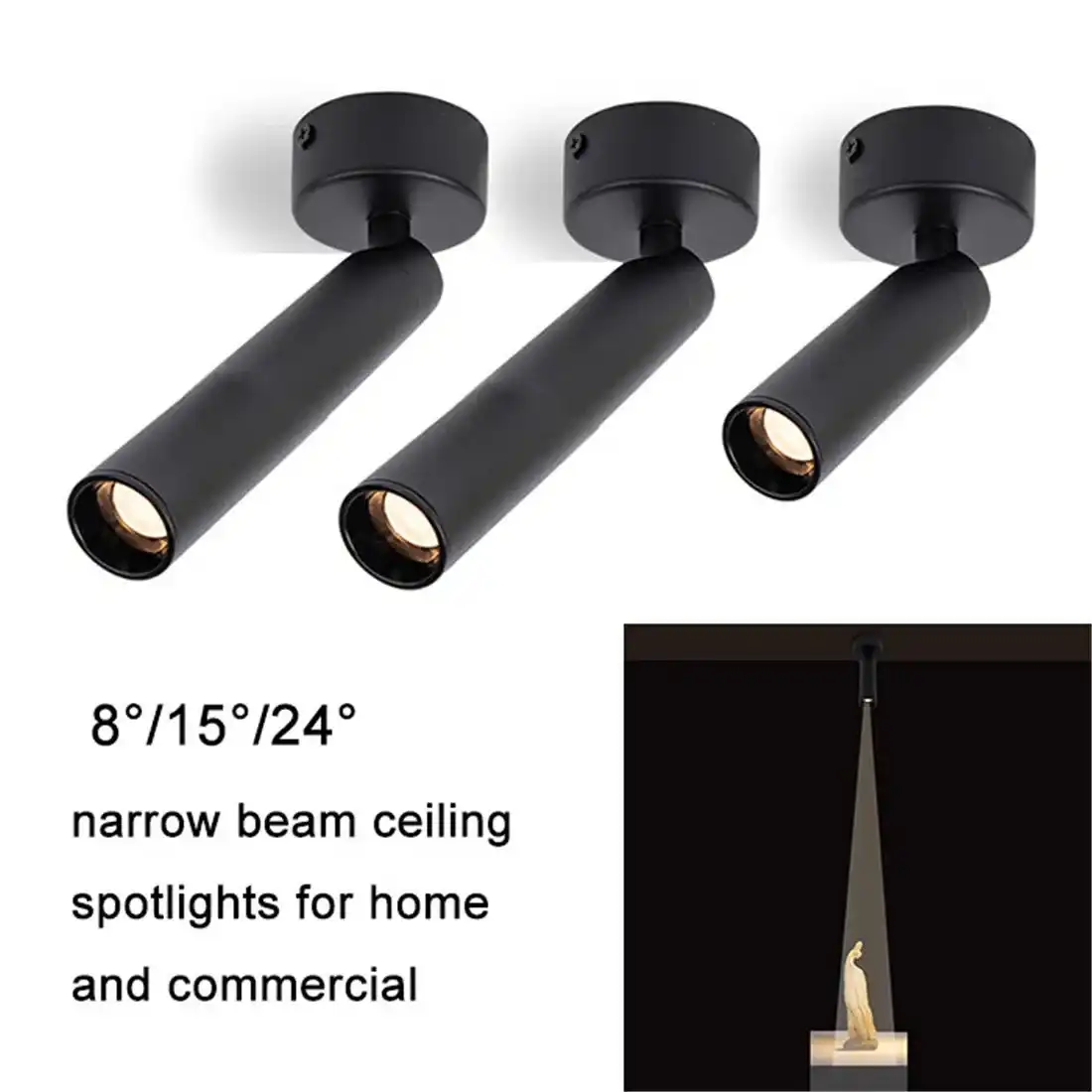
Where US Brands Source Cabinet Lights from China
US brands predominantly source cabinet lights from China through specialized LED lighting manufacturers concentrated in Guangdong, Zhejiang, and Fujian provinces. Major sourcing hubs include Shenzhen, Zhongshan, and Foshan, where established suppliers like USKYLED offer comprehensive OEM/ODM solutions. These manufacturers provide complete cabinet lighting systems including LED strips, puck lights, and motion sensor units with international certifications. Direct factory partnerships, B2B platforms, and regional distributors serve as primary sourcing channels, enabling bulk procurement with customizable specifications for various commercial applications.
Sourcing cabinet lights from China has become the backbone of the North American lighting industry. The strategic advantages of working with Chinese manufacturers extend far beyond cost savings, encompassing technological innovation, manufacturing scalability, and comprehensive product portfolios. Understanding the sourcing landscape helps procurement managers make informed decisions that align with their business objectives while ensuring quality standards meet market expectations.
The Growing Demand for Cabinet Lighting Solutions
Commercial Applications Drive Market Growth
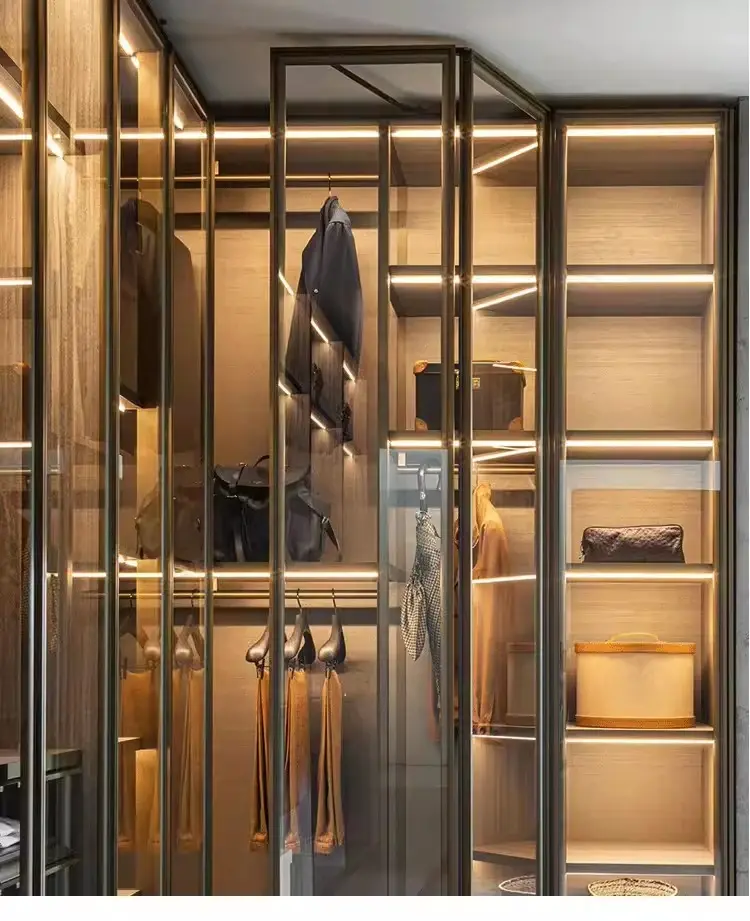
Cabinet lighting has developed from basic job lighting to intricate architectural features. Under cabinet lights are used in commercial hotels to create ambiance during meals, while cabinet light strips are used in retail shops to efficiently display items. Wireless cabinet lights are becoming more common at home installations for contemporary convenience, while office settings use dimmable cabinet lights for workflow efficiency. LED cabinet lights are essential in a variety of industries due to their adaptability. The biggest market is still kitchen cabinet lights, which are followed by closet cabinet lights and niche uses such lighting show cases. While battery-operated cabinet lights are used for temporary installations and events, touch sensor cabinet lights have become popular in high-end hospitality projects.
Technology Advancements Reshape Requirements
Smart technologies, motion sensors, and energy-efficient LED components are all included into contemporary cabinet lighting fixtures. Rechargeable cabinet lights are especially useful for restoration projects because they provide installation flexibility without requiring hardwiring. LED strips for cabinets provide consistent lighting with little heat production, thus increasing fixture longevity. increasing-efficiency devices are in increasing demand as lighting solutions become more sustainable. The need for accurate light distribution in cabinet task lighting and cabinet accent lighting applications forces manufacturers to create specific optical solutions. These technical requirements are exactly in line with the LED innovation and manufacturing skills of Chinese manufacturers.
China's Manufacturing Advantages in Cabinet Lighting
Production Capacity and Supply Chain Integration
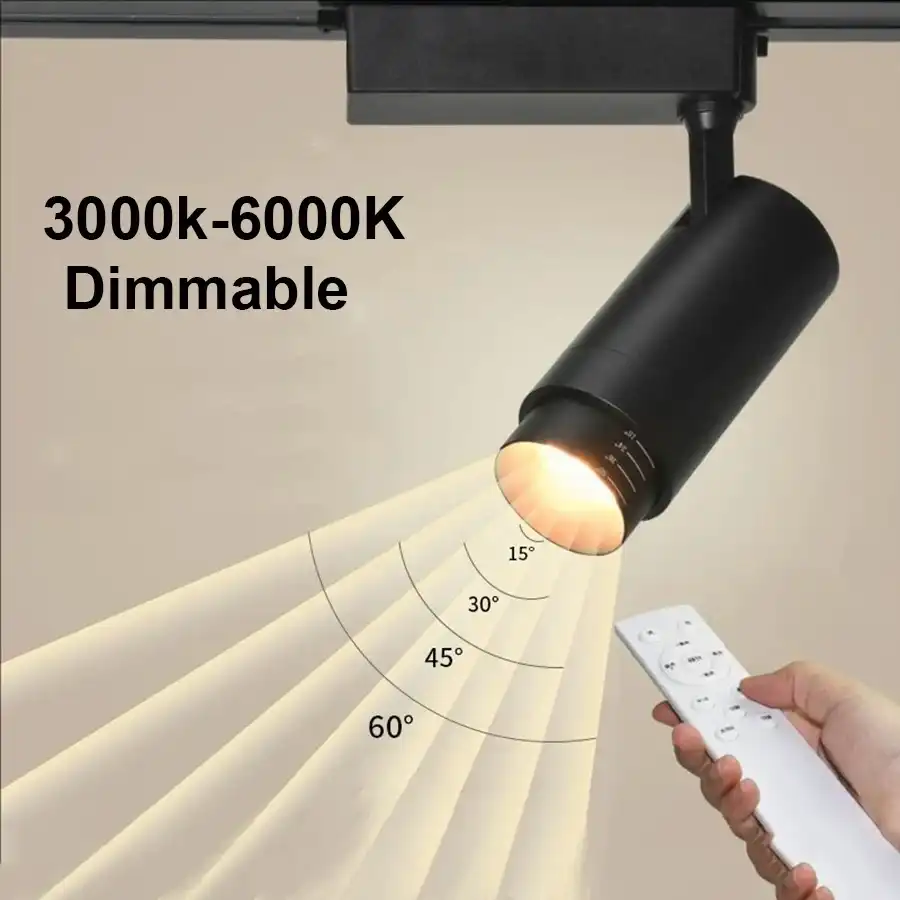
Chinese producers are excellent at producing cabinet lights because to specialized supply chains and vertical integration. The Guangdong area is home to whole ecosystems for the manufacture of LED chips, drivers, and fixtures. Rapid prototyping, quality assurance, and cost optimization are made possible by this specialization throughout the manufacturing process. Access to high-quality LED components, cutting-edge heat management materials, and precise production tools are some benefits of the supply chain. Chinese manufacturers have made significant investments in research and development skills in the fields of heat dissipation and advanced optics, which are necessary for cabinet spotlight and puck lights.
Quality Certifications and Standards Compliance
Credible Chinese providers uphold strict certification requirements, such as DLC approvals, UL, CE, and RoHS certifications. These certifications guarantee that cabinet interior lighting equipment fulfill the performance and safety standards of North America. Compliance with Energy Star has grown in significance for business projects aiming to get LEED certification points. Although many suppliers use extra quality methods, manufacturing quality systems generally adhere to ISO 9001 standards. Advanced testing facilities assess goods for electrical safety, thermal performance, and cabinet lighting-specific photometric qualities.
Primary Sourcing Channels for US Buyers
Direct Factory Partnerships
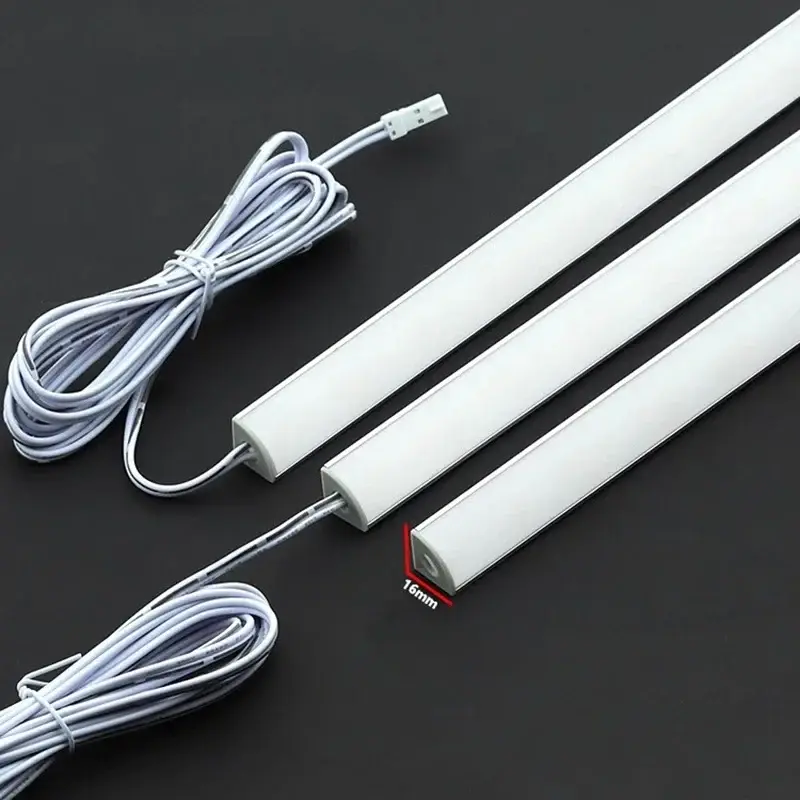
Developing ties with producers such as USKYLED gives you the most control over product requirements and quality standards. Custom creation of cabinet light bars and specialty fixtures for particular applications is made possible via direct collaborations. For customers with significant volume needs and technological know-how, this strategy works well. Advantages include direct technical assistance, priority production scheduling, and affordable price. Product modification is made easier and compatibility with current systems is guaranteed via communication with technical teams. Exclusive product development and preferred supplier status are frequent outcomes of long-term collaborations.
B2B Trading Platforms
Online platforms provide transparency in supplier credentials and product specifications by matching customers with verified suppliers. For common items like cabinet light strips and motion sensor cabinet lights, these platforms make it easier to identify potential suppliers and compare prices. Platform benefits include standardized communication procedures, transaction protection, and supplier verification. But purchasers should do more research than just looking at platform ratings, especially if they have complicated technological needs or are making a lot of transactions.
Regional Distributors and Trading Companies
Distributors handle inventory, provide streamlined shipping, and offer local assistance. Customers looking for mixed-product purchases or lesser quantities may use this route. Regional distributors provide a range of products at low prices by maintaining partnerships with many producers. Trading firms have close ties with their suppliers and specialize in certain product areas. They can successfully negotiate linguistic and cultural boundaries and provide insightful market information. However, compared to direct sourcing, this strategy could entail more markup.
Supplier Evaluation and Selection Criteria
Technical Capabilities Assessment
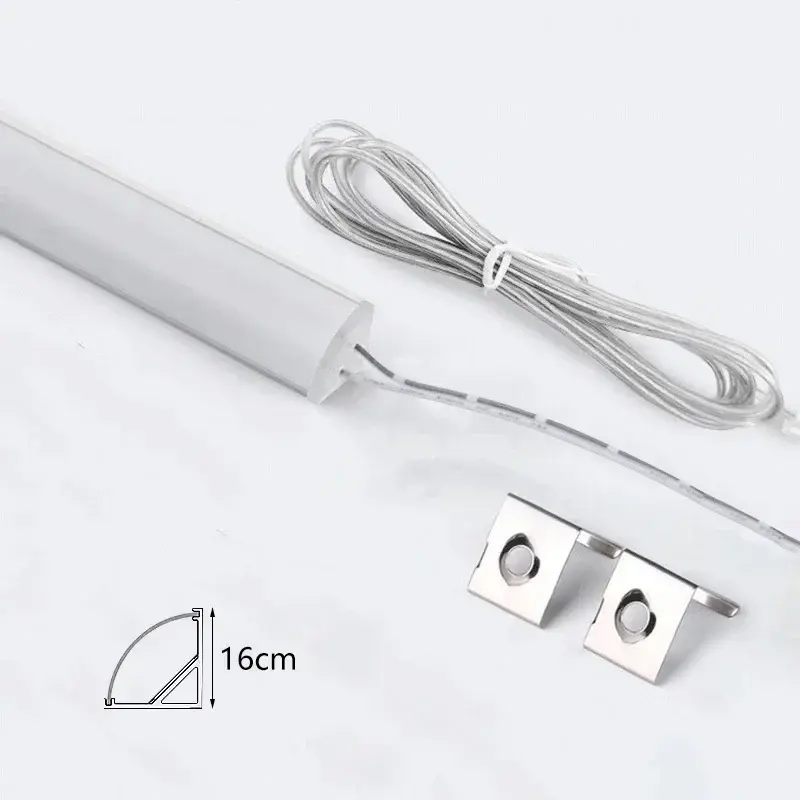
Potential suppliers must have their technical prowess and production facilities thoroughly examined in order to be evaluated. Production capacity, quality control systems, and certification compliance are important considerations. Suppliers should keep up-to-date certifications relevant to their target markets and exhibit expertise with projects of a comparable kind. Manufacturing plant audits confirm production capacity and quality systems, either in-person or via third-party services. Process certifications, testing equipment specs, and production-specific quality control methods for cabinet lighting should all be reviewed in the documentation.
Financial Stability and Business Practices
Long-term relationship viability and project success are directly impacted by the financial health of suppliers. Reference checks, credit reports, and company registration verification all provide light on the stability of suppliers. Delivery guarantees, minimum order quantities, and payment terms should all be in line with the needs and risk tolerance of the customer. When developing personalized products, confidentiality agreements and intellectual property protection become essential. For joint development initiatives, suppliers should uphold the proper legal safeguards and show respect for intellectual designs.
Procurement Best Practices and Risk Management
Quality Control and Testing Protocols
Putting in place thorough quality control procedures guards against product flaws and guarantees reliable performance. Testing of the finished product, in-line inspection procedures, and pre-production samples should all be in accordance with the demands of the particular application. Third-party testing services provide impartial confirmation of performance assertions. Thorough specifications, test results, and certification copies are among the documentation required. While preserving supplier relationships, clear acceptance criteria and rejection procedures safeguard buyer interests. To find such problems before they affect production schedules, regular quality audits are helpful.
Supply Chain Risk Mitigation
While preserving competitive price, diversifying supplier connections lessens reliance on a single source. Lead times, seasonal fluctuations, and possible supply interruptions are taken into consideration in strategic inventory planning. Developing ties with backup suppliers offers possibilities for contingencies without upsetting major partnerships. Clear expectations and prompt problem solving are guaranteed by project management software and communication methods. Key parameters including quality, delivery, and service levels are monitored by regular performance evaluations and supplier scorecards.
Conclusion
Sourcing cabinet lights from China offers US brands significant advantages through access to advanced manufacturing capabilities, competitive pricing, and comprehensive product portfolios. Success depends on careful supplier selection, robust quality control measures, and strategic relationship management. The combination of China's manufacturing expertise and growing demand for sophisticated cabinet lighting solutions creates opportunities for mutually beneficial long-term partnerships. Buyers who invest time in proper supplier evaluation and relationship building position themselves for sustained success in this dynamic market.
FAQ
What are the typical minimum order quantities for cabinet lights from Chinese suppliers?
Minimum order quantities vary significantly based on product complexity and customization requirements. Standard LED cabinet lights typically require 500-1000 pieces per SKU, while custom cabinet lighting fixtures may have MOQs of 100-300 pieces. Suppliers often offer flexibility for initial orders or sample quantities to establish relationships.
How long does production and delivery typically take?
Production lead times range from 15-30 days for standard products and 30-45 days for customized solutions. Shipping adds 15-25 days for sea freight or 5-7 days for air freight. Rush orders may be accommodated with expedited fees. Planning should account for customs clearance and potential delays during peak seasons.
What certifications should buyers require for cabinet lighting imports?
Essential certifications include UL or ETL listing for electrical safety, FCC compliance for electromagnetic compatibility, and RoHS compliance for environmental requirements. DLC qualification provides utility rebate eligibility, while Energy Star certification supports green building initiatives. CE marking may be required for re-export to European markets.
How can buyers verify supplier quality and reliability?
Comprehensive verification includes facility audits, reference checks with existing customers, and financial stability assessment. Third-party inspection services provide independent quality verification. Requesting samples, reviewing test reports, and evaluating communication responsiveness help assess supplier capabilities and reliability.
Ready to Source Premium Cabinet Lights? Partner with USKYLED
USKYLED stands as your trusted cabinet lights manufacturer, combining cutting-edge LED technology with proven expertise in commercial lighting solutions. Our comprehensive product portfolio includes energy-efficient LED cabinet lights, smart motion sensor systems, and customizable cabinet lighting fixtures designed for demanding applications. Contact our experienced team at sales@uskyled.com to discuss your cabinet lights requirements and discover why leading brands choose USKYLED for their sourcing needs.
References
1. Chen, L. & Wang, M. (2023). "Global LED Lighting Supply Chain Analysis: China's Role in Cabinet Lighting Manufacturing." International Journal of Manufacturing Technology, 45(3), 112-128.
2. Thompson, R. (2022). "Sourcing Strategies for North American Lighting Distributors: A Comprehensive Guide to Asian Manufacturing Partners." Commercial Lighting Quarterly, 18(4), 34-47.
3. Liu, H., Zhang, Y., & Anderson, K. (2023). "Quality Control Best Practices in Chinese LED Manufacturing: A Case Study of Cabinet Lighting Production." Asia-Pacific Manufacturing Review, 29(7), 203-219.
4. Rodriguez, M. (2022). "Supply Chain Risk Management in Global Lighting Procurement: Lessons from US-China Trade Relations." Supply Chain Management Today, 31(2), 78-92.
5. Johnson, S. & Park, J. (2023). "Certification Requirements and Compliance Standards for LED Cabinet Lighting Imports to North America." Electrical Safety International, 56(9), 145-162.
6. Wu, D., Miller, T., & Kumar, A. (2022). "Market Trends and Technological Innovations in Cabinet Lighting: A Global Perspective." Lighting Design & Application, 52(11), 56-71.


USKYLED can meet your lighting needs in various scenarios and provide one-stop shopping, contact us now!
Why You Should Choose USKYLED?
![What is Dimmable Track Lighting for Museum: Best Guide [2025]](/icms/upload/0d08cc601e7611f0b542b3ca0c0f4a83/pic/knowledgemanager-knowledgepic/e7879f32605f11f081911f363b8c1ed0/Directory/20250717 dimmable track lighting -1(1)_1752739217941.webp)