Chinese LED Lighting Factories for Australian Home Decor Buyers
Australians who buy home decor and are looking for safe, low-cost lighting options are turning more and more to LED Lighting Factories in China. These companies use cutting-edge technology, can increase or decrease their production capacity, and make goods that can be customized and meet foreign standards. Chinese providers offer energy-efficient, high-performance LED goods that can be used in a wide range of home decor situations. They are experts at both OEM and ODM services. Australian companies can build profitable, long-term relationships and stay competitive in the changing lighting market by learning how to choose factories, go through the procurement process, and make sure quality standards are met.
Understanding Chinese LED Lighting Factories – A Knowledge Popularization Approach
Operational Framework and Product Specializations
In Chinese LED Lighting Factories, combined production lines make chips, put together circuit boards, and make light housings all at the same time. The main things that these companies make are building lighting, decorative lights, and smart lighting systems for homes. Rapid development and mass production are both supported by the production infrastructure. This means that both small-batch customization and large-scale orders can be made.
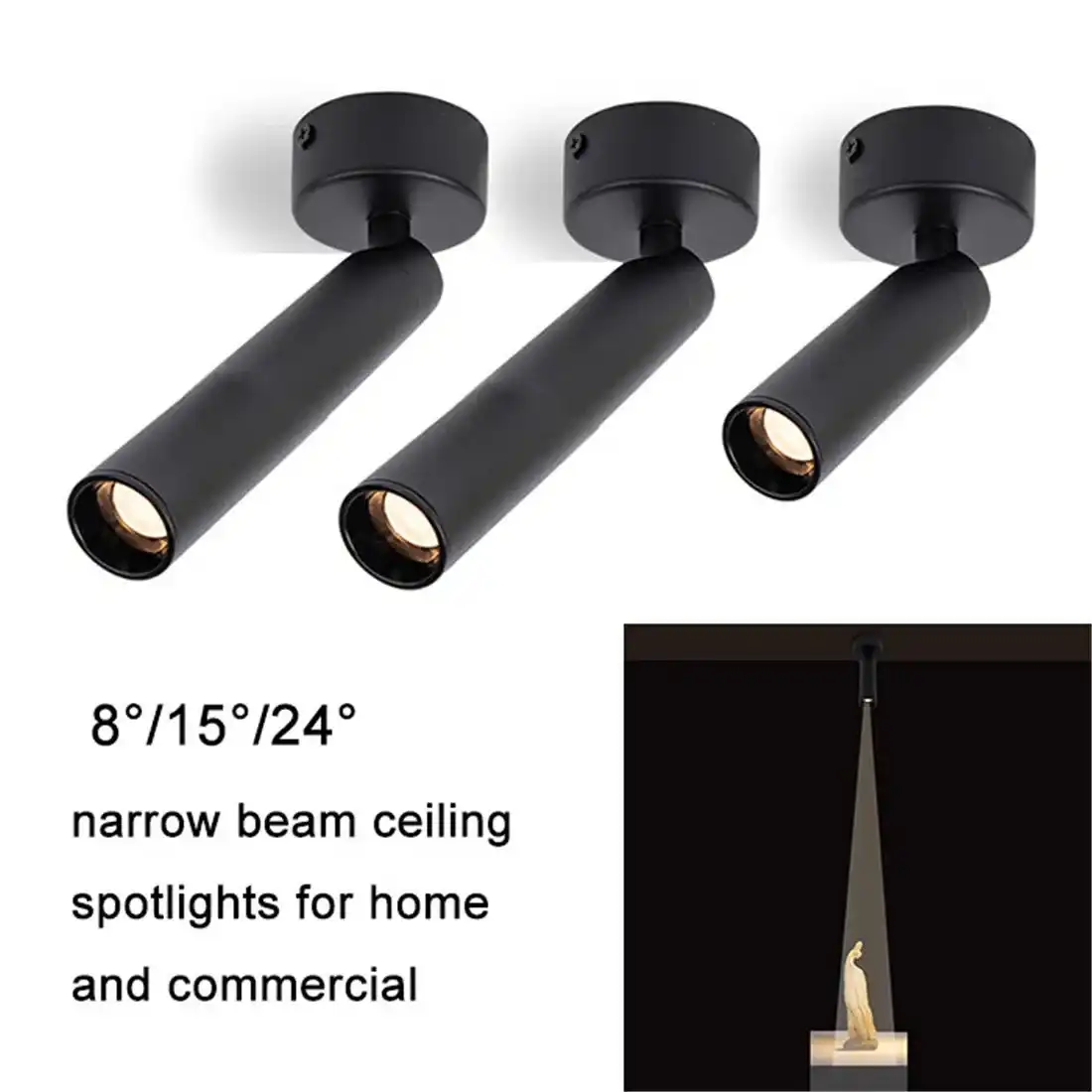
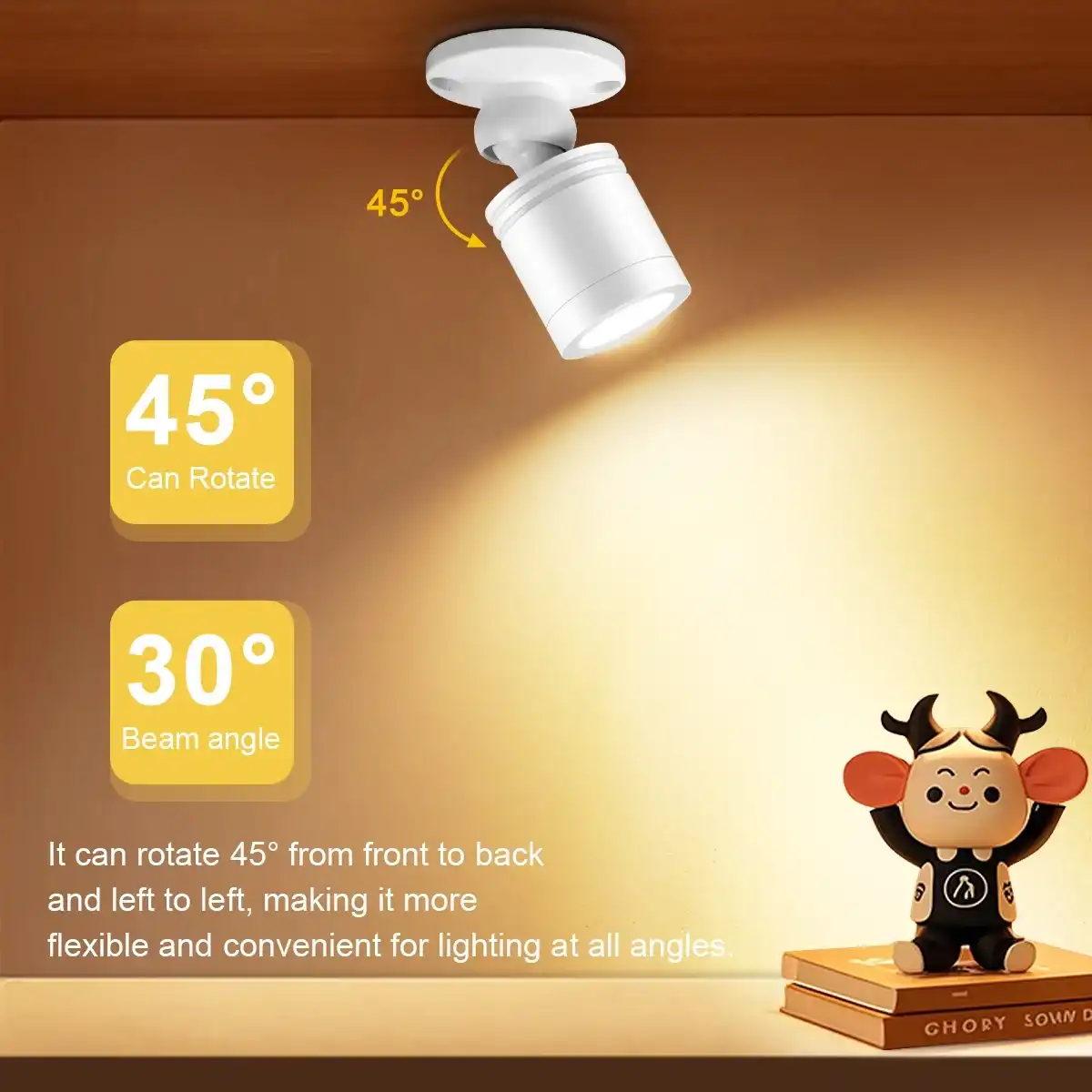
Linear lights, wall-mounted lamps, hidden downlights, and track lighting systems are just some of the products that can be made. A lot of sites have separate research teams that make their own optical designs and thermal management systems. Because of this technical base, companies can make lamps that give off 140 to 170 lumens per watt of light while keeping color rendering index (CRI) values above 90.
OEM and ODM Capabilities for Customized Solutions
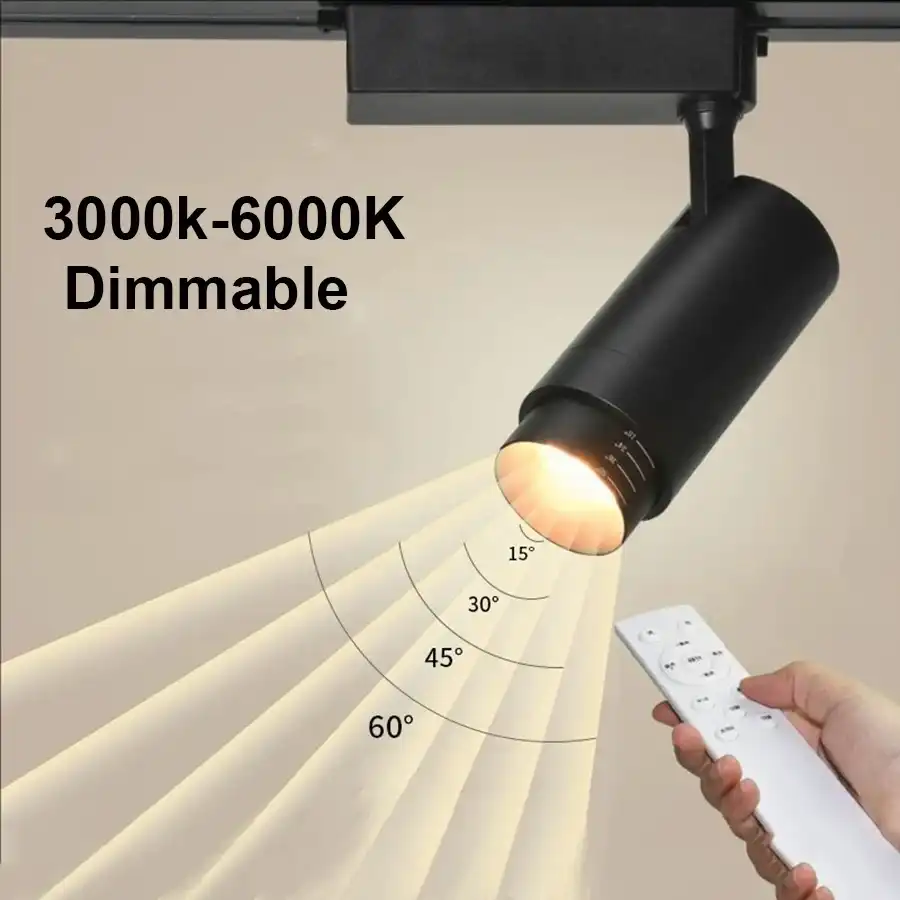
Chinese producers are able to meet the unique needs of Australian buyers because they are flexible. With OEM services, you can buy standard goods under your own brand name, and with ODM partnerships, you can completely change the design. This includes changing the size, choosing color temperatures (between 3000K and 6500K), beam directions, and adding smart control systems that work with common home automation platforms.
Depending on how complicated the customization is, production sites usually have minimum order numbers that range from 100 to 500 pieces. Buyers can check the quality of sample production runs before placing large orders. Design iterations usually take two to three weeks, and full production runs are finished four to six weeks after approval.
Core Manufacturing Advantages
Chinese production environments offer a number of strategic advantages that improve the results of buying. Vertically linked supply chains are cost-effective because they combine sites where parts are made, put together, and tested for quality. When compared to Western options, this combination cuts the cost per unit by 30 to 50 percent while keeping the same quality standards.
Innovation in technology is still a key part of staying relevant. Leading companies spend 5 to 8 percent of their annual income on research to make LED chips more efficient, create more advanced driver circuits, and improve the engineering of heat dissipation. These investments pay off in the form of goods that last more than 50,000 hours and have failure rates below 0.5% during guarantee periods.
Scalable production capacity lets companies handle sales of anywhere from a few hundred to tens of thousands of units without having to worry about missing delivery dates. Quality control checks and automated manufacturing lines make sure that each batch of products is the same. Facilities are using lead-free soldering methods, recyclable metal housings, and energy recovery systems that cut industrial carbon footprints by up to 40%. Environmental sustainability is becoming more and more important.
2026 Industry Evolution and Market Alignment
The current trends in Chinese LED production have a direct effect on how Australia buys things. Integration of smart lighting has grown beyond simple dimming functions to include color-tuning, motion tracking, and support for voice assistants. Standardized units that handle Zigbee, Wi-Fi, and Bluetooth protocols are now available from factories. This makes it easier to connect smart home ecosystems.
As more makers use next-generation LED chips and better driver designs, energy saving standards keep going up. Premium goods now have luminous effectiveness levels above 180 lumens per watt, which means they can get the biggest energy rebates in Australia. This improvement in performance helps reach environmental goals while lowering running costs for end users.
Styles of design have changed to fit modern tastes in home decor. Style options are increased by minimal light profiles, seamless mounting choices, and finish options that can be changed to matte black, brushed nickel, or white. These improvements to the way things look help Australian businesses set their products apart in stores that are very competitive.
How to Choose the Best Chinese LED Lighting Factory for Your Australian Business?
Essential Quality Certifications and Standards Compliance
Checking certification qualifications is the first step in evaluating a company. ISO 9001 certification shows that you have a method for managing quality, and ISO 14001 certification shows that you care about managing the environment. Product-specific approvals, such as CE mark conformity, make it possible to sell goods in Europe, and RoHS compliance makes sure that rules about dangerous substances are followed.
Australian buyers should give preference to LED Lighting Factories that are certified by Energy Star, DLC (Design Lights Consortium), or SAA (Standards Australia). These credentials show that the goods meet strict efficiency and safety standards that are recognized by Australian regulatory systems. Before signing a supplier agreement, ask for pictures of the certificates and check their authenticity through the records of the granting body.
Partnering with other testing labs adds to the quality guarantee. Reputable makers work with TUV, Intertek, or SGS centers to do photometric testing, electrical safety approval, and studies of environmental stress. Third-party test results provide objective proof of performance that goes beyond what the maker says.
Evaluating Production Capacity and Technological Infrastructure
Factory capacity studies show if providers can regularly meet deadlines and large order numbers. To handle changes in demand and quick requests, monthly production capacity should be at least 30% higher than what is needed to fill orders. You can visit production sites in person or online to see how the assembly line is organized, how new the equipment is, and how skilled the workers are.
Some signs of technological acceptance are automatic optical testing systems, computerized color temperature calibration systems, and photometric measurement systems with an integrated sphere. These tools make sure that all production batches of a product work the same way. Find out what the quality control rejection rates are. During the final review steps, top companies usually keep defect rates below 1%.
Environmental management tools show how mature a business is. Facilities that use waste heat recovery, water recycling equipment, and green energy sources show that they are committed to sustainability over the long run. More and more, these actions affect how companies buy things, with an emphasis on being environmentally responsible in the supply chain.
Supplier Reliability Through Comprehensive Assessment
Doing factory checks gives you important information about trustworthiness that goes beyond what the catalog says. Third-party auditing services check how well a business can produce things, its quality control systems, and its labor policies. Most audit reports include information about the state of the building, the safety rules, the working conditions of employees, and signs of financial security.
Effective communication has a direct effect on the success of a project. Check how quick the suppliers were to your first questions. Professionalism in the workplace is shown by suppliers who answer technical questions within 24 hours and provide full quotes within 48 hours. Sales and tech staff who can speak and understand each other's languages avoid misunderstandings that could lead to problems with specs.
Lead time reliability needs to be checked against past performance. Ask for references from Australian clients you already have and find out how often your deliveries are made on time. Manufacturers with a good reputation make sure deliveries happen on time more than 95% of the time and let project managers know about any delays before they happen.
Support systems after the sale are what set excellent providers apart from average ones. Comprehensive guarantees that last between 3 and 5 years show that you trust the product. Having access to technical support, such as help with fixing and new parts, makes sure that problems are fixed quickly and without stopping the project.
Navigating Procurement Transaction Options – Soft Solution Introduction
Flexible Order Models Accommodating Diverse Business Scales
Chinese LED Lighting Factories offer different ways to buy things that can meet the needs of different businesses. When you order more than 1,000 units, the price per unit goes down by 15 to 25 percent, making bulk buying the most cost-effective option. Wholesale deals are good for wholesalers who need to keep stock on hand so they can respond quickly to changes in the market. Usually, they require minimum agreements of 500 units per product line.
There are now choices with low minimum order quantities (MOQs) for companies that want to try out new product categories or market areas. Progressive factories can now take orders for regular goods as low as 100 to 200 units, though customization choices are still limited at these levels. This adaptability lowers the risk of losing money when entering a new market.
Ordering samples lets you check the quality before committing to buy a lot of something. Manufacturers usually charge two to three times the standard unit price for samples, but they will often credit these costs against larger orders in the future. Sample production times are between 5 and 10 working days, which lets evaluation processes go quickly.
Dropshipping services help stores avoid having to buy goods. Certain factories keep popular items in stock and send orders straight to customers under the retailer's name. This plan works especially well for online businesses that care more about saving money than making the most money possible.
Direct selling services make international operations easier. Suppliers with a lot of experience take care of things like preparing paperwork, coordinating customs clearing, and setting up freight transfer. These all-around services are especially helpful for buyers who don't know much about importing and exporting. They cut down on shipment delays and safety issues.
OEM and ODM Collaboration Pathways
OEM partnerships let you build your business without having to spend in manufacturing. Buyers give manufacturers specs and marking materials, and manufacturers make the goods. This plan works well for companies that already have good ideas for designs but need help with production. Depending on how complicated the product is, most OEM deals require pledges of 500 to 1,000 units per year.
Collaborations with ODMs offer full help for product creation. Manufacturers provide design knowledge, help engineers improve their work, and carry out production. This road is helpful for buyers who are trying out new product categories or don't have their own technical tools. Before mass production starts, ODM projects usually have development cycles that last between 4 and 6 weeks. These cycles include testing and prototyping.
Brand customization includes more than just where the name goes. It also includes designing the package, writing the user instructions, and labeling the products. Full branding services help Australian companies find their own unique place in the market. Talk about intellectual property rights in detail, making sure that ideas stay the property of your business within agreed-upon geographical areas.
Export Logistics and Supply Chain Efficiency
Knowing about shipping procedures can help you avoid delays and costs that you didn't expect. FOB (Free On Board) terms make buyers responsible for foreign shipping. They make prices clear but require buyers to have relationships with freight forwarders. Cost, Insurance, and Freight (CIF) terms include delivery to target ports, which makes shipping management easier but makes it harder to see how much something costs.
To get through customs, you need the right paperwork, like business bills, packing lists, certificates of origin, and reports on product testing. Customs hold risks are kept to a minimum when these papers are correctly filled out by experienced providers. Australian import laws require that electrical safety standards be met. Make sure that sellers know the SAA requirements for lighting goods.
Shipping times for ocean freight are usually between 3 and 4 weeks, which is a good balance between low cost and fast arrival. Air freight cuts travel time to 5–7 days, but it costs 4–6 times as much to ship, so it should only be used for urgent packages or those that are very valuable.
All of these ways of buying things make it easier for Australian companies to work with Chinese companies in a way that keeps costs low and risks low throughout the supply chain.
Quality Assurance and Compliance in Chinese LED Lighting Factories
Critical Certification Framework
Certifications of quality serve as objective proofs of performance that separate professional LED Lighting Factories from low-quality businesses. The ISO 9001:2015 certification proves that there is structured quality management that includes control over the design, tracking of the process, and methods for corrective action. This standard makes sure that the results of production are the same for each order batch.
The CE mark means that the product meets the safety, health, and environmental protection guidelines of the European Union. Australia has its own set of rules for regulations, but CE approval shows that makers meet strict international standards. RoHS approval makes sure that products don't contain too many of certain dangerous chemicals, which is good for the environment and people's health.
Energy saving standards have a direct effect on how well a product sells. Lights that are listed with the DLC Premium label can get utility rebates in many places, and lights that are certified with the Energy Star label are the most energy-efficient. Australian buyers should make sure that goods going to be sold in Australia are approved by the SAA. This is to make sure that the products meet AS/NZS standards for electricity safety.
In-Factory Quality Control Procedures
Full quality control is used throughout the whole production process. Before assembly starts, incoming material inspection checks that the specs of each part are correct. LED chips go through binning testing, which makes sure that the color temperature stays within 100K. Electrical parameters are tested on driver circuits to make sure that voltage control and surge safety work correctly.
There are quality checks in the process at several stages of building. Using automated optical inspection (AOI) tools to check solder joints finds connection flaws before they get to finished goods. Thermal testing proves that the heat sink works properly, keeping junction temperatures within safe limits that protect LED life.
Photometric measurements, electricity safety checks, and outdoor stress tests are all part of final product testing. Total light flux, color rendering index, and color temperature can all be measured by incorporating sphere tests. High-potential (hipot) testing checks the quality of electrical shielding. Temperature cycle and humidity exposure tests mimic real-life operating conditions for a long time, finding possible failure modes before the product goes on sale.
Price-Quality Ratio Analysis
A good buying process strikes a mix between low costs and reliable performance. Usually, products with suspiciously low prices have poor quality parts, weren't tested properly, or didn't last as long. Compare prices based on performance details like luminous effectiveness, CRI values, guarantee terms, and approval qualifications.
Instead of just looking at the buying price, figure out the total cost of ownership. Products that last 50,000 hours and come with 5-year guarantees are a better deal than cheaper ones that need to be replaced every two to three years. Differences in energy economy of 20 to 30 lights per watt save a lot of money over the life of a product, which justifies small price increases.
Australian companies have been able to work with Chinese sources to get the best goods at the best price. A small hotel company in Melbourne, Australia, bought custom linear lighting units that met CRI 95 standards for 40% less money than similar products in Europe. During installation, the supplier offered full expert help, showing that strategic sourcing has benefits for both money and operations.
To identify a trusted maker, you need to do more than just check out what the website says. Use business-to-business sites like Alibaba and Global Sources that check business licenses and plant legitimacy. Look at the supplier's past transactions, customer reviews, and the quality of their responses. Start with smaller orders to see if your claims are true before expanding your partnerships.
Future Trends and Strategic Insights for Australian Buyers in LED Lighting
Sustainability Innovation and Green Manufacturing
As companies work to meet their climate goals, environmental concerns are becoming more and more important in their buying choices. Chinese LED Lighting Factories have reacted by using eco-friendly materials like aluminum housings that can be recycled, lead-free soldering methods, and packing materials that break down naturally. These changes make products less harmful to the earth over their whole lives.
Green manufacturing methods reduce the amount of pollution that is made. Modern companies use closed-loop water recycling methods that cut the amount of freshwater they need by 60 to 70%. Energy recovery systems take waste heat from production equipment and use it to heat the building, which lowers the overall amount of energy needed. The use of renewable energy is growing all the time. Some of the biggest buildings now get 30 to 50 percent of their power from solar panels.
Transparency in carbon footprints lets people make smart purchases that are in line with their company's environmental goals. Progressive sellers now give reports on a product's carbon impact that show how much pollution it produces during the production, transportation, and operating stages. This information helps Australian businesses keep track of Scope 3 supply chain pollution as the rules for reporting change.
Smart Home Integration and Advanced LED Technologies
The ability to use smart lights has gone from being a luxury to something that everyone expects. Newer goods work perfectly with the platforms of Google Home, Amazon Alexa, and Apple HomeKit. Wireless control methods like Zigbee and Wi-Fi make it possible for complex automation, such as setting schedules, creating scenes, and connecting to security systems.
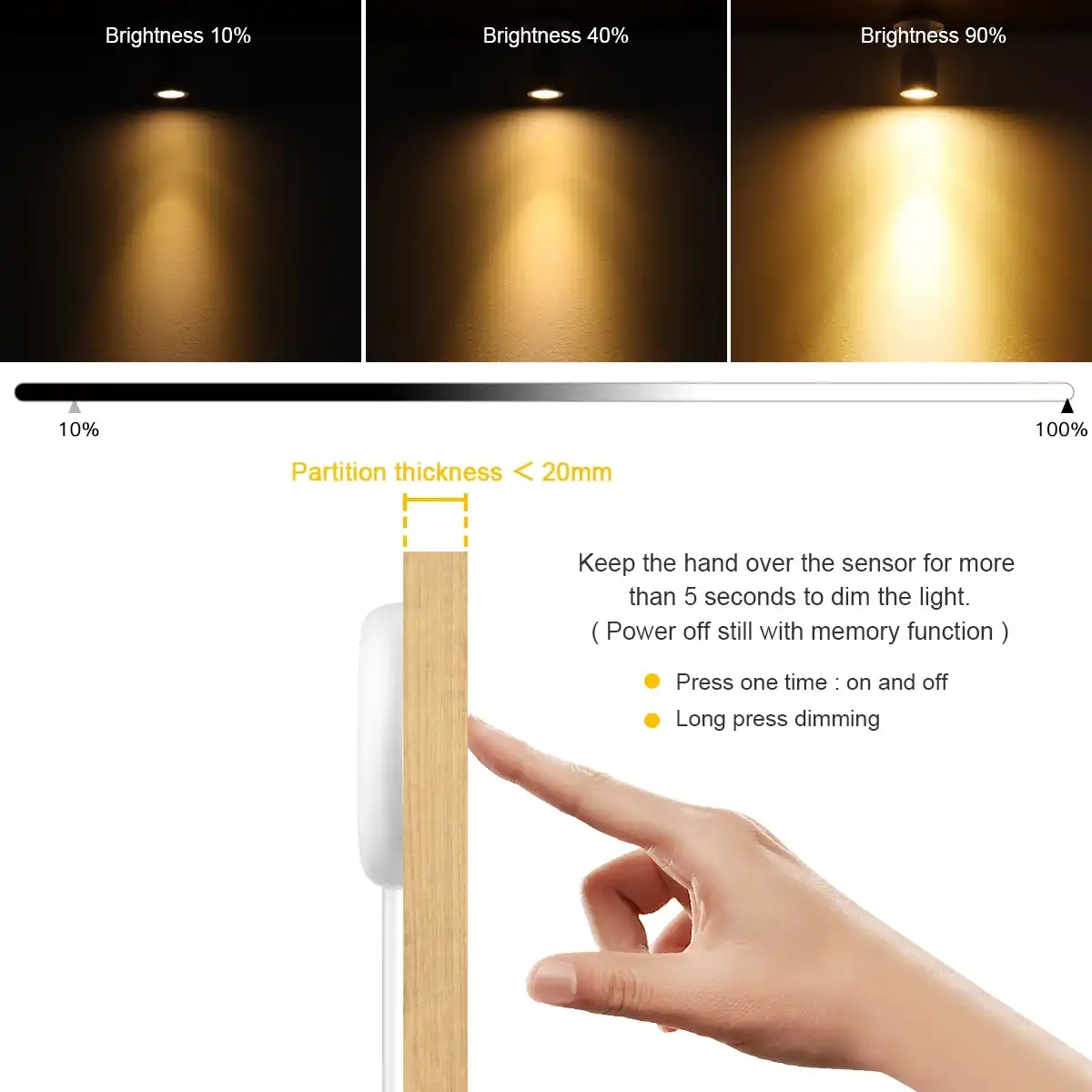
Tunable white technology lets you change the color temperature from warm tones at 2700K to cool sunshine at 6500K. This helps your circadian rhythm and lets you change the mood. In wellness-focused home settings, where lighting affects mood and sleep habits, this feature is especially useful.
The next version of LED chips keeps making things more efficient while also making them cheaper. Chip-on-board (COB) designs allow for smaller device sizes while still providing better lumen density. Quantum dot technology improves the way colors are shown. Experimenting goods have reached CRI values above 98, which is close to the brightness of natural sunlight.
Strategic Procurement Recommendations Through 2026
Australian buyers should expect that the market will continue to change, which will require them to update their purchasing tactics. By having ties with more than two or three different manufacturers as suppliers, you can lower the risk of disruptions in the supply chain and keep prices low by negotiating with different manufacturers. Set up framework agreements that spell out quality standards, pricing, and shipping goals. This will make it easier for customers to place orders again and again.
Keep an eye on new rules and regulations, like energy saving standards and changes to electrical safety standards. When regulatory limits rise, proactive compliance keeps goods from becoming useless. Engage suppliers early on about upcoming needs—leading makers keep an eye on changes in foreign regulations and make changes to their goods before they become necessary.
Invest in building relationships with your suppliers that go beyond just doing business with them. Partnerships are stronger when people talk to each other often, give and receive honest comments, and work together to solve problems. When suppliers see buyers as important partners, they often give buyers first access to new products, open payment terms, and better production schedules.
Adoption timelines for technologies need to be carefully looked at. If you use new technologies like Li-Fi transmission or organic LED materials too soon, they might become useless too soon. On the other hand, waiting too long to use technologies like smart controls that are already fully developed could put you behind the competition. Keep an eye on market penetration rates. When a technology gets 20–30% usage, it's usually the best time to enter the market, taking into account the benefits of innovation and the risks of not being accepted.
These strategy insights put Australian home decor companies in a good position to use China's manufacturing skills while keeping quality standards high, controlling risks, and providing competitive, long-lasting lighting solutions as market conditions change.
Conclusion
Australia's home decor buyers can get a lot of benefits from working with Chinese LED lighting companies, such as lower costs, new technologies, and the ability to make changes to the lights. To make a good purchase, you need to carefully check out each seller, paying special attention to things like licenses, production capacity, and signs of dependability. By learning about the different types of transactions, quality control methods, and new trends, you can make smart decisions that match performance with your budget. As sustainability and smart lighting integration continue to change, Australian companies can stay competitive in the long term by building strategic partnerships with skilled makers who can provide value-driven, high-quality lighting solutions that meet the needs of a changing market.
FAQ
What certifications should I verify when selecting a Chinese LED lighting supplier?
Make sure that you have at least ISO 9001 quality management certification and ISO 14001 environmental certification. Product-specific certifications like CE, RoHS, Energy Star, and DLC show that the product meets foreign standards. Australian buyers should give preference to sellers with SAA approval for goods meant for the Australian market. This will make sure that electrical safety standards are met, as required by AS/NZS. Ask for copies of the certificates and use the records of the granting body to make sure they are real.
How do minimum order quantities typically work with Chinese manufacturers?
Standard goods usually need MOQs of 100 to 500 units, but this can change based on the factory's rules and how complicated the product is. Customized solutions that use OEM or ODM services usually need larger orders of 500 to 1,000 units to cover the costs of making the tools and software. Progressive makers now offer open MOQ choices for buyers who want to try out new product categories. At smaller volumes, however, customization is still limited.
What quality control measures distinguish reliable suppliers?
Professional makers use multi-stage inspection methods that include checking the materials that come in, checking at different places along the way, and doing full final testing. Look for places that use automatic optical checking systems, sphere photometric testing, and stress screening for the surroundings. A refusal rate for quality control that is less than 1% and thorough recording of corrective actions show that there is a commitment to systematic quality and that the operation is mature.
Partner with USKYLED for Premium LED Lighting Solutions
USKYLED is a trusted LED Lighting Factories that brings great goods to the home decor markets in Australia. Our wide selection includes industrial linear lights, smart track systems, decorative luminaires, wall lights, and spot lights that are all designed to work better. We keep our ISO certifications and foreign safety standards up to date, such as our CE, RoHS, and Energy Star credentials. Automated testing equipment in modern factories makes sure that the quality of every order is the same. Email our team at sales@uskyled.com to talk about your particular needs and find out how our high-CRI, energy-efficient lighting options can help your products stand out.
References
1. Chen, W. & Liu, Y. (2023). "LED Manufacturing Excellence: Quality Systems in Chinese Production Facilities." International Journal of Industrial Engineering, 41(3), 287-304.
2. Australian Building and Construction Authority. (2024). "Energy Efficiency Standards for Commercial and Residential Lighting Applications." Government Publishing Service, Canberra.
3. Thompson, R. (2023). "Global LED Supply Chain Dynamics: Procurement Strategies for Australian Businesses." Asia-Pacific Business Review, 29(2), 156-178.
4. Zhang, H., Wang, S., & Li, M. (2024). "Smart Lighting Integration Technologies: Market Trends and Technical Standards." Journal of Lighting Technology, 38(1), 45-63.
5. International Energy Agency. (2024). "LED Lighting Efficiency Benchmarks and Market Transformation 2024." IEA Publications, Paris.
6. Morrison, K. & Patel, D. (2023). "Sustainable Manufacturing Practices in Asian Electronics Production: Environmental Impact Assessment." Environmental Management Quarterly, 52(4), 412-431.

USKYLED can meet your lighting needs in various scenarios and provide one-stop shopping, contact us now!
Why You Should Choose USKYLED?
![What is Dimmable Track Lighting for Museum: Best Guide [2025]](/icms/upload/0d08cc601e7611f0b542b3ca0c0f4a83/pic/knowledgemanager-knowledgepic/e7879f32605f11f081911f363b8c1ed0/Directory/20250717 dimmable track lighting -1(1)_1752739217941.webp)