Bollard Lights vs Path Lights: Key Differences
Bollard lights and path lights are two different types of outdoor lighting that are made for different business uses. Bollard lights are better for parking spots and perimeter protection because they are taller (36 to 48 inches) and cover a larger area. Path lights stay 12 to 24 inches short, casting focused downward beams that are great for showing people the way along paths. When purchasing managers know about these differences, they can choose lights that meet safety standards, save energy, look good with the building's design, and meet compliance standards for both private and public projects.
Understanding Bollard Lights and Path Lights
When choosing commercial outdoor lighting fixtures, it's important to think about how they will work and the weather. Both Bollard lights and path lights are very important, but their different shapes and ways of distributing light meet different practical needs.
What Are Bollard Lights?
Bollard lights are strong, tall devices that are made to mark boundaries and provide light over large areas in public and business settings. The height of these units is usually between 36 and 48 inches, and the housings are made of die-cast aluminum or stainless steel that can handle being hit or stolen. The strong construction has IP65 or IP66 ratings, which protect against dust and strong water jets that are typical in outdoor settings. Patterns for distributing light generally use Type III or Type V optics to light up parking lots, building edges, and places where people walk.
What Are Path Lights?
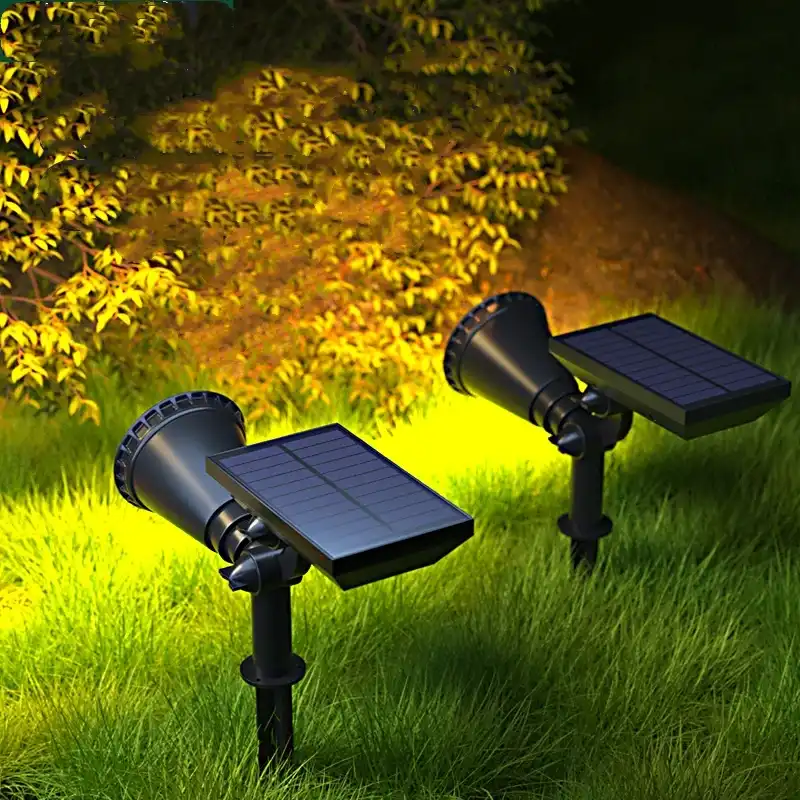
Path lights are small fixtures that are made to precisely light up walks, flower paths, and architectural settings. These units are between 12 and 24 inches tall and use special lenses to direct light downward. This reduces glare and brings attention to the ground. Modern path lights use LED technology that gives off more than 130 lumens per watt and UV-stabilized polycarbonate lenses that don't turn yellow. Because they have a smaller profile, they blend in well with landscaping areas. This makes them perfect for places like hotels, office parks, and shopping plazas where good looks go with good lighting.
Primary Use Cases and Applications
Which of these types of fixtures to use varies on the needs of the job. Bollard lights are great for places where people need to be able to see over bigger areas. Their high mounting and wide beam spread make them perfect for city parks, shopping mall exteriors, and the edges of industrial facilities. Path lights are useful in places where gentle direction is more important than covering a large area. Examples include botanical gardens, apartment buildings, and paths in hospitality venues. Engineers who work on mixed-use projects often ask for both types, making layered lighting plans that address safety, travel, and mood all at the same time.
Key Differences Between Bollard Lights and Path Lights
To tell these lighting options apart, we need to look at their design philosophy, how well they work, and the technology aspects that affect buying choices.
Design and Aesthetic Integration
The architectural harmony is a big part of choosing fixtures. Bollard lights are strong vertical elements that mark the edges of an area. They come in both modern cylinder shapes and traditional lantern shapes. They have a big impact that works well in modern business buildings and city streets where sturdiness and visibility are important. With finishes ranging from powder-coated black to brushed bronze, path lights have low profiles that fit in with landscape. This lets designers keep the look of the area consistent without adding big lighting elements.
Functional Performance and Light Distribution
Metrics that measure performance show clear practical benefits. Depending on their brightness output, bollard lights can spread light horizontally in a 360-degree or 180-degree pattern, lighting an area up to 25 feet in diameter. Because of this, they work well in parking lot spaces and on building entrances where even lighting makes security cameras work better. Along walking routes, path lights focus their light output at 60- to 90-degree angles, making clear pools of light every 10 to 15 feet. This targeted method lowers light trespass and sky glow, taking into account environmental issues important for LEED certification and projects that need to be dark-sky compliant.
Installation and Durability Considerations
The difficulty of installation changes a lot between types of fixtures. Bollard lights need strong mounting bases that can withstand the impact of cars in parking lots. This usually means using concrete footings and underground cable runs. Because of their height and location, they need strong anchoring systems that can handle wind loads of more than 90 mph in coastal or open-field sites. Simpler stake-mount or surface-mount setups make it possible to install path lights faster along landscaped paths with shorter burial depths. Both types have junction boxes with an IP rating and surge protection rated at 4kV to 10kV, which protects electrical parts from lightning strikes that are common outside.
Maintenance times depend on the quality of the building and how the structure is used. When you buy high-quality bollard lights with sealed driver compartments and tool-free optical chambers, you only need to service them once a year to make sure the lenses are clear and the fixing is secure. Path lights in planted beds may need to be cleaned more often because of irrigation overspray and mulch buildup, but smooth vertical cooling fins keep dust from crossing and speeding up thermal degradation.
Energy Efficiency and Smart Technology
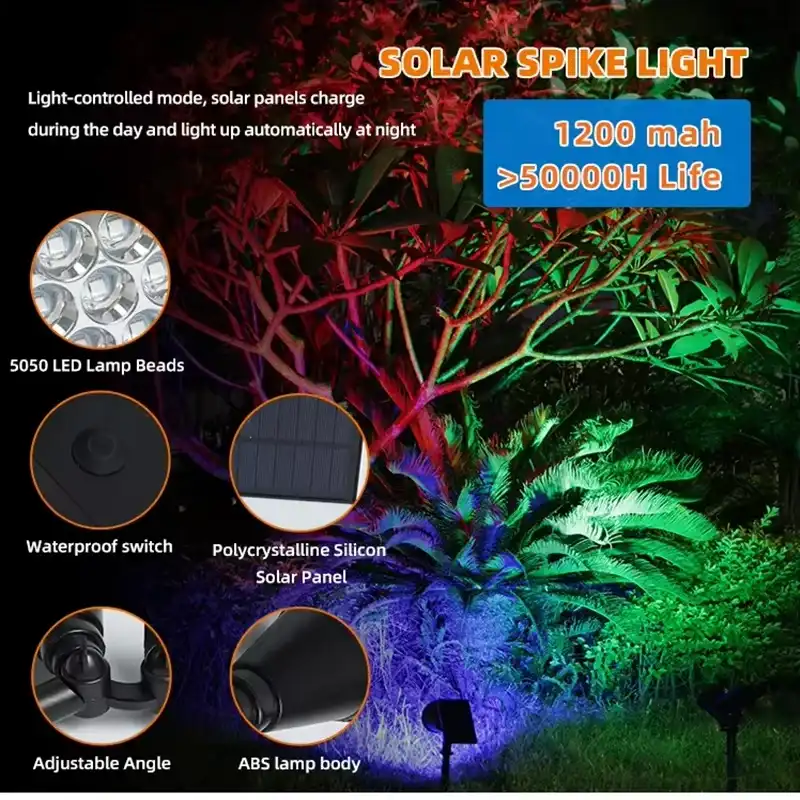
LED technology changed both groups by getting rid of the need to update lamps so often in older HID systems. Modern bollard lights get 140 to 160 lumens per watt and have L70 lifespans of more than 100,000 hours, which means they can work nonstop for 15 years or more. Adaptive lighting that dims during times of low traffic is made possible by built-in photocells and motion sensors. This cuts energy use by 40 to 60 percent yearly. Path lights also use solar charging and lithium-ion batteries, so they don't need to be connected to the power grid in rural areas and can keep shining even when it's cloudy for days on end. The color temperature range (3000K to 5700K) lets you make changes based on the situation. For example, warmer tones work better in dining settings, while cooler temperatures make walking areas in factories more visible.
Criteria for Choosing Between Bollard Lights and Path Lights
When choosing fixtures, procurement managers have to think about a lot of things that affect the long-term success of the project and daily funds.
User Requirements and Traffic Analysis
The right fixture specs are based on the features of the pathway. Bollard lights spaced every 25 to 30 feet are good for high-traffic pathways that connect parking garages to office buildings because they keep the road lit up at a minimum of 1.0 to 1.5 foot-candles. Garden walks with less foot traffic only need 0.5 to 0.8 foot-candles, which can be achieved by placing path lights 12 to 18 feet apart. Security needs affect the choice of height. For example, 50-foot-tall buildings that need face recognition need taller bollards with higher mounting points. On the other hand, ground-level accent lighting is more important for landscape routes that are just for looks.
Environmental and Site Conditions
The exposure to weather affects the protection levels and material requirements. For coastal locations, marine-grade stainless steel or powder-coated aluminum that can withstand 1000 hours of salt spray is needed to keep the metal from rusting from the salty air. Extreme temperature changes (-40°F to 130°F) in some areas mean that lights need to have thermally stable LED drivers and housing seals that can handle expansion. The installation surface also affects the choice. For example, stake-mounted path lights can be used in soft landscaping, but concrete hardscaping needs support bollards that are core-drilled and have epoxy-set bolts.
Cost Analysis and Total Ownership
Long-term prices include more than just the initial costs of buying something. Premium bollard lights can cost anywhere from $250 to $600 per unit, based on how many lumens they put out and what features they have. On the other hand, good path lights only cost between $80 and $200 per unit. Installation work costs are lower for path lights because they are easier to place, but big parking lots that buy a lot of bollards can get savings of more than 30 percent. Over a 10-year period of use, LED solutions always use less energy. For example, a 15-watt bollard that is on 12 hours a day consumes about $23 a year at business power rates, while the same HID legacy fixtures use $180.
Compliance and Certification Standards
North American projects have to follow a lot of different rules. UL 1598 approval makes sure that electrical safety is maintained in wet areas, and DLC Premium listing makes fixtures eligible for utility refund programs that cover 25 to 40 percent of the cost of buying them. IDA Dark Sky approval is important for cities and towns that have laws about light pollution because it requires full-cutoff lenses and color temperatures below 3000K. Projects that get government money have to follow the rules of the Buy American Act, which say that fixtures must have more than 55 percent domestic material by cost. This affects how suppliers are chosen and how much customization is possible.
Optimizing Outdoor Lighting Solutions — Combining Bollard and Path Lights
When you use both types of fixtures together in a smart way, you can make lighting plans that meet all of your needs, including safety, navigation, and looks.
Design Strategies for Combined Installations
Layered lighting uses Bollard lights to light up the main area, and path lights to help people find their way. A business site might put up 42-inch bollards every 30 feet around the edges of the parking lot. This would provide security-level vision (an average of 2 foot-candles) across the driving areas. At the same time, 18-inch path lights spaced every 15 feet direct walkers from the parking lot to the building entrances, making visible continuity without too much light. When compared to single-fixture plans that only use taller bollards spaced closer together, this mix uses 35% less energy.
Case Studies in Commercial Applications
A new hotel makeover in Arizona used architectural bollards in the garage and valet areas and decorative path lights in the courtyard grounds to show how well they could work together. The bollard lights had heads that could be adjusted for precise pointing to block glare from guest room windows, and the path lights had warm 2700K LEDs that went well with the plants in the yard. After the installation, polls showed that 92 percent of guests were happy with the atmosphere at night, and the energy use was 48 percent lower than with the old light systems. Maintenance logs showed that none of the fixtures broke in the first 18 months, which proved that the IP66 rating of the housings was correct for the hot environment.
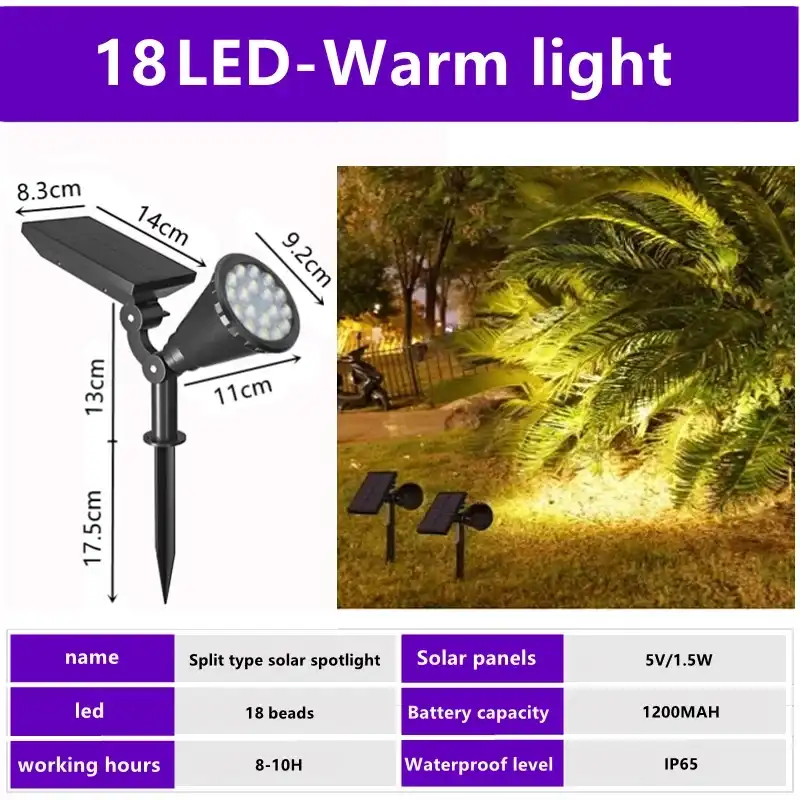
Municipal park projects use a mix of different methods. For example, solar-powered path lights light up the trails inside the park, while grid-powered bollards light up the parking lots and bathrooms. This plan adds lighting to remote areas without having to dig trenches, and it makes sure that critical safety zones stay lit up even when it's dark for a long time. High-quality solar lights have battery management systems that stop heavy discharge cycles that damage lithium cells. This keeps the cells' capacity over their five-year or longer lifecycles.
Maintenance Planning and Longevity
Schedules for proactive maintenance improve the efficiency and return on investment of fixtures. Once a year, the lenses should be checked for clarity and silica dust buildup or damage from impacts that needs to be replaced. It is important to check the torque of mounting hardware because heat expansion cycles and ground shifting can loosen anchor bolts over time. Visually checking LED driver boxes for water entry is helpful, but high-end lights with conformal-coated circuit boards don't corrode even if the seals get a little worn down. Landscape care teams need help avoiding weed trimmer impacts and irrigation overspray, which are two typical reasons why path lights fail too soon in business settings.
Buying Guide for Bollard and Path Lights — Supplier and Product Insights
Choosing where to get things affects how long a job takes, how much it costs, and how reliable assets are in the long run. To make smart purchases, you need to know what your suppliers can do and how their products are different.
Evaluating Manufacturers and Brands
Manufacturers with a long history, like Philips and Cree, are known for making high-quality LEDs and optics. Their Bollard lights and path lights come with 5- to 10-year guarantees that cover both the parts and the finish. Their engineering teams give light testing results that show they meet DesignLights Consortium standards, which is needed to get into utility reward programs. New suppliers from Asia-Pacific markets offer low prices on standard designs, but buyers should check third-party testing certificates (ETL, UL) instead of depending on vendors' own claims of specifications.
Customization and OEM Capabilities
Fixtures often need to be changed for big business projects to meet specific design or operational needs. Reliable providers can customize your order by adding non-standard heights, powder coat colors that match brand themes, and control interfaces that work with BACnet or DALI building management systems. Custom designs usually have a minimum order quantity of 100 to 500 units, which means they can be used in master-planned communities or on company campuses. Tooling and production take 8 to 12 weeks, so you need to get involved early in the planning part of the project.
Negotiating Bulk Procurement Agreements
When you buy in bulk, you can get big savings on costs. When managing multi-phase projects, procurement managers should discuss framework agreements that set unit price tiers based on annual commitment amounts. Agreements could say that each bollard costs $280 if the order is less than 200 units and $195 if the order is more than 1,000 units per year. Payment terms that are good for sellers, like 50% down and net-30 on the last bill, often lead to extra 3 to 5 percent savings. Combining packages to meet building deadlines cuts down on freight costs and ensures just-in-time delivery, which keeps problems with on-site storage to a minimum.
Supplier Verification and After-Sales Support
Doing your research ahead of time saves you from fake goods and sellers you can't trust. Check the supplier's qualifications with groups like the Illuminating Engineering Society and ask for examples of past work, along with the contact information for site managers who are ready to talk about the results. Instead of coming from in-house facilities, photometric testing results should come from outside labs like Intertek and SGS. After-sales support should include technical hotlines handled by lighting experts instead of general customer service teams, as well as replacement parts (drivers, lenses) that can be shipped within 48 hours.
Conclusion
To choose between Bollard lights and path lights, you need to carefully look at the lighting needs of the project, the conditions of the site, and the long-term operating goals. Bollard lights cover a large area and are good for security-related uses, while path lights make it easier for people to find their way in areas with a lot of people. Both types are often used together in business setups that work well, making layered lighting plans that save energy and improve the user experience. Professionals in procurement should judge sellers based on how well they follow certification rules, how well they can customize products, and how well they have provided after-sales help in the past. Thoughtful design that is in line with regulatory standards makes sure that installations meet safety goals while keeping lifetime costs as low as possible by making LEDs last longer and integrating adaptive control.
FAQ
Can both bollards and path lights be powered by solar power?
Solar technology works well for path lights in sunny places because the small panels can charge the batteries enough in 5 to 6 hours of daylight. Bollards need bigger panels and battery banks because they use more wattage. This means that solar is only practical in remote areas where digging a hole costs more than $50 per square foot. When the weather changes, lithium-ion batteries keep their power better than lead-acid batteries.
Do shorter path lights more likely to cause trips than bigger bollards?
This problem is solved by properly positioned path lights with downward-focused lenses that light up the ground without making harsh changes from light to dark. Fixtures should have average-to-minimum uniformity ratios of 5:1. This will keep shade zones from appearing where hurdles can't be seen. When bollards are placed too far apart, they create dark spots between pools of light, which raises the risk of accidents.
What maintenance intervals suit different technologies and environments?
In mild conditions, LED bollard and path lights need to be checked once a year. In seaside or industrial areas with airborne pollutants, they need to be checked every six months. Depending on how often they are discharged, solar lights need new batteries every 4 to 6 years. HID systems need new lamps every 8,000 to 12,000 hours. Within 3 years, the money saved on work alone makes LED improvements financially viable.
Partner With USKYLED for Superior Outdoor Lighting Solutions
USKYLED sells LED bollard lights and path lighting systems that are made for hard business-to-business uses. Our fixtures can be customized and come with IP66 protection, 140+ lm/W effectiveness, and compliance with UL/DLC standards. We also offer full expert help during the entire buying and installation process. We have low wait times and can give large amounts to distributors, contractors, and site managers all over North America. Contact our lighting experts at sales@uskyled.com to talk about your project needs and get full details on the bollard lights manufacturers we work with.
References
1. Illuminating Engineering Society. (2020). RP-8-18: Recommended Practice for Design and Maintenance of Roadway and Parking Facility Lighting. New York: IES Publications.
2. U.S. Department of Energy. (2019). LED Lighting for Outdoor Applications: Performance and Specification Guidelines. Washington, DC: Office of Energy Efficiency and Renewable Energy.
3. International Dark-Sky Association. (2021). Fixture Seal of Approval Program Guidelines for Outdoor Luminaires. Tucson, AZ: IDA Technical Committee.
4. American Society of Landscape Architects. (2018). Professional Practice: Outdoor Lighting Design Standards for Commercial Landscapes. Washington, DC: ASLA Press.
5. National Electrical Manufacturers Association. (2022). ANSI C136.31: Roadway and Area Lighting Equipment – Dimensional and Electrical Interchangeability. Rosslyn, VA: NEMA Standards Publication.
6. DLC Technical Requirements Committee. (2023). DLC Premium Specification V5.1: Outdoor Lighting Performance Criteria. Medford, MA: DesignLights Consortium.

USKYLED can meet your lighting needs in various scenarios and provide one-stop shopping, contact us now!
Why You Should Choose USKYLED?
![What is Dimmable Track Lighting for Museum: Best Guide [2025]](/icms/upload/0d08cc601e7611f0b542b3ca0c0f4a83/pic/knowledgemanager-knowledgepic/e7879f32605f11f081911f363b8c1ed0/Directory/20250717 dimmable track lighting -1(1)_1752739217941.webp)