Rechargeable Emergency Lights for Power Failure Preparedness
Businesses, restaurants, and factories all lose money when their power goes out without warning. Operations stop, safety risks rise, and money is lost. A Rechargeable emergency lamp is an important backup source of light that keeps your business going easily when the power goes out. These battery-powered lighting options have come a long way, now featuring high-brightness LED technology, longer run times, and smart charging systems that make sure they work reliably when the power goes out. To keep your business running and meet safety standards, you need to know which emergency lighting option is best for your building.
Understanding Rechargeable Emergency Lamps: Functionality and Types
Core Functional Components and Operation Mechanisms
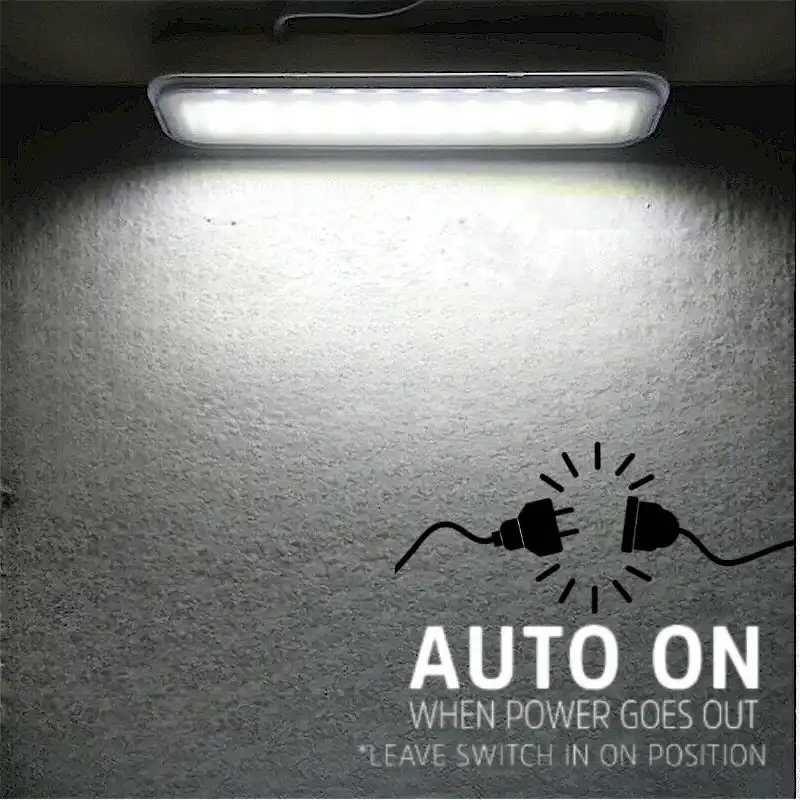
Modern emergency lighting systems use advanced battery technology and LED units that use little energy. Traditional incandescent emergency lights use too much power and make too much heat. LED-based options give off more light while lasting longer on a single charge. Lithium-ion or lithium-polymer batteries, smart charge circuits, automatic power-failure warning systems, and high-CRI LED arrays are the main parts. The charge circuit keeps the battery at its best capacity when mains power is working properly. As soon as the power from the grid goes out, an automatic switching device turns on the LED module within milliseconds, keeping the light on all the time.
Categorizing Emergency Lamp Types for Procurement Decisions
Rechargeable emergency lamps are useful for brief work areas, maintenance tasks, and escape paths because they are flexible. Most of the time, these machines have handles for moving, magnetic bases, or stands that can be adjusted. Fixed emergency luminaires are built right into the structure of a building. They are dual-purpose lamps that work as normal lights when the power goes out and switch to battery power when the power comes back on.
Solar-integrated versions are good for outdoor uses and green building projects. During the day, these units use sun energy and store the power for situations at night. USB rechargeable types let you charge them in a number of different ways, including with normal power adapters, charging ports in cars, or portable power banks. Facility managers like this flexibility because it lets them plan for emergency preparations at multiple places with different types of equipment.
Battery Capacity, Charging Times, and Maintenance Best Practices
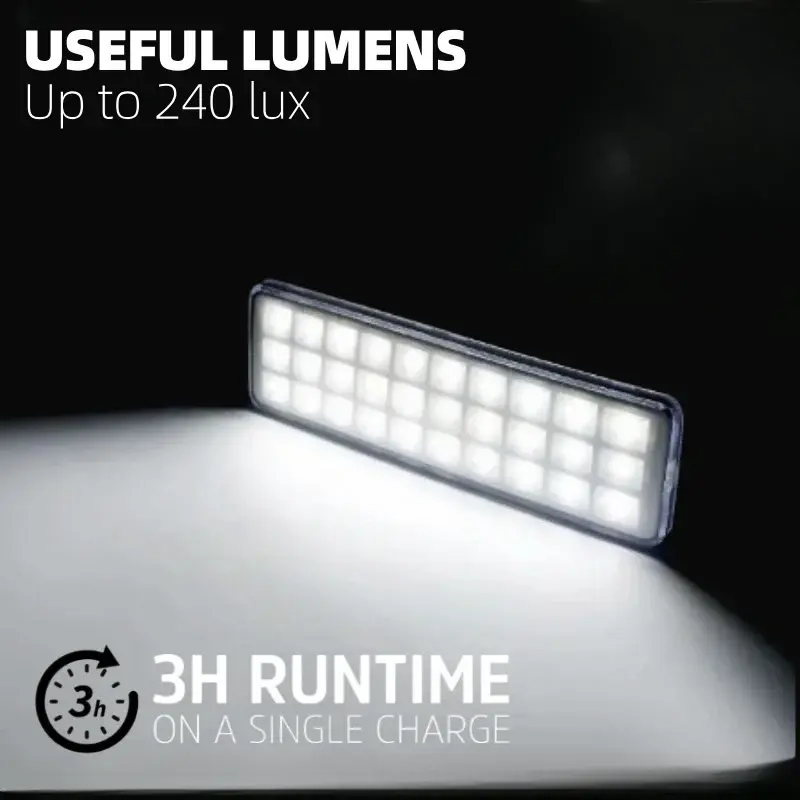
Runtime when the power goes out is directly related to the size of the battery. Commercial-grade emergency lights usually have battery sizes that range from 2,000mAh for small units to 10,000mAh for high-output fixtures that need to run for a long time. Because of this, charging times vary, but most good units are fully charged in 4 to 8 hours. With rapid-charge technology, this window is cut down to two to three hours, which means there is less downtime between release rounds.
Regular upkeep makes sure that equipment works well and lasts longer. Monthly discharge tests make sure the battery is healthy and that the automatic swapping works. Every three months, the charging sign should be checked for accuracy, physical damage, and broken connections. Professional evaluations done once a year find patterns of decline before they hurt performance. Recording these upkeep tasks meets legal standards and gives quality management systems a way to check for compliance.
Key Benefits and Safety Considerations of Rechargeable Emergency Lamps
Cost-Effectiveness and Operational Expense Reduction
Emergency lighting is a smart purchase that saves income streams when the power goes out. LED emergency lights use 80–90% less energy than incandescent ones, which saves money on power costs when they are being charged. Because LED units last a long time—often over 50,000 hours—they don't need to be replaced very often. Rechargeable emergency lamp systems don't need to change batteries as often as disposable-cell units do, which saves a lot of money over multiple years of purchases.
Keeping operating downtime to a minimum directly leads to higher output. Facilities that make things keep important processes going, hotels keep taking care of guests, and stores keep selling things. When you compare the cost of emergency lights to the money you might lose in sales during even short power outages, you can see the clear return on investment. Uninterrupted view keeps service level agreements and stops shipment delays in distribution centers that handle tasks that need to be done quickly.
Essential Safety Practices and Regulatory Compliance
The right placement height and spacing make sure that there is enough light along escape paths and in work areas. Building codes usually require minimum lux levels along exit routes, which means that fixtures need to be carefully placed. Regular testing makes sure that emergency lighting works right and stays at the right brightness level for the full amount of time that it's supposed to.
International guidelines for approval serve as guides for buying things. UL approval means that the product meets North American safety standards, while CE marking means that the product meets European safety standards. RoHS approval proves that dangerous substances are limited, and following environmental rules is becoming more and more important for companies that want to be environmentally friendly. DLC listing makes goods eligible for utility refund programs, which improves the project's ability to make money. To lower the risk of liability and make sure dependable performance in emergencies, these certifications should be clearly stated in the procurement specs.
Top Rechargeable Emergency Lamps in 2026: Market Comparison and Evaluation
Comparative Analysis of Leading Manufacturers
There are well-known companies in the emergency lighting market that have a history of success in business settings. Philips has been making lights for a long time and now makes emergency luminaires that can do smart testing and central tracking. Their goods usually have high-quality parts that make up for the higher starting costs by lasting longer.
Syska is competitive in the mid-market area by offering strong performance at prices that most people can afford. Their Rechargeable emergency lamps have built-in automatic power control that keeps batteries from getting damaged by being charged too much. Eveready uses its history in battery technology to make units with great energy efficiency and discharge properties. Bajaj focuses on optimizing tropical climates and makes heat control systems that work well in hot places. Havells focuses on integrating style into their work, making emergency lighting systems that look good with building lighting designs. Wipro makes ruggedized housings and weatherproofing that is marked IP65 for industrial use.
When sourcing managers look at different manufacturers, they should look at how bright the products are (in lumens), how long the batteries last (in charge cycle ratings), how flexible the charging is (with multiple power input options), how well the products protect against environmental damage (in environmental protection ratings), and how confident the manufacturers are in their warranties. A close look at Philips and Syska shows that their strengths support each other. Philips is great at integrating smart buildings and providing diagnostic tools, while Syska is a great choice for projects on a budget that need reliable basic functions.
Real-World Deployment Case Studies
A global hotel company put in smart emergency lighting systems in 200 of its sites that work with building automation platforms. Through automatic monthly verification and remote state tracking, the integrated solution cut the amount of work needed for testing by 65%. During severe weather events, when area power lines went down, the emergency lights kept the evacuation routes safe and allowed security staff to keep doing their jobs. The success shown in real situations supported the decision to buy and helped with the decision to add more homes.
Industrial-grade emergency lights were put up in production areas and transportation zones of a factory that makes cars. When an unexpected transformer failed, the emergency lights kept the building lit for 8 hours straight, so maintenance teams could safely make fixes and get things back to normal the same day. The cost of not having to deal with downtime was twelve times the total cost of installing emergency lights. This shows a clear return on investment and supports putting similar systems in place at sister sites.
How to Choose the Best Rechargeable Emergency Lamp for Your Business?
Strategic Assessment of Business Requirements
The risks of power loss are very different in different businesses and parts of the world. Facilities in places where the electricity grid is old or where there is a lot of bad weather need stricter emergency lighting requirements. When used indoors, even lighting and blending in with current patterns are the most important things. For outdoor setups, you need housings that don't get damaged by weather, can handle high temperatures, and are made of UV-resistant materials that don't break down.
Minimum runtime needs are set by comparing battery capacity to the average length of a failure. Historical data from utilities shows how often outages happen and how long they usually take to fix. When you plan carefully, you add safety gaps that take into account how batteries age and how weather affects their capacity. Facilities that run important processes should define runtimes that are longer than the longest loss in the past by at least 50%. This will make sure that there is enough time for unplanned events.
Technical Specifications and Environmental Considerations
To find the best balance between battery life and charging speed, you need to know how things work. Rapid-charge technology quickly returns full capacity between events, which is helpful for facilities that have a lot of short power failures. When there are long, rare power outages, operations that need to keep running favor maximum battery capacity over charge speed. Energy economy goes beyond LED technology and includes smart power management that keeps things ready while reducing the amount of power used when they're not in use.
Environmental concerns are becoming more and more important in buying choices. Companies that offer recyclable parts, less wasteful packing, and carbon-neutral production methods are in line with their environmental promises. Energy Star approval and other similar eco-labels set standards for how well a product protects the earth. Lifecycle studies compare the total environmental effect from production to removal. This helps people make responsible buying choices that balance the need for efficiency with caring for the environment.
Integration with Existing Emergency Systems
Fire warning systems, building management platforms, and access control networks can all talk to modern emergency lights. This integration makes it possible for emergency reaction routines to be organized so that lighting turns on at the same time as alarms going off and doors opening automatically. Centralized tracking screens show the state of systems in various buildings, making it easier to plan maintenance and keep track of compliance paperwork.
Strategies for buying in bulk take advantage of big discounts while making sure that product specs are the same across multiple deployments. Total cost of ownership goes down when you negotiate full guarantees that cover both broken parts and service costs. After-sales support agreements should spell out how long it takes to answer technical questions, when service can be provided on-site, and how a new unit will be sent during warranty fixes. Setting these terms before the purchase saves operating stability and keeps support costs from coming up out of the blue.
Procurement Guide: Navigating Purchase Channels and Brand Suppliers
Evaluating Purchase Channels and Supply Options
Online markets offer a wide range of products and easy-to-use comparison tools. However, buyers must independently confirm the legitimacy of the seller and the product's certifications. Directly sourcing from a manufacturer has a number of benefits, including expert support during the creation of specifications, the ability to make changes to meet the unique needs of a project, and centralized management of warranties. Authorized dealer networks bring together assistance from the maker, local supplies, and support infrastructure in the area.
Pricing clarity changes from channel to channel. Online markets show prices right away, but they might not have bulk discount systems. Dealing directly with manufacturers can help you get better deals on large orders, especially when you make long-term plans to buy from them. Value-added services, like extended warranties, free testing tools, installation training, and faster shipping for pressing needs, set providers apart from others beyond their base prices. Most of the time, savings for bulk orders start at 50 units, and prices get better at 100, 500, and 1,000 units.
Building Sustainable Supplier Partnerships
Long-term ties with suppliers have benefits for businesses that go beyond the costs of individual transactions. When you have established ties with suppliers, you can use forecast-based inventory management to keep track of the stock that is assigned to your projects. This cuts down on the time it takes to place new orders. When suppliers know about your unique application settings and performance goals, it's easier to work together technically. Custom OEM solutions are now possible, which lets you add your own name or change specifications to make your products stand out in crowded markets.
To figure out how reliable a provider is, you have to look at their production capacity, quality control certifications, and the stability of their supply chain. Site surveys check that the factory can make things and that quality control procedures are followed. Financial stability checks make sure that providers can keep their long-term promises and warranty responsibilities. References from clients on a similar size give practical views that go beyond what is written in marketing materials. These steps build trust in relationships with suppliers that keep business going throughout the span of a project.
USKYLED knows that emergency lighting needs the same high standards of performance and dependability that our other LED products do. Our engineering team uses cutting-edge LED technology and careful manufacturing to make backup lighting options that work well with overall lighting plans for buildings. Commercial lighting companies, engineering contractors, and site managers who need to be ready for power outages without sacrificing style or price can get help from us.
Conclusion
Rechargeable emergency lighting protects business stability, makes sure safety rules are followed, and gives a clear return on investment by making operations more resilient. As LED technology and smart battery management have improved, emergency lighting has gone from being a simple backup source of light to complex systems that work with building automation and help with green efforts. Facility experts and sourcing managers who know how to read technical specs, review suppliers in a structured way, and build strategic partnerships set up their companies to work reliably when the power goes out. Based on the buying insights shared here, you can make smart decisions that balance short-term needs with long-term business goals.
FAQ
What runtime should commercial emergency lighting provide?
Building rules usually require that exit lights stay on for at least 90 minutes. Businesses should choose between 3 and 8 hours based on how long power outages have been in the past in their area, plus extra time to account for batteries wearing out. For long-term backup power needs, critical processes may need 12–24 hour capacity or the ability to connect to generator systems.
How often should the emergency lights be checked?
Every month, activation tests make sure that basic functions and automatic switches work. Every three months, the physical state and charging ability are checked. Discharge tests every year for 90 minutes make sure the battery's capacity meets the stated specs. Documenting these steps meets legal standards and keeps the reliability high.
Can smart building systems work with emergency lighting?
Standard methods, such as BACnet or DALI, let advanced emergency lighting systems talk to building control platforms. This integration makes it possible for centralized tracking, automatic testing schedules, and coordinated emergency reaction with security and fire alarm systems. This cuts down on upkeep work while making the systems more reliable.
Partner with USKYLED for Reliable Emergency Lighting Solutions
USKYLED offers complete LED lighting solutions that go beyond basic lighting and include emergency planning systems that are custom made to fit your business's needs. As a seller of Rechargeable emergency lamps with a lot of experience, we mix technical know-how with the ability to make OEM parts to meet the needs of each project. We are your key partner for power-outage preparation because we are committed to international certification standards, quick technical help, and stable bulk supply capacity. Get in touch with us at sales@uskyled.com to talk about how our emergency lighting options can help protect your business and make your building more resilient.
References
1. Illuminating Engineering Society. "Emergency Lighting Design Guide: Commercial and Industrial Applications." IES Publication TM-12, 2023 Edition.
2. National Fire Protection Association. "NFPA 101 Life Safety Code: Emergency Illumination Requirements for Commercial Occupancies." 2024 Standards Manual.
3. U.S. Department of Energy. "LED Emergency Lighting Systems: Performance Characteristics and Energy Efficiency Analysis." Building Technologies Office Report, 2023.
4. International Code Council. "International Building Code Chapter 10: Means of Egress Illumination Standards." 2024 Edition.
5. European Committee for Standardization. "EN 1838: Lighting Applications - Emergency Lighting." CEN Technical Standards, 2023 Revision.
6. Occupational Safety and Health Administration. "Emergency Preparedness and Response: Workplace Lighting Requirements During Power Failures." OSHA Publication 3814, 2023.

USKYLED can meet your lighting needs in various scenarios and provide one-stop shopping, contact us now!
Why You Should Choose USKYLED?
![What is Dimmable Track Lighting for Museum: Best Guide [2025]](/icms/upload/0d08cc601e7611f0b542b3ca0c0f4a83/pic/knowledgemanager-knowledgepic/e7879f32605f11f081911f363b8c1ed0/Directory/20250717 dimmable track lighting -1(1)_1752739217941.webp)