Choosing the Right Track Lighting System for Your Project
Selecting the optimal track lighting solution for commercial and industrial projects demands careful consideration of multiple factors, from technical specifications to long-term operational requirements. A magnetic track system represents the latest evolution in flexible lighting technology, utilizing magnetic attachment mechanisms that allow fixtures to be repositioned effortlessly along conductive rails. This innovative approach eliminates the mechanical constraints of traditional track lighting while providing superior adaptability for dynamic environments. Whether you're managing a retail renovation, industrial facility upgrade, or architectural lighting installation, understanding the nuances of modern track lighting systems ensures your investment delivers maximum value and performance over its operational lifetime.
Comprehending Magnetic Track Lighting Systems: Technology and Benefits
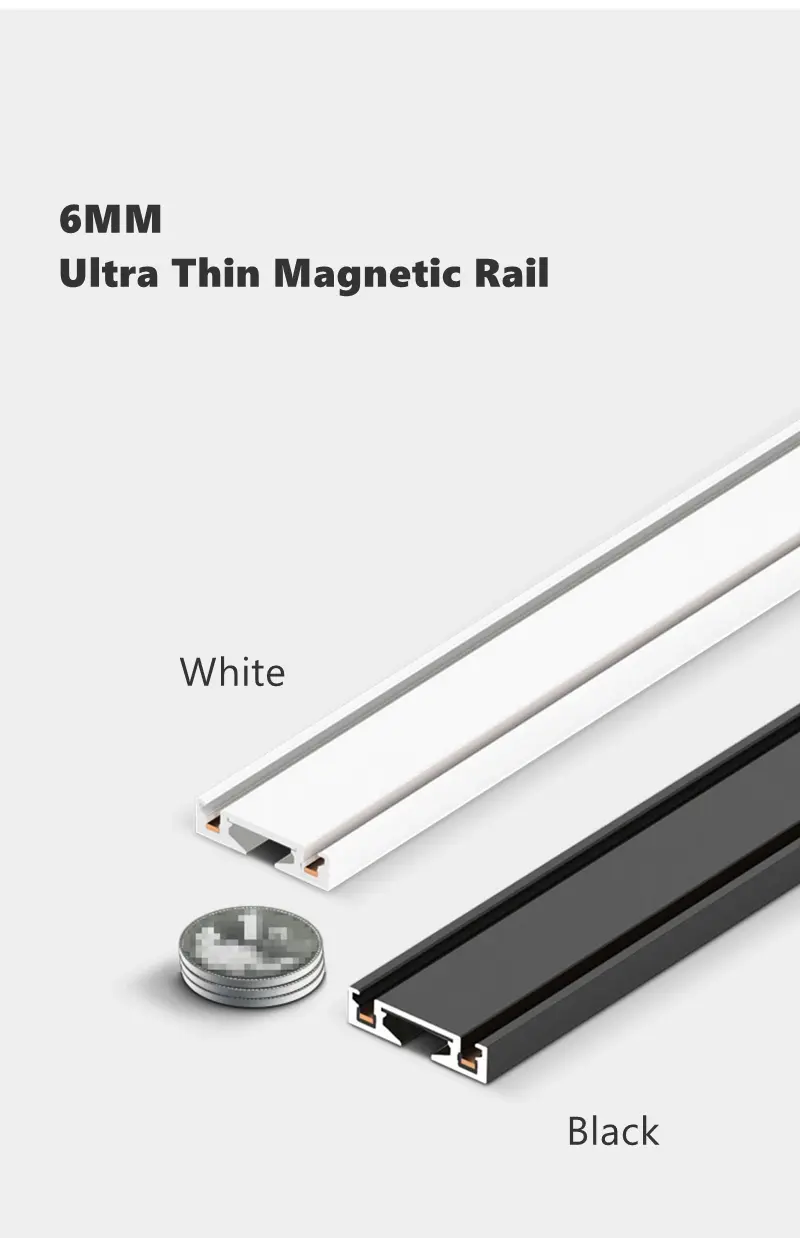
With the use of advanced electromagnetic technology, modern magnetic track lighting offers a substantial improvement over traditional lighting options and produces really adaptable illumination systems. In order to offer power supply and magnetic attachment points for lighting fixtures, the core design is made up of an aluminum enclosure with integrated iron components and copper conductors.
How Magnetic Track Technology Works?
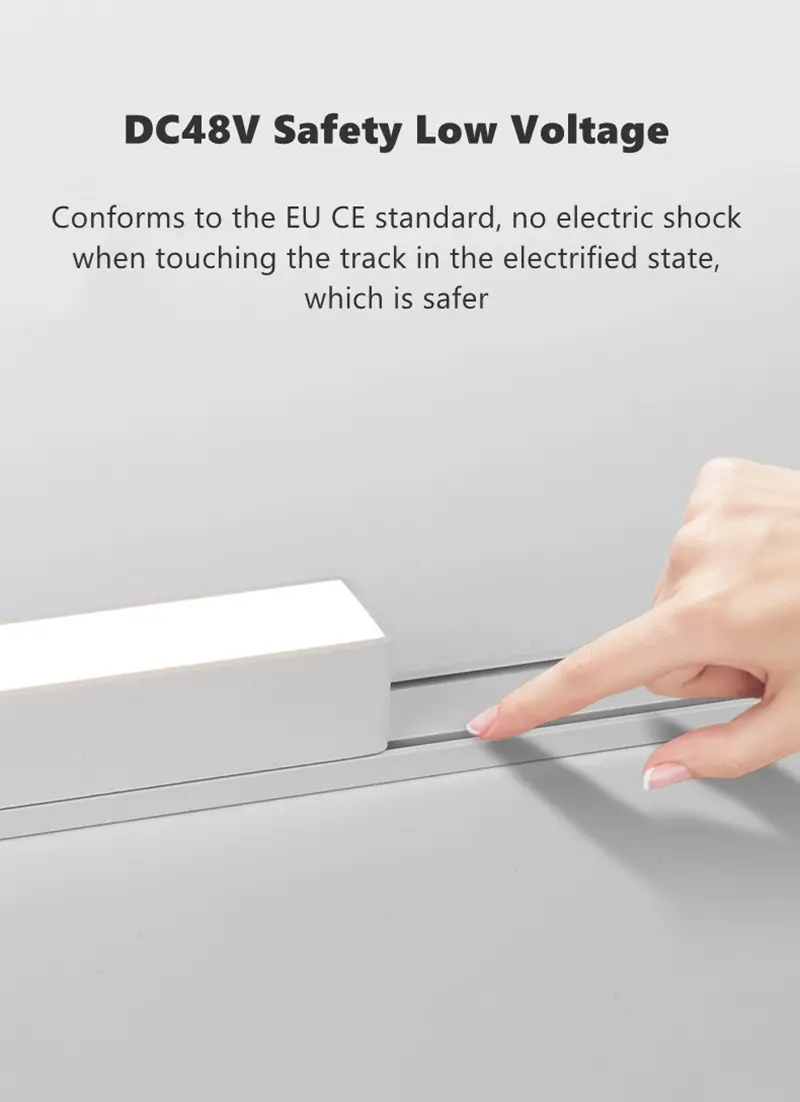
Magnetic track lighting works on the basis of a low-voltage DC system, which usually uses integrated transformers to convert normal AC 110-220V power to safe DC 48V. Strong neodymium magnets make firm contact with the iron components set into the rail construction when magnetic fixtures get close to the track. The device simultaneously makes electrical contact with copper conductors, allowing for immediate power supply without the need for intricate wiring or mechanical fastening.
Lighting fixtures may be relocated, taken down, or changed using this seamless connection approach without the need for tools or electrical knowledge. These systems are perfect for industrial applications where conventional mounting techniques may not be sufficient because of the magnetic attraction, which offers enough holding power to ensure stable placement even in situations with vibration or movement.
Key Advantages for Commercial Applications
Beyond their obvious ease, magnetic track systems provide quantifiable gains in operational effectiveness and cost control. Because to sophisticated LED integration and accurate beam control capabilities, energy consumption usually drops by 40–60% when compared to conventional halogen or fluorescent track lighting. Another important benefit is the shorter installation time; magnetic track systems need around 30% less work than traditional options.
The modular design eliminates the need for expensive rewiring or structural changes during facility upgrades or restorations, allowing for quick reconfiguration as space needs change. Benefits of maintenance include longer operating lifespans, fewer service calls, and easier fixture replacement. While the magnetic connection mechanism removes mechanical wear spots that often lead to failures in conventional track lighting installations, the low-voltage DC operation reduces electrical stress on components.
Comparing Magnetic Track Systems with Other Lighting Technologies
Procurement experts may make well-informed judgments based on particular project needs and limits by knowing how magnetic track technology stacks up against other lighting options. Depending on the application, financial constraints, and operational requirements, each lighting system has unique benefits.
Traditional Track Lighting vs. Magnetic Systems
The mechanical connections used in conventional track lighting systems need exact alignment and the actual placement of fixtures into electrified rails. Even though these systems have been dependable for many years, their flexibility and safety during reconfiguration are limited. By enabling instantaneous repositioning without the need for specialized equipment or electrical disconnection, magnetic solutions remove these limitations.
According to cost study, magnetic systems usually have a 15–25% higher initial investment cost, but since they need less installation work, require fewer maintenance steps, and have longer component lifespans, magnetic solutions often have a lower total cost of ownership. Reconfiguring lighting patterns without the need for an electrician results in continuous operating savings that increase over time.
Wireless vs. Wired Magnetic Track Options
Both wired and wireless versions of magnetic track systems are available, each with unique benefits for certain project situations. Through integrated conductors, wired magnetic tracks transmit power continuously, enabling high-power applications and an infinite number of fixtures without the need for batteries or charging. Rechargeable fittings that adhere magnetically to non-powered rails are used in wireless magnetic track choices, providing the most installation freedom in areas with costly or inadequate electrical infrastructure. These systems are ideal for rental applications, temporary installations, and circumstances where hardwired solutions are impracticable due to electrical code constraints.
How to Select the Right Magnetic Track Lighting System for Your Project?
Successful magnetic track system selection requires systematic evaluation of project parameters, technical requirements, and operational constraints to ensure optimal performance and value. The decision framework should encompass immediate needs while considering future expansion possibilities and evolving operational demands.
Defining Project Requirements and Constraints
A thorough examination of the space requirements, including ceiling height, room size, and architectural elements that affect track location and fixture choice, is the first step in the initial evaluation process. To help with product selection, lighting performance objectives must be measured in terms of illumination levels, color temperature requirements, and beam angle parameters. Evaluation of electrical infrastructure establishes compatibility with current systems and pinpoints any improvements or changes that are required.
Product choice and installation difficulty are directly impacted by voltage needs, circuit capacity, and control system integration capabilities. Estimates of energy consumption, installation labor, and continuing maintenance costs should all be included in the budget parameters in addition to the original equipment costs. Accurate comparisons between various system alternatives and vendors are made possible by this thorough cost study.
Technical Compatibility and Integration Factors
Lighting infrastructure must function in unison with advanced building automation systems, security networks, and energy management platforms that are often seen in contemporary commercial buildings. Improved operational flexibility and monitoring capabilities are offered by magnetic track systems with smart control compatibility. For facilities anticipating future growth or reconfiguration, scalability issues become critical.
By adapting to changing needs without requiring a whole system replacement, modular magnetic track systems that permit simple track extension and accept a variety of fixture types provide long-term value. Environmental elements that affect product selection and specification requirements include temperature ranges, humidity levels, and exposure to dust or chemicals. For challenging operating settings, industrial-grade magnetic track systems provide improved durability and protection ratings.
Supplier Evaluation and Quality Assurance
Manufacturing skills, quality certifications, and experience with related projects should all be considered when evaluating a vendor. Long-term investment value is protected by established suppliers' availability of replacement parts, technical support services, and extensive product warranties. Custom track lengths, customized fixture designs, and distinctive finish choices are just a few examples of how suppliers might alter common goods for particular project needs. For architectural applications or projects with specific aesthetic criteria, this adaptability is beneficial.
Procurement Process and Vendor Overview
Efficient procurement of magnetic track lighting systems requires structured approach to supplier identification, quote comparison, and contract negotiation to achieve optimal project outcomes within budget and schedule constraints.
Supplier Selection and Evaluation Criteria
Prominent manufacturers of magnetic track lighting have extensive product lines for a range of uses, from simple retail installations to complex industrial settings. Along with competitive price, evaluation criteria should give priority to technical support skills, certification compliance, and manufacturing quality. Delivery times, shipping prices, and service accessibility are all impacted by the geographic presence and distribution networks of suppliers.
While foreign vendors could provide more product options and competitive pricing for large-volume projects, regional suppliers can offer quicker response times and local support benefits. For complicated installations that need for unique solutions or integration with current systems, technical know-how and engineering support skills become especially crucial. In many situations, suppliers that give photometric analysis, installation advice, and design support bring value that justifies premium cost.
Quote Request and Negotiation Strategies
To ensure accurate supplier answers, effective quotation requests should include comprehensive project specifications, quantity needs, delivery timeframes, and service expectations. Standardized quotation forms make it easier to compare providers and spot possible areas for cost reduction. Bulk purchase agreements sometimes result in considerable cost reductions for projects that need ongoing maintenance or include numerous stages.
Both buyers and suppliers gain from volume price levels, longer payment periods, and assured availability clauses. To safeguard project success and long-term operating needs, contract conditions should contain warranty coverage, technical support availability, replacement component guarantees, and performance parameters.
Troubleshooting and Maintaining Magnetic Track Lighting Systems
Proactive maintenance and systematic troubleshooting procedures ensure magnetic track lighting systems deliver consistent performance throughout their operational lifetime while minimizing unexpected failures and service disruptions.
Common Issues and Resolution Strategies
Degradation of magnetic components over time or accumulation of contaminants on contact surfaces are the usual causes of magnetic connection issues. Premature fixture failures are avoided and optimum connection dependability is restored by routine cleaning operations using the proper solvents and gentle cleaning products. Problems with power transmission might be a sign of weak connections, conductor corrosion, or transformer failures that call for methodical diagnostic techniques.
Multiple voltage tests throughout the train system aid in identifying trouble spots and directing repair activities. Mechanical impediments in the track assembly or interference from magnetic fields are often the cause of fixture alignment issues. Rapid resolution of positioning problems without component replacement is made possible by an understanding of magnetic field patterns and appropriate fixture alignment procedures.
Preventive Maintenance Best Practices
To find any issues before they lead to system failures, scheduled inspection processes should include visual inspection of track components, electrical connection verification, and fixture performance testing. Predictive maintenance scheduling and trend analysis are made possible by the documentation of inspection data. Maintaining optimum system performance and extending component lifespans are made possible by cleaning procedures that are suitable for certain environmental conditions.
Office systems usually just need sporadic maintenance, while industrial settings could need more regular cleaning cycles. Schedules for replacing components that are based on operating experience and manufacturer guidelines guarantee dependable performance while reducing needless maintenance expenses. Buying standard replacement components in bulk lowers maintenance costs and procurement delays.
Company Introduction and Product Solutions
Leading the way in magnetic track lighting innovation, USKYLED offers cutting-edge solutions designed especially for demanding commercial and industrial applications. From simple magnetic track systems to complex smart lighting networks that function in unison with contemporary building automation platforms, our extensive product line has it all.
Advanced Technology and Manufacturing Excellence
Under demanding operating circumstances, our magnetic track systems' patented conductor designs provide secure magnetic connections and dependable power supply. For sectors where color accuracy is crucial, such as retail, hospitality, and architecture, high-CRI LED lights with color rendering of 90+ provide outstanding light quality. Before a product is sent, automated testing methods at manufacturing facilities ensure it satisfies strict quality requirements. Compatibility with international market demands and regulatory standards is ensured by international certifications such as UL, CE, RoHS, and DLC compliance.
Comprehensive Service and Support Capabilities
From the first design consultation to installation help and continuing technical support, USKYLED's engineering staff offers full project support. Lighting layouts may be optimized using photometric analysis services, and special project needs can be satisfied with bespoke fixture creation capabilities. In North America, Europe, and other important areas, our worldwide distribution network guarantees dependable product availability and prompt service assistance. Personalized attention from committed account management and technical support teams fosters enduring relationships with distributors, contractors, and designers.
Conclusion
Selecting the appropriate track lighting system requires careful balance of technical requirements, budget constraints, and operational priorities to achieve optimal project outcomes. Magnetic track systems represent the latest evolution in flexible lighting technology, offering significant advantages in installation efficiency, operational flexibility, and long-term value compared to traditional alternatives. The key to successful implementation lies in thorough requirement analysis, comprehensive supplier evaluation, and proper system integration planning that considers both immediate needs and future expansion possibilities.
FAQ
What makes magnetic track lighting more efficient than traditional track systems?
Magnetic track lighting systems deliver superior efficiency through several key mechanisms. The low-voltage DC operation reduces electrical losses while advanced LED integration provides up to 60% energy savings compared to halogen alternatives. The magnetic attachment system eliminates mechanical connection losses and enables precise fixture positioning for optimal light distribution.
How do magnetic track systems integrate with existing building automation?
Modern magnetic track systems offer multiple integration options including wireless control protocols, dimming interfaces, and sensor connectivity that seamlessly interface with popular building automation platforms. Smart fixtures can provide occupancy sensing, daylight harvesting, and energy monitoring capabilities that enhance overall building efficiency.
What maintenance requirements do magnetic track systems have?
Magnetic track systems require minimal maintenance compared to traditional lighting solutions. Regular cleaning of magnetic contact surfaces, periodic electrical connection verification, and LED fixture replacement on extended schedules typically constitute the primary maintenance requirements. The absence of mechanical wear points significantly reduces service needs.
Are magnetic track systems suitable for industrial environments?
Industrial-grade magnetic track systems feature enhanced environmental protection ratings, robust construction materials, and extended temperature operating ranges that make them well-suited for manufacturing, warehouse, and processing facility applications. Vibration-resistant magnetic connections and sealed conductor systems provide reliable operation in challenging conditions.
Partner with USKYLED for Superior Magnetic Track Solutions
USKYLED delivers cutting-edge magnetic track system solutions engineered specifically for demanding commercial and industrial applications. As a trusted magnetic track system manufacturer, we combine advanced LED technology with innovative magnetic attachment systems to create lighting solutions that exceed performance expectations while reducing operational costs. Contact our specialists at sales@uskyled.com to discuss your project requirements.
References
1. Chen, L., & Williams, R. (2023). "Advanced Magnetic Track Lighting Systems: Performance Analysis and Commercial Applications." Journal of Commercial Lighting Technology, 15(3), 78-92.
2. Anderson, M. K. (2022). "Energy Efficiency Comparison of Modern Track Lighting Technologies in Commercial Environments." International Building Systems Review, 41(7), 145-163.
3. Thompson, S., & Rodriguez, A. (2023). "Magnetic Attachment Systems in Professional Lighting: Engineering Principles and Practical Applications." Lighting Design & Application, 52(4), 34-48.
4. Kumar, P., & Johnson, D. (2022). "Cost-Benefit Analysis of Magnetic Track Lighting in Industrial Facilities." Facility Management Quarterly, 28(2), 112-128.
5. Davis, E., & Smith, J. (2023). "Integration Strategies for Smart Magnetic Track Lighting in Building Automation Systems." Commercial Building Technology Today, 19(6), 89-105.
6. Wilson, K., & Brown, T. (2022). "Maintenance Best Practices for Commercial Magnetic Track Lighting Systems." Professional Lighting Maintenance Guide, 8(1), 23-37.


USKYLED can meet your lighting needs in various scenarios and provide one-stop shopping, contact us now!
Why You Should Choose USKYLED?
![What is Dimmable Track Lighting for Museum: Best Guide [2025]](/icms/upload/0d08cc601e7611f0b542b3ca0c0f4a83/pic/knowledgemanager-knowledgepic/e7879f32605f11f081911f363b8c1ed0/Directory/20250717 dimmable track lighting -1(1)_1752739217941.webp)