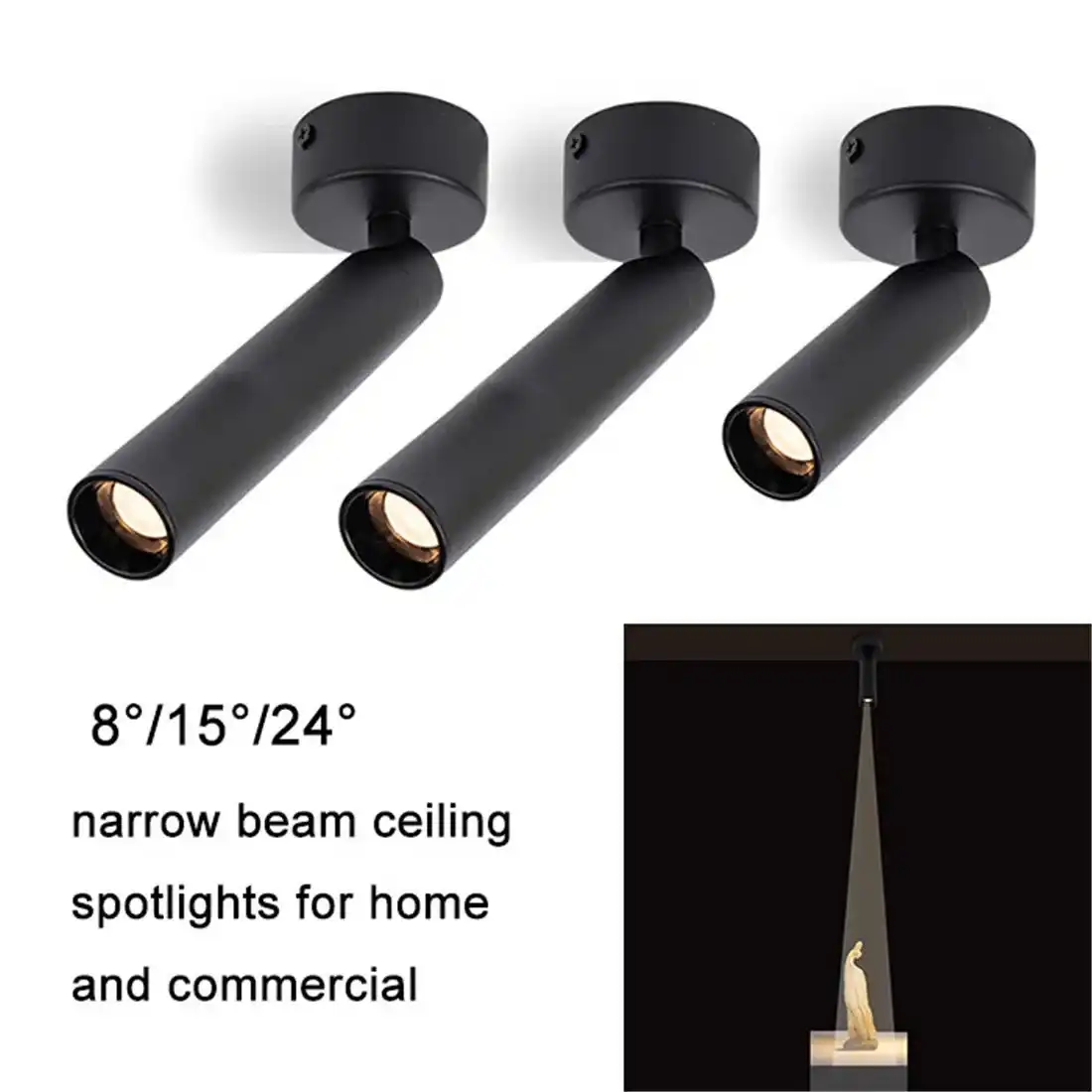
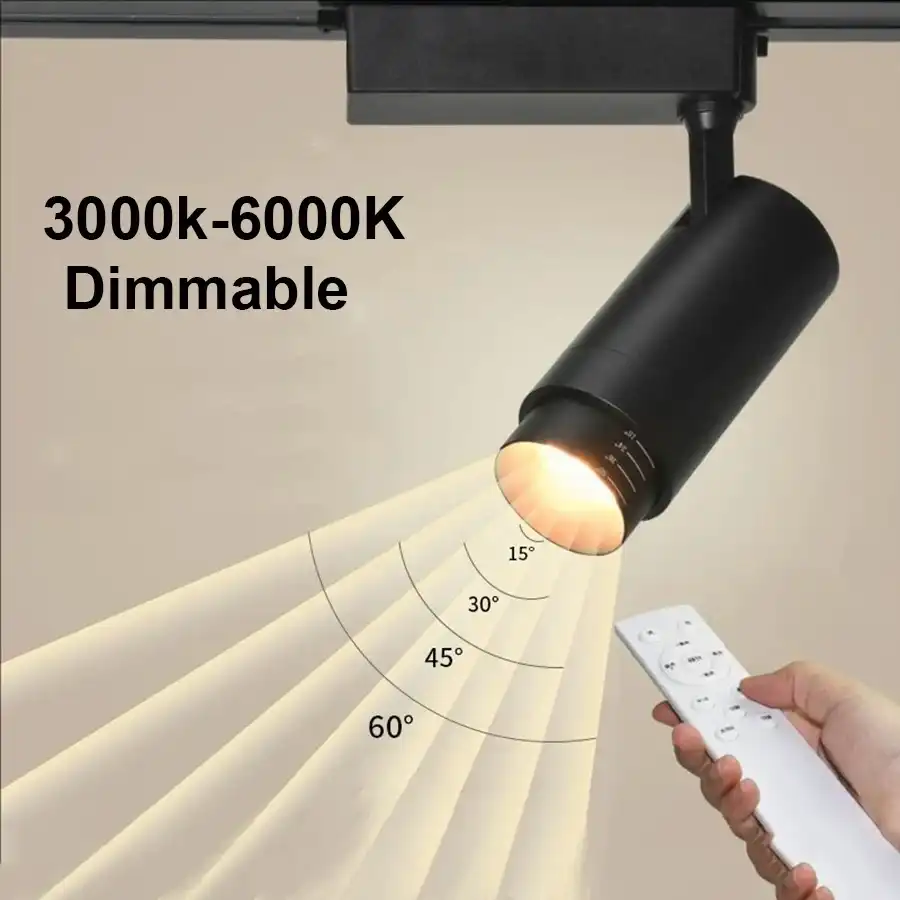
Where German Buyers Source Magnetic Track Lights in China
German buyers primarily source magnetic track lights through three main channels in China: established B2B platforms like Alibaba and Made-in-China, direct partnerships with specialized manufacturers in lighting hubs such as Guangdong and Zhejiang provinces, and through professional lighting trade shows including the Canton Fair and Shanghai International Lighting Fair. These procurement methods enable German businesses to access competitive pricing while maintaining quality standards required for European markets.
Germany has been at the vanguard of adopting these advanced lighting approaches, and the magnets tracked lighting sector has experienced remarkable growth across all markets in Europe. There is an increasing demand for versatile lighting solutions that seamlessly combine visual elegance with functional practicality in modern architectural or interior design initiatives. Chinese manufacturers have refined the craft of producing high-quality magnetic track systems at competitive prices, prompting German companies to recognize the exceptional value offered by these manufacturers.
Comprehending Magnetic Track Lighting Technology
Core Components and Functionality
Aluminum enclosures, copper conductors, and intertwined iron sheets constitute the three fundamental components of magnetic train lighting systems. This invention enables the proper operation of these systems. While establishing electrical contact through cables made of copper, the magnetic connectors were capable of attaching themselves to the rails in a simple and easy manner without the requirement of any additional apparatus. Converters that transform AC110-220V with DC48V are accountable for power conversion, ensuring that the entire system operates safely and efficiently.
Due to the attraction's magnetic mechanism, fixture placement can be executed with an exceptional level of flexibility. Along the entire length the track, users are able to promptly reposition linear luminaires, suspended lights, and luminaries along the track. This versatility demonstrates significant utility in retail establishments, galleries, and vibrant commercial environments, where illumination requirements are continually evolving.
Applications Across Commercial Sectors
Magnetic track systems are being more specified by German commercial lighting firms for use in a variety of settings, including retail malls, elegant lodging establishments, corporate offices, other manufacturing facilities. The adaptability of the technology makes it possible to integrate it without any difficulty into a wide variety of architectural settings while yet keeping constant performance requirements.
Businesses that specialize both architectural and interior decoration value the clean aesthetic contours that may be obtained by installing magnetic track. The absence of visible mounting hardware leads to the implementation of complicated lighting patterns that are consistent with current design ideals. Engineering contractors favor a simpler installation approach since it reduces labor expenses as well as the time required to finish a job.
Current Market Landscape in Germany
Growing Demand Patterns
The German lighting sector has a significant need for novel magnetic track systems. Commercial real estate ventures are increasingly using these systems during the building phase, while rehabilitation projects upgrade older areas with current magnetic track technology. According to market research, demand is growing steadily in the retail, hotel, and office sectors.
Energy-efficiency standards encourage increased usage, since magnetic track lights often use high-performance LED technology. German facility managers favor technologies that provide significant energy savings, longer operating lifespans, and lower maintenance needs. These parameters are entirely compatible with magnetic lighting capabilities.
Regional Procurement Preferences
Northern German buyers often focus on industrial and commercial applications, while southern regions emphasize architectural and design-oriented solutions. Bavarian companies, for example, frequently specify customized magnetic track lights systems for luxury retail environments and high-end hospitality projects. This regional variation influences sourcing strategies and supplier selection criteria.
Primary Sourcing Channels for German Buyers
Direct Manufacturer Relationships
Establishing direct connections with Chinese electromagnetic track light producers provides tremendous benefits. German customers have access to customisation options, special pricing structures, and improved technical assistance. Direct partnerships allow for greater communication about quality standards, delivery timetables, and after-sales service needs.
The region of Zhejiang is home to a significant number of specialised lighting manufacturers capable of generating magnetic track using cutting edge technology. Furthermore, these firms often maintain their international approvals, which might include European Commission, UL, RoHS, and even DLC compliance. Manufacturing businesses in Hangzhou are highly proficient in precision engineering and provide competitive costs for bulk purchases.
Trade Show Networking Opportunities
Professional lighting shows give valuable opportunities for face-to-face connection. All three of these expositions—the Canton Fair, the China International Decoration Fair, and Lights Plus Building Frankfurt—allow German buyers to evaluate the goods while also developing personal relationships with Chinese suppliers. These activities help to develop understanding of manufacturing skills and quality standards, which are promoted by these events.
Trade show environments allow immediate product demonstrations and technical discussions. German engineering managers can assess build quality, examine component specifications, and negotiate customization options directly with factory representatives. This hands-on approach reduces procurement risks and builds confidence in supplier capabilities.
Supplier Verification and Quality Assurance
Essential Certification Requirements
In order to favor suppliers that possess necessary international certificates, German buyers are required to do so. CE labeling is still required for access into the European market, and other certifications such as TUV, GS, et EMC confirm that the product complies with all quality standards. Magnetic track light providers are obligated to offer comprehensive documentation that addresses issues pertaining to electromagnetic compatibility, electrical safety, and environmental quality requirements.
Factory audits provide invaluable insights into the quality control measures used in production. In addition to evaluating manufacturing facilities, quality assurance systems, and compliance processes, third-party inspection services may also review compliance methods. German purchasers are able to choose trustworthy long-term partners who are able to maintain constant quality standards with the assistance of these evaluations.
Technical Specification Evaluation
Magnetic track lighting performance is dependent on precise technical tolerances and high-quality components. German buyers should consider magnetic strength criteria, the reliability of electrical connectors, and the efficacy of heat management systems. CRI scores greater than 90, flicker-free functionality, and connectivity with dimming controls are all major technological breakthroughs.
Before embarking on large-scale buying, it is essential to do sample testing. German businesses should collect large quantities of product samples for internal evaluation and external laboratory testing. This method checks performance claims and ensures compatibility with existing electrical networks and administrative infrastructure.
Procurement Strategies and Best Practices
Minimum Order Quantities and Pricing Negotiations
Chinese magnetic track light manufacturers often need minimum order numbers ranging from 100 to 1,000 units, depending on the complexity of customisation. Standard items often have lower minimum order numbers, however unique configurations may need higher volumes to cover tooling expenses. German buyers should assess inventory costs against the advantages of volume-based pricing.
Payment terms significantly impact procurement costs and risk management. For products like magnetic track lights, letters of credit provide security for large orders, while T/T arrangements offer pricing advantages for established relationships. Many suppliers accept 30% deposits with balance payments upon delivery, facilitating cash flow management for German buyers.
Logistics and Delivery Coordination
Sea freight continues to be the predominant mode of transportation for bulk orders of magnetic track lights. Transit durations generally span from 25 to 35 days from main Chinese ports to Germany or Bremen. Air freight expedites delivery; however, it significantly elevates costs, rendering it appropriate solely for imperative or high-value shipments.
Appropriate packaging ensures protection against damage during international shipping. Renowned suppliers employ protective insulation, moisture barriers and shock-resistant containers. German purchasers should delineate packaging specifications and contemplate supplementary insurance coverage for high-value illumination shipments.
Quality Control and Inspection Protocols
Pre-shipment inspection services help identify potential quality issues before products leave China. Independent inspection companies can verify product specifications, packaging quality, and quantity accuracy. This investment typically costs less than managing defective products after delivery to Germany.
Appropriate packaging ensures protection against damage during international shipping. Renowned suppliers employ protective insulation, moisture barriers and shock-resistant containers. German purchasers should delineate packaging specifications and contemplate supplementary insurance coverage for high-value illumination shipments.
Regional Manufacturing Hubs and Specializations
Guangdong Province Leadership
Guangdong Province leads China's lighting manufacturing industry through advanced production capabilities and comprehensive supply chain networks. Cities such as Zhongshan, Foshan, Henan, and Shenzhen are home to numerous experts in magnetic track lighting catering to global markets. These manufacturers frequently uphold quality management systems aligned with European standards and utilize experienced export teams well-versed in the requirements of the German market.
State-of-the-art manufacturing plants in Guangdong are equipped with automated production lines, extensive testing apparatus, and highly skilled engineering personnel. Numerous companies allocate substantial resources to research and development, consistently enhancing magnetic tracker technology and broadening their product offerings. This emphasis on innovation corresponds with the expectations of German purchasers for advanced illumination solutions.
Emerging Manufacturing Centers
Zhejiang Province manufacturers excel in precision engineering and cost-effective production, particularly in specialized categories such as magnetic track lights. Cities like Ningbo and Hangzhou feature growing lighting clusters with competitive pricing advantages, and these suppliers often offer unique customization capabilities attractive to German buyers seeking differentiated solutions.
Jiangsu Province enterprises prioritize technological innovation and the pursuit of high-quality manufacturing. Being close to Shanghai enhances opportunities for international business expansion and logistical management. Numerous Jiangsu manufacturers focus on the premium market segments by offering high-quality magnetic tracking systems tailored for rigorous commercial applications.
Technology Trends and Innovation Drivers
Smart Integration Capabilities
Contemporary magnetic track lighting systems are progressively integrated with intelligent control functionalities that are compatible with automation systems. German commercial properties frequently specify internet of things (IoT) connectivity, wireless illumination, and energy monitoring functionalities. Chinese manufacturers address these requirements through the creation of sophisticated control electronics and communication wireless modules.
Color-adjustable LED technology facilitates adaptable illumination configurations across daily cycles. Circadian rhythm illumination is growing progressively significant in office settings and healthcare institutions. Magnetic track designs with adjustable white lighting capabilities provide remarkable flexibility for establishing optimal illumination conditions.
Sustainability and Energy Efficiency
Environmental awareness fuels the demand for cost-effective magnetic track solutions. German consumers favor products that exhibit high luminous efficacy, extended operational longevity, and recyclable components. Chinese manufacturers allocate resources to sustainable production methods and environmentally conscious materials to fulfill these expectations.
Enhanced thermal management prolongs the lifespan of LEDs while ensuring stable illumination performance. Premium magnetic track systems incorporate aluminum heat sinks, temperature interface components and optimized ventilation configurations. These engineering enhancements lower maintenance expenses and promote sustainability goals.
Conclusion
German buyers successfully source magnetic track lights from China through strategic use of B2B platforms, direct manufacturer relationships, and trade show networking. The key lies in thorough supplier verification, clear communication of quality requirements, and establishing long-term partnerships with reliable manufacturers. Chinese suppliers offer compelling advantages including competitive pricing, extensive customization capabilities, and rapid production scaling. Success depends on careful evaluation of technical specifications, compliance with European standards, and implementation of robust quality control procedures. German businesses that invest time in supplier development and relationship building achieve optimal results in their magnetic track lighting procurement initiatives.
FAQ
What certifications should magnetic track lights have for the German market?
Magnetic track lights entering Germany require CE marking as mandatory compliance. Additional certifications like TUV, GS, RoHS, and EMC demonstrate comprehensive quality standards. Many German buyers also prefer products with DLC or Energy Star ratings for enhanced credibility.
How do I verify the quality of Chinese magnetic track light suppliers?
Perform factory audits via third-party providers, request goods samples for evaluation, verify multinational certifications, and review customer references. Evaluate manufacturing capabilities, quality assurance procedures, and export experience prior to finalizing procurement decisions.
What are typical minimum order quantities for magnetic track lights from China?
MOQs typically range from 100-1,000 units depending on product complexity and customization requirements. Standard products often feature lower minimums, while custom designs may require higher quantities to justify tooling investments and setup costs.
How long does shipping take from China to Germany?
Sea freight typically requires 25-35 days from major Chinese ports to German destinations. Air freight reduces transit time to 5-7 days but significantly increases shipping costs. Most bulk orders utilize sea freight for cost efficiency.
What payment methods do Chinese magnetic track light suppliers accept?
Common payment methods include T/T transfers, letters of credit, and trade assurance programs. Many suppliers accept 30% deposits with balance payments upon delivery. Established relationships often enable more flexible payment terms.
Can Chinese manufacturers customize magnetic track lighting systems?
Most established manufacturers offer extensive customization including size modifications, power adjustments, color temperature options, and housing finishes. Custom solutions typically require higher MOQs and longer production lead times but enable product differentiation.
Partner with USKYLED for Premium Magnetic Track Light Solutions
USKYLED stands ready to serve German buyers seeking reliable magnetic track light suppliers with proven expertise in international markets. Our advanced manufacturing capabilities deliver high-CRI lighting systems featuring flicker-free performance and smart control compatibility. We specialize in custom OEM solutions tailored to German market specifications while maintaining competitive pricing and reliable delivery schedules. Contact our experienced team at sales@uskyled.com to discuss your magnetic track lighting requirements and discover how our technical expertise can transform your commercial lighting projects.
References
1. German Lighting Association Market Report on Commercial LED Adoption Trends, 2024
2. European Union Energy Efficiency Standards for Commercial Lighting Systems, 2023
3. International Trade Statistics: China-Germany Lighting Product Import Data, 2024
4. Guangdong Lighting Industry Association Manufacturing Capability Assessment, 2023
5. Shanghai International Lighting Fair Exhibitor and Buyer Survey Results, 2024
6. TUV Rheinland Certification Requirements for LED Track Lighting in European Markets, 2023

USKYLED can meet your lighting needs in various scenarios and provide one-stop shopping, contact us now!
Why You Should Choose USKYLED?
![What is Dimmable Track Lighting for Museum: Best Guide [2025]](/icms/upload/0d08cc601e7611f0b542b3ca0c0f4a83/pic/knowledgemanager-knowledgepic/e7879f32605f11f081911f363b8c1ed0/Directory/20250717 dimmable track lighting -1(1)_1752739217941.webp)