Emergency Lighting Regulations for Commercial Buildings
Emergency Lights are essential safety features mandated by federal and state laws to ensure occupant safety during power blackouts and situations in commercial buildings. Systems that save lives have to meet strict rules like NFPA 101, NEC requirements, and OSHA guidelines to make sure there is enough light for a safe escape. When procurement workers and building managers know the laws, they can choose emergency lighting choices that protect people and keep businesses running.
Understanding Emergency Lighting Regulations for Commercial Buildings
Commercial buildings across the United States must adhere to comprehensive emergency lighting standards established by multiple regulatory bodies. The National Fire Protection Association (NFPA) 101 Life Safety Code serves as the primary framework, while the National Electrical Code (NEC) provides installation requirements, and OSHA standards ensure workplace safety compliance.
Primary Regulatory Frameworks
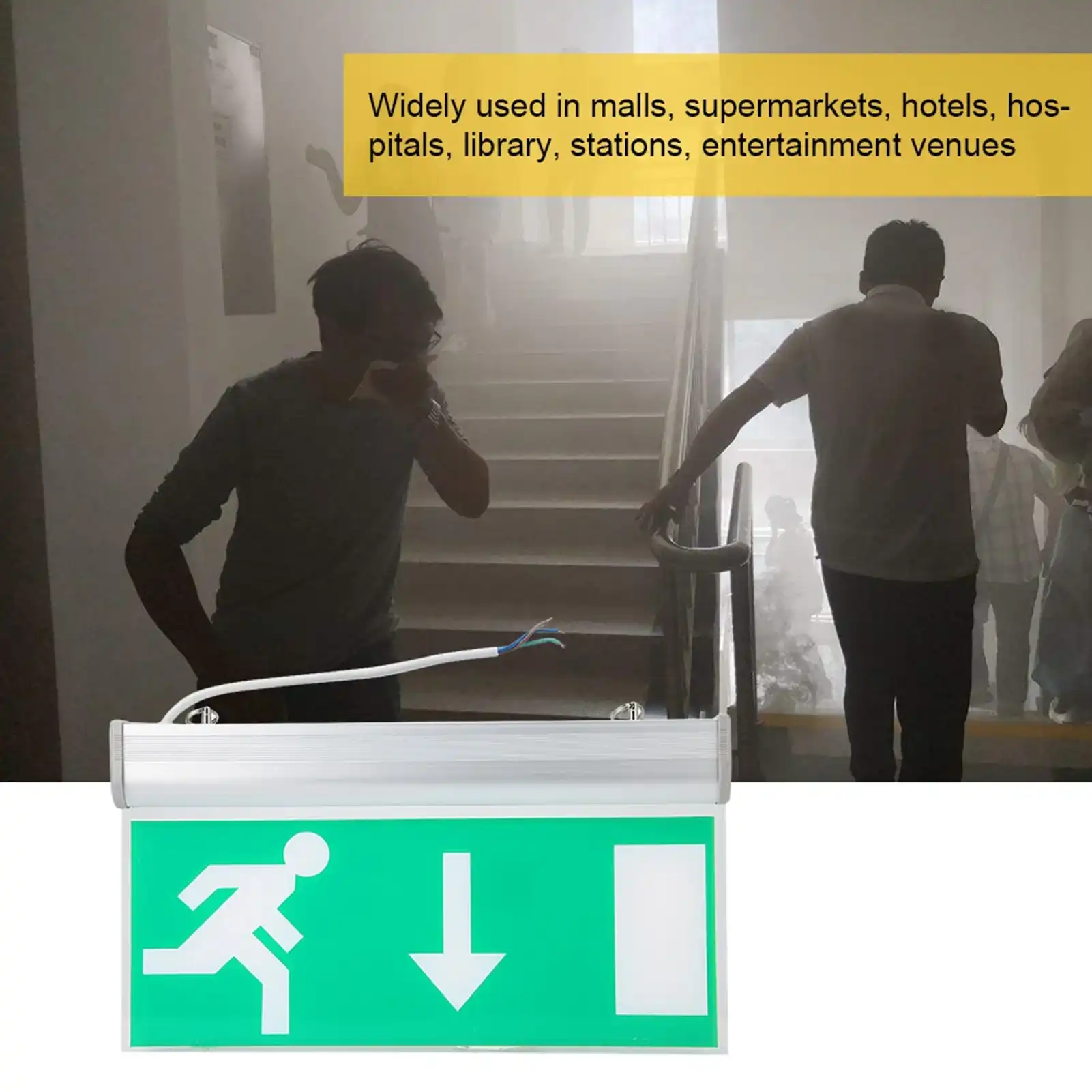
Every business building has to have NFPA 101 Life Safety Code emergency lighting systems that can light up exit routes with at least one foot-candle of light. Shops, hotels, jobs, schools, and other places where people do business must follow this rule. According to the code, Emergency Lights must come on right away after a power loss and remain on for at least 90 minutes.
The National power Code (NEC) has rules for emergency power devices in Article 700. These rules say how to test them, keep them in good shape, and the right way to wire them. These rules make sure that the lines for emergency lights don't link to the main power system of the building. In an emergency, this way, neither server will go down at the same time.
Building Owner Responsibilities
It is the law that building owners and site managers must keep emergency lighting systems in good shape. This means testing the functions every month, checking the battery's performance once a year, and keeping detailed notes of all checks. If you don't follow the rules, you could get fined a lot, have trouble with your insurance, or even be sued if something goes wrong.
Regularly working with fire and building inspectors in your area makes sure that rules are followed, even when they change. People who work as skilled electrical workers often have to get certified every year. Because of this, having relationships with providers is very important for meeting government rules.
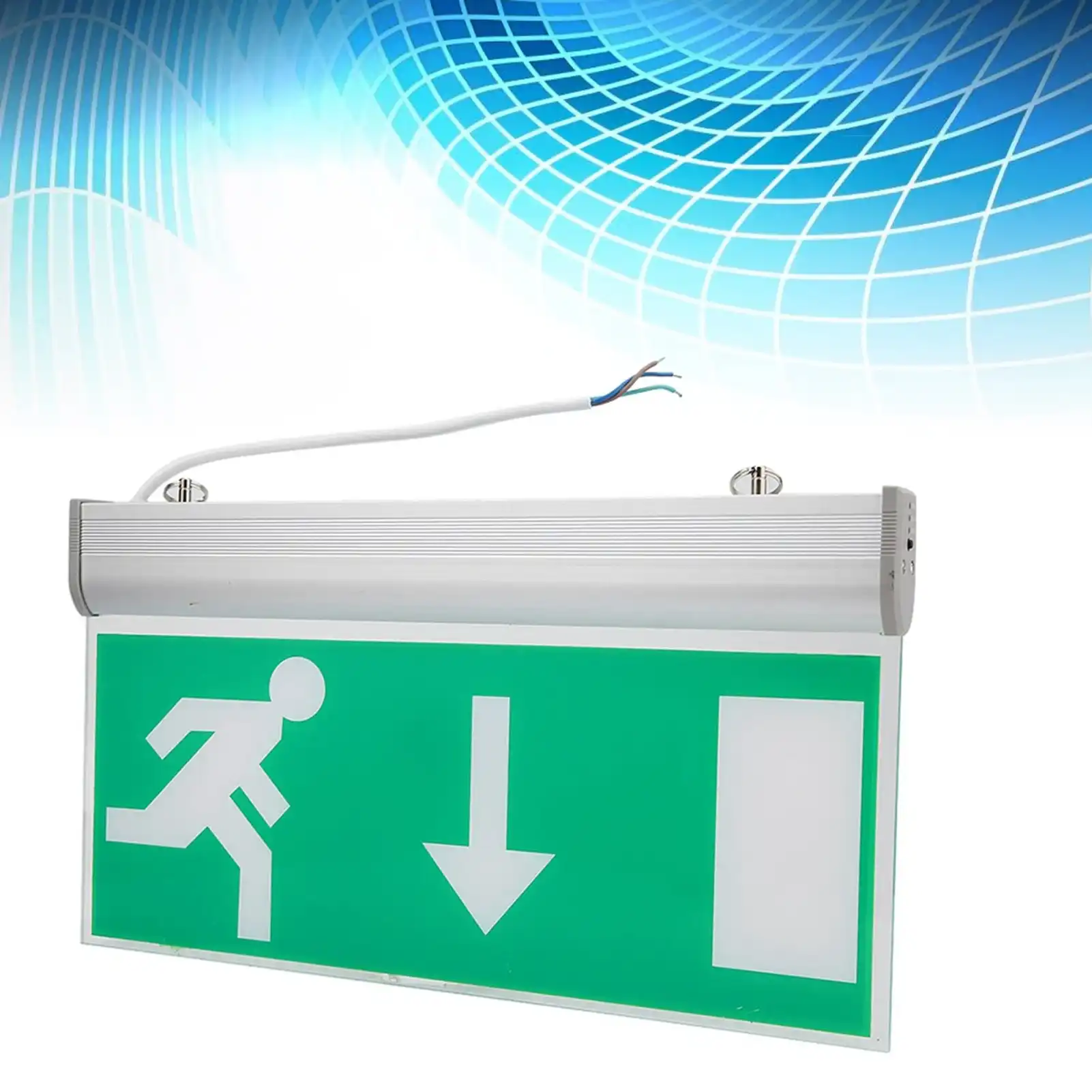
Essential Components and Types of Emergency Lights Covered by Regulations
Modern emergency lighting systems encompass various technologies and configurations designed to meet specific commercial building requirements. Understanding these options helps procurement teams specify appropriate solutions for different facility types and occupancy classifications.
Self-Contained vs. Central Battery Systems
There are LED light sources built into each unit of Self-Contained Emergency Lights. Because they are easy to set up and don't need as much maintenance, these units are great for small shops, office buildings, and business places. It's possible for one part to fail without affecting the system as a whole because each unit works on its own.
Different battery banks are used by central battery systems to power the emergency lights all around a building. Because they make tracking easier and allow for central storage, these systems are great for large business parks, hotels, and industrial sites. For places that need a lot of emergency lights, central systems often work better over the course of their time.
LED Technology Advantages
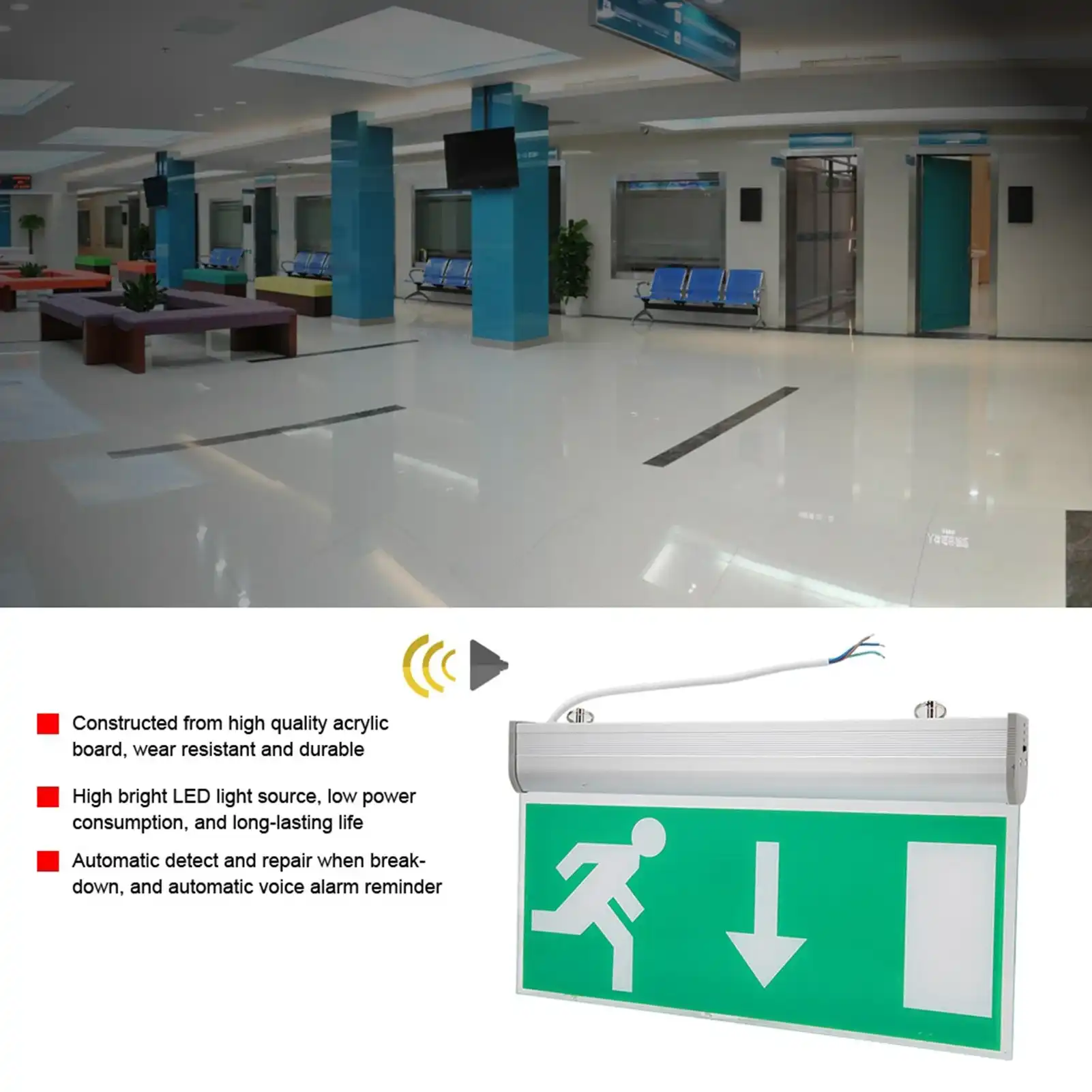
LED technology is mainly used in current Emergency Lights because it is more energy efficient, has a longer lifespan, and requires less maintenance. When the batteries die, LED emergency lights still give off the same amount of light, which is 130 lumens or more per watt. It saves money because the system needs fewer batteries and costs less.
Many LED emergency lighting systems come with smart control features that let you track them from afar, test them automatically, and connect them to building management systems. These features help you keep track of legal papers better and save you time and money by not having to check everything by hand.
Performance Standards and Certifications
All emergency lighting for businesses needs to have the right labels, like a UL listing to show that it is safe and a DLC grade to show that it uses little energy. IP scores tell you how well something keeps outside things out. IP65 grades or better are recommended for use in harsh business environments, such as workplaces and outdoor areas.
It's important to carefully read over the performance specifications of batteries, especially the ones that say what temperatures they can work in, how long they can hold a charge, and how often they need to be changed. It is becoming more common to use lithium iron phosphate batteries instead of protective lead-acid batteries because they last longer and work better in hot weather.
Compliance Strategies: How to Ensure Your Emergency Lighting Meets Regulations?
Achieving and maintaining regulatory compliance requires systematic approaches encompassing design planning, product selection, installation oversight, and ongoing maintenance protocols. Successful compliance strategies integrate technical requirements with practical operational considerations.
Design and Planning Considerations
The first step in planning good emergency lights is to take a close look at the building and figure out the escape route and any local building codes. Photometric models make sure that all escape routes have enough light while using as little energy and money as possible for placement.
Electricians and lighting designers who are good at what they do can help you follow strict government rules and make your system work better. They know a lot about how to set up lines, connect new systems to old ones in buildings, and where to put lights.
Installation Best Practices
Having a trained electrician do the work makes sure that the NEC rules and local electrical codes are followed. The Emergency Lights and any other equipment they are attached to will have clear signs, the appropriate overcurrent safety, and emergency lines in a properly installed system.
During installation, circuit plans, photometric proof, and notes of the first performance tests should be kept. These papers are very important for checks and can be used as guides for future repairs.
Testing and Maintenance Protocols
In order to follow the rules, you need to make testing plans that include performance reviews once a year and functional checks every month. The emergency lighting is checked once a month to make sure it works properly and provides enough light for at least 90 minutes. There are full discharge cycles every year as part of the tests to see how the batteries are doing and how well the system works in general.
It shows that you are still following the rules and helps you find problems before they affect the safety of the system to keep detailed records of tests. Computerized testing systems are used in many places to make sure things are safe and make compliance reports on their own.
Procurement Considerations for Emergency Lighting in Commercial Buildings
Successful emergency lighting procurement requires balancing regulatory compliance, performance requirements, and lifecycle costs while ensuring reliable supplier relationships and technical support capabilities.
Vendor Selection and Evaluation
When looking for reliable suppliers, you should check how knowledgeable they are in technical matters, how well they can meet certification standards, and how well they can help you after the work is done. Manufacturers that have been around for a while usually have a lot of certifications, a lot of different products, and good expert help resources that are needed for big business projects.
When you look at a source, you should see how well they perform, how well they can make things, and how they check the quality of their work. When you buy Emergency Lights, you often have to meet tight dates, so it's important to be able to trust your providers.
Cost Analysis and Budgeting
There are a lot of costs that come with buying emergency lights. These include the cost of the equipment itself, the cost of installing it, and the cost of keeping it in good shape. LED technology costs more at first, but it saves a lot of money over time because it lasts longer and uses less energy.
Bulk purchases can save you a lot of money for business projects or groups that meet in more than one place. You can get better deals on things if you say you'll buy a lot of them. This way, the item will always be available in case you need to replace it or your business grows.
Technical Support and Training
Help with planning, help with installation, and ongoing teaching for building staff on how to do maintenance are all parts of full expert support. As long as a product is in use, good companies make sure that systems work at their best by giving full product paperwork, training materials, and quick expert help.
Facilities repair teams can get training to learn how to test things, fix issues, and swap out parts. With this knowledge, you don't have to rely on outside service providers as much, and you can be sure that all law requirements are always met.
Case Studies: Successful Emergency Lighting Compliance in Commercial Buildings
Real-life examples of applications show useful ways to follow rules while keeping business goals and project limits in mind. These examples show good ways to set up emergency lights that worked and what can be learned from them.
Office Complex Retrofit Project
Because of new NFPA 101 rules, all of the emergency lights in a 500,000-square-foot business building in Chicago had to be updated. Old neon emergency lights were swapped out for more up-to-date LED systems as part of the project. The building kept running properly during the work.
The people in charge of the building worked with a trained engineer to make a plan for a phased rollout that would upset renters the least. LED Emergency Lights with built-in battery backups were used instead of older central battery systems. This made them more efficient and reduced the need for maintenance.
Because of the project, emergency lights used 60% less energy, were easier to maintain, and better proof of compliance was made possible by automatic testing systems. After two years, the switch to LEDs paid for itself because they saved money on maintenance and energy costs.
Manufacturing Facility Compliance Enhancement
A pharmaceutical factory had to redo its emergency lighting system from scratch in order to meet new life safety rules and FDA approval standards. For the project to work in harsh settings, it needed special parts that could handle chemicals and have licenses that said they wouldn't explode.
The people who were in charge of getting things picked industrial-grade LED emergency lights with stainless steel housings and IP67 ratings for weather protection. There were backup power sources in the form of central battery systems, and compliance was always being checked by automatic tracking systems.
The execution showed that the system was more stable, it was easier to do validations, and it was more in line with the law. The emergency lighting system in the building worked 99.9% of the time. It was 40% cheaper to maintain each year than older electric systems.
Conclusion
For business buildings' safety, emergency lighting rules are very important and must be carefully followed. These rules cover technical details, how to make sure they are followed, and regular repair plans. Knowing rules and regulations like NFPA 101, NEC standards, and OSHA rules helps procurement workers make smart decisions that keep people safe and make the business run more smoothly. Some effective ways to meet compliance standards are to plan the design carefully, pick high-quality materials, have pros install them, and have regular maintenance programs. Modern LED Emergency Lights operate better, consume less power, and are more dependable than older technologies. This helps people who own business buildings follow the rules and make things run more smoothly.
FAQ
What are the minimum emergency lighting requirements for commercial buildings?
Commercial buildings must have at least one foot-candle of light along exit paths in case of an emergency. Emergency Lights must come on and stay on for at least 90 seconds in the event of a power loss. The NFPA 101 Life Safety Code says that exit signs must always be lit up and have a backup power source.
How often should emergency lighting systems be tested?
Every month, the gadget is put through functional testing to make sure it works right and gives off enough light for at least 30 seconds. Every year, the system has to go through full 90-minute discharge runs to see how well the battery works and how well the system works in general. All actions during testing need to be written so that they are acceptable and can be checked.
Can rechargeable LED lights meet commercial emergency lighting regulations?
Rechargeable LED emergency lights can meet government standards as long as they are allowed and set up the way the maker says to. The right UL listings must be on these units, they must give off the right amount of light, and they must work for at least 90 minutes after the power goes out.
Partner with USKYLED for Compliant Emergency Lighting Solutions
USKYLED sells Certified Emergency Lights that are made to meet the requirements of business buildings. They come with full technical support and reasonable prices. Our LED emergency lighting systems are UL-listed, work at 90+ CRI, and can be set up in a variety of ways to meet the needs of different facilities. Email sales@uskyled.com to talk about your needs for an emergency lighting company and find out how our services can help you meet laws more easily and save you money.
References
1. National Fire Protection Association. NFPA 101: Life Safety Code. 2021 Edition. Quincy, MA: NFPA.
2. National Electrical Code. Article 700: Emergency Systems. 2020 Edition. Quincy, MA: National Fire Protection Association.
3. Occupational Safety and Health Administration. Emergency Action Plans and Fire Prevention Plans. Washington, DC: U.S. Department of Labor.
4. Illuminating Engineering Society. IES Lighting Handbook: Reference and Application. 10th Edition. New York, NY: IES.
5. International Code Council. International Building Code: Chapter 10 - Means of Egress. 2021 Edition. Washington, DC: ICC.
6. Underwriters Laboratories. UL 924: Standard for Emergency Lighting and Power Equipment. Northbrook, IL: UL Solutions.

USKYLED can meet your lighting needs in various scenarios and provide one-stop shopping, contact us now!
Why You Should Choose USKYLED?
![What is Dimmable Track Lighting for Museum: Best Guide [2025]](/icms/upload/0d08cc601e7611f0b542b3ca0c0f4a83/pic/knowledgemanager-knowledgepic/e7879f32605f11f081911f363b8c1ed0/Directory/20250717 dimmable track lighting -1(1)_1752739217941.webp)