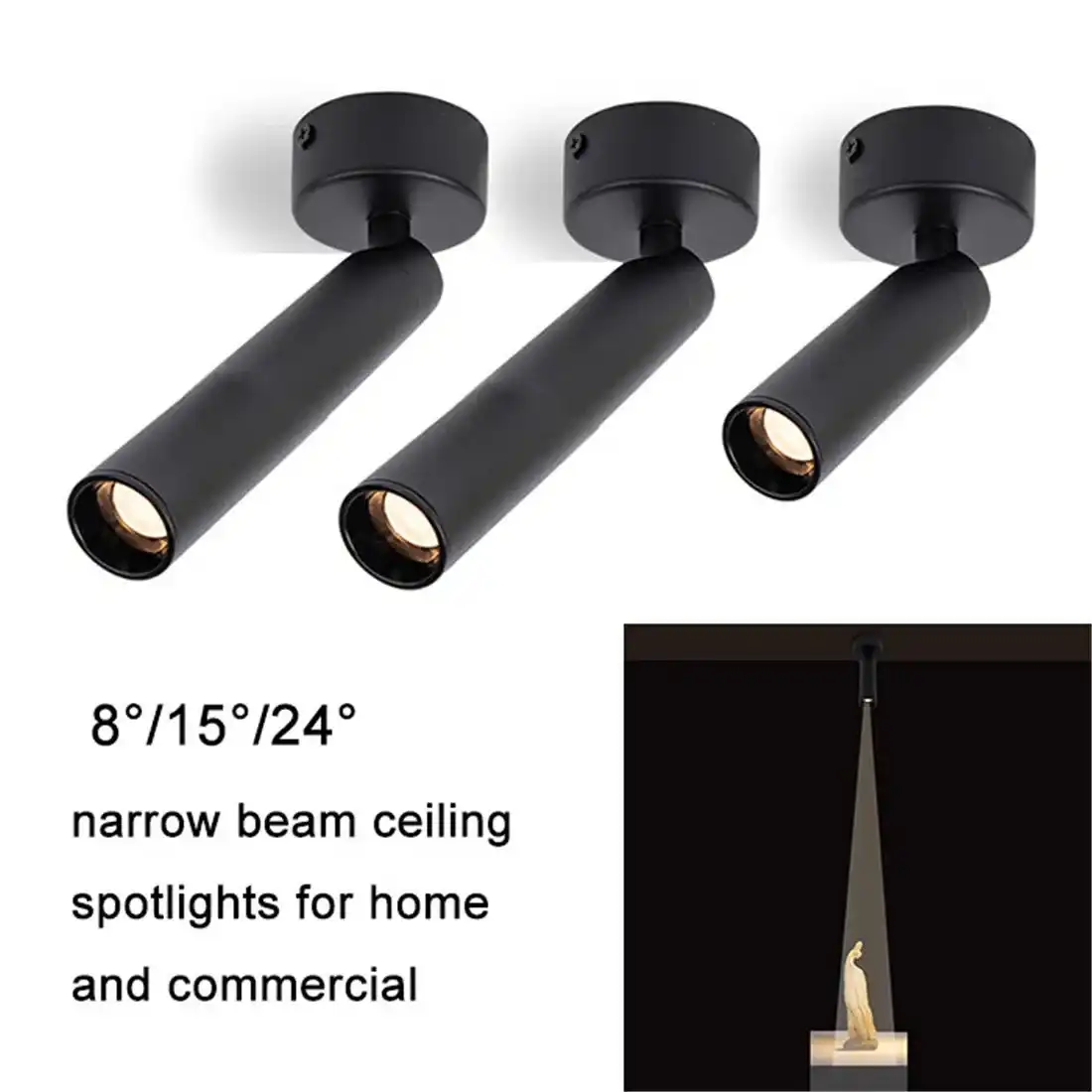
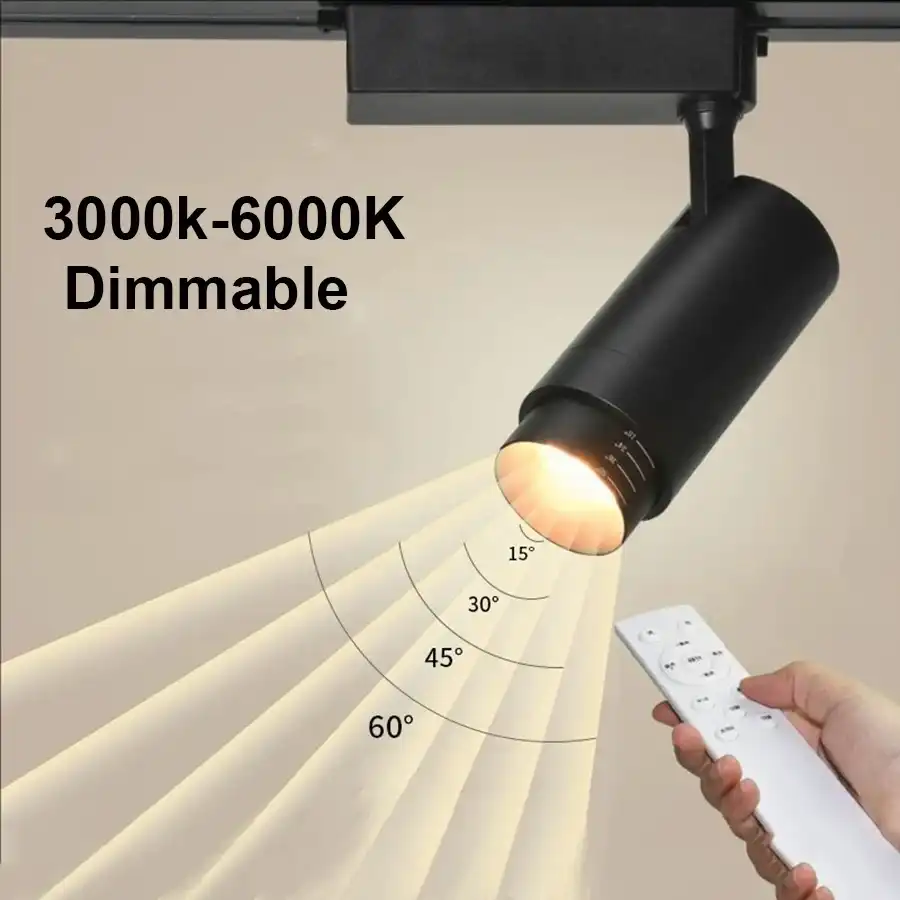
What is hardscape lighting?
Hardscape lighting is a specific type of lighting used for patios, paths, retaining walls, decks, and other hard areas that are used for functionality. Hardscape lighting improves safety, security, and the look of the built area, while landscaping lighting focuses on plants and natural features. This targeted method makes open areas that can be used, lowers liability risks, and raises property values for businesses and factories.
Understanding Hardscape Lighting: Definition and Importance
Hardscape lighting is an important part of business outdoor lighting plans because it only lights up man-made features and not natural greenery. This unique method solves the specific problems that B2B buying workers face when they have to balance the need for safety, the need for good looks, and the cost of doing business.
Commercial Applications and Safety Benefits
Hardscape lighting is used on commercial sites to light up important paths, parking structures, building entrances, and outdoor eating areas. Industry safety studies say that strategically placing these things cuts down on slip-and-fall accidents by up to 35%. This increased visibility is especially helpful for hotels, shopping malls, and business sites because it makes places feel more welcoming and encourages customers to stay longer in the evenings.
Energy Efficiency and Cost Considerations
When compared to older lighting methods, modern outdoor lighting systems use a lot less energy. LED-based outdoor solutions use 60–80% less energy than traditional options, but they give off better light and last longer. These improvements in speed directly lead to lower running costs, which makes them a good investment for procurement managers who want to save money.
Integration with Smart Building Systems
Modern outdoor lighting systems work perfectly with building management systems, letting you set automatic schedules, control lighting levels, and keep an eye on things in real time. With this connection, property managers can find the best ways to use energy while keeping safety standards the same across all of their properties.

Types and Technologies of Hardscape Lighting
The market for outdoor lighting includes a wide range of technology options made to meet the needs of different businesses. Knowing about these choices helps you make smart purchasing choices that fit the needs of the job and your budget.
LED Technology Advantages
LED hardscape lights are the most popular choice for business use because they work so well. Units made for professionals have luminous effectiveness scores of 130lm/W or higher and Color Rendering Index (CRI) values above 90. These standards make sure that security cams and tools for worker safety can show true colors and be clearly seen.
Some of the best things about LEDs are that they last longer (up to 50,000 hours), need less upkeep, and can turn on instantly, which makes security lights more effective. The strong design usually has an ADC12 die-cast aluminum housing that is rated IP65 to IP67 for weather protection.
Solar and Hybrid Solutions
Solar-powered outdoor lighting meets requirements for sustainability while making placement easier in places that don't have access to electricity. Modern solar systems have battery backups that keep the lights on for three to five days in a row when it rains. These options are especially helpful for city projects and outlying business buildings that can't afford to use standard electricity.
Low Voltage vs Line Voltage Systems
Compared to line voltage options, low voltage outdoor lighting (12V-24V) has better safety ratings and easier installation processes. The lowered electrical needs lower the risk of shock and allow for adjustable fixture placement without long pipe runs. Line voltage systems (120V–277V), on the other hand, work better for big business setups that need to light up large areas with high output.
How to Choose and Install Hardscape Lighting for Industrial Clients?
To choose the right outdoor lighting, you need to carefully consider a number of scientific and practical factors. When making good procurement choices, people think about both the current needs of the project and the long-term upkeep and growth options.
Critical Selection Criteria
The main thing that limits most business projects is the budget. Hardscape lighting usually costs between $3 and $15 per square foot of lit area. Depending on the location, durability needs change a lot. For example, seaside places need housings that are more resistant to corrosion, while industrial sites need housings that are resistant to impact and have an IK08 rating or higher.
Because energy efficiency has a direct effect on total cost of ownership, most business uses should use LED technology. To get the most energy rebates and operating freedom, procurement workers should look for fixtures with Power Factors above 0.9 and dimming compatibility.
Professional Installation Considerations
Commercial hardscape lighting setups usually take two to four weeks to finish, depending on the size of the job and the needs of the electrical equipment. Professional builders work with the building's current systems to make sure they work well together without stopping what's already going on.
Installation costs usually make up 40 to 60 percent of the total project cost, so choosing the right source is very important for keeping the budget in check. To make sure the system works at its best, experienced workers offer a wide range of services, such as site studies, electrical permits, and testing after installation.
Maintenance, Troubleshooting, and Long-Term Performance Optimization
Effective repair procedures increase the return on investment and make sure that the system works the same way for as long as it is operating. Structured maintenance plans help commercial buildings avoid expensive emergency fixes and make equipment last longer.
Preventive Maintenance Protocols
Visual checks done once a month find possible problems before they affect how well the system works or how safe it is. To keep the light output at the right level, maintenance teams should check the bulb housings for damage, make sure the aim angles are correct, and clean the optical parts. Electrical checking once a year makes sure that the grounding and wires are still solid. This is especially important for outdoor setups that are subject to extreme weather.
LED hardscape lights don't need as much upkeep as traditional options, and the lamps don't need to be replaced for more than 10 years under normal conditions. This durability lowers the cost of maintenance work while making business buildings that are open 24 hours a day, seven days a week more reliable.
Performance Monitoring and Optimization
In real time, smart outdoor lighting systems give you information about how well they're working, which lets you plan preventative maintenance and save energy. Fixtures that are connected send information directly to building management platforms about their operating state, how much energy they use, and signs that they might break down. This connection speeds up repair responses and lets you plan replacements ahead of time, which cuts down on downtime.

Comparing Market Options: Trusted Brands and What to Expect
The Hardscape lighting industry features numerous reputable companies offering diverse product lines to suit various commercial and residential needs. Understanding a manufacturer’s capabilities, market presence, and product quality helps buyers select reliable providers that deliver durable, efficient, and aesthetically pleasing lighting solutions for outdoor landscapes and architectural features.
Manufacturer Evaluation Criteria
Leading makers are always coming up with new ideas for LED technology, integrating smart settings, and being environmentally friendly. For business uses, quality standards like UL/ETL safety labels, DLC qualification for utility rebates, and RoHS environmental compliance are the bare minimum.
When managing a project's schedule, delivery dependability is very important. Preferred providers keep enough stock to support delivery schedules of two to four weeks for regular goods. The ability to make things to order means that specifications can be matched to meet specific design needs while keeping prices low.
Performance Validation and Case Studies
Professional-grade hardscape lighting systems have real-world benefits that can be seen in successful business installs. A recent renovation job at a hotel cut energy use by 45% and increased guest happiness by making the outdoor area more pleasant. Similarly, a corporate campus installation that strategically lit pathways and covered parking lots cut down on security incidents by 28%. These recorded results give procurement workers faith in the technology's ability to work well in a wide range of business situations.
Conclusion
For business properties that want to combine safety, aesthetics, and operating efficiency, hardscape lighting is a smart investment. Modern LED technology provides great performance with little upkeep needed. This makes these systems appealing to B2B procurement workers who have to deal with tight budgets and environmental standards. The integration capabilities with smart building systems, combined with proven energy savings and safety improvements, position hardscape lighting as an essential component of comprehensive facility management strategies.
FAQ
What is the typical ROI timeframe for commercial hardscape lighting investments?
Commercial hardscape lighting systems typically achieve full ROI within 3-5 years through combined energy savings, reduced maintenance costs, and decreased liability expenses. LED technology accelerates payback periods through utility rebates and extended operational lifespans.
How do hardscape lighting systems integrate with existing building management platforms?
Modern hardscape lighting utilizes standardized communication protocols including 0-10V dimming, DALI controls, and wireless mesh networking for seamless integration. These systems provide scheduling, monitoring, and automated control capabilities through existing facility management software.
What safety regulations apply to commercial hardscape lighting installations?
Commercial installations must comply with NEC electrical codes, local building regulations, and OSHA safety standards. UL/ETL listed fixtures ensure compliance while proper grounding and GFCI protection address outdoor electrical safety requirements.
Partner with USKYLED for Your Commercial Hardscape Lighting Solutions
USKYLED offers cutting-edge hardscape lighting options that are made to work in tough industrial settings. Our modern LED technology has a CRI value of more than 90, doesn't flicker, and works with smart controls. To meet the needs of your project, we offer full OEM/ODM services, the ability to give in bulk, and technical help. Get in touch with our lighting experts at sales@uskyled.com to talk about your hardscape lighting maker needs and get unique solutions for your business projects.
References
1. Illuminating Engineering Society. Commercial Outdoor Lighting Design Guidelines and Standards. New York: IES Press, 2023.
2. National Electrical Contractors Association. LED Retrofit and Installation Best Practices for Commercial Properties. NECA Publications, 2023.
3. U.S. Department of Energy. Solid-State Lighting Energy Efficiency and Market Analysis Report. Washington DC: DOE Building Technologies Office, 2023.
4. International Association of Lighting Designers. Hardscape and Architectural Lighting Applications Manual. IALD Professional Development Series, 2022.
5. American Society of Landscape Architects. Sustainable Outdoor Lighting Practices for Commercial Development. ASLA Environmental Guidelines, 2023.
6. Building Owners and Managers Association. Commercial Property Safety and Security Lighting Standards. BOMA International Research Foundation, 2022.

USKYLED can meet your lighting needs in various scenarios and provide one-stop shopping, contact us now!
Why You Should Choose USKYLED?
![What is Dimmable Track Lighting for Museum: Best Guide [2025]](/icms/upload/0d08cc601e7611f0b542b3ca0c0f4a83/pic/knowledgemanager-knowledgepic/e7879f32605f11f081911f363b8c1ed0/Directory/20250717 dimmable track lighting -1(1)_1752739217941.webp)