What Is Outdoor Accent Lighting in Landscape Design?
Outdoor accent lighting is a sophisticated lighting technique that carefully highlights particular landscape features, building elements, and natural components to produce visually beautiful and functionally improved outdoor settings. This unique way of lighting goes beyond just providing light by focusing on specific design elements like paths, trees, statues, water features, building facades, and water features. Unlike general area lighting, which covers a large area, accent lighting adds depth, drama, and visual interest by placing beams precisely and controlling their intensity. It can turn ordinary outdoor areas into beautiful landscapes that work well at night while still meeting safety and security standards.
Understanding Outdoor Accent Lighting: Core Concepts and Benefits
Understanding how accent lighting changes outdoor areas through careful light placement and design principles is the basis of good landscape lighting. Modern accent lighting systems do two things: they make things look better, and they also have useful benefits for people who handle business properties and run facilities.
Defining Accent Lighting in Landscape Architecture
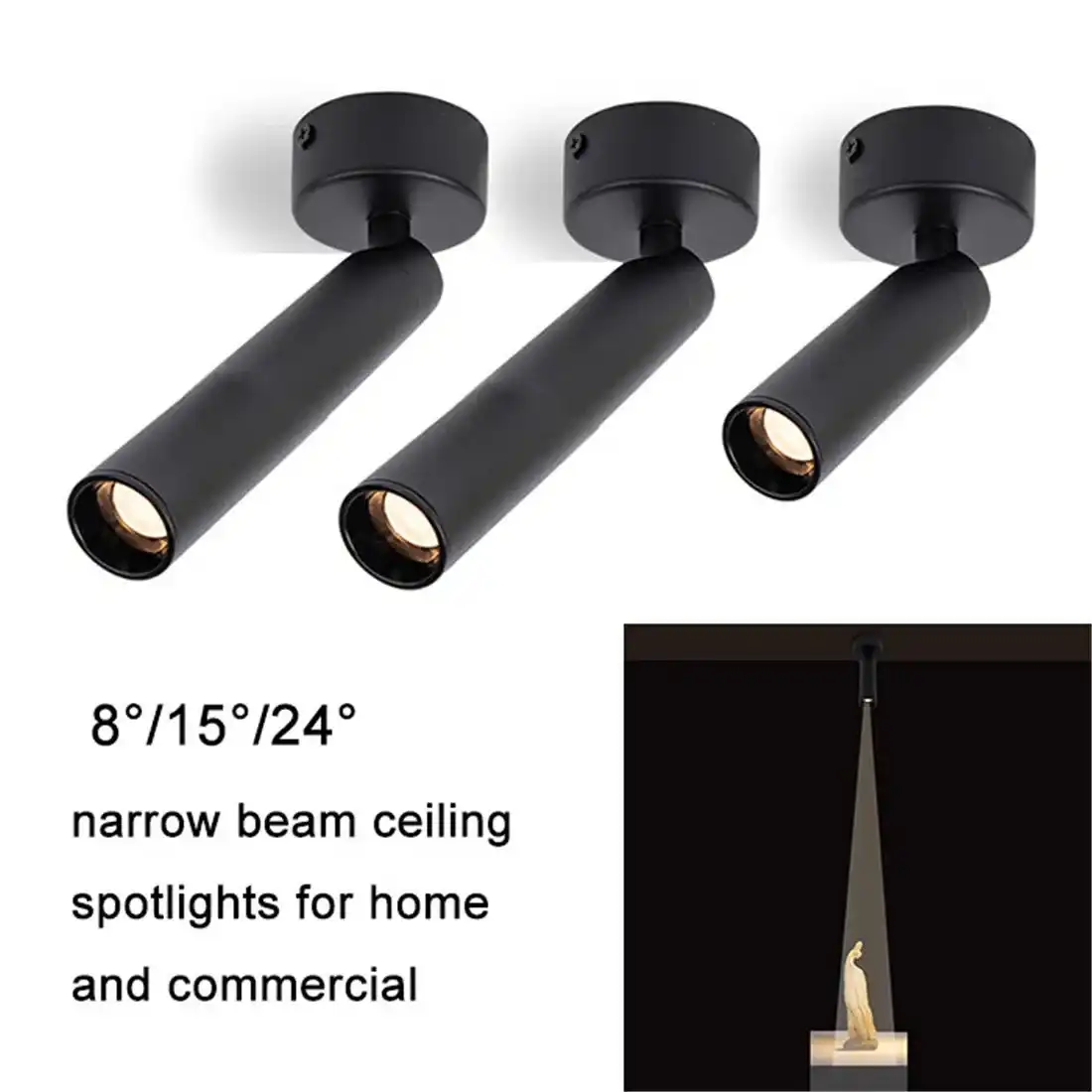
Accent lighting makes landscape plans more interesting by drawing attention to certain features with controlled patterns of light. This method uses different beam angles, color temperatures, and types of fixtures to create visual order and direct people's attention around outdoor areas. Accent lighting is used by professional landscape designers to draw attention to building features, show off specimen plants, and make dramatic shadows that give evening settings more depth and personality.
It's important to think about viewing angles, ambient light levels, and yearly changes that affect plant growth and visual effect when planning where to put accent lights. Accent lighting systems that are of good quality blend in with landscape architecture and work the same way in all kinds of weather and under all kinds of operating situations.
Multifunctional Benefits for Commercial Applications
Commercial properties benefit significantly from well-designed accent lighting systems that deliver measurable returns on investment through a number of operational benefits. When professional lighting designs highlight building features and landscaping elements well, property managers say that tenants are happier, the property is safer, and the brand's image is better.
When installing accent lighting in a business, energy saving is a very important thing to think about. Modern LED systems use 70–80% less energy than old gas or incandescent systems, but they produce better light and last longer. These improvements in efficiency save a lot of money over the course of several years of use, especially for big business setups that need a lot of lighting coverage.
Having well-designed accent lighting systems that get rid of dark areas and possible hiding places around business properties naturally makes them safer and more secure. Lighting up paths, entryways, and parking lots in a planned way makes places safer for workers and guests and lowers property owners' liability concerns.
Lighting Technology Options and Applications
Modern Outdoor accent lighting systems use a variety of technology platforms designed for different environments and performance needs. LED technology dominates current setups due to its high efficiency, long lifespan, and advanced control capabilities, enabling dynamic lighting effects while reducing energy consumption and operational costs.
Accent lighting that is driven by the sun is a green option for places where installing electricity infrastructure would be hard or cost too much. Modern solar systems have battery backups and smart control systems that keep working even when it's cloudy for a long time, saving you money on your monthly electricity bills.
Through IoT connection and advanced control protocols, smart lighting integration lets you watch, schedule, and save energy from afar. These systems let building managers change the amount of lighting, set up seasonal programs, and check on the system's performance from afar, all while lowering the cost of operations and maintenance.
Outdoor Accent Lighting Design Tips and Best Practices
To make accent lighting design work well, you have to find a balance between what looks good and what works well so that you can make lighting systems that work reliably and have the effects you want. Professional designers use tried-and-true methods to make sure that lighting systems meet both the design goals for the short term and the performance standards for the long term.
Emphasizing Key Landscape Elements
Strategic element selection is the basis of good accent lighting design. This means carefully examining scenery traits that should be emphasized at night. Sculptural elements, water features, specimen trees, and building details are often the main places of interest that need targeted illumination.
Placing fixtures correctly makes sure that the light is spread out evenly and that glare and light pollution don't affect nearby areas too much. Professional setups use precise beam control and blocking methods to direct light exactly where it's needed while keeping it from shining on nearby properties or sensitive environmental areas.
Using layered lighting means using several accent lights with different beam patterns and levels to give landscapes depth and visual interest. This method keeps the lighting from being flat and boring, and it makes sure that the whole place has enough light for safety and security reasons.
Color Temperature and Fixture Selection Guidelines
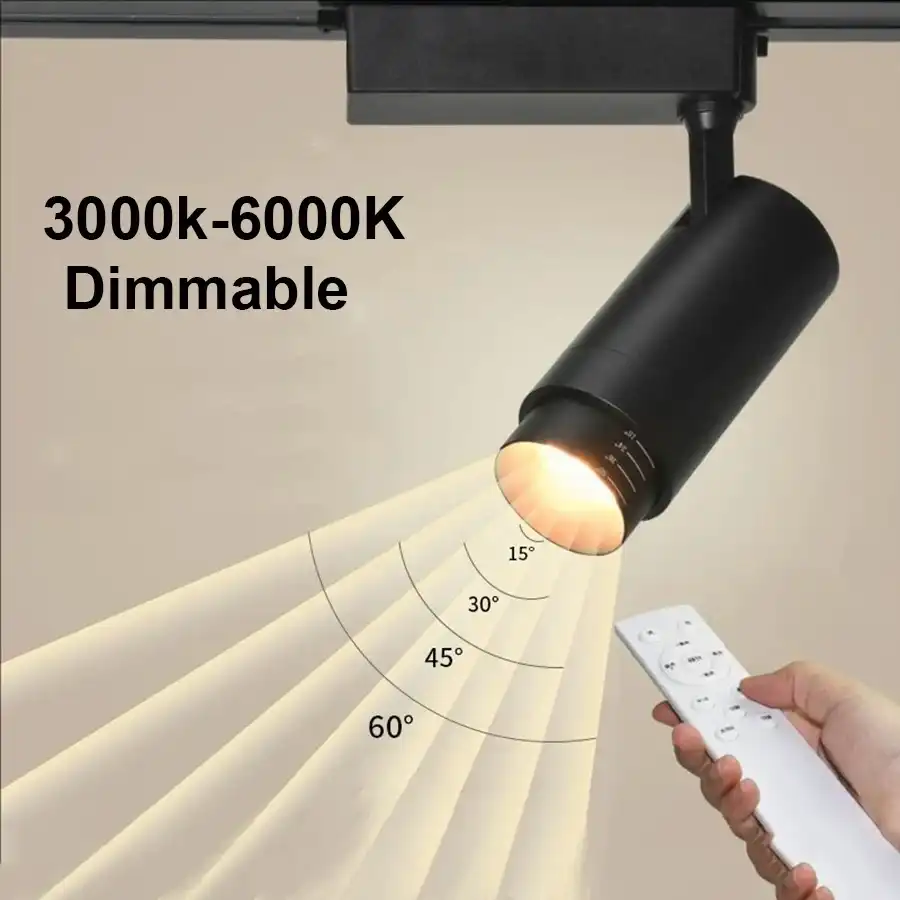
Choosing the right color temperature has a big effect on how accent lighting setups look and how well they work. Warm color temperatures (2700K–3000K) make rooms feel warm and welcoming, which is good for hospitality and home settings. Cooler temperatures (4000K–5000K) make rooms look clean and professional, which is better for business and public places.
Fixture style coordination makes sure that lighting components look good with the rest of the building's design. Fixtures in modern homes should be sleek and simple to match the building, while fixtures in traditional homes should follow the rules of historical design and use traditional materials.
When installations are outside and subject to harsh weather, weather resistance and longevity become very important. Quality faucets have ingress protection ratings of IP65 or higher, materials that don't rust, and strong construction that can handle high and low temperatures, water contact, and mechanical hits for long periods of time.
Energy Efficiency and Sustainable Design Strategies
Energy-efficient technologies and smart control systems are used in sustainable lighting design to reduce running costs and protect the environment. LEDs are the building blocks of efficient decorative lighting systems because they produce a lot of lumens per watt and keep the color quality stable over long operating lifespans.
Integration of smart controls allows for automatic scheduling, daylight harvesting, and occupancy-based operation that reduce energy use without lowering the quality of lights. These systems change the amount of light based on the environment and how the space is used. They also give building managers specific information about energy use and usage.
Solar integration options should be looked at in places where operating in a sustainable way has strategic benefits or where limits in the electricity infrastructure make standard wiring impractical. Contemporary solar accent lighting systems work as reliably as grid-powered options, but they don't use electricity, so they save money and the environment.
Comparison Guide: Selecting the Optimal Outdoor Accent Lighting Systems
To make smart choices about accent lighting systems that meet performance needs, price limits, and operational goals, procurement professionals need to compare a lot of different technologies. Learning about the pros and cons of various technology platforms helps people make smart purchases that pay off in the long run.
LED versus Solar Lighting Technology Analysis
LED accent lighting systems offer more consistent performance and control options for business installations that need exact light output and the ability to set schedules. Grid-powered LED systems don't need to worry about batteries dying or charging not working properly in bad weather. They can also be connected to building automation systems and centralized control platforms.
Solar accent lighting is easy to install and lasts a long time, which makes it appealing to environmentally conscious businesses and places where electricity infrastructure is limited. Modern solar systems use high-efficiency photovoltaic cells and lithium battery technology to work reliably even when it's cloudy for a long time. However, their performance may make them less useful in some areas or places with a lot of shade.
LED and solar choices have very different levels of difficulty when it comes to installation. Solar systems usually need less electrical work, but the spot needs to be carefully inspected to make sure they get enough sunlight all year. Installing LEDs requires experienced electricians, but they offer endless operational freedom and consistent performance no matter the weather.
Accent Lighting versus Floodlighting Applications
Outdoor accent lighting and floodlighting systems are used for very different things. To get the results you want while also saving energy and making the most of the lighting's visual effect, you need to carefully match the two types of lighting. When you understand these differences, you can choose the right method for your job.
Accent lighting provides focused light that draws attention to certain features while keeping the general atmosphere soft. This method works great for hotels, high-end shopping malls, and college campuses where advanced lighting design improves the brand image and the user experience. Accent systems usually use less energy because they only light up specific places and don't need as much light generally.
Floodlighting gives off a wide, even light that can be used for security purposes, in sports facilities, and in industry areas where people need to be able to see clearly across large areas. These systems put coverage and light output ahead of aesthetic polish. This means they can be used in useful settings where functionality is more important than looks.
Waterproof Rating Standards and Material Quality Assessment
Environmental safety scores have a direct effect on how long a system lasts and how often it needs to be maintained in outdoor settings where it is subject to dust, moisture, and changes in temperature. IP65 ratings are good enough for most business accent lighting uses, while IP67 ratings are better for placements near water features or near the coast where they will be exposed to salt spray.
The evaluation of material quality is based on the building of the housing, the materials used for the lenses, and the specs of the electrical parts that decide how reliable and consistent the performance will be over time. Die-cast metal housings are great at keeping heat in and resisting rust. Polycarbonate lenses are better at resisting impact and having clearer optics than glass lenses in many situations.
When it comes to industrial installations, where lighting problems can affect business operations and raise safety issues, warranty coverage and manufacturer support become very important. Reputable makers back their products with full warranties that cover LED parts, drivers, and housing materials. They also offer technical support and new parts for as long as the product is on the market.
Installation and Maintenance: Ensuring Long-Term Performance
Professional installation and regular care plans make sure that accent lighting systems work consistently and give you the best return on your investment by extending their useful lives and reducing downtime. Common problems that hurt the efficiency of systems and raise operational costs can be avoided with good planning and performance.
Planning and Safety Considerations for Commercial Environments
An evaluation of the site and planning of the electricity are the basics for installing accent lighting that is safe and creates the desired lighting effects. Professional electricians check the ability of the current infrastructure, figure out the best way to lay out circuits, and make sure that all local safety and electrical codes are followed.
Safety rules during installation keep workers and building residents safe and keep landscape and architectural features from getting damaged. Landscapers and qualified workers work together to protect plants and watering systems and make sure that fixtures are placed correctly and cables are routed in a way that keeps the system's integrity and looks good.
Different areas have different permit and inspection requirements, but before a system can be turned on, it usually needs professional electrical work and proof that it meets all the codes. When planning a project, knowing these requirements ahead of time will help avoid delays and make sure that all legal requirements are met during the installation process.
Maintenance Best Practices for System Longevity
Cleaning fixtures on a regular basis keeps them working at their best and extends their lives by getting rid of the dirt, debris, and organic growth that builds up on the lenses and housing surfaces. Professional maintenance teams set up cleaning schedules that are done every three months. These schedules keep the optical performance high while checking electrical links and mechanical parts for damage or wear.
Procedures for inspecting and replacing parts find possible problems before they affect how the system works. LED drivers need to be replaced every 7–10 years, but this depends on how they are used and the quality of the parts. LED arrays, on the other hand, can work well for 15–20 years with the right thermal management and electricity safety.
Landscape integration upkeep makes sure that accent lighting works even as plants grow and change with the seasons. Pruning trees and taking care of plants keeps leaves from blocking light while staying true to the design purpose set during the installation.
Turnkey Installation Services and Procurement Advantages
Complete installation packages make it easier to finish a job and make sure that the electrical, landscaping, and building trades work together properly, which is important for accent lighting systems that are complicated. Turnkey providers take care of the whole installation process, from the initial design to the final commissioning. This makes it easier for building managers and workers to coordinate.
Before the project is finished, quality assurance procedures and performance tests make sure that the system works and that the right amount of light is being put out. Professional installers provide thorough paperwork, such as wiring diagrams, upkeep plans, and guarantee information, to help with the ongoing management and troubleshooting of the system.
Training and support services make sure that facility care teams know how to use lighting systems correctly and how to fix simple problems with them. This sharing of information cuts down on the need for service calls and speeds up the solving of small problems that could otherwise slow down the system.
Conclusion
Outdoor accent lighting transforms landscape designs by carefully drawing attention to building features and natural features. It also has practical benefits, such as making the area safer, using less energy, and raising the value of the property. Procurement pros can choose lighting solutions that meet both operational and aesthetic needs by learning about the technical differences between LED and solar systems, as well as the right way to build them and how to keep them in good shape. Modern accent lighting systems have smart settings, eco-friendly technologies, and strong construction that makes them useful for businesses for a long time. To be successful, you need to carefully evaluate your suppliers, have professionals install your system, and follow a set of upkeep procedures that will keep it running at its best for a long time.
FAQ
What color temperature works best for commercial outdoor accent lighting applications?
Color temperatures between 3000K and 4000K provide optimal balance for most commercial outdoor accent lighting applications. Warm temperatures (3000K) make places like hotels and shops feel more welcoming, while normal temperatures (4000K) give off bright light that's better for business and government buildings. The exact choice relies on the style of the building, the needs of the brand's image, and the lighting conditions in the area.
How much energy savings can be achieved with LED outdoor accent lighting systems?
LED outdoor accent lighting systems typically reduce energy consumption by 70–80% compared to standard halogen or incandescent options. They also produce more light and last longer. Intelligent control systems that allow timing, dimming, and operation based on usage save even more money. When the benefits of the control system are added in, total energy cost cuts often hit 60 to 75%.
What maintenance requirements should be expected for outdoor accent lighting?
Regular care includes cleaning every three months to keep the light output at its best, checking the electrical connections once a year, and coordinating the landscaping so that plants don't get in the way of the light's path. LED drivers might need to be changed every 7–10 years, but good LED clusters should work well for 15–20 years. Professional repair contracts make sure that problems are fixed quickly and in a planned way.
How do weather resistance ratings affect system selection?
IP65 ratings are good enough for most business uses because they block dust from getting in and can handle water jets that are standard for use outside. IP67 ratings provide better security for sites that are close to water features or that are near the coast where salt spray is common. Higher scores usually mean higher starting costs, but they also mean less upkeep and longer operating lives.
What installation factors impact accent lighting system costs?
How much it costs to install depends on how much electrical equipment is needed, how complicated the scenery is, and how easy it is to maintain the fixtures. Places that need a lot of electrical work or wire installation underground raise the cost of the project, while places where fixtures are easy to get to lower the cost of ongoing upkeep. A professional site review during planning helps find cost factors and ways to improve things.
Partner with USKYLED for Premium Outdoor Accent Lighting Solutions
USKYLED sells state-of-the-art LED outdoor accent lighting systems that are made for tough business uses that need high performance, dependability, and low energy use. Our wide range of products includes weatherproof lights with advanced heat management, smart control compatibility, and the best warranties in the business to make sure they work well for a long time. Email our knowledgeable staff at sales@uskyled.com to talk about your unique needs and find out how our tried-and-true lighting solutions can change the look of your outdoor spaces.
References
1. "Landscape Lighting Design Guidelines for Commercial Properties" - International Association of Lighting Designers Professional Development Series, 2023.
2. "Energy Efficiency Standards for Outdoor Commercial Lighting Systems" - The United States Research Report from the Department of Energy's Building Technologies Office, 2024.
3. "Weather Resistance Testing Protocols for Outdoor LED Lighting Equipment" is the name of a 2023 report from the Illuminating Engineering Society.
4. "Smart Lighting Integration in Commercial Landscape Applications" - Journal of Commercial Building Engineering, 2024, Volume 45, Issue 3.
5. "Maintenance Best Practices for Commercial Outdoor Lighting Systems" - National Association of Commercial Property Managers Technical Bulletin, 2023.
6. "ROI Analysis of LED Accent Lighting in Commercial Real Estate" - Commercial Property Investment Quarterly, Winter 2024 Issue.

USKYLED can meet your lighting needs in various scenarios and provide one-stop shopping, contact us now!
Why You Should Choose USKYLED?
![What is Dimmable Track Lighting for Museum: Best Guide [2025]](/icms/upload/0d08cc601e7611f0b542b3ca0c0f4a83/pic/knowledgemanager-knowledgepic/e7879f32605f11f081911f363b8c1ed0/Directory/20250717 dimmable track lighting -1(1)_1752739217941.webp)