LED Driver vs LED Power Supply: What’s the Difference
When specifying LED lighting components for commercial projects, understanding the distinction between an LED driver and an LED power supply becomes crucial for procurement success. While both components deliver electrical power to LED fixtures, an LED driver specifically regulates current flow to maintain consistent LED performance, whereas an LED power supply primarily converts AC voltage to DC voltage without current regulation. This fundamental difference impacts everything from fixture longevity to dimming capabilities, making proper component selection essential for avoiding costly specification errors in large-scale installations.
Understanding LED Drivers and LED Power Supplies: General Overview
Choosing the right power components that meet the needs of the system and the surroundings is the first step in installing LED lights correctly. Careful electricity control is needed for LED lighting systems to work at their best, use the least amount of energy, and last as long as possible.
Core Functions of LED Drivers
LED drivers serve as sophisticated current regulation devices designed specifically for LED technology requirements. These components maintain constant current output regardless of voltage fluctuations, protecting LED arrays from electrical damage while ensuring consistent light output. Modern LED drivers incorporate advanced circuitry that checks the electricity and changes the power flow based on what it finds.
Most commercial LED drivers have adjustable output settings that let building managers change how bright the lights are and how much energy they use. A lot of industrial-grade drives have built-in safeguards against overvoltage, overcurrent, and heat stress, which comes in very handy in tough business settings.
LED Power Supply Characteristics
LED power supplies focus primarily on voltage conversion, from the usual AC line voltage to the low-voltage DC power that LEDs need to work. In contrast to drivers, these units keep the voltage output fixed while letting the current change depending on the load. This way of designing works well for LED strips and decorative lights where controlling the current precisely is not as important.
When compared to magnetic transformers, electronic power sources are more efficient, which means they produce less heat and last longer. A lot of units have basic safety features like short-circuit protection and heat shutdown, but they're not as advanced as the safety features in special LED drivers.
Key Operational Differences
The main difference between these parts is how they are regulated and what they are meant to do. LED drivers work best in situations where exact lighting control and the longest possible life of the LEDs are needed. Power sources, on the other hand, work well in low-cost setups where simple voltage conversion is enough.
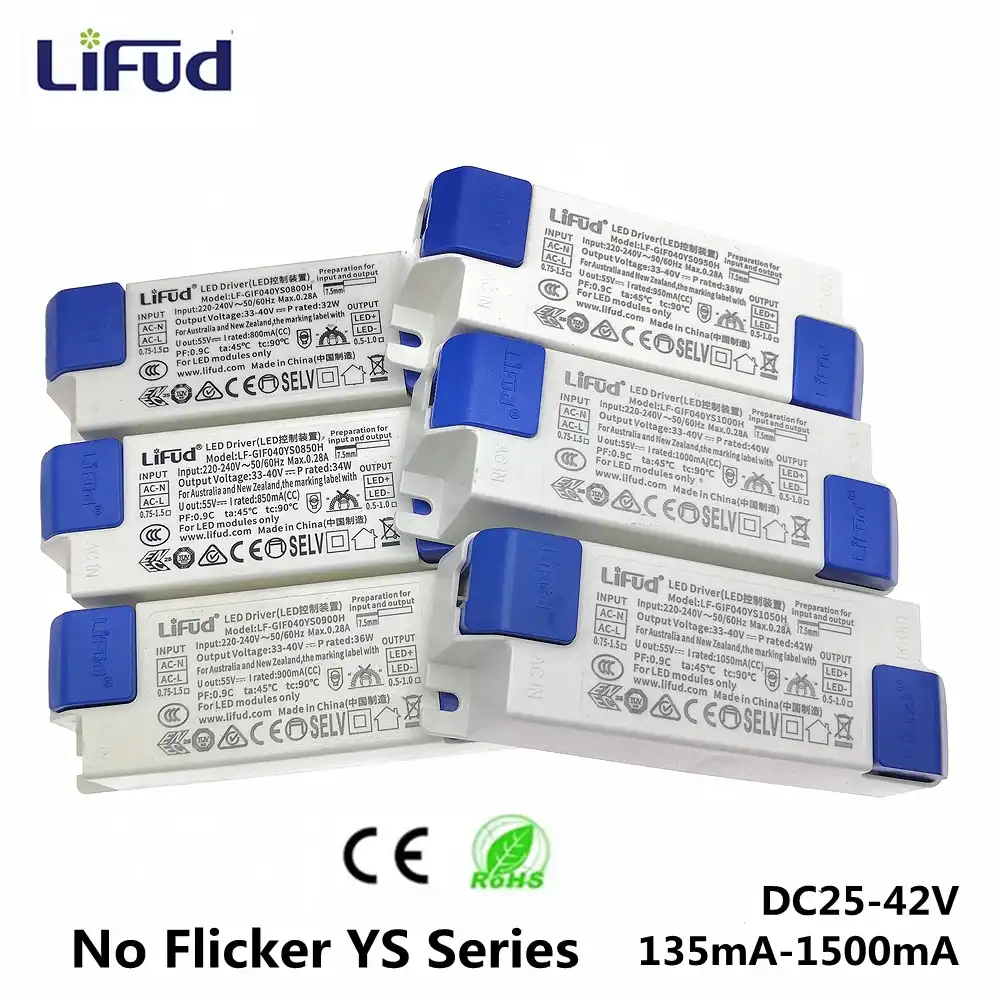
Technical Comparison Between LED Drivers and LED Power Supplies
By knowing the electrical properties and performance specs of each type of component, you can make smart purchasing choices that fit the needs of the project and your budget.
Current vs Voltage Regulation Mechanisms
Constant current LED drivers keep the current flow steady no matter how the forward voltage changes across LED panels. This way of controlling the current is very important for high-power LED lights, since changes in current could cause the colors to fade, the LEDs to last less time, or even fail completely. The complex control electronics constantly checks the electrical conditions and changes the output settings to keep things stable.
Constant voltage power sources provide steady DC voltage while letting current change automatically based on the needs of the connected load. This way of doing things works well for parallel LED configurations and low-power cosmetic uses where the features of each LED stay mostly the same.
Dimming Compatibility and Control Options
More advanced LED drivers work with many dimmer systems, such as 0-10V, DALI, and PWM. These features let them work with building control systems and let you finetune the light level to save energy and make people more comfortable. Professional-grade drivers keep the dimming performance smooth across their whole output range, so there are no glitches or changes in color temperature.
Standard power sources don't usually have dimming features, so you need extra control parts to change the light level. This limitation can make it harder to build a system and raise the overall cost of installation in places where lighting control is needed.
Environmental Protection Standards
A lot of commercial-grade LED drivers have strong environmental protection grades, like IP65 or IP67 waterproof casings for use outside. These units have conformal coverings and sealed connections that keep out moisture, dust, and temperature changes that are common in tough working conditions.
There is a wide range of environmental protection standards for LED power sources. The most basic units offer very little protection and should only be used indoors, where it is dry. Higher-grade power sources have better temperature and sealing values, but the level of protection is usually not as high as with similar LED drivers.
How to Choose Between an LED Driver and LED Power Supply for Your Business Needs?
To make sure the system works well and doesn't cost too much, you need to carefully consider the application needs, the surroundings, and your long-term operating goals when choosing the right power components.
System Compatibility Assessment
LED drivers are necessary for high-performance business lighting systems that need uniform lighting quality and longer fixture life to justify the extra cost. Large-scale projects benefit from drivers' improved reliability and protection features, which lower upkeep costs and cut down on sudden breakdowns.
LED power sources work well in situations where simple voltage transfer is enough to meet performance needs and cost is an issue. You can get good results with power sources for decorative lighting, signs, and temporary placements, especially when you don't need to dim the lights.
Certification and Compliance Requirements
For commercial projects, parts usually need to meet certain safety and performance standards, such as UL rating, CE marking, and DLC approval to be eligible for rebates. LED drivers from well-known brands usually come with full certifications that make the approval and design processes easier. Power sources may only offer a few certifications, which could make it harder to get a project approved in places with strict rules. Before finishing specifications, procurement teams should make sure that the chosen parts meet all relevant standards. This will help avoid costly delays or the need to replace parts.
Long-term Cost Considerations
The starting cost of LED drivers is usually higher than that of basic power supplies, but their better security and efficiency often make the total cost of ownership lower. Less upkeep is needed, LEDs last longer, and they use less energy, all of which add up to long-term value that explains the higher price. When used correctly, quality power sources can last a long time and do their job well. This makes them a good choice for projects on a budget that don't need high-performance features. It's important to carefully look at the needs of the application to see if the extra features of LED drivers are worth the extra cost.
Common Challenges and Troubleshooting Tips for LED Drivers and Power Supplies
Knowing about common working problems and how to fix them helps support teams fix issues quickly, reducing system downtime and the costs that come with it.
Identifying LED Driver Malfunctions
Flickering or uneven lighting often indicates LED driver problems, especially when multiple lights show the same symptoms at the same time. Driver problems can be caused by thermal stress from not enough ventilation, so it is important to install and maintain them correctly for efficient operation. Modern LED drivers have monitoring features that make it easier to find problems and fix them. Many units have status indicators that show working conditions and fault codes. This makes it easy for repair staff to quickly figure out if drivers need to be replaced or if problems are caused by something outside the unit.
Power Supply Troubleshooting Procedures
LED power sources often have problems with voltage drop, especially in setups with long wire runs or conductors that are too small. Regularly checking the voltage at device places helps find problems as they start to happen before they destroy the whole system. Overload situations can set off safety circuits in good power sources, which can lead to intermittent operation or stop completely. By comparing the total attached load to the supply capacity, you can tell if you need more power sources or if moving the load around will fix the problem.
Preventive Maintenance Strategies
Many issues that happen with both LED drivers and power sources can be avoided by checking the mounting locations and electrical connections on a regular basis. Enough air flow around parts stops temperature stress, which can greatly shorten their useful life and dependability. Having extra parts on hand for important setups lets you fix problems quickly when they happen, reducing downtime and keeping the system available. Documenting the specs and installation details of a component makes it easier to replace it and makes sure that the new parts will work with the original ones.
Leading Brands and Supplier Insights for Bulk LED Driver and Power Supply Purchases
When getting parts for big projects that need solid performance and full support services, it's important to look at the supplier's skills and the quality of their products.
Industry-Leading Manufacturers
Companies like Mean Well, Philips, and Osram have built names for making reliable LED drivers and power sources that meet strict business needs. These businesses put a lot of money into research and development, which makes goods that use the newest technology and meet the changing standards of the industry. USKYLED has become a reliable source for high-performance LED lighting options, such as advanced LED drivers made for business and industry use. Our goods meet the standards for international approval, and we offer reasonable prices and the ability to make changes that meet the needs of each project.
Supplier Evaluation Criteria
Quality sellers show their dedication by having thorough product certifications, quick response times for technical help, and reliable delivery plans that meet project deadlines. Having the ability to offer custom solutions and technical support is very helpful, especially for complicated setups that need unique parts. USKYLED's engineering team works closely with customers to create custom lighting solutions that use the right LED drivers and power parts. Because we can make things, we can make unique configurations while still keeping high quality standards and offering low prices for large orders.
Building Long-term Partnerships
For LED lighting projects to go well, the providers need to know both the technical needs and the business facts. Reliable partners offer ongoing help throughout the entire lifespan of a project, from the initial planning stages to the installation and upkeep phases. USKYLED helps wholesalers, contractors, and designers in a wide range of market areas by combining cutting-edge LED technology with individual service. Because we care about quality and customer happiness, we've built long-lasting relationships with clients who value technical know-how and reliable product performance.
Conclusion
The choice between LED drivers and LED power sources has a big effect on both the short-term success of the project and the long-term performance of the business. While LED drivers have better current regulation and safety features that are needed in business settings, power supplies are more cost-effective for setups that don't need as much power. When procurement workers understand these differences, they can make choices that balance the need for efficiency with the limitations of the budget.
To choose the right components, you need to carefully think about the needs of the program, the surroundings, and the certification standards to get the best results. Working with experienced suppliers who can provide both professional know-how and solid support services is the best way to make sure that a project succeeds while reducing operating risks.
FAQ
What is the main difference between an LED driver and LED power supply?
The primary difference lies in current regulation capabilities. An LED driver actively regulates current flow to maintain consistent LED performance, while an LED power supply simply converts voltage without current control. This distinction affects LED lifespan, dimming capability, and overall system reliability.
When should I choose an LED driver over a power supply?
Pick an LED driver for business setups that need exact lighting control, long LED life, and reliable performance. The advanced control and safety features that drivers offer are very helpful for high-power LED fixtures, outdoor lighting, and uses that need to dim.
Can I use an LED power supply for all LED applications?
When current regulation is not very important, like in LED strips and decorative lights, LED power sources work well. Dedicated LED drivers, on the other hand, are usually needed for business fixtures that use a lot of power and conditions that are hard on equipment.
How do I determine the correct specifications for my project?
Think about things like the total LED load, the surroundings, the dimming needs, and the approval needs. By talking to experienced sellers who know both the technical needs and the application needs, you can make sure that the right parts are chosen for the best performance and compliance.
Partner with USKYLED for Your LED Driver Requirements
USKYLED provides state-of-the-art LED driver options made especially for tough industrial and business uses. Constant current drivers, dimmable units, and weatherproof designs that meet foreign approval standards like UL, CE, and RoHS compliance are all in our large product line. As one of the biggest companies that makes LED drivers, we offer full technical support and can make changes to meet the specific needs of each project. For large orders, we also offer reasonable prices. Get in touch with our engineering team at sales@uskyled.com to talk about your unique LED driver needs and find out how our cutting-edge technology can make your lighting systems better.
References
1. Institute of Electrical and Electronics Engineers. "LED Driver Design Guidelines for Commercial Applications." IEEE Standards Publication, 2023.
2. Illuminating Engineering Society of North America. "Recommended Practices for LED Power Supply Selection in Commercial Lighting." IES Technical Memorandum, 2022.
3. Department of Energy. "LED Driver Performance Standards and Testing Protocols." DOE Solid-State Lighting Program, 2023.
4. International Electrotechnical Commission. "Safety Requirements for LED Drivers and Power Supplies." IEC Standards Documentation, 2022.
5. American National Standards Institute. "Performance Specifications for Commercial LED Lighting Components." ANSI Technical Report, 2023.
6. DesignLights Consortium. "LED Driver Qualification Requirements for Energy Efficiency Programs." DLC Technical Guidelines, 2022.

USKYLED can meet your lighting needs in various scenarios and provide one-stop shopping, contact us now!
Why You Should Choose USKYLED?
![What is Dimmable Track Lighting for Museum: Best Guide [2025]](/icms/upload/0d08cc601e7611f0b542b3ca0c0f4a83/pic/knowledgemanager-knowledgepic/e7879f32605f11f081911f363b8c1ed0/Directory/20250717 dimmable track lighting -1(1)_1752739217941.webp)