Understanding Flexible Lens Wall Wash LED Strips
What Are Flexible Lens Wall Wash LED Strips?
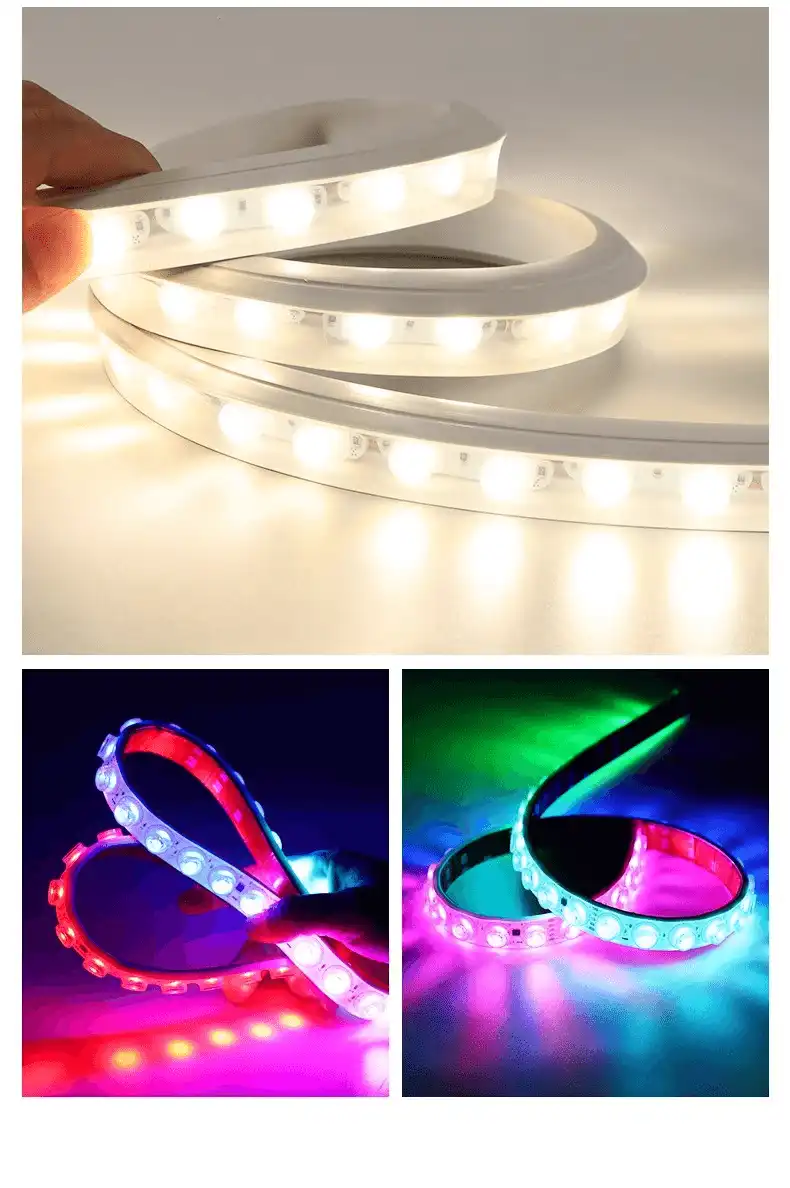
Flexible Lens Wall Wash LED Strips are cutting-edge lighting solutions that combine the flexibility of LED strip lights with specialized lenses designed for uniform wall washing effects. These strips feature a series of high-quality LEDs encased in a flexible housing, topped with a carefully engineered lens system. The result is a lighting product that can conform to various surfaces while providing even, glare-free illumination across vertical planes.
Key Features of Flexible Lens Wall Wash LED Strips
The distinguishing characteristics of Flexible Lens Wall Wash LED Strips include:
- Uniform light distribution: The specialized lens system ensures consistent illumination without hot spots or dark areas.
- Flexibility: Can be bent and shaped to fit curved or irregular surfaces.
- Energy efficiency: LED technology consumes significantly less power than traditional lighting options.
- Customizable color temperature: Available in various color temperatures to suit different ambiances and applications.
- Dimmability: Compatible with most dimming systems for adjustable light levels.
- Long lifespan: LED technology offers extended operational hours compared to conventional bulbs.
Applications of Flexible Lens Wall Wash LED Strips
The versatility of Flexible Lens Wall Wash LED Strips makes them suitable for a wide range of applications:
- Architectural accent lighting
- Retail display illumination
- Museum and gallery lighting
- Hospitality and entertainment venues
- Residential interior design
- Commercial office spaces
- Public buildings and spaces
Traditional Lighting Methods: An Overview
Common Traditional Wall Washing Techniques
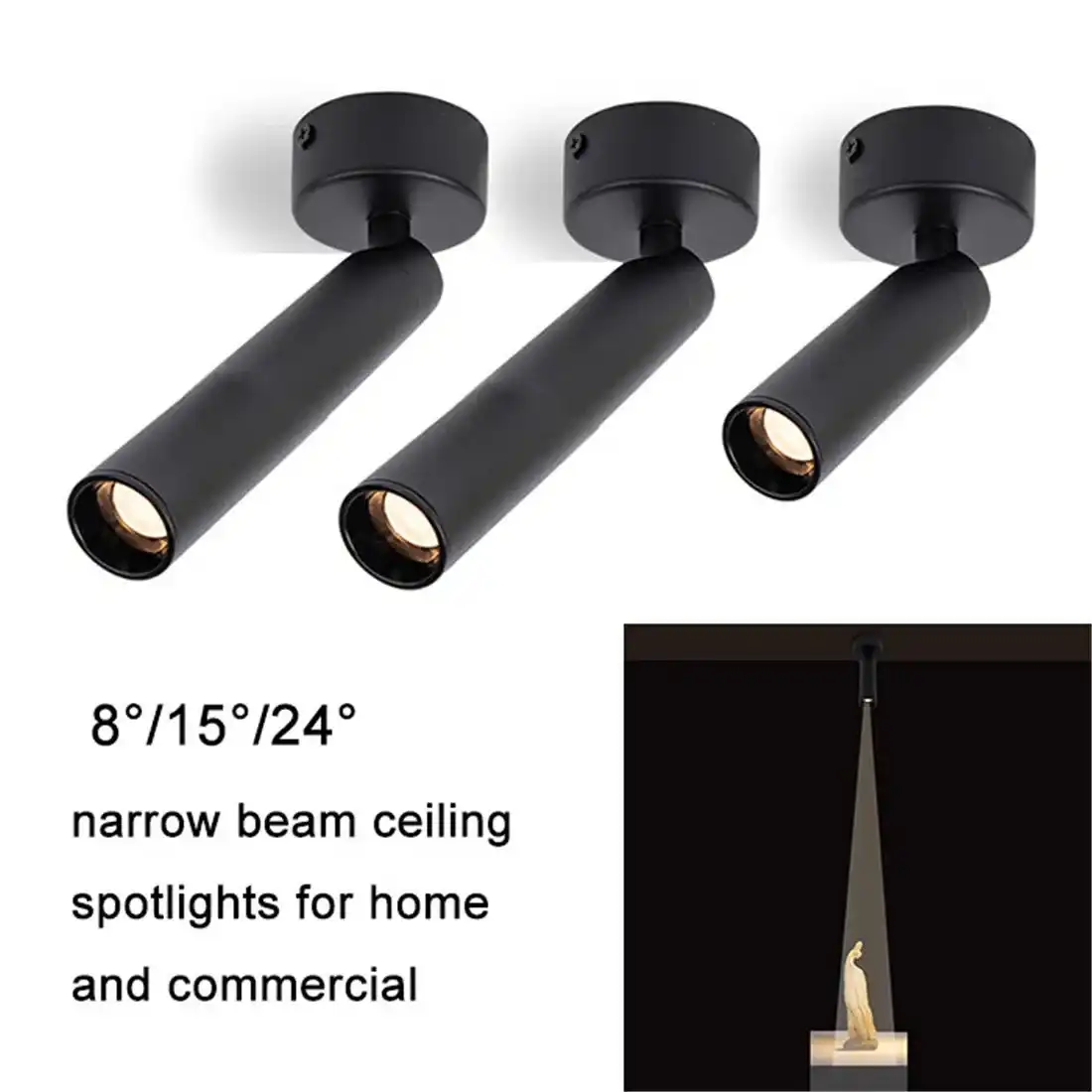
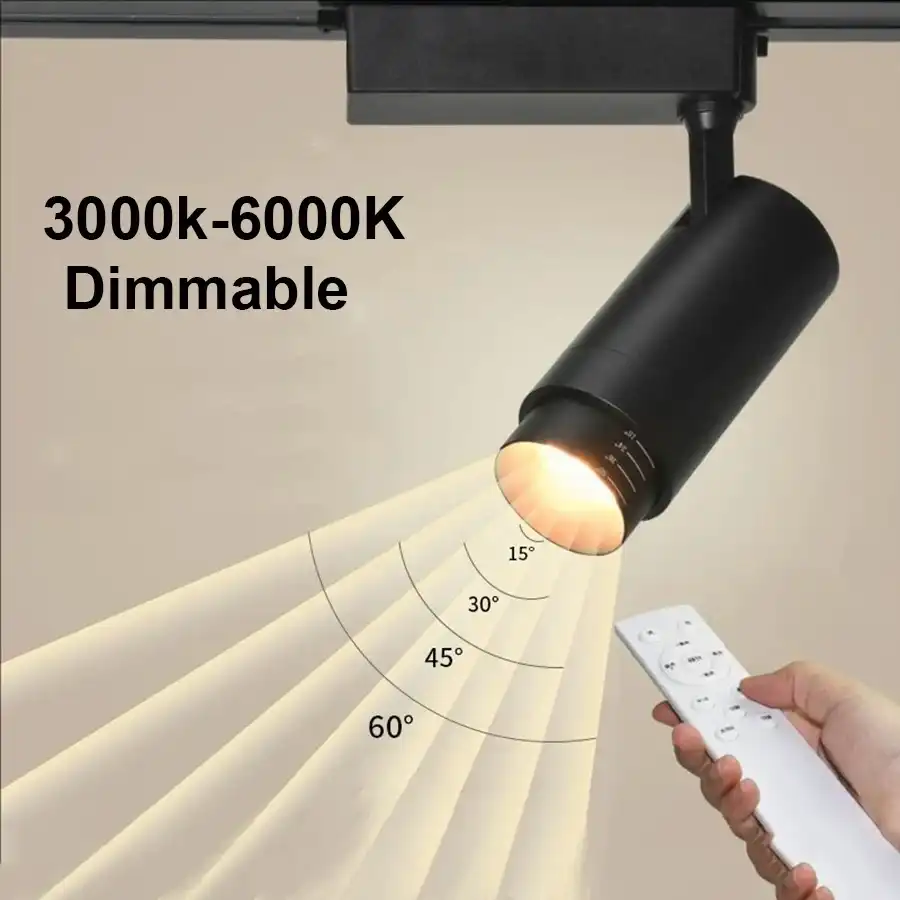
Before the advent of Flexible Lens Wall Wash LED Strips, several conventional methods were employed to achieve wall washing effects, each offering distinct advantages and limitations. Recessed wall washers were among the most common solutions, designed as fixed fixtures embedded into ceilings to cast smooth, downward illumination along walls, enhancing texture and depth. Track lighting provided greater flexibility, allowing adjustable fixtures to be repositioned for targeted lighting or accenting specific features.
Fluorescent cove lighting, typically hidden within architectural recesses, offered soft and diffused illumination ideal for creating ambient effects. Meanwhile, halogen spotlights delivered bright, focused beams that were particularly effective for emphasizing artworks or highlighting architectural details. Despite their versatility, these traditional techniques required careful planning during installation and often lacked adaptability once fixed in place.
Limitations of Traditional Wall Washing Methods
While these traditional approaches achieved aesthetically pleasing results, they presented several practical challenges that limited their long-term efficiency and flexibility. Limited adaptability was a major drawback—once fixtures were installed, repositioning or modifying light angles was difficult without structural changes. Uneven light distribution often occurred, resulting in inconsistent brightness and visible hotspots along the wall surface.
Additionally, many systems had high energy consumption, especially those using halogen or fluorescent bulbs, contributing to increased operational costs. Heat generation from older lighting technologies could also raise room temperatures, posing issues for temperature-sensitive spaces such as galleries. Maintenance was another concern, with frequent bulb replacements and fixture degradation over time. Lastly, color consistency problems made it difficult to achieve uniform illumination, as older light sources tended to shift in color temperature with age or usage.
Comparative Analysis: Flexible Lens Wall Wash LED Strips vs. Traditional Lighting
Energy Efficiency and Cost-Effectiveness
Flexible Lens Wall Wash LED Strips outperform traditional lighting options in terms of energy efficiency:
- Lower power consumption: LEDs use up to 75% less energy than incandescent bulbs.
- Reduced cooling costs: LEDs generate less heat, decreasing the load on air conditioning systems.
- Longer lifespan: With operational hours often exceeding 50,000, LED strips require less frequent replacements.
- Lower maintenance costs: The durability of LED technology translates to reduced maintenance expenses over time.
Installation and Flexibility
The installation process and adaptability of Flexible Lens Wall Wash LED Strips offer significant advantages:
- Easy installation: Can be mounted using adhesive backing or clips, requiring minimal tools.
- Customizable lengths: Easily cut to size or connected for longer runs without compromising performance.
- Adaptable to various surfaces: Conforms to curved or uneven surfaces, unlike rigid traditional fixtures.
- Minimal intrusion: Low profile design allows for discreet integration into architectural elements.
Light Quality and Control
The superior light quality and control options of Flexible Lens Wall Wash LED Strips set them apart:
- Consistent color temperature: Maintains uniform color across the entire strip length.
- High Color Rendering Index (CRI): Accurately represents colors of illuminated objects and surfaces.
- Dimming capabilities: Seamless dimming without color shift, unlike some fluorescent options.
- Smart control integration: Compatible with various smart lighting systems for advanced control options.
- Glare reduction: The lens system minimizes glare, enhancing visual comfort.
Conclusion
Flexible Lens Wall Wash LED Strips represent a significant leap forward in lighting technology, offering numerous advantages over traditional wall washing methods. Their energy efficiency, installation flexibility, and superior light quality make them an ideal choice for a wide range of applications. As the lighting industry continues to evolve, these innovative LED strips are poised to become the go-to solution for designers, architects, and lighting professionals seeking to create stunning, efficient, and versatile illumination for vertical surfaces.
FAQ
Are Flexible Lens Wall Wash LED Strips suitable for outdoor use?
While some models are designed for outdoor applications, it's essential to check the IP rating for water and dust resistance before outdoor installation.
Can Flexible Lens Wall Wash LED Strips be used for accent lighting in addition to wall washing?
Yes, these versatile strips can be used for accent lighting, cove lighting, and other decorative applications beyond wall washing.
How do I choose the right color temperature for my Flexible Lens Wall Wash LED Strips?
Consider the intended atmosphere and the colors in your space. Warmer temperatures (2700K-3000K) create a cozy ambiance, while cooler temperatures (4000K-6500K) are ideal for task-oriented areas.
Transform Your Space with Cutting-Edge Flexible Lens Wall Wash LED Strips | USKYLED
USKYLED, a leading manufacturer and exporter of high-performance LED lighting solutions, offers premium Flexible Lens Wall Wash LED Strips tailored to your specific needs. Our factory produces custom OEM/ODM solutions, ensuring you receive the perfect lighting for your project. Experience the USKYLED difference with our advanced LED technology, sustainability commitment, and superior quality. Contact our expert team at sales@uskyled.com to elevate your lighting design today.
References
1. Smith, J. (2022). "The Evolution of Wall Washing Techniques in Architectural Lighting". Lighting Design Quarterly, 45(2), 78-92.
2. Johnson, A., & Lee, S. (2021). "Comparative Analysis of LED Strip Lighting vs. Traditional Lighting Methods". Journal of Energy Efficient Illumination, 18(3), 205-220.
3. Rodriguez, M. (2023). "Advancements in Flexible LED Technology for Interior Design". Architectural Lighting Review, 37(1), 15-28.
4. Chen, H., et al. (2022). "Energy Efficiency and Cost-Benefit Analysis of LED Wall Washing Systems". Sustainable Lighting Solutions, 29(4), 412-427.
5. Thompson, K. (2023). "The Impact of Lens Design on LED Strip Performance for Wall Washing Applications". Optics in Illumination, 14(2), 155-170.



![What is Dimmable Track Lighting for Museum: Best Guide [2025]](/icms/upload/0d08cc601e7611f0b542b3ca0c0f4a83/pic/knowledgemanager-knowledgepic/e7879f32605f11f081911f363b8c1ed0/Directory/20250717 dimmable track lighting -1(1)_1752739217941.webp)