How German Buyers Import Magnetic Track Lights from China?
Germans who want to buy magnetic track lights from China can take advantage of the low prices and wide range of products that Chinese makers offer. Finding qualified sources, making sure they meet EU standards like CE and RoHS certifications, handling logistics with the help of experienced freight forwarders, and setting up quality control methods are all parts of the process. These new lighting solutions use magnetic attachment systems that allow for flexible placement. This is making them more and more popular in Germany's office, retail, and leisure sectors.
Understanding Magnetic Track Lights and Their Procurement Needs
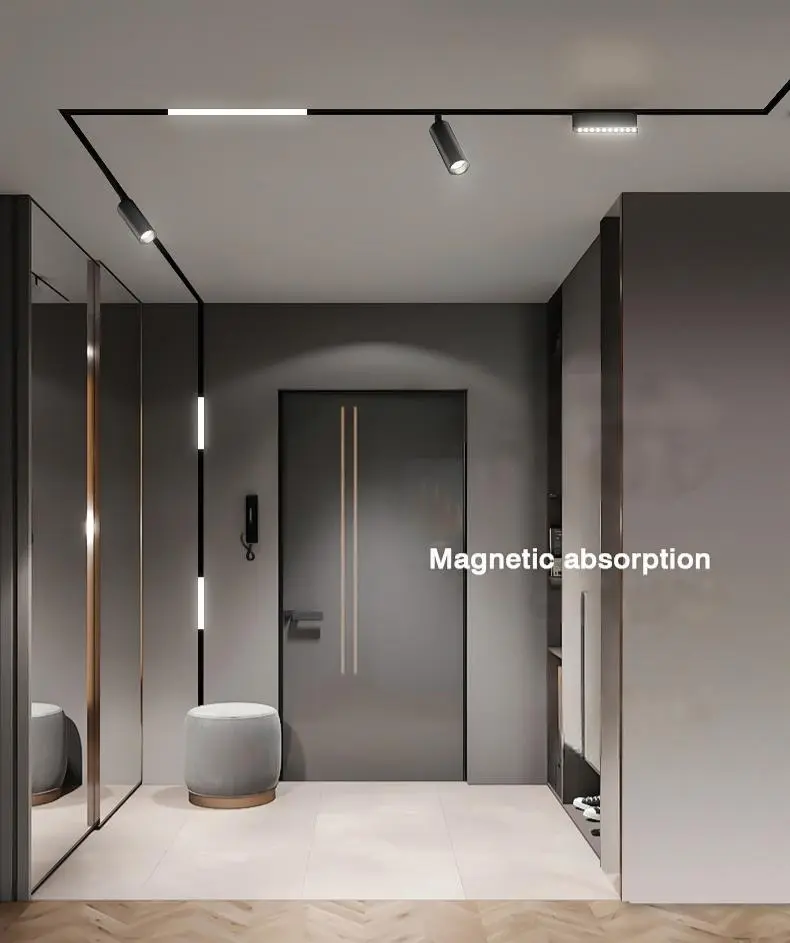
The magnetic track lighting system is a completely new way to light up businesses. It changes the way we think about where to put fixtures and how to place them. These high-tech lighting solutions use strong magnets built into the bulb housing to connect tightly to special metal tracks that have iron sheets and copper wires inside them. The magnetic pull between the fixture and the track makes a quick, tool-free connection that makes both a physical connection and an electrical connection through the copper wires.
Technical Foundation and System Components
Magnetic track systems are made up of three main parts that work together to form their structure. The aluminum track housing keeps the structure strong and hides the copper wires that carry 48V DC power that is changed from normal 110V to 220V AC input through built-in transformers. The magnetic binding point is made by the iron sheet inside the track. Fixtures can be attached anywhere along the length of the track with great strength.
German people who work in buying need to know that magnetic track systems are much better than regular track lights. Traditional track lights have mechanical clips or twist-lock systems that make it hard to move them and usually require tools to make any necessary adjustments. Magnetic systems get rid of these problems, so fixtures can be moved, taken out, and put back on right away during operation without cutting power to other fixtures on the same track.
EU Compliance Requirements for German Markets
German sellers have to follow strict rules that require a lot of paperwork to prove they are following the rules. All lighting goods that want to sell in Europe must still have the CE mark on them. This shows that the product meets standards for health, safety, and the environment. RoHS compliance also limits the use of dangerous materials, and WEEE guidelines set rules for getting rid of old electronics and electrical appliances.
Standards for energy economy are another important thing that German buying teams think about. The EU's Ecodesign Directive sets basic standards for how energy-efficient lighting goods must be. This makes high-performance LED magnetic track lights especially appealing. For business use, these rules increase the need for lamps that produce more than 120 lumens per watt of light while keeping color rendering index (CRI) values above 80.
Step-by-Step Guide: How German Buyers Import Magnetic Track Lights from China?
For importation to go well, detailed product specifications and demand forecasts must be made first. Before contacting possible providers, German buyers need to be clear about their exact needs, such as the types of fixtures they want, the power they need, the color temperatures they want, and the ability to dim the lights. This part of planning keeps expensive misunderstandings from happening and makes sure that what the buyer wants and what the seller can do are in line with each other.
Supplier Research and Qualification Process
As part of the supplier discovery process, the skills, certifications, and track records of Chinese makers must be carefully examined. German buyers should give more weight to providers who have ISO 9001 quality management certifications along with credentials specific to the lighting business. For big projects that need to make sure of manufacturing abilities, quality control methods, and the ability to meet delivery dates, production capacity analysis becomes very important.
Here are the most important things to look for in Chinese providers of magnetic track lights:
- Manufacturing Capacity: Check the monthly output levels, the equipment's skills, and its ability to handle big orders.
- Quality Certifications: Make sure the product has ISO 9001, CE, RoHS, and any other important foreign certifications.
- Technical Knowledge: Look at the design options, customization choices, and tech support services.
- Stability in the company's finances: Check its liquidity and ability to keep big contracts.
- Communication Infrastructure: Make sure technical help is available in English and customer service is quick to respond.
These qualification factors help German buyers find sellers who can meet the strict needs of a project while also upholding quality standards throughout the whole process.
Sample Management and Quality Verification
Sample buying is an important step where German buyers can check the quality of the product, how well it works, and whether it meets the requirements that were set. Professional buyers usually ask for several models that show a range of fixture types, track setups, and control choices so that they can try everything thoroughly. Before placing a big order, third-party testing labs in Germany or other EU countries can make sure that the product meets CE, RoHS, and energy efficiency standards.
Managing documents during the sample phase sets the rules for how the main purchase process will work. With every sample package, suppliers should include full technical specs, installation guides, guarantee information, and proof of compliance. This process of reviewing paperwork helps find problems before they affect big deliveries.
Navigating Logistics and Import Regulations for Magnetic Track Lights
Importing lighting goods from China requires a lot of planning and organization when it comes to handling and following the rules, which can have a big effect on project costs and timelines. German buyers have to deal with customs processes, tariff classifications, and paperwork requirements, all while making sure that goods meet all safety and performance standards when they get to Germany.
Customs Classification and Tariff Management
Most magnetic track lighting systems are classified by Harmonized System (HS) codes that tell you how to import them and what tariffs apply. LED track lights are usually put into HS code 9405, but there are different groups for different types of fixtures and technical specs. German importers should work with customs brokers who know how to classify lighting products so that they can make correct reports and avoid delays.
Pay close attention to every detail when putting together business paperwork, packing lists, bills of lading, and compliance certificates. Documents for CE marking, test results from approved labs, and statements of conformity signed by the maker must be sent with every shipment. These papers make it easier to get through customs and protect the importer legally.
Freight Forwarding and Delivery Coordination
When shipping magnetic track lights across foreign borders, it's important to use professional freight handling services. Forwarders with a lot of experience know how to package fragile lighting goods, find the best shipping routes from China's main production hubs, and handle customs in German ports. For large orders, sea freight is still the most cost-effective choice. Air freight, on the other hand, is best for pressing deliveries or sending samples.
Choosing the right Incoterms has a big impact on how buyers and sellers share costs and handle risks. FOB (Free on Board) terms mean that the German buyer is responsible for foreign shipping and insurance. This gives them more control over processes but also makes it harder to coordinate. Cost, Insurance, and Freight (CIF) terms put these duties on the Chinese seller. This makes shipping management easier but could make the product more expensive.
Comparing Magnetic Track Lights from China: Product Types, Prices, and Innovations
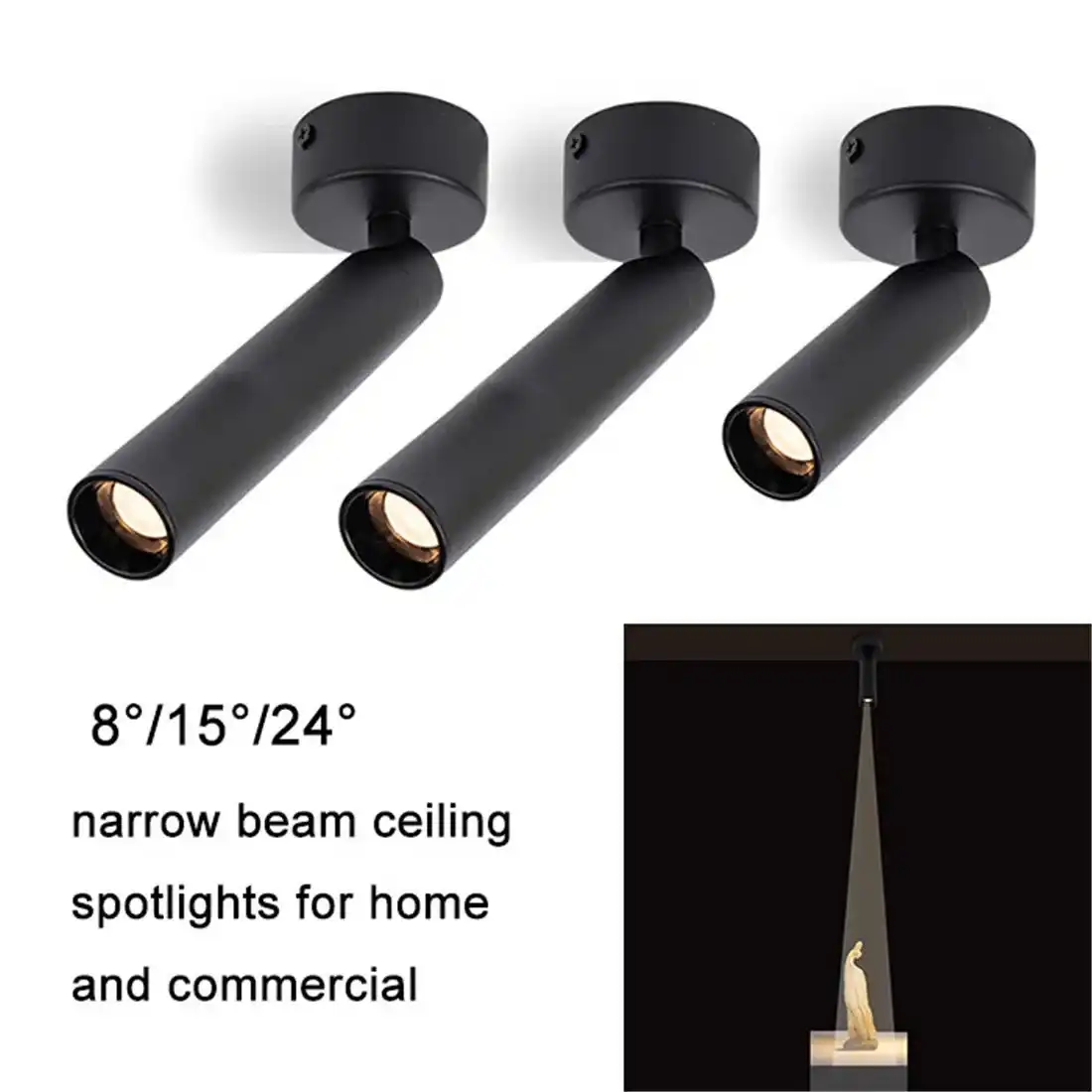
Different types of magnetic track lights are made by different Chinese companies, and each one is meant for a specific use or installation situation. Surface-mounted track systems are easy to place on ceilings that are already there, which makes them perfect for business space renovations. When you install recessed tracks, you get a clean, simple look that works well in modern offices and high-end store settings.
Product Category Analysis and Selection
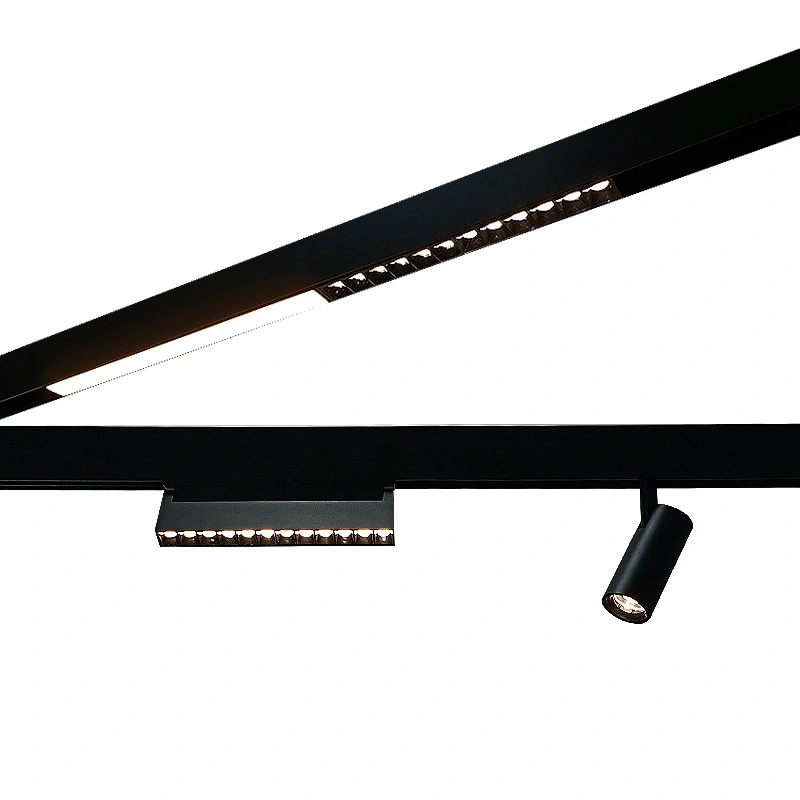
Pendant magnetic track fixtures are a growing market segment that can be used in store and restaurant settings to create dramatic lighting effects. These lights hang from magnetic track systems at different heights and can be used for focused work lighting or artistic lighting. Linear magnetic track lights make lighting lines that go on forever. They are great for lighting hallways, displaying goods in stores, and adding accents to buildings.
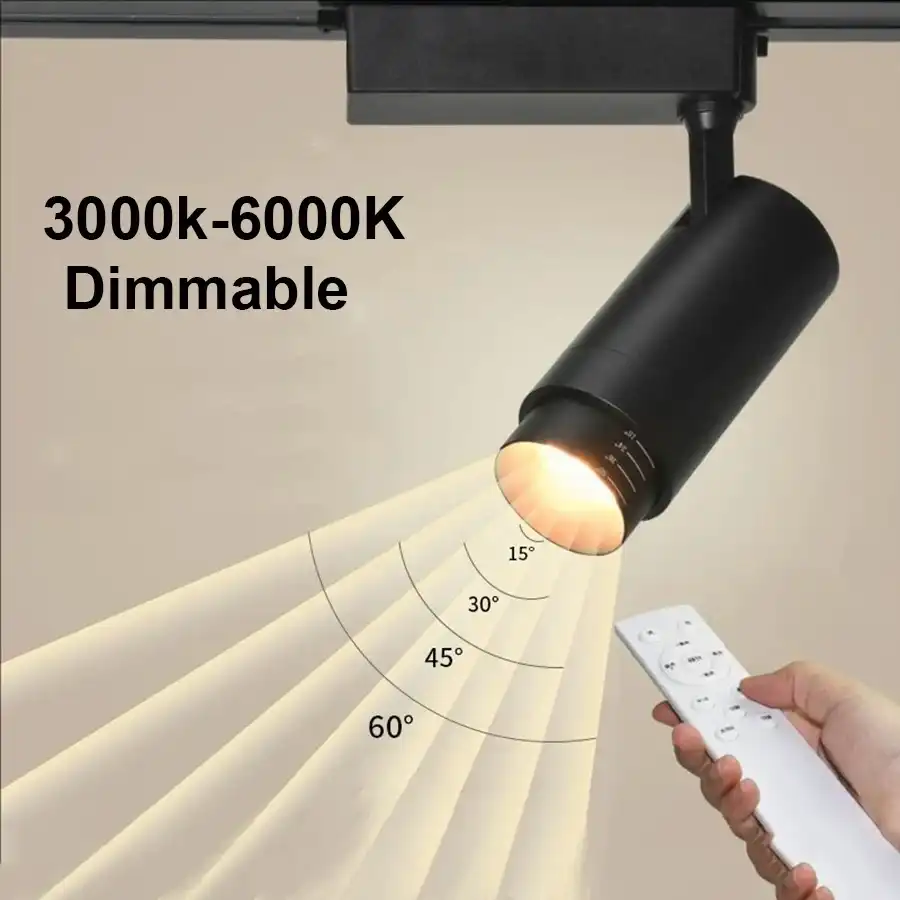
Premium magnetic track systems are different from basic ones because they can integrate smartly. More advanced systems use wireless control methods that let you use a smartphone app to run the system, make schedules, and connect it to building management systems. These features are especially appealing to German buyers who want lighting options that are ready for the future and can support smart building projects.
Pricing Models and Cost Analysis
The prices of Chinese magnetic track lights depend a lot on how complicated the product is, how many are ordered, and how they need to be customized. Track parts for basic single-circuit track systems usually cost between $15 and $25 per meter, and fixtures cost between $8 and $30 each, based on their power levels and features. Prices range from $30 to $80 per light for high-end systems with smart settings, high-CRI LEDs, and advanced dimming features.
When it comes to big business projects, volume price is very important. Most makers offer graduated discounts starting at 100-piece minimums. Custom OEM orders need to be priced separately because of the costs of research, the need for tools, and the number of units that need to be made. When reviewing overall project costs, German buyers should think about extra costs like shipping, insurance, customs duties, and installation in their own country.
Building Trust and Establishing Long-Term Sourcing Partnerships
Building trust between German buyers and Chinese suppliers takes a planned approach that focuses on trust, communication, and mutual gain. Consistent performance output, open communication, and shared problem-solving methods that deal with problems together instead of against each other are all signs of a successful relationship.
Supplier Performance Evaluation
USKYLED is the kind of reliable provider that German buyers want. They offer cutting-edge LED technology and a full range of customer service options. Our factory keeps up with ISO 9001, CE, RoHS, and other foreign safety standards to make sure that the quality of the products we give is always high. Because we've been serving European markets for more than ten years, we know what German buying workers need and expect.
Our magnetic track lighting comes in surface-mounted, recessed, and pendant styles to meet the needs of a wide range of business uses. For store settings, high-CRI LED technology above 90 CRI provides accurate color rendering, and flicker-free drivers keep people comfortable in office settings. Smart control interface makes it easy to add to building automation systems, which helps Germany's efforts to use less energy.
Quality Assurance and After-Sales Support
Strong quality assurance procedures and quick after-sales assistance are needed for long-term partnerships. Every batch of products made by USKYLED goes through a full set of tests, such as heat cycling, optical verification, and electrical safety testing. Our quality control system keeps track of performance data, which lets us keep getting better and spot problems before they happen.
Technical support services cover the whole span of a product, from coming up with the first specifications to helping with installation and upkeep. Our engineering team offers special design services for one-of-a-kind uses, making sure that products work at their best in tough business settings. German buyers are sure that a product will last a long time because of warranty programs and quick service networks.
Conclusion
German buyers can get new lighting options at low prices by importing magnetic track lights from China. But to be successful, they need to carefully choose their suppliers, make sure they follow the rules, and coordinate their shipping. To make buying go smoothly, you need to plan ahead, communicate clearly, and build relationships with dependable providers who know what the European market needs. German buyers who take the time to properly evaluate suppliers, check quality, and keep track of paperwork will get the best results with the least amount of risk. The market for magnetic track lighting is always changing as smart technologies are added and energy efficiency is raised. To stay competitive in Germany's strict business lighting industry, clever supplier partnerships are a must.
FAQ
What certifications are required for magnetic track lights in Germany?
All magnetic track lights that come into Germany must have a CE mark on them to show that they meet EU safety and performance standards. RoHS certification limits the use of dangerous materials, and meeting the standards of the EU Ecodesign Directive for energy economy is a must. Extra approvals, such as VDE or TUV marks, give German buyers extra peace of mind when they're looking for high-quality goods.
How long does the import process typically take?
For sea freight packages, the whole process of importing usually takes 6 to 8 weeks, from placing the order to receiving it. This schedule covers production (two to four weeks), shipping by sea (two to three weeks), and clearing customs (three to seven days). Air freight cuts the time it takes to ship to 7–10 days, but it costs a lot more. With well-known providers, rush orders may be possible, but they usually come with higher prices.
What are the typical minimum order quantities for magnetic track lights?
Most Chinese makers need at least 100 to 500 pieces of each SKU, though this can vary based on how complicated the product is and how much customization is needed. Track parts usually have lower minimums (50 to 100 meters), but some fittings may need bigger amounts. To cover the costs of making tools and developing software, custom OEM goods usually have higher minimums (1000+ pieces).
How can German buyers ensure product quality before shipment?
Third-party inspection services check the quality of a product independently before it is shipped. They do this by looking at the product's specs, workmanship, and compliance paperwork. Electrical safety and optical performance are confirmed by tests done at approved laboratories before the goods are shipped. A lot of sellers also let buyers visit the factories and look at how they make things and make sure they meet quality standards.
Partner with USKYLED for Premium Magnetic Track Light Solutions
When it comes to the German market, USKYLED is ready to be your go-to magnetic track lights maker. They use cutting-edge LED technology and offer full B2B support services. Our wide range of products includes magnetic track systems that can be customized and are designed for business use in Europe. These systems have CE and RoHS approvals, which make them easy to enter the market. Email our knowledgeable staff at sales@uskyled.com to talk about your unique magnetic track lighting needs and find out how our cutting-edge solutions can improve your business lighting projects while giving you great value and dependability.
References
1. European Commission. "EU Ecodesign Directive Requirements for Lighting Products." Official Journal of the European Union, 2021.
2. German Federal Office for Economic Affairs and Export Control. "Import Procedures for Electrical Equipment and Lighting Products." BAFA Guidelines, 2023.
3. International Trade Centre. "Market Analysis: LED Lighting Imports from China to European Union." ITC Trade Statistics, 2023.
4. German Engineering Federation. "Quality Standards for Commercial Lighting Procurement in German B2B Markets." VDMA Industry Report, 2022.
5. European Lighting Industry Association. "Magnetic Track Lighting Systems: Technical Standards and Market Trends." ELC Technical Publication, 2023.
6. German Customs Authority. "HS Code Classification Guidelines for LED Track Lighting Systems." Zoll Documentation, 2023.

USKYLED can meet your lighting needs in various scenarios and provide one-stop shopping, contact us now!
Why You Should Choose USKYLED?
![What is Dimmable Track Lighting for Museum: Best Guide [2025]](/icms/upload/0d08cc601e7611f0b542b3ca0c0f4a83/pic/knowledgemanager-knowledgepic/e7879f32605f11f081911f363b8c1ed0/Directory/20250717 dimmable track lighting -1(1)_1752739217941.webp)