Key Buying Guide for Flexible Linear Lighting in Workspaces
Choosing the right flexible linear light for workspace applications requires careful consideration of performance, installation requirements, and long-term reliability. Modern businesses demand lighting solutions that enhance productivity while reducing energy costs. The optimal LED strip system should deliver consistent illumination, support various mounting configurations, and integrate seamlessly with existing infrastructure. Quality linear LED products transform workplace environments by providing customizable brightness levels, color temperatures, and smart control capabilities that adapt to different tasks throughout the day.
Understanding Flexible Linear Lighting Technology
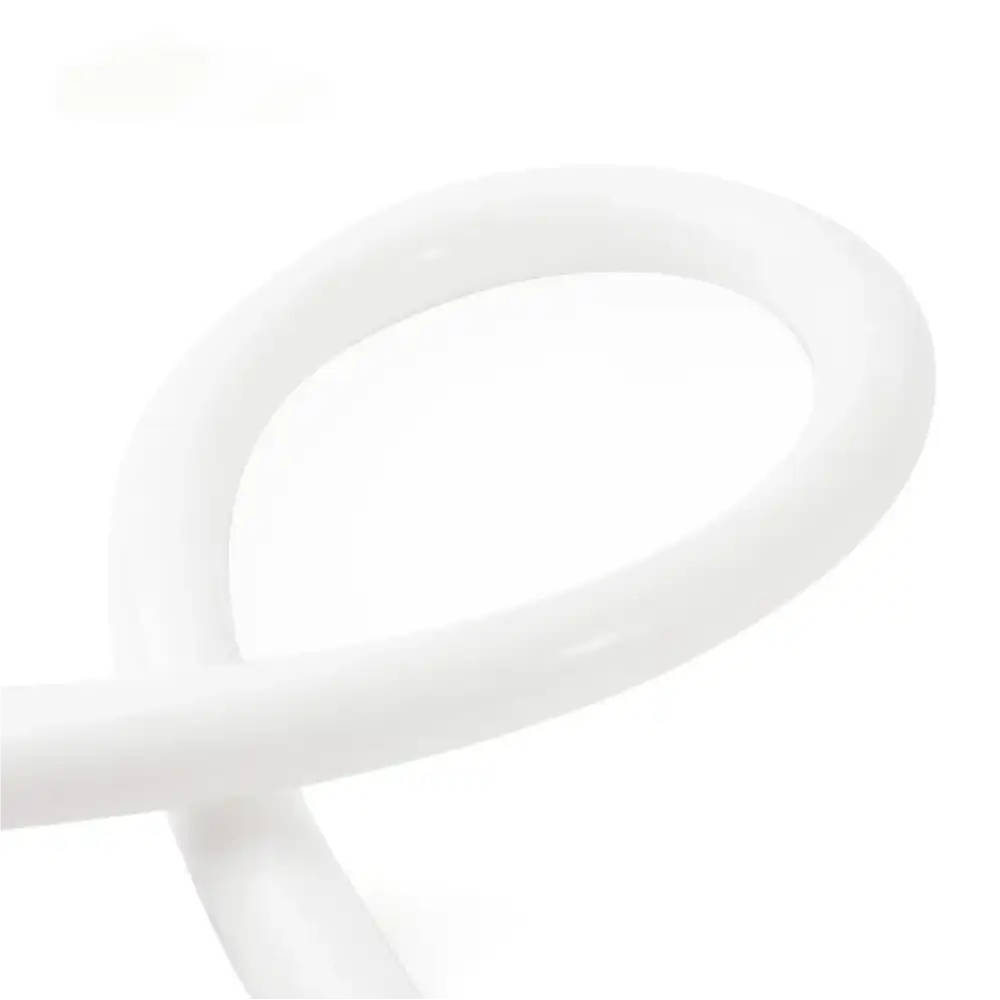
Flexible linear lighting represents a revolutionary advancement in commercial illumination design. These versatile LED strip solutions feature ultra-thin profiles and bendable circuit boards that conform to architectural elements seamlessly. Unlike traditional rigid fixtures, adjustable lighting systems offer unlimited design possibilities for modern workspaces.
The core technology relies on high-quality light-emitting diodes mounted on flexible PCB substrates. This configuration enables smooth light distribution across extended lengths without visible hot spots or dark zones. Advanced manufacturing processes ensure consistent color rendering and luminous output throughout the entire strip length.
Intelligent lighting capabilities that are responsive to occupant movements and daylight harvesting controllers are included into modern systems. The availability of wireless control alternatives eliminates the need for complicated cabling while also providing specific zone administration. When compared to more traditional methods of illumination, these characteristics considerably cut down on the expenses of installation and the amount of maintenance that is required.
Energy-efficient designs typically consume 60-80% less power than fluorescent alternatives while delivering superior light quality. The extended lifespan of quality flexible linear light LED components minimizes replacement frequency and reduces lifecycle costs substantially.
Essential Performance Specifications for Commercial Applications
In order to differentiate commercial-grade solutions from consumer counterparts, professional workplace setups need particular performance standards to be met. Efficiency ratings in terms of lumens per watt should be higher than 120 LPW in order to achieve maximum energy savings. In order to achieve correct how colors are perceived for detailed job activities, hue index values that are more than 90 are required.
It is necessary for operating temperature ranges to be able to tolerate an assortment of climatic conditions without compromising performance. Linear LED systems of high quality provide a consistent output from -20 degrees Celsius to +60 degrees Celsius, which ensures dependable operation in a variety of commercial environments. The heating and cooling features prevent the component from overheating and greatly increase its lifetime respectively.
The capabilities of dimming should allow for a smooth change from 0 to 100% without flickering or color shift that occurs. Many different control protocols, including as DALI, DMX, and other wired and wireless interfaces, are compatible with dimmable light systems that are considered to be quite advanced. This versatility makes it possible to integrate with the building management systems that are already in place.
Voltage needs usually fall within the range of 12V of 48V DC, with greater voltages being able to handle longer continuous operations. Operating at low voltage improves safety while also minimizing the amount of transformers that are required for big installations. Stable current control and surge protection are two features that are provided by quality power supply.
In order to satisfy a variety of workplace needs, color temperature variations ranging from 2700K - 6500K are available. Dynamic circadian lighting, which enhances occupant welfare and efficiency throughout the day, is made possible by white systems that can be adjusted during the day.
Installation Considerations and Mounting Options
It is necessary to carefully arrange mounting systems alongside accessibility requirements in order to ensure that workplace installations are successful. Adhesive backing technologies provide temporary installation choices for projects that are only needed for a limited period of time. On the other hand, mechanical mounting techniques that guarantee its dependability over the long term are advantageous for permanent business installations.
With their exceptional heat transfer and professional look, aluminum profiles are an excellent choice for installations that are visible. These channels are designed to support a variety of diffuser solutions, which prevent LED spots while also protecting the strip's surface from being damaged by mechanical forces. In order to provide smooth light changes around architectural elements, corner connectors may be used.
Cable management systems maintain clean installations while providing access for future maintenance. Proper wire routing prevents damage during building operations and facilitates system modifications. Consider using dedicated conduits for power and control wiring separation.
Environmental protection ratings determine suitable application areas within workspace environments. IP65-rated systems withstand moisture and dust exposure in industrial settings. Standard office applications typically require IP20 protection levels for cost-effective solutions.
Testing procedures should verify proper operation of flexible linear light systems before final installation completion. Thermal imaging can identify hot spots that indicate installation issues or component defects. Documentation of installation details facilitates future maintenance and system expansion.
Customization Options for Specialized Workplace Needs
Modern businesses require lighting solutions tailored to specific operational requirements. Customizable light systems enable precise adaptation to unique workspace configurations and aesthetic preferences. Length customization allows exact fitting without waste or compromise in design integrity.
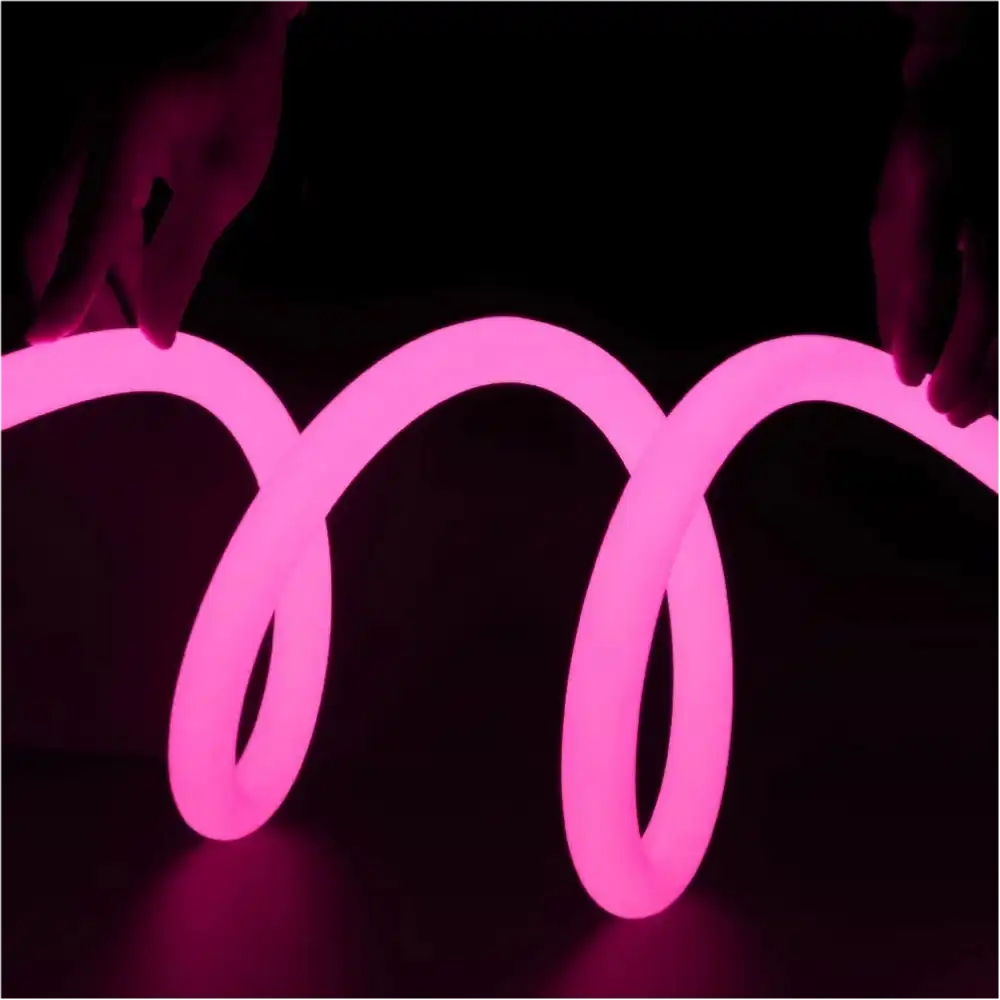
Color mixing capabilities through RGB lighting create dynamic environments that support different activities throughout the workday. Programmable sequences can highlight specific areas during presentations or create ambient lighting during breaks. Multi-zone control enables independent adjustment of different workspace areas.
Beam angle modification through specialized lenses focuses light precisely where needed. Narrow beam options provide task lighting for detailed work while wide distributions offer general ambient illumination. Asymmetric optics direct light away from computer screens to reduce glare.
Integration with occupancy sensors automatically adjusts lighting based on space utilization. Motion detection reduces energy consumption in unoccupied areas while ensuring immediate illumination when needed. Time-based programming supports automated lighting schedules aligned with business operations.
Emergency lighting integration ensures compliance with safety regulations while maintaining design continuity. Battery backup systems provide essential illumination during power outages without requiring separate emergency fixtures.
Quality Standards and Certification Requirements
The dependability of product performance and safety in commercial applications is ensured by international certification requirements. A UL designation is a verification that a workplace installation complies with the safety criteria that are in force in North America. CE certification is a confirmation that the product complies with the regulations of the European Union regarding electromagnetic resonance and safety.
Compliance with RoHS removes hazardous compounds that might have an effect on the quality of the air within a building or on disposal needs. It is becoming more vital to get this certification in order to obtain green building certification and to implement sustainable workplace activities. DLC accreditation makes it possible to participate in utility reimbursement programs that reduce the expenses of initial investment.
It is important for testing methodologies to check photometric performance, electrical security, and environment durability. The testing of the LM-80 provides documentation of lumen maintenance over prolonged durations of operation. On the basis of defined testing processes, TM-21 calculations forecast the useful life of the product.
Quality manufacturers provide comprehensive documentation including photometric data, installation guides, warranty terms, and flexible linear light specifications. Technical specifications should include detailed performance curves showing output variation across operating conditions. Clear warranty terms protect against premature failures and performance degradation.
Third-party testing laboratories provide independent verification of manufacturer claims. Recognized testing facilities ensure consistent evaluation standards across different product lines and manufacturers.
Energy Efficiency and Sustainability Benefits
Flexible linear lighting delivers substantial energy savings compared to traditional workplace illumination systems. LED technology converts approximately 85% of input power to visible light while generating minimal heat. This efficiency reduces HVAC loads and further decreases overall building energy consumption.
Daylight harvesting integration automatically adjusts artificial lighting based on available natural light levels. Photosensors continuously monitor ambient conditions and reduce electric lighting output accordingly. This responsive approach can reduce lighting energy consumption by 30-50% in perimeter zones.
Occupancy-based controls eliminate energy waste in unoccupied areas while maintaining safety and security lighting levels. Advanced sensors distinguish between different types of movement to prevent false triggering. Scheduling capabilities ensure appropriate lighting levels during cleaning and maintenance activities.
Carbon footprint reduction from LED adoption contributes to corporate sustainability goals and green building certifications. LEED projects earn points for energy-efficient lighting design and daylighting integration. BREEAM assessments similarly recognize advanced lighting controls and efficiency measures.
Reduced maintenance requirements minimize environmental impact from lamp disposal and service vehicle emissions. Quality linear LED systems operate for 50,000+ hours without replacement. This longevity eliminates frequent maintenance disruptions and associated costs.
Long-term Reliability and Maintenance Planning
Professional workspace installations require lighting systems that maintain consistent performance over many years of operation. Quality flexible linear light products incorporate robust components designed for continuous commercial use. Thermal management systems prevent overheating that accelerates component degradation.
Modular design approaches enable selective replacement of failed sections without disturbing entire installations. Connector systems facilitate quick repairs that minimize workplace disruptions. Standardized components ensure long-term availability of replacement parts.
Preventive maintenance schedules should include regular cleaning of diffusers and inspection of connections. Dust accumulation reduces light output and can cause overheating in extreme cases. Simple cleaning procedures restore optimal performance without specialized equipment or skills.
Performance monitoring through smart lighting systems provides early warning of potential issues. Connected devices report operating parameters and failure conditions automatically. This proactive approach prevents unexpected outages and extends system lifespan.
Documentation systems should track installation dates, maintenance activities, performance measurements, and flexible linear light data. This historical data enables optimization of replacement schedules and identification of recurring issues. Proper records support warranty claims and facilitate system upgrades.
Transform Your Workspace with USKYLED's Premium Flexible Linear Light Solutions
USKYLED delivers cutting-edge flexible linear light systems designed specifically for demanding commercial applications. Our advanced manufacturing capabilities ensure consistent quality and reliability that meets international certification standards. Contact our expert team at sales@uskyled.com to discuss your workspace lighting requirements and discover innovative solutions that enhance productivity while reducing operational costs.
References
1. "Commercial LED Lighting Design Standards for Modern Workspaces" - International Association of Lighting Designers, 2023
2. "Energy Efficiency Guidelines for Flexible Linear LED Systems in Office Buildings" - U.S. Department of Energy, Building Technologies Office, 2024
3. "Workplace Lighting Quality Standards and Human-Centric Design Principles" - Illuminating Engineering Society of North America, 2023
4. "Sustainable Lighting Technologies: Performance Evaluation of Flexible LED Strip Systems" - Journal of Commercial Building Energy Management, Vol. 45, 2024
5. "Installation Best Practices for Linear LED Systems in Commercial Applications" - National Electrical Contractors Association Technical Bulletin, 2023
6. "Circadian Lighting Design Using Flexible LED Technology in Corporate Environments" - Lighting Research & Technology International Journal, Issue 3, 2024


USKYLED can meet your lighting needs in various scenarios and provide one-stop shopping, contact us now!
Why You Should Choose USKYLED?
![What is Dimmable Track Lighting for Museum: Best Guide [2025]](/icms/upload/0d08cc601e7611f0b542b3ca0c0f4a83/pic/knowledgemanager-knowledgepic/e7879f32605f11f081911f363b8c1ed0/Directory/20250717 dimmable track lighting -1(1)_1752739217941.webp)