How to hide LED strip lights on stairs?
To effectively hide LED stair lighting, it needs to be placed in a smart way within the stair steps, under the nosing, or behind metal channels with diffusers. Professional installation includes putting in a recess, managing wires correctly, and choosing the right waterproof or flexible strips for business settings. These ways of hiding things keep items from getting broken, keep things looking nice, and make sure safety rules are followed in places with a lot of foot traffic.
Understanding the Challenges of Hiding LED Strip Lights on Stairs
Commercial and industrial environments present unique obstacles when concealing stair lighting systems. Exposed strips face constant risks from foot traffic, equipment movement, and environmental factors that compromise both functionality and appearance.
Physical Damage and Environmental Exposure Risks
Commercial areas with a lot of foot traffic put visible LED strips through mechanical stress that most other lighting systems don't have to deal with. Escalators in shopping malls, hotel stairs, and workplace walkways all make vibrations and impacts that can loosen fixings that aren't properly secured. In industrial settings, dust builds up and makes upkeep more difficult while also lowering the light output. Because of these weather problems, strong concealment solutions are needed to keep sensitive electrical parts safe without lowering the quality of the light.
According to research from the Illuminating Engineering Society, upkeep problems with hidden lighting systems are 40% lower than those with surface-mounted options in business settings. Proper concealment protects fixtures and makes them last longer, which saves building managers money on repair costs.
Structural and Design Constraints
Existing stair design often limits the types of installations that can be done, especially in retrofit jobs where changing the structure costs a lot of money. Different riser heights, metal grating, and concrete steps make the project more complicated, so it needs to be carefully planned during the purchase process. Specialized links and flexible cable management systems that follow building codes are needed to route wires through small areas.
Architectural design companies say that 30% of the planning time for good stair lighting projects is spent coming up with ways to hide the lights. This upfront investment stops changes that would cost a lot of money during installation and makes sure that safety needs are met along with aesthetic goals.
Principles and Methods for Concealing LED Strip Lights on Stairs
Effective hiding blends lights into the design of the stairs by using proven placement techniques and selecting appropriate materials. Professional installations balance aesthetics with long-term durability. Integrating LED stair lighting ensures both visual appeal and reliable performance, enhancing safety while maintaining a clean architectural look.
Strategic Positioning and Mounting Techniques
Putting strips inside stair steps evens out the light and keeps fixtures from coming into direct touch with the light. This method works especially well for new building projects where the electrical plan can handle channels that are set back. Another discreet way to highlight step edges without showing the light source is to place them under the nose.
Some of the most important things that go into a good installation are making sure that there is enough space between fixtures, that heat can escape, and that repair points are easy to get to. Professional workers say that 12-inch gaps are best for normal business uses, but spaces with high ceilings may need to be changed to get even covering.
Aluminum Channels and Diffuser Integration
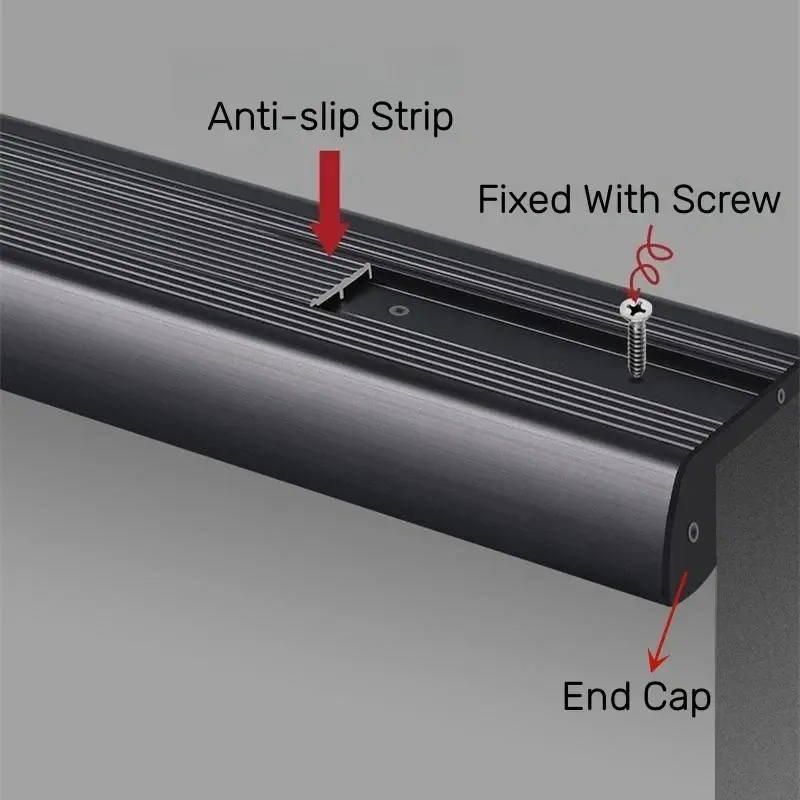
Aluminum tubes do two things: they protect the LED strips and spread the light evenly across the stairs. Protective housings like these keep dust out and make fixing more stable than adhesive-only installs. Clear plastic diffusers give off the most light, while frosted diffusers get rid of points and make the light more even.
Channels of good quality have IP65 ratings for resistance to water and come with fastening tools made for concrete, steel, and composite stair materials. Putting money into the right channels usually raises the cost of materials by 15 to 20 percent, but it lowers the cost of upkeep over time by a large amount.
Optimizing LED Stair Lighting for Safety and Energy Efficiency
To meet the needs for visibility while also saving energy, brightness settings and control methods must be carefully chosen. Modern LED technology makes it possible to customize lighting in ways that traditional lighting can't.
Brightness and Color Temperature Considerations
Commercial step lighting needs to provide enough light for safe walking without glare that makes it hard to see. As a general rule, 10 to 20 lux is the right amount of light for stairs, while higher levels are better for emergency exits. Color ranges between 3000K and 4000K make things easier to see while keeping the room at a comfortable temperature.
Motion sensors that work with dimming settings can save a lot of energy by only turning on full light when it's needed. When compared to setups with a steady output, these systems can save up to 70% of the energy used while still meeting safety standards. The technology is especially useful for 24-hour buildings that have to keep the lights on all the time, which costs a lot to run.
Regulatory Compliance and Safety Codes
Different places have different building codes, but most of them require emergency lighting and certain amounts of light for exit paths. These needs can be met by LED systems that have built-in battery backups, which also let you change the normal operation settings. When the power goes out, smart controls can instantly switch to emergency mode while keeping the controls' looks hidden.
Standards for energy economy are always changing. For example, many places now have limits on lighting power levels that favor LED technology. The high efficiency of current LED strips often goes beyond code standards by large amounts. This protects building managers who are planning long-term upgrades.
Selecting the Right LED Stair Lighting Products to Complement Hidden Installations
The choice of product has a direct effect on how well camouflage works and how well it works over time. It's helpful for commercial buyers to know about the technical details that affect both how hard the installation is and how reliable the operation is.
Waterproofing and Environmental Protection Features
When installing stairs indoors or outdoors, the amount of moisture that they are exposed to is very different. For basic dust and splash safety in business settings indoors, devices need an IP44 rating. For outdoor use, they need an IP65 rating or higher. Some underground parking garages and pool areas need marine-grade security that goes beyond what is required for business buildings.
Flexible strips can be used in setups that are bent or at an angle, which stiff options can't. But flexible choices often give up some toughness to make assembly easier. Which file to use depends on the needs of the program and how long it is expected to last. Rigid strips are usually better for commercial setups because they better dissipate heat and are more stable.
Customization Options and Control Capabilities
Dimmability lets you fine-tune the amount of light for different times of operation. In retail settings, the lighting might need to be brighter during business hours and less bright at night for safety reasons. Color temperatures that can be changed make areas that are used for different things at different times of the day more flexible.
USKYLED specializes in commercial-grade LED stair lighting solutions that address these varied requirements. Our product line includes waterproof models with professional-grade mounting tools and power settings that can be changed. The engineering team works directly with workers to figure out the best ways to set up complicated projects.
Supply Chain Reliability and Bulk Purchasing Advantages
For big jobs, you need suppliers who can keep to their shipping schedules and check the quality of their work. Well-known makers offer volume discounts that cut the cost per unit by a large amount, and they also offer technical help during the installation process. Warranty coverage is especially important for setups that are hidden and need a lot of work to repair.
The most successful business projects start working with suppliers as early as the planning phase. Through planned buying plans, this teamwork makes it possible to come up with custom solutions that solve specific problems at prices that are competitive.
Maintenance, Troubleshooting, and Long-Term Management of Hidden LED Stair Lights
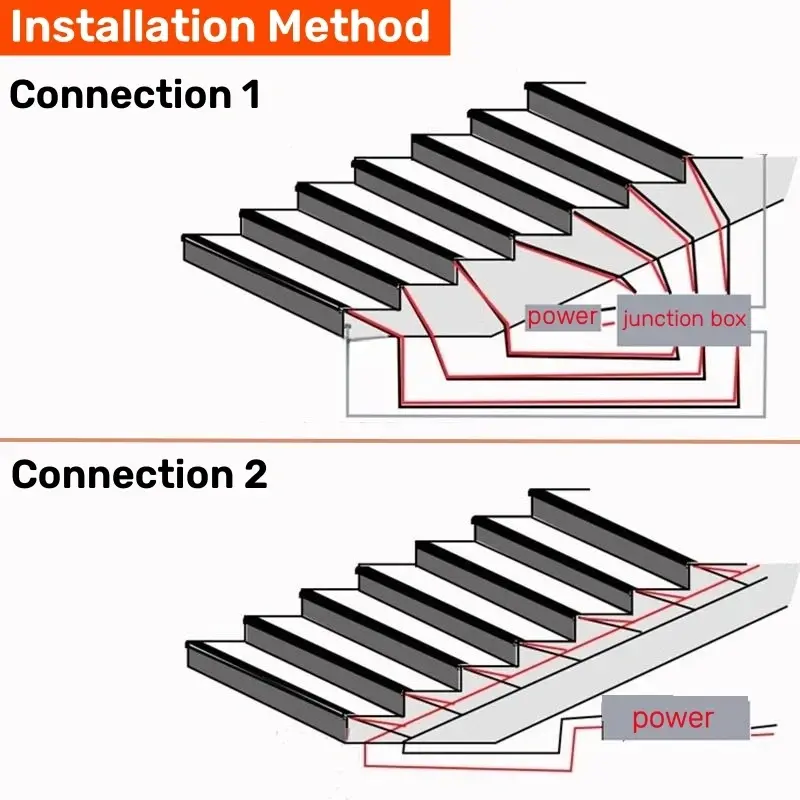
Care for concealed lighting systems is different from maintenance for fixtures that are easily accessible. Planning for long-term service needs during installation helps avoid costly access issues in the future. When integrating LED stair lighting, considerations such as removable panels, accessible wiring routes, and durable components can significantly simplify maintenance and extend system lifespan.
Preventive Maintenance Strategies
Instead of trying to look at hidden strips, routine inspection plans should focus on link points and control systems that are easy to reach. Smart tracking systems can give you troubleshooting data that lets you see problems coming up before they become major problems. These systems are worth the money because they cut down on emergency service calls and make fixtures last longer.
Temperature tracking is especially helpful for systems that are hidden, where heat buildup can speed up the wear and tear on parts. When working temperatures go above the limits set by the manufacturer, thermal monitors built into control systems can send out alerts. With this early warning feature, failures don't start a chain reaction that affects whole lighting zones.
Remote Diagnostics and Smart System Integration
Modern LED drivers have connection features that let working factors be monitored from afar. Data on voltage levels, current draw, and working temperature help building managers find ways to improve performance and figure out what repairs need to be done. When you connect it to building management systems, you get centralized control that makes big installations easier.
These high-tech features are what business lighting control will look like in the future. People who were early users say that proactive system tracking cuts maintenance costs by 25% compared to reactive repair methods. Smart integration is becoming a more appealing investment for new installs as technology keeps getting better and better.
Conclusion
To successfully hide LED stair lighting, you need to make a plan that takes into account safety concerns, aesthetic goals, and long-term upkeep needs. This guide explains tactics that help business buyers make smart choices that balance the costs of installation with how well the system works. When hidden correctly, expensive lighting purchases are kept safe and the property looks more professional, which raises its value. Today's LED technology gives us more options than ever before for making unique solutions that fit the needs of each project without sacrificing performance or dependability.
FAQ
What are the best mounting locations for hidden stair LED strips?
Recessed mounting within stair risers provides optimal concealment while delivering effective illumination. Under-nosing placement offers excellent step definition without exposing fixtures to foot traffic. Both locations require proper channels and diffusers to protect LEDs while distributing light evenly across stair surfaces.
How do I calculate the appropriate brightness levels for concealed stair lighting?
Commercial stair lighting typically requires 10 to 20 lux for safe navigation. Use a photometer to find out how much light is already there, and then add LED strips that are rated for the lumen output you found. When sizing fixtures for secret installs, you need to think about how much light will be lost through diffusers and mounting angles.
What maintenance access should be planned for concealed LED stair lighting?
Create connection places that are easy to get to at the bottom of stairs or in equipment rooms. This way, controls and drivers can be repaired without having to touch the hidden strips. Include monitoring tools that can check the system's performance from afar to reduce the need for actual inspections.
Which IP rating is appropriate for indoor commercial stair lighting?
For simple dust and moisture protection in business settings inside, an IP44 rating is usually needed. Places with a lot of humidity, like pool areas or basement parking lots, may need IP65 grades or higher. When choosing protection measures for long-term dependability, you should carefully think about how exposed you are to the surroundings.
How can smart controls enhance concealed stair lighting performance?
Motion sensors save energy by only turning on full light when they're needed. The ability to dim lets you make changes for different operating times while still following safety rules. Smart tracking gives you troubleshooting data that lets you know what repairs need to be done before the system breaks down.
Partner with USKYLED for Your Commercial LED Stair Lighting Projects
USKYLED offers professional-grade LED stair lighting options that are made to fit business hiding needs. Our engineering team offers full technical help from writing the specifications to finishing the installation. Contractors, distributors, and building managers looking for reliable LED stair lighting providers can get goods that are made to order and discounted when bought in bulk from us. Email our experts at sales@uskyled.com to talk about your project needs and find out how our creative solutions can make your business lighting systems better.
References
1. Illuminating Engineering Society of North America. "Recommended Practice for Stairway Lighting in Commercial Buildings." Technical Report IES-RP-29-16, 2016.
2. National Electrical Contractors Association. "LED Installation Standards for Commercial Applications." Professional Guidelines Series, 2018.
3. International Association of Lighting Designers. "Concealed Lighting Systems: Design and Implementation Best Practices." Industry Publication IALD-2019-04, 2019.
4. Building Owners and Managers Association International. "Energy Efficiency in Commercial Lighting Systems." Research Report BOMA-EE-2020, 2020.
5. American National Standards Institute. "Safety Requirements for Stairway Illumination in Public Buildings." Standard ANSI/NECA 102-2017, 2017.
6. LED Professional Magazine. "Advanced Installation Techniques for Architectural LED Applications." Technical Article Series, Vol. 15, Issue 3, 2021.

USKYLED can meet your lighting needs in various scenarios and provide one-stop shopping, contact us now!
Why You Should Choose USKYLED?
![What is Dimmable Track Lighting for Museum: Best Guide [2025]](/icms/upload/0d08cc601e7611f0b542b3ca0c0f4a83/pic/knowledgemanager-knowledgepic/e7879f32605f11f081911f363b8c1ed0/Directory/20250717 dimmable track lighting -1(1)_1752739217941.webp)