How to Choose Global Lighting Suppliers for Big Projects?
For big projects, choosing the right global lighting provider means carefully looking at their technical skills, service quality, and prospects for a long-term relationship. When they are in charge of business installations, public works projects, or building developments, procurement managers have to make tough choices that can affect project timelines, budgets, and performance. Because they are flexible, scalable, and energy efficient, modular rail lighting systems have become the best choice for many big projects. Compared to traditional fixed lighting, these systems are more flexible, so they can be used in a wide range of business and domestic settings and can adapt to changing design needs as projects progress.
Defining the Challenges in Procuring Lighting for Big Projects
Buying lights on a large scale comes with a lot of problems that can stop a project from succeeding if they are not properly dealt with. Inconsistencies in the supply chain are one of the biggest problems, especially when trying to coordinate orders across different stages of a project and in different countries. Quality control problems often happen when providers don't have strong manufacturing processes or good testing routines. This causes products to fail, which damages whole systems.
Supply Chain and Quality Control Issues
Global projects need providers who have managed complicated shipping networks in the past. Deliveries that don't happen on time can stop building projects in their tracks, and differences in quality between batches can make installation more difficult. According to engineering contractors and site managers, the success of a project is directly linked to how reliable the suppliers are. This is why it is so important to do a full background check.
These problems are made worse by how complicated current lighting systems are. Smart lighting integration, custom color temperatures, and unique mounting needs mean that providers need to have advanced production skills and strict quality assurance programs. When buying things for shopping stores, hotels, or office buildings, even small differences in quality can lead to expensive repairs and delays in installation.
System Compatibility and Customization Demands
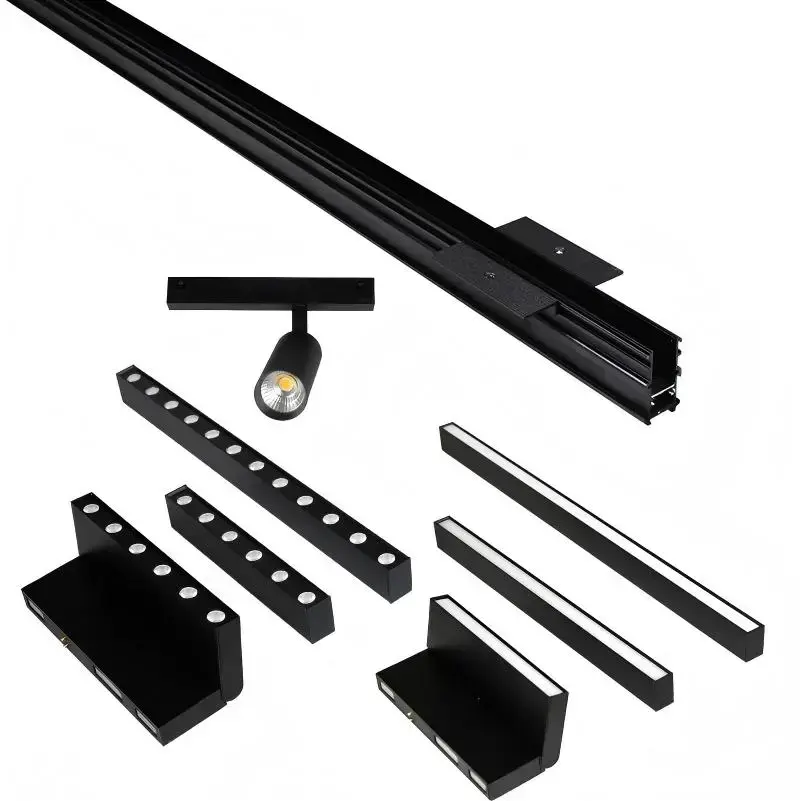
More and more, commercial lighting companies need solutions that are custom made to fit their buildings' needs and their operations. Standard lighting goods don't usually meet all the different needs of big projects, which puts pressure on suppliers to give a lot of customization choices. A lot of these problems can be solved by modular rail lighting, which comes in a variety of shapes and sizes to fit different ceiling types, room plans, and personal tastes.
It's not just about physical specs; control systems, dimming options, and interaction with building management tools are also compatible. To support the full lighting environments that modern projects need, suppliers must show that they are experts in both making hardware and making sure it works with software.
Core Criteria for Selecting Global Modular Rail Lighting Suppliers
When picking providers, you need to carefully look at their success in a number of different areas. Assessing a supplier starts with looking at their manufacturing skills, which include their production capacity, level of technological sophistication, and quality control systems. Leading sellers keep ISO-certified factories with automated production lines that make sure the quality of their products stays uniform and they can meet tight delivery deadlines.
Manufacturing Capabilities and Certifications
When figuring out production capacity, you have to look at both the current output numbers and the possibility for growth. For big projects, it's common to need thousands of fixtures supplied quickly, which requires sources with a lot of manufacturing equipment. In addition to capacity, technology progress is what sets exceptional sellers apart from commodity providers. Key differences include advanced LED chip technology, custom heat management systems, and the inclusion of smart controls.
Quality badges give an unbiased opinion on a supplier's skills. Following foreign standards is shown by UL rating, CE marking, DLC qualification, and RoHS compliance. When working on city engineering projects or public buildings where following the rules can have legal consequences, these certifications become even more important.
When looking at possible suppliers, these are the most important qualifications to check:
- UL Certification: Makes sure that electrical safety standards are met for North American markets, including measures for fire defense and shock protection
- CE marking: confirms that a product meets European standards for things like electromagnetic compatibility and environmental limits
- DLC Qualification: this confirms that LED lighting goods meet quality and energy saving standards.
- RoHS Compliance: Makes sure that dangerous materials aren't used in making, which helps achieve environmental sustainability goals.
All of these certificates show that the provider is committed to meeting international quality standards and following the rules in a wide range of global markets.
Energy Efficiency and Sustainability Focus
Performance requirements and environmental effect are both important in modern buying. Lighting that uses less energy directly lowers running costs and supports green business efforts. Suppliers that offer high-efficiency LED goods that last a long time are better value for long-term building operations.
Sustainability standards include more than just the specs of a product. They also include how the product is made and how it is packaged. Suppliers who use reusable materials and green energy in their factories show that they care about the environment in a way that meets today's standards for business responsibility.
Evaluating Supplier Services and Support for Global Projects
Service quality often has a bigger impact on the success of a project than product specs alone. Comprehensive support includes planning before installation, expert help on-site, and ongoing care programs that make sure systems work at their best throughout the span of a building.
Installation Support and Technical Services
When installing complex lighting systems in different countries, it's important to get help from a professional installer. Local contractors can get consistent results no matter where they are as long as their suppliers provide clear installation instructions, video lessons, and remote technical support. On-site help for complicated setups adds another layer of security to key project stages.
Different providers offer very different levels of responsive technical support. The best companies have help desks open 24 hours a day, seven days a week, managed by lighting experts. This level of service is very helpful for troubleshooting problems during tight building plans or figuring out if new electrical systems will work with old ones.
Global Logistics and Distribution Networks
The transportation skills of the seller are very important to the success of an international project. With regional stores and established distribution networks, you can get your packages faster and save money on shipping by combining your orders. Local relationships make it easier to get goods through customs and provide extra stock in case of sudden replacement needs.
Suppliers with a complete transportation system usually let you watch shipments in real time and let you know ahead of time about any delays that might happen. With these features, project managers can change installation plans as needed while still meeting total deadlines. Being able to split orders across different stages of a project gives you more options for complicated building schedules.
Building Trust: Case Studies and Brand Reliability
Supplier trust comes from showing that they can do a good job on a variety of projects in different areas. Well-known companies with a lot of completed projects can give you useful information about how something works in the real world and give you faith for similar uses.
Industry Leaders and Track Records
Lighting manufacturers who are well known always do a good job on business, private, and public projects. These businesses put a lot of money into research and development, which leads to new goods that meet the changing wants of the market. Their well-known brands make it easier to get approval from builders, engineers, and building owners who know what to look for.
Case studies that show how energy was saved, how well the work went, and how happy the users were are real proof of a supplier's skills. Successful remodeling of hotels, office buildings, and shopping chains show that the system can be used for a wide range of purposes and is reliable. When looking at modular rail lighting options, performance data from similar projects that have been recorded is very helpful.
Verification and Due Diligence
A thorough seller screening process includes more than just initial displays and product samples. Checking references with recent customers gives you an idea of the real quality of the service and how well it can solve problems. When you visit a factory, you can see how the products are made and how they are checked for quality, which affects how reliable the end product is.
An evaluation of a supplier's financial security makes sure that they can meet their long-term guarantee responsibilities and keep spare parts available throughout the lifecycle of a product. Credit records, proof of insurance coverage, and bank references are all concrete ways to tell if a business is healthy and can stay in business.
Practical Procurement Tips and Decision-Making Framework
Good buying strategies match the skills of suppliers with the needs of the project while minimizing the overall cost of ownership. Systematic review methods lower the risks of choosing while making sure that everyone gets the best results.
Project Categorization and Requirements Matching
Different needs apply to commercial and private projects, which affects how suppliers are chosen. In shopping stores and business buildings, people usually want high-brightness solutions with a lot of dimming options. In homes, on the other hand, people want solutions that look good and run quietly. Knowing these differences helps you evaluate suppliers and make product specifications that are more useful.
The budget includes both the original costs of buying things and the long-term costs of running the business. Energy-efficient modular rail lighting systems often pay for themselves over time by using less electricity and needing less upkeep. When figuring out the total cost of ownership, you should include things like installation work, integrating the control system, and when you expect to repair the parts.
Contract Negotiation and Risk Management
Clear terms in a procurement deal make sure that customization needs, delivery times, and performance promises are all met. Clear paperwork is needed to avoid future disagreements about warranty coverage, spare parts availability, and expert support duties. Payment plans that are linked to delivery goals protect against seller performance problems even more.
Long-term partnerships are good for both parties because they can save money by buying in bulk, get priority during times of high demand, and work together to make new products. Suppliers like to know how many orders they will get and have long-term ties with customers that allow them to spend in unique solutions and support staff.
Conclusion
When choosing global lighting suppliers for big projects, you need to look at their manufacturing skills, service quality, and the chance of forming a long-term relationship. Modern business and domestic developments have a lot of different needs, and modular rail lighting systems are very flexible and use little energy. For buying to go well, suppliers need to be reliable, come up with new technologies, and offer a wide range of support services that make sure the project runs smoothly. Procurement workers can get better lighting solutions that meet both short-term project needs and long-term facility goals by using organized review methods and building strategic relationships with suppliers.
FAQ
What makes modular rail lighting more energy-efficient than traditional fixtures?
Targeted lighting in modular rail lighting makes it more energy efficient by getting rid of useless light output. Advanced LED technology and precise optical control send light exactly where it's needed, using less power overall while keeping the right amount of brightness. Smart dimming and occupancy monitors make the best use of energy by analyzing how the area is actually used.
How can I verify supplier reliability for international projects?
Verifying a supplier's dependability means looking at manufacturing certifications, customer examples from similar projects, and the supplier's ability to handle shipping across target areas. Checking someone's financial security with credit reports and insurance records makes sure that they will be able to get help in the long run. Site visits to manufacturing sites give you a first-hand look at how quality control works and what kinds of things can be made.
Are modular solutions suitable for both commercial and residential applications?
modular rail lighting systems are very flexible and can be used in a wide range of situations. Scalable designs that can fit different room sizes and ceiling heights are good for commercial installations. For private installations, aesthetic freedom and easy reconfiguration options are great. With the ability to change color shades and dim levels, this light works well in both offices and homes.
Partner with USKYLED for Your Global Lighting Projects
USKYLED has cutting-edge modular rail lighting options made for global markets that can help you with your next big lighting project. Our cutting-edge LED technology has a high CRI, doesn't flicker, and works with smart controls, so it can handle the tough needs of both business and domestic installations around the world. Get in touch with us right away at sales@uskyled.com to talk about your needs and find out how our modular rail lighting systems can make your next building project better.
References
1. International Association of Lighting Designers. "Global Lighting Procurement Standards for Large-Scale Projects." Professional Lighting Design Handbook, 2023.
2. Building Research Institute. "Energy Efficiency Analysis of Modular Lighting Systems in Commercial Applications." Sustainable Building Technology Review, 2023.
3. American Society of Lighting Engineers. "Quality Certification Requirements for International Lighting Suppliers." Technical Standards Publication, 2023.
4. Global Construction Industry Report. "Supply Chain Management Best Practices for International Building Projects." Construction Management Quarterly, 2023.
5. LED Industry Association. "Comparative Performance Analysis of Commercial Lighting Technologies." Annual Technology Assessment, 2023.
6. International Facility Management Association. "Total Cost of Ownership Studies for Commercial Lighting Systems." Facility Operations Research, 2023.

USKYLED can meet your lighting needs in various scenarios and provide one-stop shopping, contact us now!
Why You Should Choose USKYLED?
![What is Dimmable Track Lighting for Museum: Best Guide [2025]](/icms/upload/0d08cc601e7611f0b542b3ca0c0f4a83/pic/knowledgemanager-knowledgepic/e7879f32605f11f081911f363b8c1ed0/Directory/20250717 dimmable track lighting -1(1)_1752739217941.webp)