How to Install Emergency Lights in Commercial Buildings
As a straight safety measure that saves lives during power blackouts or evacuations, putting Emergency Lights in business buildings is very important. If it's set up right, walkways, doors, and other important spots will stay lit even when the power goes out. This makes it safer for people to leave and lowers the risk of liability for building owners and managers. When Emergency Lights are set up properly, they save lives and follow safety rules. This is true in all business areas, from workplaces and office buildings to shopping malls and hotels.
Understanding Emergency Lighting in Commercial Buildings
What Emergency Lighting Systems Do?
When the main power goes out, Emergency Lights turn on by themselves, providing enough light for a safe exit. There are backup power sources for these light bulbs. Usually, they are rechargeable batteries that keep the lights on for at least the minimum amount of time needed by local rules, which is usually 90 minutes. The system checks the power source all the time and goes straight to battery mode if it feels a lack of power. This way, you'll still be seen during important times.
LED vs. Fluorescent Technology
These days, LED technology is better than fluorescent options for many good reasons. Since LED Emergency Lights use less electricity, they can light up more space with the same amount of light. Fluorescent lights get dim over time and need to be changed every 10,000 to 15,000 hours. LED units, on the other hand, stay bright for as long as they work, which is normally 50,000 hours or more. LED modules are more durable than fluorescent tubes because they are made of solid state. They can handle vibration and changes in temperature better. This means that in factories, they don't need to be repaired as often.
Regulatory Frameworks and Compliance Standards
The NFPA 101 Life Safety Code tells us what emergency exit lights should meet at a minimum in the United States. There needs to be at least 1 foot-candle of light along exit ways. There are rules in place to back up these standards. This is especially true in workplace and industrial areas where worker safety in a disaster is very important. Fire codes in your area say where things must go, how often they must be checked, and how to keep records. It is up to the purchasing teams to make sure that the products they pick have the right certifications. For emergency lighting equipment, UL 924 is the main standard, and the way the products are installed must follow both National Electrical Code (NEC) Article 700 and any local changes that have been made to it.

Step-by-Step Emergency Lights Installation Guide
Pre-Installation Planning and Site Assessment
The first step to a good installation is a careful check of the spot. Write down all the exits, stairwells, halls that meet, and places that are required by law to be lit up as you walk through the building. Find out how far apart possible bulb locations are. Keep in mind that Emergency Lights need to make sure that escape routes are always lit up, with no dark spots that last longer than the code-allowable gaps. Write down how high the roof is, what kind of surface it's mounted on, and where you can reach the electrical equipment. This is the part where the number of lights, where they will go, and whether the current electrical systems can handle extra loads are all checked. If not, connections for emergencies are made.
Power Supply Configuration Options
In business settings, one of three types of power is most often used. Central battery systems get their power from a big battery bank in a different room with tools. This makes maintenance easier, but it needs a lot of low-voltage line. Self-contained units come with their own batteries, which are built right into the light itself. Not having to deal with complicated wires is nice, but each device needs its own battery changed. Backup generators are used on generator-backed lines in case the main generator goes out. These generators need automatic transfer switches and fuel stocks.
Each way has its own pros and cons, depending on the size of the building, the budget, and the ability to keep it up. Central systems are easier to handle, which is why many large facilities with tech staff choose them. On the other hand, self-contained fixtures are easier to use and better for smaller homes.
Core Installation Process
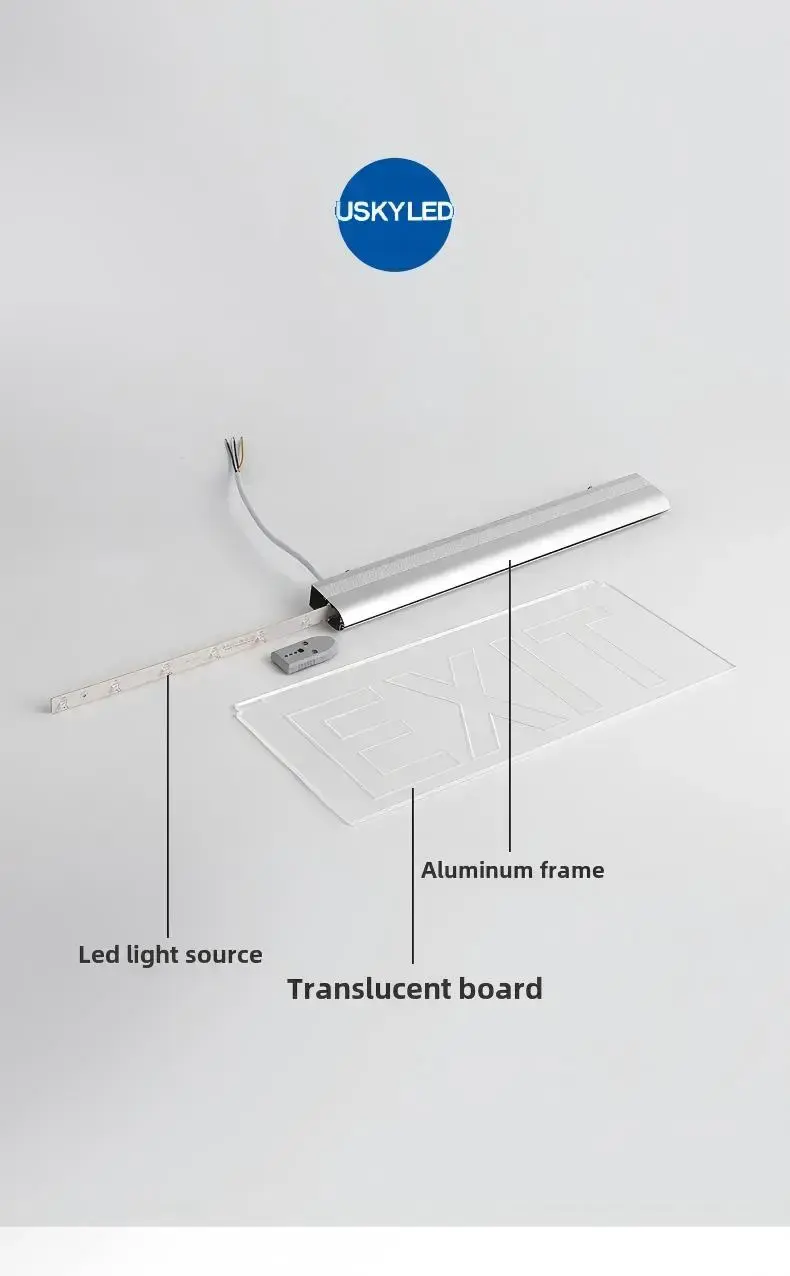
To start mounting, use the right tools to connect the fixture back plates to the structure. For example, toggle bolts work for drywall ceilings, concrete anchors for bricks, and wood screws work for mounting on joists. When you place the fixture, make sure that you can get to the battery compartment without taking the fixture off. This will make upkeep easier in the future.
The NEC tells us how to connect branch circuit lines electrically. Line voltage, usually 120V or 277V, should be connected to the device's input leads. Make sure these leads are properly grounded. Units that work on their own can use this link to charge their batteries and turn on test indicators at the same time. To keep sensitive charging electronics from getting hurt, check the direction and voltage of the circuits before you turn them on.
Start by making it look like the power went out to see how well it works. You can use the test switch that comes with most lights or turn off the circuit breaker to do this. If there is an emergency, the lights should turn on right away and stay bright. For records of compliance, write down test results along with the device IDs, installation dates, and the workers' signatures.
Post-Installation Inspection and Documentation
After the installation and tests are done, a full optical scan should be done as if there were an actual emergency. Make sure that all exits have at least 1 foot-candle of light at floor level by using a light meter. To keep track of the building, you should take shots of setups that show where fixtures are put and what areas they cover.
As-built paperwork should include wiring diagrams, fixture plans that list the make, model, and location of each fixture, battery specs, and information on how to maintain the system. In the future, service workers, inspectors, and insurance companies will need this set of papers.
Choosing the Right Emergency Light Solutions for Your Building
Emergency Lights vs. Exit Signs
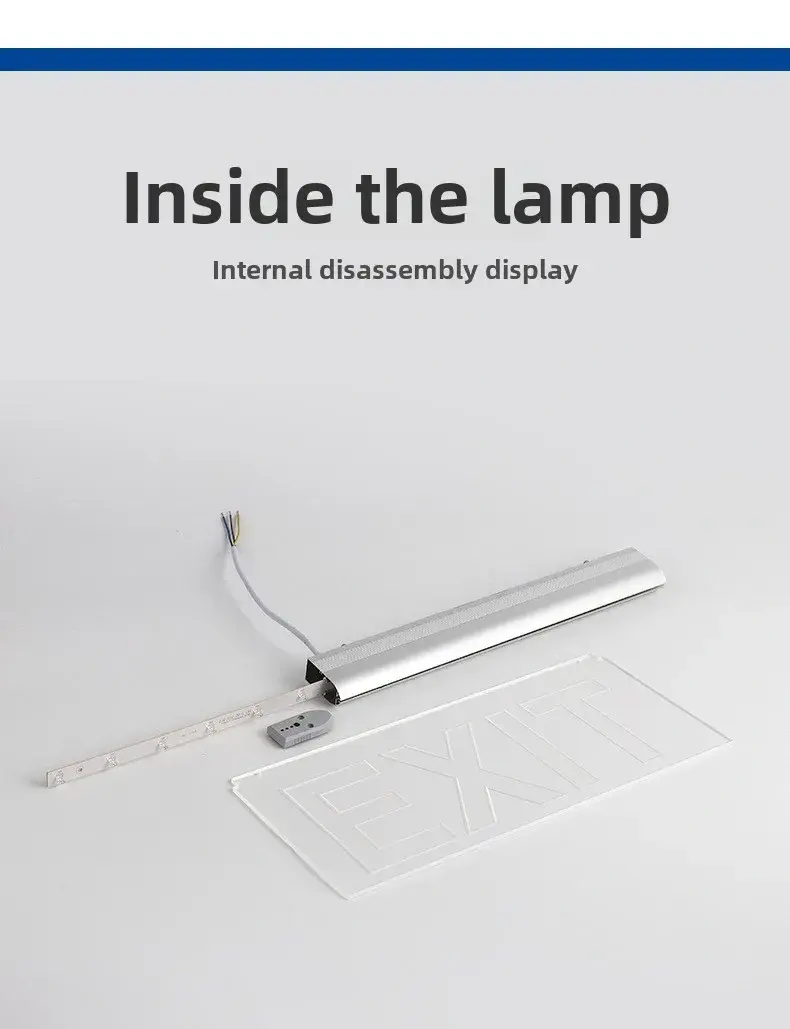
Emergency Lights and exit signs are often talked about together, but they do different things. Exit signs tell you how to leave a place and where to go next. Different types of signs either stay lit all the time or flash when there is an emergency. The Emergency Lights don't point you in a certain way; they light up a big area. They shine a lot of light into halls and other rooms so you can safely move around and avoid things.
It's best to have both exit signs and Emergency Lights. Exit signs tell you where to go, and Emergency Lights show you how to get there safely. Modern combination units have one housing that does both jobs. When installed in public places like shops or hotel halls, this makes it easier and less obvious.
Rechargeable vs. Battery-Operated Models
Emergency Lights that can be recharged slowly draw power from the building's electrical systems to keep their batteries charged. In other words, they are always ready to be used. These units work well in fixed installations where there are already wires running to them. Models that run on batteries have main cells that can be switched out. They work for short-term installations or places that don't have power, but they need to be changed often to make sure they are ready.
Wired vs. Wireless System Integration
In standard connected installations, conduit and cable runs connect each light to the electrical system in the house. Systems that are watched wirelessly have connection modules that tell central tracking platforms about the state of the fixtures. This way, the people who work in the building will know when the batteries run out or the lights go out without having to test the systems by hand. Large sites can save a lot of money on labor costs by automating paperwork for compliance and finding out when repairs are needed before they happen.
These days, wireless systems can link to platforms for building management. These platforms give facility managers, who are in charge of many properties in different areas, real-time displays that they can see from away.
LED Advantages for Commercial Applications
The extra cost of LED Emergency Lights is worth it because it has real benefits. That means your HVAC system doesn't have to work as hard, and your power bills go down. Because they last a long time—often more than ten years—they don't need to be fixed as often or keep as many parts on hand. In an emergency, being able to tell the difference between colors makes things easier to see. Screens with high color rendering scores (CRI 90+) make this possible. When businesses plan to build new buildings or make changes to old ones, they often choose LED systems over older fluorescent ones. This is because LED technology really does save you money over time, even though it costs more to buy.
Maintenance Tips and Troubleshooting for Emergency Lights
Routine Maintenance Checklist
Make a plan to review every month and use the built-in test switches to do 30-second functional tests. This short turn off keeps the batteries charged and makes sure the light works right. Run the lights for at least 90 minutes every three months as part of long-term tests to make sure the batteries are fully charged. Every year, batteries should be completely drained, and then devices that are being charged should be checked to make sure they fully charge in 24 hours.
Every six months, you should clean the lenses of your fixtures to get rid of the dust that builds up and makes the light less bright. In places where there is a lot of dust, you should clean more often to keep the eye performance. If the fixing gear is loose, it could be because the building has moved or settled. Tighten it again if needed to keep the device from moving.
Common Issues and Diagnostic Approaches
When the lights are dim in emergency mode, it's generally because the batteries are old and need to be changed. Nickel-cadmium and sealed lead-acid batteries usually lose their power after 4 to 6 years and need to be changed. If it doesn't light up at all, either the battery is dead, the charging connection is broken, or a switch has popped. Someone with skills should fix this. If the lights flicker during emergency operations, it could mean that the links between the lamps are loose or that the new lamps are not right. Never buy replacement lamps that aren't approved by the original maker. This is the only way to be sure that they work properly physically and electrically.
Battery Life Optimization Strategies
How long batteries last depends a lot on how hot or cold it is where they are. The battery life is usually accurate for installations that are in climate-controlled areas. However, features that are in unconditioned areas, like stairwells or loading docks, may need to be changed more often. In order to keep the battery from dying faster, don't put fixtures near heat sources like boiler rooms, cooking tools, or windows that let full sunlight in.
Be sure that the charging voltage stays at the right level by using good electrical connections. Make sure that there are no voltage drops caused by lines that are too small or ends that are rusted. Testing on a regular basis finds capacity loss before it happens all the way. This means that planned fixes can happen during planned maintenance instead of having to be done during emergencies.
Bulk Procurement and Installation Services for Commercial Clients
Cost Efficiency Through Volume Purchasing
Companies that run more than one building can save a lot of money by buying in bulk. If you buy in bulk and price by the unit, the cost per unit is less, and sticking to a few types makes it easier to teach techs and keep track of extra parts. You can set stable prices for projects that have many stages and last for many years by making master supply deals with makers. This protects your funds from market changes. You can also be more specific about color temperatures, housing finishes, or mounting arrangements when you place a bulk order instead of a small custom order, which would cost too much to handle because of the high production fees.
Professional Installation Service Partnerships
Professional electricians who are trained and have installed Emergency Lights before make sure the job is done right and meets all building codes. These professionals know the rules in their area, have the right licenses and insurance, and are friendly with the people in charge of inspections, which speeds up the process of getting approved. Stability is ensured at all places by working with construction companies that can do work in more than one place. Corporate building teams that are in charge of companies in different parts of the world can keep a better eye on everything when they use standard installation methods, paperwork forms, and project management.
Warranty Administration and Service Plans
Capital purchases are safe from breaking down too soon because they come with full guarantee support. If you buy fixtures from a reputable company, they will cover any problems with the parts or the work for five years. Batteries have warranties that last between one and three years because they are used up so quickly. Talk about options for longer warranties and service plans that include regular checks, new batteries, and quick fixes in case of an emergency. Make a clear list of the warranty's terms, including the parts that don't cover things like not fitting right or weather that's not what the maker said it would be. Get in touch with your vendors so that issues can be fixed quickly and there aren't too many building code complaints during work hours.
Conclusion
In the right hands, Emergency Lights systems keep people inside buildings safe and follow the rules for running a business. To install something, you need to carefully think about what you want to do, follow the rules for power, and choose the right parts for the building and its needs. When it comes to emergency lighting, LED technology has changed things because it works better, needs less maintenance, and costs less over time than older technologies. People who work in procurement and facility management can get more done when they work with experienced sellers who offer good products, good expert advice, and quick support for as long as a product lasts. These important safety systems will always be ready to go when they are needed most if they are built by professionals and cared for according to strict plans.
FAQ
Are emergency lights legally required in all commercial buildings?
There must be emergency lights in most places of business that are open to the public or have more than a certain amount of workers. Fire codes and NFPA 101 are used by building codes to decide when emergency lighting is needed. Talk to the fire inspector or building officials in your area to find out what rules apply to the type of property you have and the number of people who live there.
How often should emergency light batteries be tested?
30-second functional tests are done every month to check basic ability. Every three months, test the battery's endurance for 90 minutes to make sure it's fully charged. A full discharge-recharge operation is done once a year to make sure the whole system works. You can show that you followed the rules during checks by writing down the times, results, and steps taken to fix things for each test.
What is the typical lifespan difference between LED and fluorescent emergency lights?
The lamps in most LED emergency lights last more than 50,000 hours, which is 10 to 12 years of regular use. After that, they need to be changed. Every two to three years, fluorescent emergency lights need new tubes because the old ones only last 10,000 to 15,000 hours. LED technology saves a lot of money over the life of a building because it lasts longer and needs less maintenance.
Partner with USKYLED for Reliable Emergency Lighting Solutions
USKYLED sells Emergency Lights systems that work well and can be used in businesses all over the world. Our lights are safe to use and will last a long time because they are made to last and use cutting edge LED technology. If you need help with a project, you can email our expert team at sales@uskyled.com or call one of our safe emergency light sources. They will help you with everything, from planning to installation.
References
1. National Fire Protection Association. (2021). NFPA 101: Life Safety Code. Quincy, MA: NFPA Publications.
2. Underwriters Laboratories. (2020). UL 924: Standard for Emergency Lighting and Power Equipment. Northbrook, IL: UL Standards.
3. Illuminating Engineering Society. (2019). IES RP-29: Lighting for Hospitals and Healthcare Facilities. New York: IES Publications.
4. International Code Council. (2021). International Building Code, Chapter 10: Means of Egress. Washington, DC: ICC Publications.
5. U.S. Department of Labor. (2020). OSHA Technical Manual, Section III: Emergency Egress Systems. Washington, DC: Occupational Safety and Health Administration.
6. National Electrical Manufacturers Association. (2018). NEMA Standards Publication: Emergency and Standby Power Systems. Rosslyn, VA: NEMA Publications.

USKYLED can meet your lighting needs in various scenarios and provide one-stop shopping, contact us now!
Why You Should Choose USKYLED?
![What is Dimmable Track Lighting for Museum: Best Guide [2025]](/icms/upload/0d08cc601e7611f0b542b3ca0c0f4a83/pic/knowledgemanager-knowledgepic/e7879f32605f11f081911f363b8c1ed0/Directory/20250717 dimmable track lighting -1(1)_1752739217941.webp)