What Does an LED Driver Do
An LED driver is a special kind of power supply device that controls the amount of current and energy sent to LED lighting systems. The LED driver is different from other power sources because it changes incoming AC power into the exact DC output that LEDs need. This keeps the LEDs safe from voltage and current changes that could cause them to fail early. This part keeps the brightness constant, increases the life of the fixture, and makes sure that business, industrial, and architectural lighting systems use the least amount of energy possible. Understanding how LED drivers work is important whether you're in charge of remodeling a hotel or looking for parts for outdoor lighting. It helps you choose reliable solutions that meet project requirements and performance standards.
What Is an LED Driver and How Does It Work?
The Core Function of Power Regulation
Any LED driver's main job is to change the switching current in your building's power grid into the direct current that LED chips need. This conversion process uses complex electronics that keeps the output stable even when the input energy changes. When grid voltage changes during times of high demand, a good driver keeps the current flowing steadily. This stops flickering or dimming that can be seen and is annoying for people in business areas.
Constant Current vs. Constant Voltage Designs
The market is mostly made up of two basic designs. Constant current drivers keep the output amperage constant while letting the voltage change within a certain range. This makes them perfect for high-power devices like street lights and industrial high bays. Constant voltage drivers give off a steady voltage, usually 12V or 24V, while current changes depending on the load. This is good for installing LED strips and making signs. To keep the system running smoothly, procurement managers should make sure that the driver type matches the LED setup listed in the light datasheet.
Precision Control for LED Health
Modern LED drivers have microprocessor-based controls that constantly watch electrical factors, which is different from the old ballasts used in fluorescent systems. Modern models can tell when the temperature changes and change the power to keep things from getting too hot. This smart rule saves big investments in lighting infrastructure, which is especially important for city projects where getting to upkeep areas is hard and costs a lot of money. The driver basically works as a wall to keep unstable grid conditions away from sensitive semiconductor parts.
Types of LED Drivers and Their Applications
To choose the right LED driver technology, you need to know how the different designs work with different system settings and control needs. Here are the main types of situations that buying workers face:
- Dimmable Drivers: These units can work with 0-10V, DALI, or PWM dimming methods, which lets them connect to building control systems. The lighting in guest rooms can be changed from bright work lighting to soft atmospheric lighting, which is very helpful for hospitality projects. We've teamed up with hotel groups that need dimming changes that are smooth and don't make noise or flicker in hundreds of guestrooms.
- Waterproof and Weatherproof Models: Drivers with an IP67 rating have sealed housings that keep internal parts from getting wet. This is important for outdoor garden lighting, parking structure lighting, and marina installs. These units can work in temperatures ranging from -40°F to 140°F, keeping their performance even during hard winter and summer conditions that would damage regular drivers.
- High-Power Industrial Variants: Drivers that can power 150W to 600W lights and handle heat very well are needed in commercial warehouses and factories. Active cooling systems and strong surge protection up to 10kV are built into these types to deal with the electrical noise that is common in heavy industrial settings.
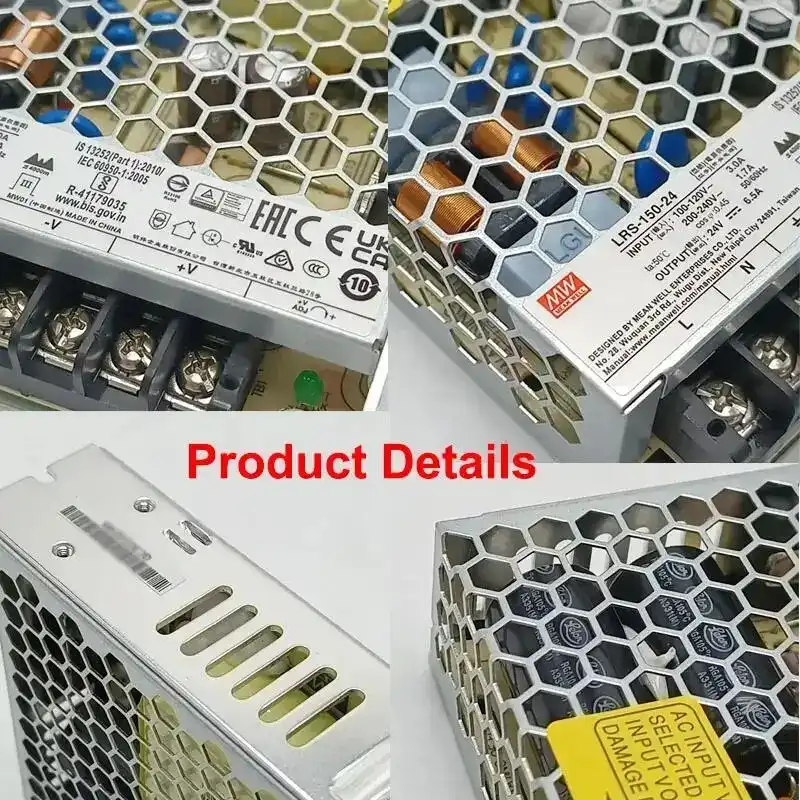
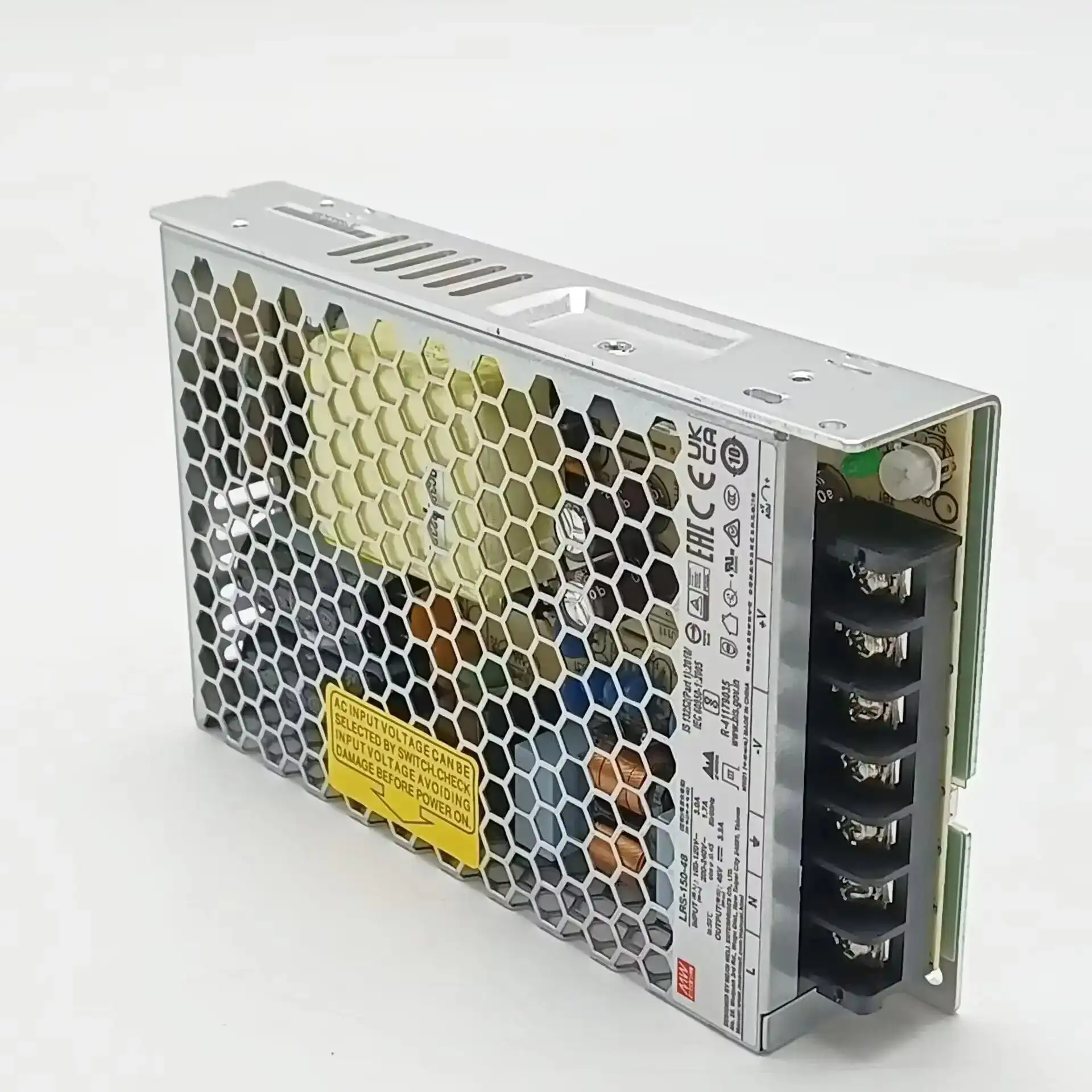
There are big differences between manufacturers in the technical specs. Mean Well and Philips are the most reliable companies in their fields, with full warranty coverage and world expert help networks. When looking at buying in bulk for big projects, looking at the image of the brand along with technical datasheets helps avoid expensive mistakes in the field and delays in the project.
Most street lighting systems need constant current drivers that are rated IP66 and have programmable output curves so that they can work with the dimming plans set by each town. Track lighting systems for stores work best with small constant voltage drivers that are hidden inside the track channels. Knowing these application-specific needs helps engineering managers choose parts that workers can quickly set up without having to make any changes in the field.
Benefits of Using an LED Driver in Your Lighting System
Extended Service Life and Reduced Maintenance
When LED drivers are properly matched, they get rid of the electrical stress that breaks down LED phosphors and semiconductor joints. Independent tests show that LED systems with good drivers have L70 scores that are higher than 60,000 hours. This is the point at which light output drops to 70% of its starting level. This means that repair workers will be needed less often, which is especially helpful for sites that are in charge of hundreds of fixtures in several buildings. The difference in performance between 50,000 hours and 30,000 hours is equal to years' worth of replacement costs that have been put off.
Measurable Energy Efficiency Gains
High-efficiency drivers turn at least 90% of the power that comes in into useful LED output, so as little heat as possible is lost. This efficiency grows with larger installs. For example, replacing 500 fluorescent light fixtures in an office building can save more than $15,000 a year in energy costs compared to older fluorescent systems. The lower thermal load also lowers the need for HVAC in climate-controlled areas, which creates extra cost savings that weren't considered in the original ROI estimates.
Comprehensive Protection Features
Modern drivers have a lot of safety features that keep things from going wrong badly. Over-temperature safety cuts off output automatically before parts get too hot and break. Short circuit safety keeps faults from tripping building circuit breakers, so other lighting zones can keep working. These features cut down on emergency service calls and the overtime pay costs that come with them, which put a strain on budgets for building care.
Design Flexibility Through Dimming Capability
Supporting fading protocols opens up a lot of design options. Architectural lighting designers use adjustable systems that change the color temperature throughout the day. This helps researchers study circadian rhythms in schools and hospitals. Lighting sets can be programmed in stores to highlight items during busy buying times and dim down during restocking times. This saves energy without affecting the customer experience.
How to Choose the Right LED Driver for Your Business Needs?
Electrical Parameter Matching
First, make sure that the input voltage works with the rest of your building's systems. For example, in North America, projects usually need 120-277VAC universal input LED drivers to work with a variety of circuit setups. The output specs must exactly match the fixture requirements. The total wattage capacity should be 10–20% higher than the attached load so that the system doesn't run at full capacity, which wears out parts faster. To avoid under- or over-driving, make sure that the output current rate matches the LED array specs to within ±5%.
Environmental Protection Requirements
Ingress protection grade needs depend on where the installation is going to be done. Drivers with an IP20 rating can be used in offices inside, but drivers in parking areas need to be at least IP65 rated so they can handle being exposed to water and drains. Circuit boards that are conformally covered and don't rust in salt air are needed for installs near the coast. When environmental factors weren't properly considered during design, we've seen buying choices that were based only on the initial cost lead to full driver replacements within 18 months.
Control System Integration Considerations
For projects that use lighting settings, the drivers need to be able to work with certain standards. DALI-2 approval makes sure that parts from different makers can work together, which saves time and trouble during commissioning. Drivers with extra power outlets for sensor units may be needed for wireless control systems. If these requirements are made clear during purchase, installation teams won't have to do expensive repairs after finding problems.
Supplier Evaluation and Bulk Pricing Strategy
In addition to technical specs, you should also check to see if the seller can meet your project's volume and schedule needs. Reliable manufacturers keep enough stock in their warehouses to support phased building schedules without causing delays. When setting bulk prices, they should reflect real discounts at amounts that are relevant to the project. Price breaks of 250 and 1,000 units are more important than single-piece retail pricing. Payment terms, shipping procedures, and how quickly technical help responds are what set sellers that can support multi-site rollouts apart from simple component vendors.
Troubleshooting Common LED Driver Issues
Identifying Performance Problems
Flickering usually happens when non-dimmable LED drivers are connected to dimming controls, which means the power quality is bad or the dimmer isn't compatible. Early dimming could mean that the heat protection has been activated because there isn't enough air flow around the driver cage. Complete failure usually happens when input power spikes are stronger than the surge protection rates or when older units' capacitors reach the end of their useful lives. Maintenance teams should write down trends of symptoms to find systemic problems instead of random fails of parts.
Systematic Diagnostic Approach
Check the input voltage at the driver leads with accurate multimeters to start troubleshooting. Voltage drops when connections aren't tight, which looks like the driver isn't working. Check that the control is within specs by measuring the output voltage when the load is on it. Thermal imaging finds drivers that are running above their rated temperatures, which could mean that there are problems with airflow or that the system is overloaded. This thorough approach keeps you from replacing parts that aren't needed and finds problems with the fitting that need to be fixed.
Replacement Decision Criteria
If several drivers in a project batch fail, it could be because the specifications don't match up, not because of problems with the manufacturing. Check to see if the working conditions (such as the temperature, duty cycle, or electrical surroundings) are higher than what is allowed. Quality drives from well-known brands should last 50,000 hours or more; problems before 20,000 hours should be looked into to find the root cause. This process is made easier when you work with makers that offer strong technical support and warranty coverage. This is because engineering teams can look at data from the field to find trends.
Preventive Maintenance Strategies
Unexpected breakdowns can be avoided by checking the end connections, ventilation gaps, and visible signs of overheating on a regular basis. During building walkthroughs, thermal imaging scans find problems before they become outages. Keeping an inventory of spare drivers that match the top three models that are already installed lets you change them quickly, cutting down on the time that critical places are dark. With these steps, reactive repair is turned into proactive system management.
Conclusion
Knowing what LED drivers do and how they protect your lighting investment can help procurement professionals, engineering managers, and building heads choose the right specifications to get the best performance and lowest total cost of ownership. The driver's job is more than just changing the voltage. It also protects the system, uses energy efficiently, and allows for the flexible design that modern business projects need. Making sure that the right driving technology is used for the job, taking into account things like the surroundings, how the controls will work together, and quality standards, makes sure that installations work as planned for the whole time they are supposed to. When you work with knowledgeable sellers who offer expert advice and reliable product support, choosing drivers goes from being a simple purchase to a strategic choice that helps the project succeed.
FAQ
What is the difference between constant current and constant voltage drivers?
Constant current LED drivers keep the output amperage constant even when the voltage changes. This makes them perfect for lights with series-wired LED arrays that need precise current control. Constant voltage drivers provide a steady voltage, usually 12V or 24V, while current changes depending on the load attached. These drivers are perfect for LED strips and flexible systems that are wired in parallel. Which type gives the best performance and safety depends on the application.
Can I use a standard power supply instead of an LED driver?
Standard power sources don't have the current control and safety functions that LED drivers do. To keep LEDs from overheating and to keep the light constant, careful current control is needed. Some low-voltage power sources may look like they can be switched out for constant voltage drivers, but they usually don't have the dimming features, thermal safety, or tight control that makes LEDs last longer. Using the wrong power sources can void the warranty on fixtures and put people in danger.
How long do LED drivers typically last in commercial installations?
Good drivers from trustworthy companies can work for 50,000 to 100,000 hours under normal conditions. However, their real lifespan will depend on things like temperature, air flow, and electrical stress. When drivers are used at 75% of their maximum capacity in well-ventilated areas, they often last longer than their rated life. On the other hand, drivers that are used in hot, tight places may need to be replaced sooner. Longevity and upkeep costs are directly affected by how well the product is specified and installed.
Partner with USKYLED for Reliable LED Lighting Solutions
USKYLED sells full business lighting systems with high-quality parts that meet the strict needs of North American builders, distributors, and project managers. Our industrial linear lights, magnetic track systems, and architectural luminaires all use high-efficiency LED drivers from well-known brands to make sure they work well and last a long time. We offer full expert support during the whole planning process of the project, helping you choose options that are compliant and fit the exact installation conditions. Email our team at sales@uskyled.com to talk about getting LED drivers in bulk and getting lighting options that are specifically designed for your project.
References
1. Illuminating Engineering Society. LED Systems Reliability Consortium: Driver Lifetime Testing Protocols, 2021.
2. Department of Energy, Office of Energy Efficiency & Renewable Energy. Solid-State Lighting Technology Fact Sheet: LED Drivers and Power Supplies, 2022.
3. International Electrotechnical Commission. IEC 61347-2-13: Lamp Controlgear – Part 2-13: Particular Requirements for DC or AC Supplied Electronic Controlgear for LED Modules, 2020.
4. National Electrical Manufacturers Association. ANSI C82.16-2020: American National Standard for LED Drivers – Self-Ballasted Lamps and Retrofit Applications, 2020.
5. Lighting Design Lab. LED Driver Compatibility with Controls: Testing Results and Best Practices, Pacific Northwest National Laboratory, 2019.
6. American Lighting Association. Commercial Lighting Specifications Guide: Driver Selection and Application Criteria, 2023.

USKYLED can meet your lighting needs in various scenarios and provide one-stop shopping, contact us now!
Why You Should Choose USKYLED?
![What is Dimmable Track Lighting for Museum: Best Guide [2025]](/icms/upload/0d08cc601e7611f0b542b3ca0c0f4a83/pic/knowledgemanager-knowledgepic/e7879f32605f11f081911f363b8c1ed0/Directory/20250717 dimmable track lighting -1(1)_1752739217941.webp)