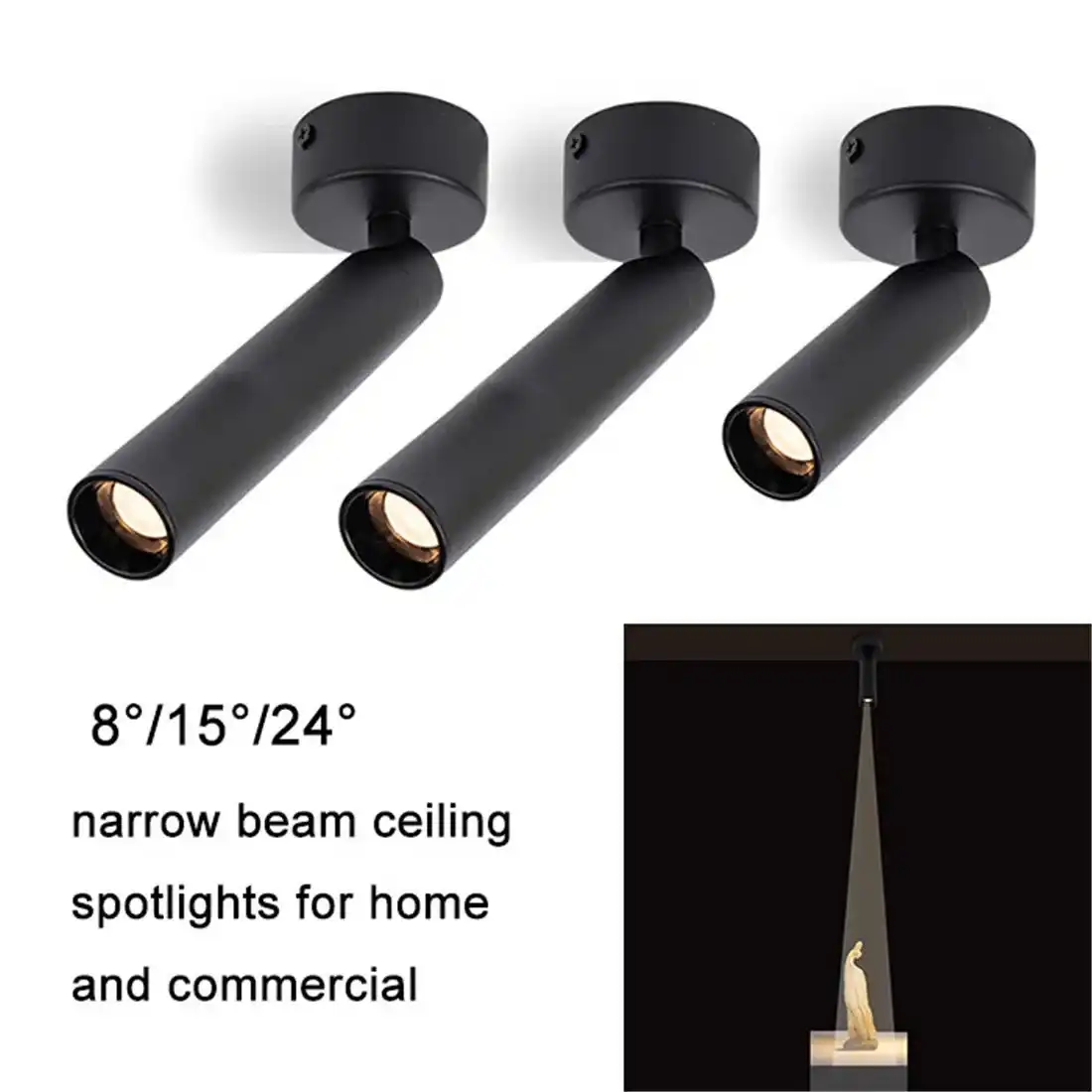
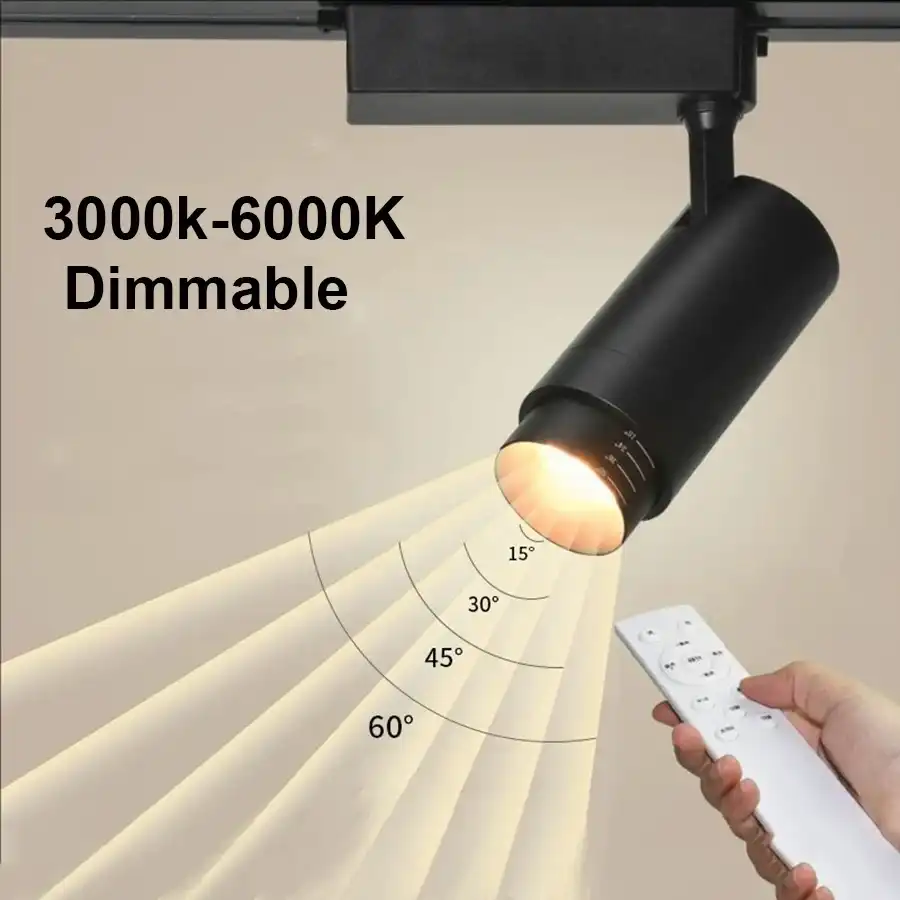
How to Choose Modern Design Wall Lamps Bedroom
Picking the right wall lights for your bedroom can change both how it works and how it feels. Modern wall lamps use LED technology that saves energy and looks good at the same time. They are easy to install and have smart settings that let you change the brightness. When choosing lights, make sure the quality by looking at the lumen output, color temperature choices, mounting compatibility, and source certifications. Taking these things into account helps get the right atmosphere while staying within project budgets and deadlines for hotel, home, and business settings.
Understanding Modern Wall Lamps for Bedrooms
Modern wall lamps are a big step forward in lighting design because they combine improved usefulness with beautiful design. These solutions meet more than one need at the same time. They provide enough light while saving important floor and nightstand room in homes and businesses.
Defining Characteristics of Contemporary Wall Fixtures
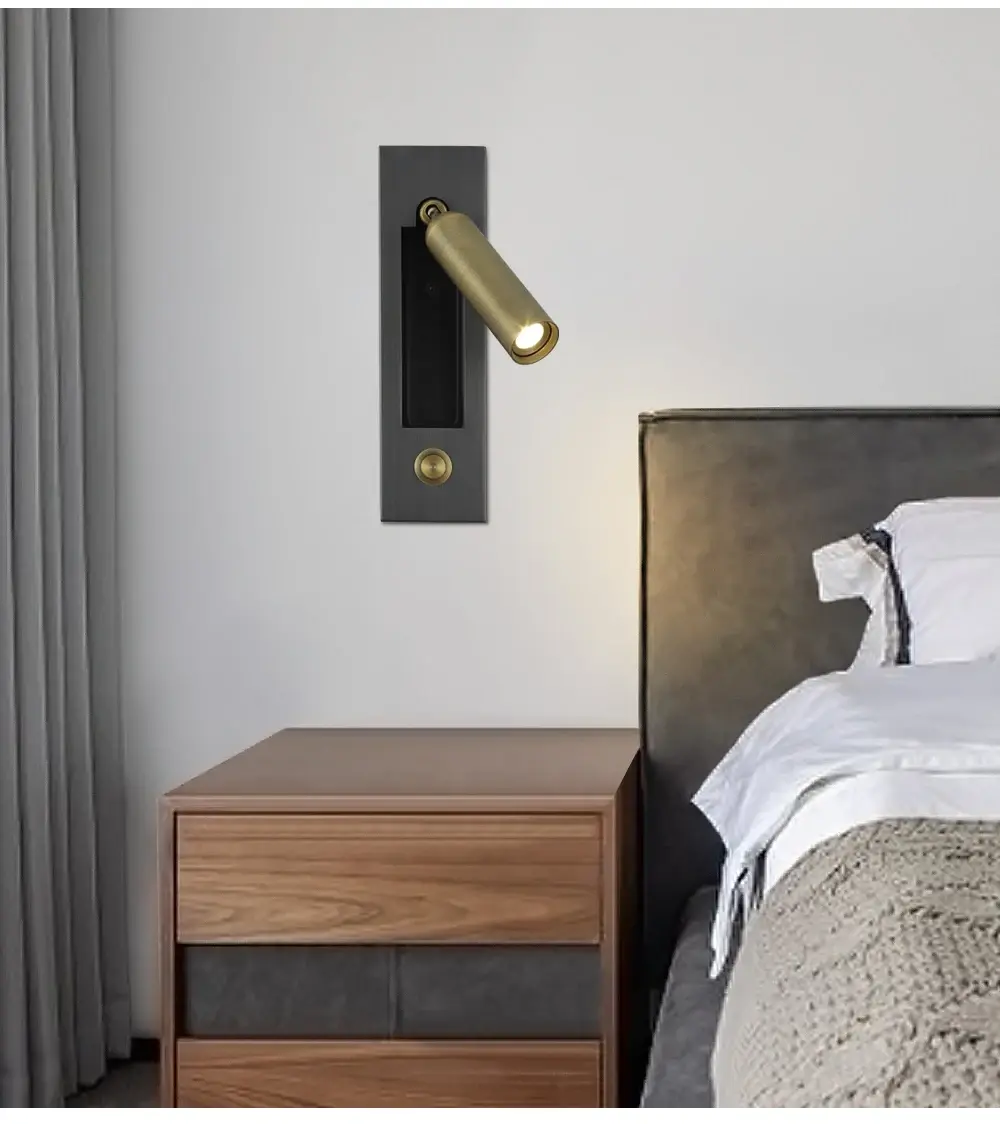
These days, wall-mounted bedroom lights have slim designs with built-in LED panels instead of big housings. Materials like smooth metal, matte steel, and mirrored glass make things look nice without taking over the look of the bedroom. Flicker is eliminated by advanced driving technology, which protects eye health during long viewing sessions. Many units come with USB charging ports, so users who need to charge their devices can do so without having to buy extra cables.
Color rendering index (CRI) scores above 90 mean that colors are accurately perceived. This is especially important in hotel rooms and high-end home projects where the integrity of the interior design is very important. Users can change the brightness of the lighting from 10% to 100%, making it suitable for a range of activities, from reading to relaxing. In business setups, these technical details have a direct effect on how happy end users are.
Space-Saving and Energy Efficiency Benefits
With wall-mounted lights, you don't need bedside tables just for putting lamps on, which lets you arrange your bedroom in more ways. In boutique hotels and small flats in cities, where every square foot is important, this benefit is especially useful. Energy use is usually between 5W and 12W per light, and they give off 400–900 lumens while using much less power than traditional 40W–60W incandescent bulbs.
Savings on operational costs add up quickly for projects with more than one room. If a hotel with 100 rooms switches from traditional bedside lamps to LED wall lights, the yearly power costs for lighting could go down by about $8,000 to $12,000. This is based on normal usage trends and utility rates in the area. LED parts usually last between 30,000 and 50,000 hours, which makes upkeep work and part replacement costs even lower in large-scale operations.
Ambient Versus Task Lighting Functions
Figuring out what the lighting is for helps you choose the right fixtures. Ambient wall lights give off general light and are usually mounted 60 to 66 inches above the finished floor to spread soft, diffused light throughout the bedroom. Most of the time, these fixtures have clear shades or upward-pointing beams that bounce light off of walls to make vision good enough for everyday use.
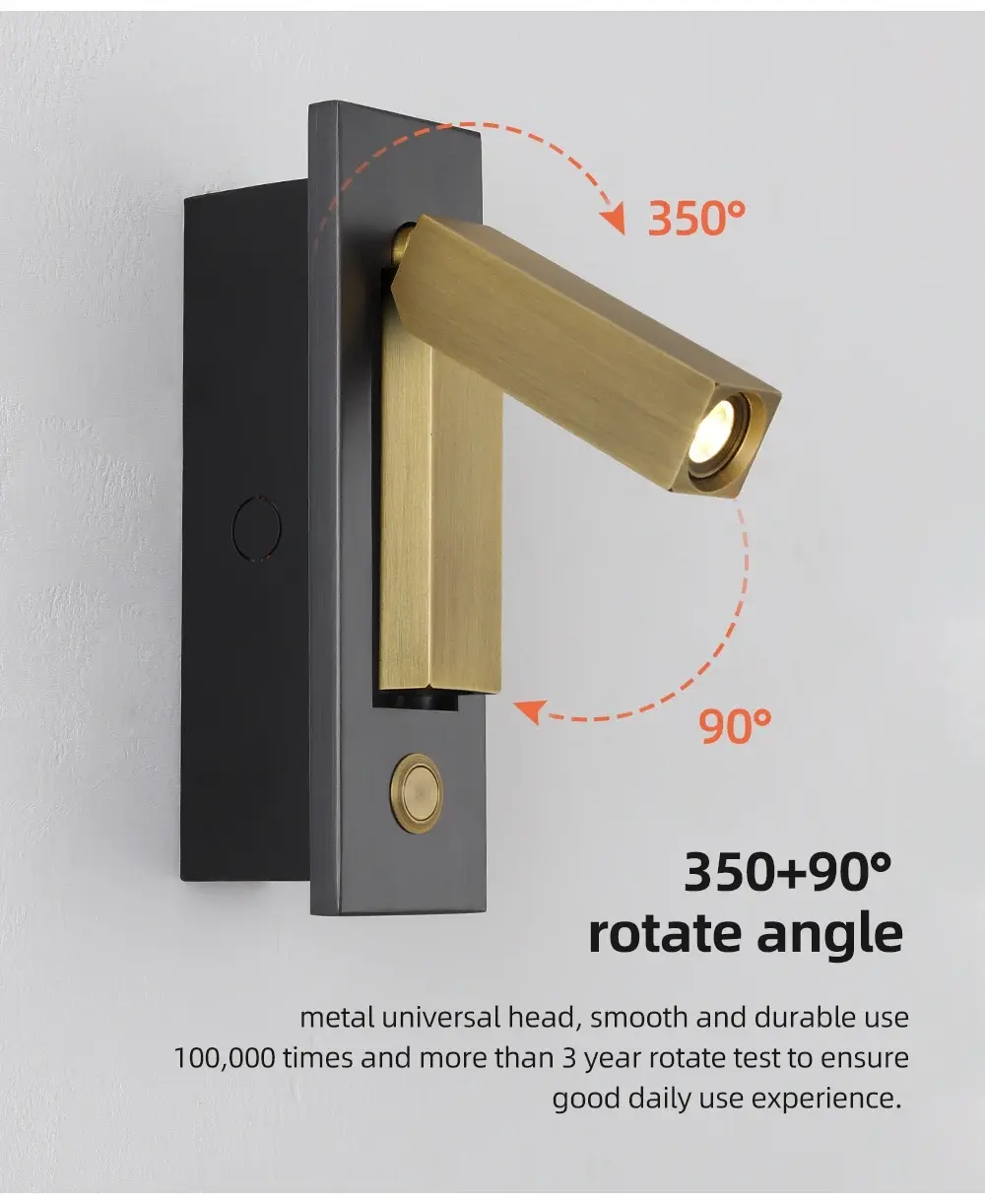
Task-oriented reading lights are usually 48 to 54 inches high and set lower. They focus their beams on specific places. With adjustable arm designs, users can put the light exactly where they need it without bothering their partners. Some high-tech models have two modes: broad ambient lighting and focused work lighting. You can switch between them using touch controls or smartphone apps, so you can get the most out of a single bulb.
Key Criteria for Choosing Modern Wall Lamps for Bedrooms
Systematic evaluation stops design mistakes that cost a lot of money and hurt the results of a project. The following approach helps procurement workers find a balance between different objectives, such as usefulness, aesthetics, and Modern wall lamps price.
Brightness and Color Temperature Selection
The amount of lumens should match how they are meant to be used. In bedrooms that are 120 to 180 square feet, ambient lights usually need 300 to 500 lumens per unit. Reading lights need a stronger light, generally between 400 and 700 watts focused in a 24-inch circle. Too much light makes people uncomfortable and wastes energy, while not enough light makes users angry and leads to complaints in dining settings.
Color temperature has a big effect on how a room feels. Warm, calm tones can be found in beds and hotel guest rooms with measurements between 2700K and 3000K. In serviced flats or long-stay places where people do work, temperatures between 3500K and 4000K are better. People with different tastes can use tunable white light bulbs with 2700K to 5000K settings, but they cost 15% to 25% more than fixed-temperature options.
Energy Consumption and Operational Costs
Wattage has a direct effect on both HVAC loads and energy costs. About 3.4 BTUs of heat are made by each watt of lights, which air conditioners have to fight in the summer. If you choose 8W LED hanging lamps over 15W options, the heat gain is cut by 24 BTUs per bulb. This is a big difference when you add up the savings for hundreds of hotel rooms or apartment units.
To find the total cost of ownership, you have to look at the purchase price, the work costs for installation, the amount of energy used over the expected lifespan, and how often the item needs to be replaced. A $45 fixture with a 40,000-hour life and a 9W draw rate usually has a better five-year return on investment (ROI) than a $30 fixture with a 15,000-hour life and a 14W draw rate, especially when maintenance labor costs for early repairs are taken into account.
Design Compatibility and Aesthetic Integration
Fixtures and interior design that go together visually avoid jarring mistakes that make the room look less good. Linear fixtures with clean lines and gray finishes look great in modern bedrooms with a Scandinavian style. Industrial loft conversions work well with designs that have gear that can be seen and LED lights that look like they came from Edison. Curved arms and alabaster-style diffusers are often good for Mediterranean or transitional rooms.
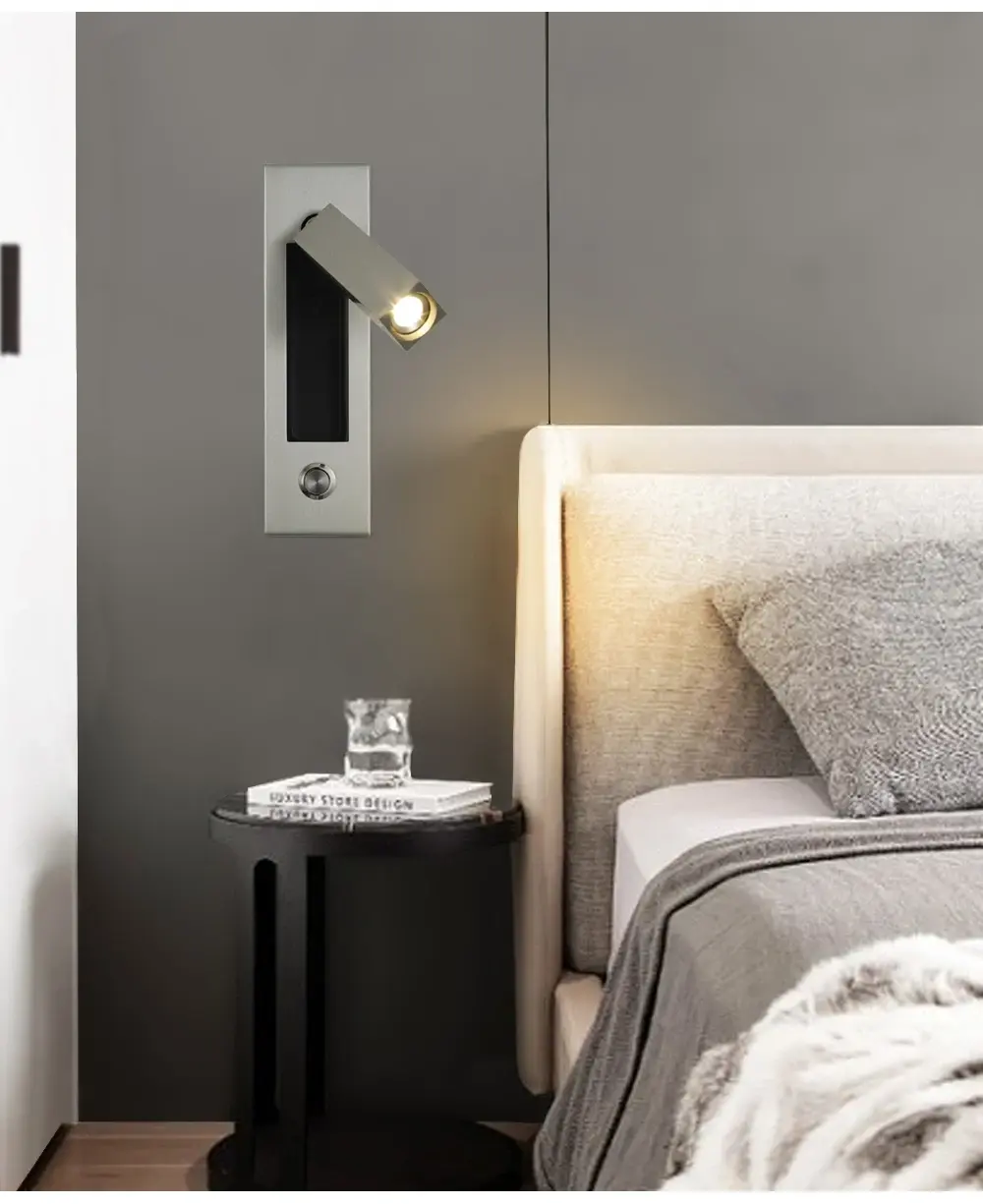
When cleaning staff wipe down surfaces often in a business setting, finish durability is important. Powder-coated metals are less likely to chip than painting metals. Matte black and brushed nickel finishes have been treated to make them less likely to show fingerprints. This keeps the look of the finish between deep cleanings. In hotels and rented properties, these practical issues affect the long-term upkeep of the property's appearance.
Supplier Reliability and Certification Standards
Checking the qualifications of the manufacturer guards against problems with quality and compliance. UL or ETL listings show that electricity safety standards in North America are being met, which is important for insurance and building code purposes. Energy Star approval shows performance standards and levels of efficiency. RoHS compliance makes sure that limits on dangerous substances are followed, which is becoming more and more important for projects that care about the environment and for meeting some city buying requirements.
A production capacity review keeps big orders from not being delivered on time. Suppliers should show that they can meet minimum order numbers within project timelines, which are usually 4–8 weeks for standard products and 8–12 weeks for special goods. Ask for examples from similar projects. For example, a maker that successfully delivered 500 units to a hotel chain shows trustworthiness that sellers of single-unit homes can't match.
Installation and Maintenance Tips for Modern Wall Lamps
Installing Modern wall lamps correctly saves safety, makes sure it meets code, and extends the life of the device. These things are especially important in business settings where responsibility and keeping operations running smoothly are very important.
Electrical Standards and Mounting Requirements
Wall lights need to connect to switch boxes that are rated for their weight and type of use. Boxes that can hold at least 50 pounds are needed for most bedroom setups, but most current Modern wall lamps only weigh 2 to 6 pounds. Boxes should mount flush with finished wall surfaces or slightly set back so that bulb backplates fit without gaps.
When installing more than one device, circuit planning is important. In bedrooms, 8 to 12 LED wall lamps can usually fit on a 15-amp line before it reaches the 80% capacity limit that electrical codes require. Not all dimmers work well with all lights, which could lead to buzzing, blinking, or limited dimming ranges. Dimmer switches must match LED driver compatibility. These usual problems can be avoided by specifying ELV (electronic low voltage) dimmers that are made to work with LED loads.
Strategic Placement for Maximum Efficiency
Positioning has a huge effect on both how well something works and how much energy it uses. Mounting reading lights 18 to 24 inches above the height of the mattress gives you the best light without any glare. In king and queen beds, fixtures should be placed 48 to 60 inches apart on the headboard walls to create even lighting. If you put something right above pillows, the light will make it hard for people to lie on their backs.
In guest rooms and rented homes where lights are often left on when they're not needed, pairing wall fixtures with occupancy monitors or smart settings can help save energy. Motion-activated night lighting modes that use only 1-2W make it safe to move around without turning on all the lights. This is especially helpful in hotel settings where guests who aren't familiar with the room layouts need to use the bathroom at night.
Routine Maintenance and Troubleshooting
Modern wall lamps don't need as much care as traditional lights, but they should still be checked on every so often to keep them working at their best. Over the course of 12 to 18 months, dust building up on diffusers and heat sinks lowers the light output by 10% to 20% in most bedrooms. Cleaning every three months with microfiber cloths keeps things bright without scratching the finish or leaving behind dust.
If the light flickers, make sure the dimmer is compatible before thinking the bulb is broken. Electrical worker groups say that replacing dimmers that don't work with LEDs fixes 60% to 70% of performance problems. When mounting screws are too loose, connections go out every once in a while. This simple problem doesn't need to be fixed by calling for service in business buildings because the hardware is tightened up every year.
Comparing Modern Wall Lamps with Traditional Alternatives
Understanding the differences in performance between older and newer Modern wall lamps helps remodeling projects and new building standards make the case for spending more on upgrades.
Design Evolution and Aesthetic Advantages
Traditional wall sconces usually had fancy hardware, fabric shades, and features that stuck out 8 to 12 inches from the wall. These designs washed up a lot of dust, needed new shades often, and didn't match the look of modern bedrooms. Modern wall lamps usually only stick out 3 to 6 inches, have built-in LEDs that remove the need to change bulbs, and are made of materials that don't need much maintenance.
The effect on the eye goes beyond individual lights. Modern wall lamps that work well together makes rooms look better, which is why hotel guests regularly rate them higher on happiness surveys. When hotels make major changes to their lighting, the number of good online reviews that talk about room comfort and atmosphere goes up by 8 to 12 percent. This is closely related to the number of bookings that come in.
Functional and Energy Performance Improvements
75% to 85% of the power used by incandescent and CFL wall lights was wasted as heat instead of light. LED alternatives turn about 85% to 90% of their energy into light, giving off the same amount of light while using only one-sixth as much power. For normal home use, this difference in efficiency saves $4 to $7 a year per outlet, or $400 to $700 a year for a hotel with 100 rooms.
The ability to integrate smartly is another big step forward in functionality. Modern wall lamps with Zigbee, Z-Wave, or WiFi connection work with building management systems. This lets you control, schedule, and watch energy use from one place, which isn't possible with older lights that were only wired. Property managers can change lighting sets from afar, fix problems without having to go to the property, and make usage reports that help them get sustainability certifications.
ROI Considerations for Upgrade Projects
To figure out return on investment, you have to weigh the total costs against the real rewards. It costs about $180 to $240 per room for materials and work to replace two old bedside lamps with Modern wall lamps in a normal hotel bedroom. If you save $15 to $22 a year on energy costs and $8 to $12 a year on upkeep work, the project will pay for itself in 6 to 8 years, and that's before you take into account perks like happier guests.
In business real estate, changes in property value are important. According to studies of the real estate industry, multifamily homes with new lighting systems attract 3% to 5% higher rents in competitive areas. This benefit usually covers the costs of upgrades, even if there are no practical saves. This is especially true when repositioning tactics are aimed at higher-income tenants.
How to Source and Procure Modern Wall Lamps for Bulk Purchases?
To successfully buy Modern wall lamps on a big scale, you need to evaluate suppliers in a planned way and write down clear specifications. These steps keep project delays and quality disagreements to a minimum.
Vetting Manufacturers and Quality Certifications
Check the necessary certifications as the first step in evaluating a seller. In North America, projects need to have UL or ETL listings that show they meet electricity safety standards. The CE mark shows that a product meets European standards, which is important for companies that sell to customers in more than one country. DLC certification shows levels of economy that qualify for utility refund programs. In participating regions, these rebates could cover 15% to 30% of the costs of fixtures.
Over-commitment problems can be avoided by figuring out the manufacturing capacity. Ask for certifications of the plant, such as ISO 9001 quality control paperwork, and find out how much is made each month. Suppliers that make more than 50,000 units a month have the scale to work with hotel groups and big housing developments. Smaller businesses, on the other hand, may be better suited for small projects that need a lot of customization.
Pricing Structure and Volume Discounts
Usually, bulk price is based on a system of levels. Orders of more than 100 units often get savings of 12 to 18% compared to orders of less than 100 units. Discounts of 20% to 28% may be available for orders over 500 units, but these levels depend on the maker and the complexity of the product. To make true comparisons, you should ask for specific quotes that break down unit costs, tooling fees for custom designs, shipping costs, and payment terms.
How payments are made affects the cash flow of a project. Standard terms usually call for 30% to 40% down payments, with the rest due before the goods are shipped. However, repeat buyers can negotiate net-30 or net-60 terms after showing they can be trusted with their money. When building a house in stages, where lighting is installed months after the first purchase, longer payment terms are especially helpful.
Customization Capabilities and Lead Times
Through custom finishes, private mounting systems, and built-in technology features, OEM relationships make it possible for brands to stand out. Customization minimums are usually between 500 and 1,000 units, but this depends on how complicated the change is. Changing the color finish usually doesn't need as many units as changing the wiring specifications or redesigning the housing, which may need 2,000 or more units to justify the cost of the tools.
Customized goods take a lot longer to make than standard items. Standard store items usually ship within three to five weeks. Custom specs, on the other hand, take eight to fourteen weeks, which includes time for sampling, approval, and setting up production. When planning a critical path project, these longer timelines must be taken into account. To account for unexpected delays, it is best to order lighting equipment 4 to 6 months before the installation dates.
After-Sales Support and Warranty Terms
Warranty protection against early fails and flaws in the way the product was made. LED parts and drivers come with normal warranties that last between 3 and 5 years. Some high-end makers offer warranties that last between 7 and 10 years. Make sure you know if the guarantee only covers replacement parts or also covers shipping costs and work reimbursement. This information has a big impact on the real value of the warranty.
When questions come up about wiring setups, dimmer compatibility, or mounting details during the construction process, how quickly technical help responds is very important. When compared to suppliers who only offer general customer service channels with limited technical knowledge, those who give you direct access to engineering staff via email and phone avoid costly installation delays.
Conclusion
Choosing the right wall-mounted bedroom lighting means combining technical requirements, aesthetic preferences, and the practicalities of getting the light. Modern wall lamps are much more user-friendly, save a lot of energy, and need less upkeep than traditional options. A good project result is guaranteed by evaluating suppliers based on their certifications, output capacity, ability to customize, and support services. Structured choice models that look at brightness levels, color temperatures, design compatibility, and total ownership costs help find the best standards for home, hotel, and business use. Planning ahead and checking out suppliers carefully lowers risks and raises long-term value.
FAQ
What makes LED wall lamps more energy-efficient than traditional bulbs?
Incandescent lights waste 75% to 85% of their energy as heat, while LED technology turns 85% to 90% of its power into light. A normal 8W LED wall lamp gives off the same amount of light as a 50W incandescent bulb. This saves 84% on energy costs and makes very little heat, which would otherwise make air conditioners work harder.
Can modern wall lamps integrate with smart home systems?
A lot of Modern wall lamps are connected via WiFi, Zigbee, or Z-Wave, which lets them work with smart home platforms like Google Home and Alexa, as well as expert building control systems. This lets you handle it from a distance, set times, and program scenes. Different models aren't always compatible, so make sure you check the protocol support during the design process to make sure it works well with other systems.
What should I prioritize when selecting a supplier for bulk purchases?
Prioritize makers that have the right safety certifications (UL or ETL, CE), can produce enough for your order volume, and offer clear guarantee terms that cover both parts and support. Ask for examples from similar jobs and make sure you can get technical help. Instead of just looking at the price per unit, look at the overall cost, which should include shipping, customization fees, and payment terms.
Partner with USKYLED for Premium Modern Wall Lamp Solutions
USKYLED makes high-performance LED wall lights that are designed to work well in both business and domestic settings that need to look good and be reliable. Our line of products has color representation of CRI 90+, flicker-free drivers, and materials that can be changed to fit different design needs. We offer affordable mass prices and flexible OEM options to lighting wholesalers, builders, and designers all over North America. Email our team at sales@uskyled.com to talk about your needs as a Modern wall lamps seller and get full quotes that are made just for your project.
References
1. Illuminating Engineering Society. (2021). Residential Lighting Design Guide: Best Practices for Energy Efficiency and Visual Comfort. IES Publications.
2. Anderson, M. & Thompson, R. (2020). LED Technology in Hospitality: ROI Analysis for Guest Room Lighting Upgrades. Journal of Commercial Property Management, 45(3), 78-94.
3. National Electrical Manufacturers Association. (2022). LED Lighting Systems: Installation Standards and Safety Requirements. NEMA Technical Standards.
4. Chen, L. (2019). Color Temperature Impact on Sleep Quality and Circadian Rhythm Regulation. International Journal of Lighting Research, 28(2), 112-127.
5. Commercial Real Estate Development Association. (2021). Property Value Enhancement Through Modern Building Systems. CREDA Industry Report.
6. Patterson, K. & Williams, J. (2020). Sustainable Procurement Practices in LED Lighting: A Guide for B2B Buyers. Green Building Materials Quarterly, 17(4), 45-62.

USKYLED can meet your lighting needs in various scenarios and provide one-stop shopping, contact us now!
Why You Should Choose USKYLED?
![What is Dimmable Track Lighting for Museum: Best Guide [2025]](/icms/upload/0d08cc601e7611f0b542b3ca0c0f4a83/pic/knowledgemanager-knowledgepic/e7879f32605f11f081911f363b8c1ed0/Directory/20250717 dimmable track lighting -1(1)_1752739217941.webp)