How to Plan Outdoor Lighting for a Large Garden
When planning Landscape lighting for a large yard, you need to carefully weigh the needs of safety, functionality, and style. With Landscape lighting, big yards can be turned into useful and nice places to be. This works great for businesses, hotels, and other public places. Lighting that works well uses less energy and makes things last longer, while also making them safer, more attractive, and cheaper to run. A strategic method looks at what each zone needs, how long the pieces will last, and whether they can work with smart controls. This makes it clear that purchase workers and project managers got what they paid for.
Understanding the Challenges of Outdoor Lighting in Large Gardens
Landscape lighting projects often run into problems that affect how well they turn out and how happy the clients are. If buying teams know about these issues early on, they can get good answers and pick sources they can trust.
Common Planning and Installation Difficulties
One of the most common problems in big, open areas is lighting that isn't even. If you don't place your lights correctly, dark spots can appear that make security and style consistency less safe. Installation costs go up when companies don't plan their electricity well. Also, this is very important for fields that are big and need a lot of digging and wiring. Sometimes sites aren't inspected properly, and important landscape features, existing utilities, or drainage patterns that make it hard to place fixtures and run wires are missed. This can cause many projects to be held up.
When you choose to buy something because it's cheap up front instead of because it will last, upkeep costs add up quickly. Traditional lighting systems, such as gas and electric, use a lot of energy and need to have their lights changed often, which makes things harder for building managers. Parts break down faster when they are exposed to the environment, especially where it is hot, the air changes, or there is salt spray at the coast. These situations need devices with high IP ratings and building materials that don't rust to make sure they work all the time.
Design Principles for Successful Implementations
Putting together features that look good and work well is the key to making Landscape lighting work well. It's very helpful for business buildings to have designs that show off their architectural features while also giving walkways, parking places, and building doors enough light. Fixtures that use less energy are cheaper and help with sustainable efforts, which are being asked for by city laws and company environmental policies more and more.
As time goes on, projects that want to grow or get new technology will still need to be scalable. Installing modular systems in steps is possible, and they can handle small increases in capacity without having to rebuild the infrastructure from scratch. Your investments will not go to waste over time if you choose features that work with new smart tools and wifi management platforms. The specs for buying things should include standard mounting connections and voltage compatibility. This will make it easier to switch out parts and add to the system as the plan of the yard changes.
Core Steps to Plan Effective Outdoor Lighting for Large Gardens
Planning Landscape lighting in a methodical way lowers the risks of a project and makes the best use of resources while it is being carried out. Structured processes make sure that everyone takes care of important issues before they start buying and setting up tools.
Conducting Comprehensive Site Assessments
After a careful look at the site, the most important spots that need lights are marked with clear goals for each one. When it comes to protection, lights need to be brighter and cover more space than lights that are just for looks. Garden with water features, statues, or single plants that need to look nice at night can benefit from targeted uplighting and grazing that brings out the colors and patterns. Sidewalks and roads for getting to cars need regular, horizontal lighting that meets safety standards to lower the risk of liability.
By drawing a picture of the current power grid, you can see where the limits are and decide if the service needs to be changed. It helps to know how the slope changes and how old the plants are when deciding what fixtures to use and where to put them. Shadows from trees, bushes, and landscape objects change the way light is spread out. You need computer models or trial runs to make sure that design ideas are right before you buy a lot of them.
Comparing Lighting Technologies and Fixture Types
LEDs are used in most big projects these days because they last longer, use less energy, and need less maintenance. Halogen systems need to be serviced every 2,000 to 4,000 hours. Good LED lights, on the other hand, last 50,000 hours or more, which means they need a lot less work to be fixed. Since LEDs make less heat, there is no longer a risk of fire near plants that can catch on fire, and protected lights don't have to cool down as much.
It's easier to put solar-powered choices in garden areas that are out of the way and where it would cost too much to dig for lines. These days, solar lights have more powerful batteries that make them work all night, even when there isn't much sun. But solar options usually don't give off as many lumens as line-voltage LED systems, so they shouldn't be the main source of light for paths or security. Instead, they should be used as highlights.
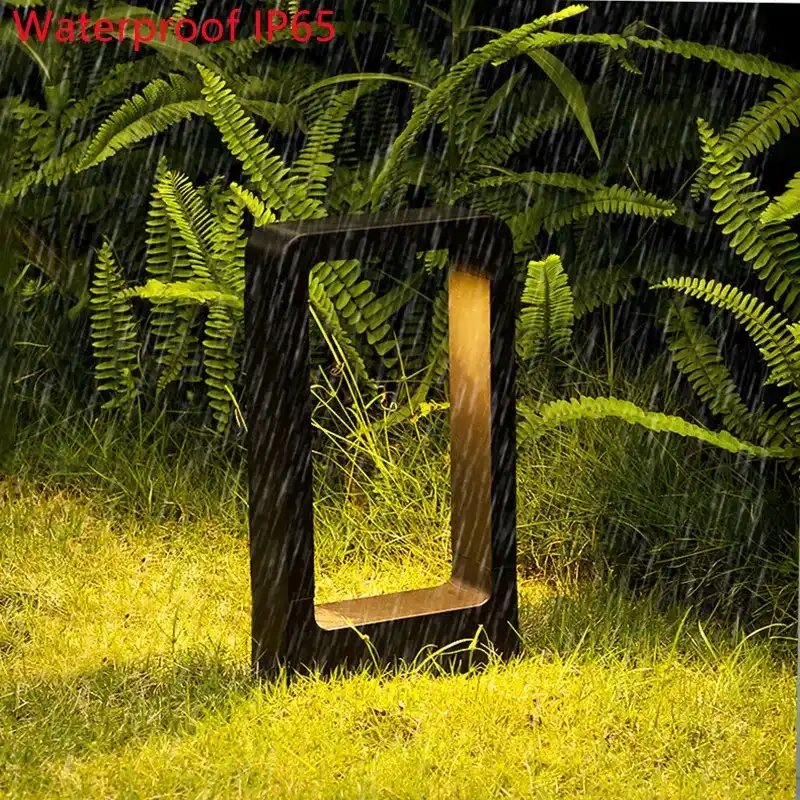
Environmental factors must be taken into account when fixtures are chosen based on the site conditions. Garden walls that are used for watering or that are in places where it rains a lot need to be at least IP65 to keep dust and high-pressure water jets out. Die-cast metal frames with coatings that don't rust can handle bad weather, and lenses made of toughened glass or UV-stabilized plastic stay clear even after years of being in the sun.
Implementing Layered Lighting Design
When you use layered design, you use ambient, work, and accent lighting to give large yard areas depth and visual interest. Ambient lighting sets the normal level of vision. It can be made up of area flood lights or high-post lamps with wide beam distributions. Task lighting is used to meet specific practical needs, like making sure people can see on the steps of a flight of stairs or in the loading area of a car, where higher light levels help keep people safe and get work done.
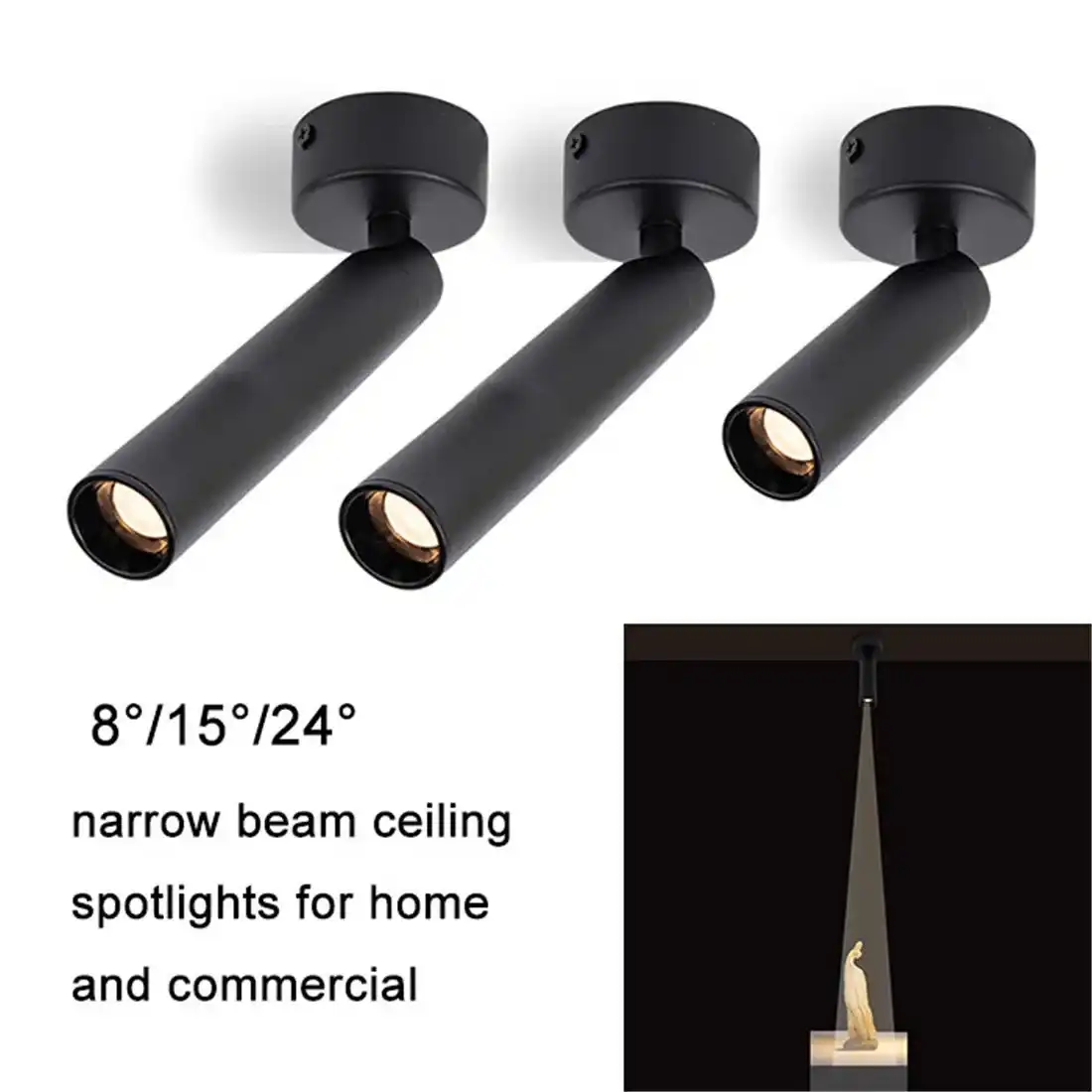
Accent lighting draws attention to interesting parts of a building, plants, or water features that make a yard more interesting. Narrow beam spotlights with bendable mounting clips let you point them exactly to shine a soft light on rough surfaces or the tops of trees. The color temperature you pick will change how the room feels. Warm white (2700K–3000K) makes a home look warm and inviting, while neutral white (4000K–4500K) is good for business uses like branding and signs that need to show the right colors.
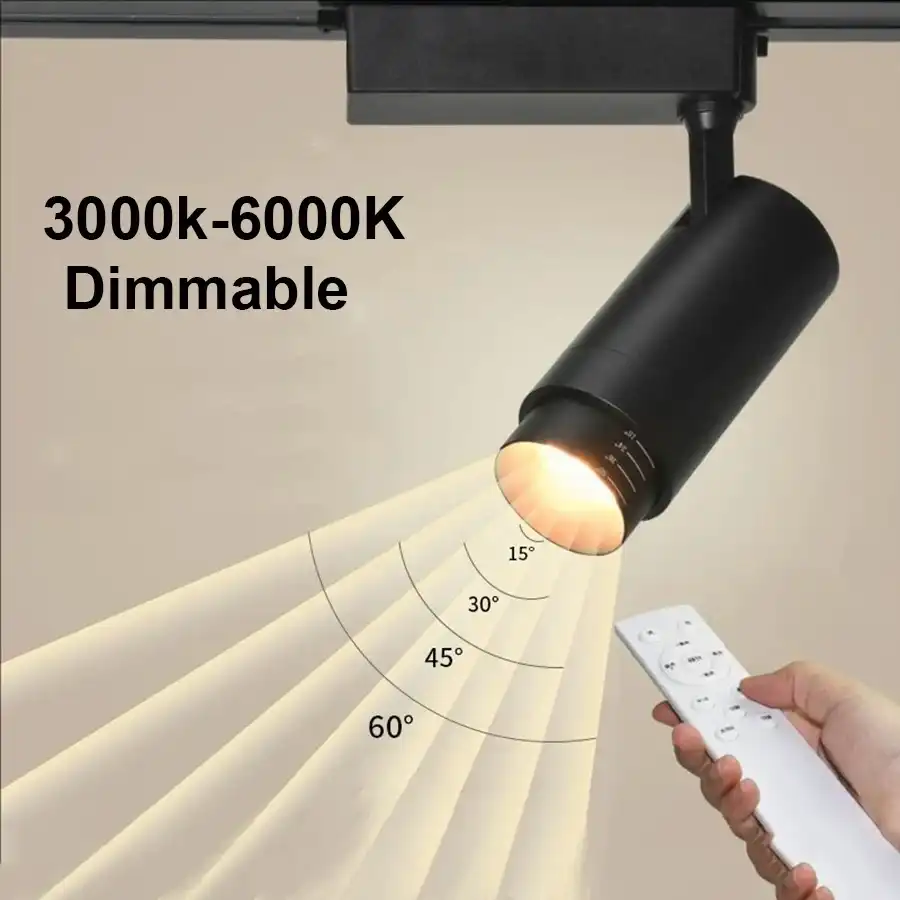
Setting that can be programmed and lowering the brightness make designs more adaptable and help save energy. When you use smart lighting, you can set it to change the brightness automatically based on the amount of sun or the number of people in the room. When security systems are linked together, lighting is turned on to full brightness when someone breaks in. This keeps the property safer and uses less energy when it's not being used.
Evaluating and Selecting Landscape Lighting Products and Brands
Getting Landscape lighting things changes how well projects turn out and how much they cost to own in the long run. If you do a lot of research on sellers and product specs, you won't buy broken equipment that results in warranty claims and extra fix costs.
Critical Selection Criteria for B2B Procurement
Brands offer full guarantees on their goods, which shows that they believe in the quality of the parts and how they were put together. Both the LED drivers and the light sources should be covered by warranties for at least five years on commercial-grade light systems. Having quick access to helpful technical support speeds up problem-solving during the installation and use phases. This keeps the project from being held up by questions about how it should be used or explanations of the specs.
Government standards are always met by products that follow well-known safety and energy rates. These products can also be used for utility rebate programs. Electrical safety tests that meet North American standards have stickers that say UL or ETL. If you have the DLC license, you can take part in programs run by companies and government agencies that reward people who save energy. When a project gets RoHS approval, it shows that it meets the environmental standards that are being used more and more in schools and towns.
Keeps projects on track by asking suppliers if they can handle big orders and how steady their delivery is. If manufacturers keep enough goods on hand and make sure their transportation networks work well, they can support tight building plans without having to pay a lot of money to get things done faster. Customization choices let you meet the specific needs of a project. For example, you can choose finish colors, mounting arrangements, or lens distributions that make placements stand out and stay in line with the client's brand standards.
Strategic Procurement Approaches
You can get better prices and make sure that the product specs stay the same throughout different stages of a project if you agree to buy in bulk. Framework deals with certain sellers make it easier to buy from them again and again, and they also protect prices from changes in the market. Customized fitting kits with the right parts make it easier to keep track of stock and lower the number of mistakes that happen during installation.
A lot of builders work with specialized wholesalers that offer extra services like pre-assembly, help with lighting planning, and shipping to the job site on time. Companies can run their own businesses more easily with the help of these partnerships. They can also use the knowledge of distributors to make product uses and specs better. When making a purchase decision, it is important to think about both the unit cost and the total ownership costs. The total ownership costs include things like energy use, maintenance needs, and the expected service life.
Installation, Maintenance, and Safety Guidelines for Large Garden Lighting
Having a professional install your Landscape lighting and following a maintenance plan will protect your investment and keep them working right. Accidents and warranty problems are less likely to happen if you follow set electrical rules and manufacturer directions.
Professional Installation Best Practices
Full electrical studies are done before any installation work is done to make sure that the service capacity is enough and that the circuits are set up in the best way to keep the voltage low along long wire runs. Lots of the time, big fields need more than one branch circuit to keep the loads even and the breakers from going off for no reason. To find voltage drop, you can use the length of the line, the amount of current drawn, and the size of the wire. This way, you can make sure that fixtures get the right voltage for the best light output and component life.
How deep you dig and how you fill in the holes must follow the National Electrical Code and any local changes that have been made. The right kinds of lines that are approved for use underground are used to put in direct bury cables. Warning tape is put over the cables to let people know when they will be dug up again. Conduit systems protect better in places where a lot of people walk or where landscaping tools could hurt the ground. Make sure that junction boxes are waterproof and put in a place where they are easy to reach in case of an emergency.
When you combine solar and wireless lights, they are easier to place in tight spaces or on historic sites that don't let you dig trenches. Low-voltage systems that use 12V or 24V are safer and easier to get permits for than line-voltage systems. However, they need figures for where to put the generator and how big it should be in order to work properly.
Maintenance Protocols and Performance Optimization
When you plan ahead for an inspection, you can find problems early on, before they get worse and break down systems or put people at risk. Once every three months, the fixings are checked to make sure they are still in the right place after the ground rests or the plants grow. In order to keep the light output steady, they also clean the lenses and housings and check the connections in places where rust is likely to form. Full checks are done on each part once a year to keep track of its condition and show which ones are almost worn out and need to be replaced.
The most common part of high-quality lights that breaks is the LED motor. It breaks down faster when there is heat or a change in power. There are ways to find speed problems early, before they become hard to fix. One way is to watch how the driver works during checks. Keeping detailed maintenance logs can help with warranty claims and long-term issues that show that specs don't match up or there are issues in the surroundings that require changes to the design.
Smart control systems need software updates and network security patches to keep working well and keep hackers out. Making plans for updates keeps systems from becoming useless and makes sure they can work with new tools for managing buildings. You can watch over and fix problems with cloud-based management tools from away. This cuts down on the need for site trips and the labor costs that come with them.
Safety and Regulatory Compliance
Following local electrical rules to the letter stops mistakes in installation that could lead to shocks or fires. Ground fault circuit interrupter (GFCI) safety on outdoor circuits finds places where electricity is leaking and cuts the power off before they begin to cause damage. By joining and grounding correctly, you can safely get rid of fault currents, which protects people and equipment from electrical hazards.
There are rules about how things can be put in places that are close to waterways, protected areas, or culturally significant sites. You can keep your project on track and avoid fines from the government if you know what permits you need and what relief tasks you have. It's harder for light to sneak in or shine up because of dark sky rules. To keep light inside property lines, sources need to be covered and angles need to be exact.
Maximizing ROI with Strategic Outdoor Lighting in Large Gardens
Smart Landscape lighting in big gardens can help you get the most out of your money. When you strategically put in lights, your property value goes up, your running costs go down, and your customers have a better experience. You can stick to your budget and make better decisions about future infrastructure if you measure these benefits.
Property Value Enhancement and Brand Differentiation
If you do garden lighting right, it can make a home look better and raise its value, which are both important for hotels, business parks, and domestic projects that want to draw high-end customers. Adding better lighting to the outside of a home raises its value by 10 to 15 percent and cuts down on the time it's empty because it looks better from the street. Hotels and resorts use different lighting styles as a way to sell their brands and make guests' stays memorable.
Putting lights in the outdoors for events and activities that happen at night lets businesses be open for longer, which brings in more money. When the weather is nice, people want to eat outside, so restaurants with lit grounds get a lot of business. Also, event spaces with beautiful views at night can charge a lot for weddings and business meetings.
Energy Efficiency and Operational Cost Reduction
LED technology saves 60–80% of the energy that standard lighting systems use. A lot of money is saved on power costs for big projects. Most big yard makeovers pay for themselves in three to five years because they save money on energy costs. And the savings keep coming in because LEDs last longer. It costs even less to run because it needs less care. Like, not having to change bulbs as often saves money on work and makes sure that things keep running smoothly when the lights go out.
Utility refund programs cover the costs of approved high-efficiency goods, which cuts down on the time it takes to get your money back. It is possible to get a company return for fixtures on the DLC list. The rebates are usually worth 20 to 40 percent of the cost of the materials. Projects that use less energy than the law requires may be able to get permits faster or pay less in some places.
Custom Design Services and Future-Proof Infrastructure
Making custom lighting designs that match the client's brand and the landscape architecture gives them a unique edge over their competitors. They also make sure that the technology specs meet the needs of the business. Photometric analysis is used as part of professional design services to make sure that the light levels are right before any equipment is bought. This limits changes to the field that cost a lot of money. Fixture plans, wire diagrams, and control code are some of the specific files that help installation teams and let the system grow in the future.
When technology and property needs change, modular system designs let you update just the parts that need it. As LED technology gets better, standardized light groups can take on new parts. It keeps things from going out of style and makes them work better over time. The internet of things (IoT) and building management systems can talk to smart control tools. This lets businesses use new technologies like dimming based on occupancy, energy data, and programs that can figure out when repairs need to be done.
Conclusion
You need to find a mix between cost, technical performance, and how you want the area to look when planning Landscape lighting for a large area. One way to do this is to organize your thoughts about the available choices and pick a seller who knows what they're talking about. The first step to starting a project that will turn out well is to do a full site study that finds the needs of the area and the limits of the infrastructure. LED technology lasts the longest and uses the least amount of power. Smart settings make operations more adjustable.
When procurement experts have established ties with suppliers, those sellers offer them reliable goods, quick customer service, and low bulk prices. Installing things by a professional who follows safety rules and plans for preventative maintenance saves money and makes sure that the equipment keeps working well. Strategic lighting can give you a good return on your investment by increasing property prices, cutting operating costs, and giving customers a more unique experience. Because of this, businesses can compete better in their areas.
FAQ
What is the recommended spacing between fixtures in large gardens?
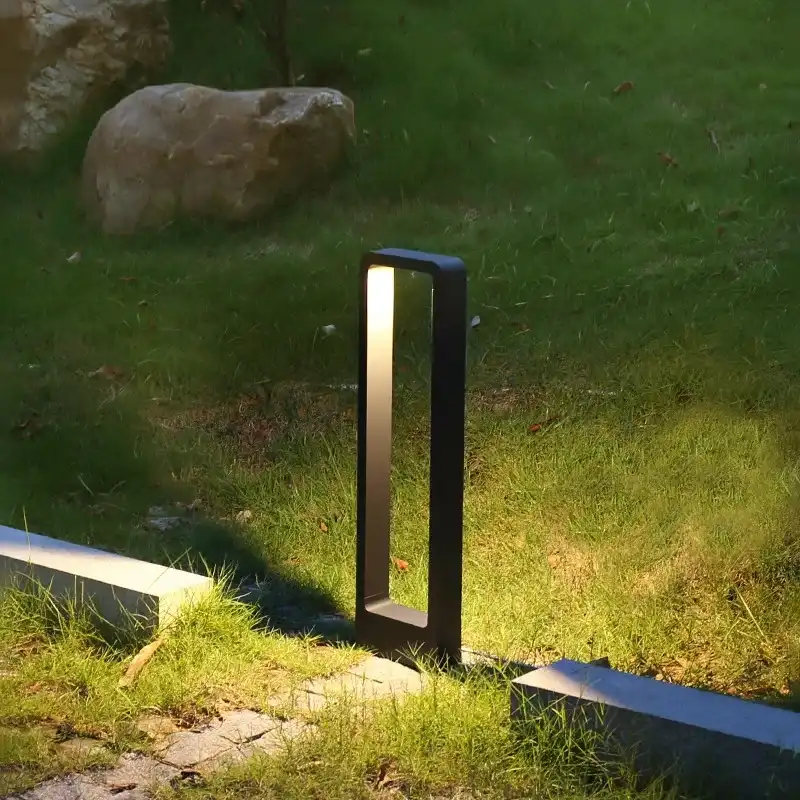
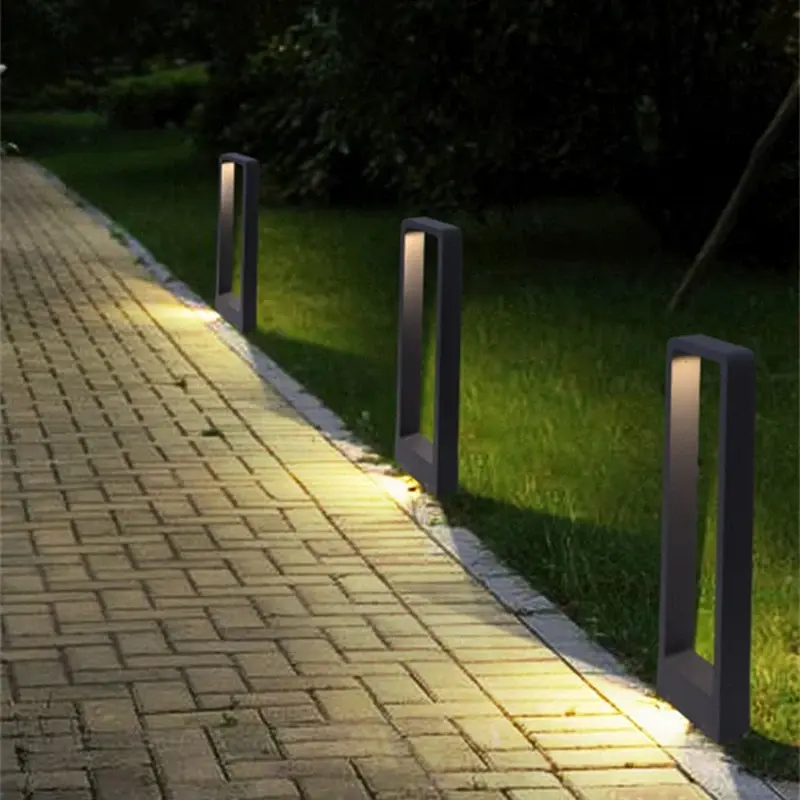
Fixtures are spaced out based on how bright the target is, how high the mount is, and how curved the beam is. Landscape lighting fixtures that light up a road should be 18 to 24 inches high and 15 to 20 feet apart. Up high, area floodlights with wider beams can light up areas 30 to 50 feet away. A professional lighting study finds the best plans for each job while cutting down on the tools that are needed.
How do smart controls improve garden lighting efficiency?
Smart settings let the Landscape lighting change automatically based on how often it is used and how much sunlight is there. When not many people are in the building, this cuts down on energy waste. By watching from afar, failures are found right away, which speeds up the repair process. When systems in a building are linked, lights can be changed in reaction to changes in the surroundings or security alerts. That way, the property is safer and the least amount of power is used.
What certifications should commercial garden lighting products carry?
When it comes to safety, good fixtures should have UL or ETL labels that show they meet power standards. People can get electricity refunds if their DLC certification shows that they save energy. There is no need to worry about the surroundings as long as the grade is IP65 or higher. When something has RoHS approval, it means that it doesn't contain too many dangerous chemicals. This helps projects follow environmental rules that are common in schools and government offices.
Partner with USKYLED for Superior Landscape Lighting Solutions
Landscape lighting choices that are very high tech can be found at USKYLED. These are tough business tools that need to work reliably and for a long time. The energy-efficient designs of our fixtures keep costs low and make the lights last longer. The high CRI of our fittings makes sure that colors are shown correctly. We help B2B buying clients with OEM/ODM skills, expert advice, and quick service after the sale that can handle tough projects. Email us at sales@uskyled.com to talk about your project and find out how our lighting options can help you meet your green goals and raise the value of your home.
References
1. Illuminating Engineering Society. "Recommended Practice for Outdoor Environment Lighting." IES RP-33-2020, Technical Standards Publication, 2020.
2. Russell, Susan M. "Landscape Lighting Design and Installation Guidelines for Commercial Properties." Journal of Architectural Lighting Design, vol. 28, no. 4, 2022, pp. 112-131.
3. Department of Energy. "LED Lighting for Outdoor Applications: Energy Savings and Performance Standards." Office of Energy Efficiency and Renewable Energy Technical Report, 2021.
4. Thompson, David R. and Jennifer L. Martinez. "Cost-Benefit Analysis of LED Conversion in Large-Scale Landscape Installations." Facilities Management Quarterly, vol. 19, no. 2, 2023, pp. 45-67.
5. National Electrical Manufacturers Association. "Application Guide for Outdoor LED Luminaires in Harsh Environments." NEMA Standards Publication LSD 72-2021, 2021.
6. Wilson, Patrick J. "Smart Control Integration in Commercial Landscape Lighting Systems." Building Automation and Control Networks Review, vol. 15, no. 3, 2022, pp. 78-94.

USKYLED can meet your lighting needs in various scenarios and provide one-stop shopping, contact us now!
Why You Should Choose USKYLED?
![What is Dimmable Track Lighting for Museum: Best Guide [2025]](/icms/upload/0d08cc601e7611f0b542b3ca0c0f4a83/pic/knowledgemanager-knowledgepic/e7879f32605f11f081911f363b8c1ed0/Directory/20250717 dimmable track lighting -1(1)_1752739217941.webp)