Why Emergency Exit Signs Are Essential for Fire Safety
When there is a fire, Emergency exit signs act as lifelines, guiding people out of the building safely when it gets dark and fear sets in. These lit guides aren't just for looks; they're legally required safety devices that are designed to work exactly when regular lighting systems fail. When Emergency exit signs are properly placed, they cut down on the time it takes to evacuate, clear up misunderstanding, and eventually save lives by making it easier to see in the worst conditions. They are important for more than just following the rules; they are an investment in the safety of people who work in business, industrial, and public buildings.
Understanding Emergency Exit Signs and Their Role in Fire Safety
Defining Emergency Exit Signage Systems
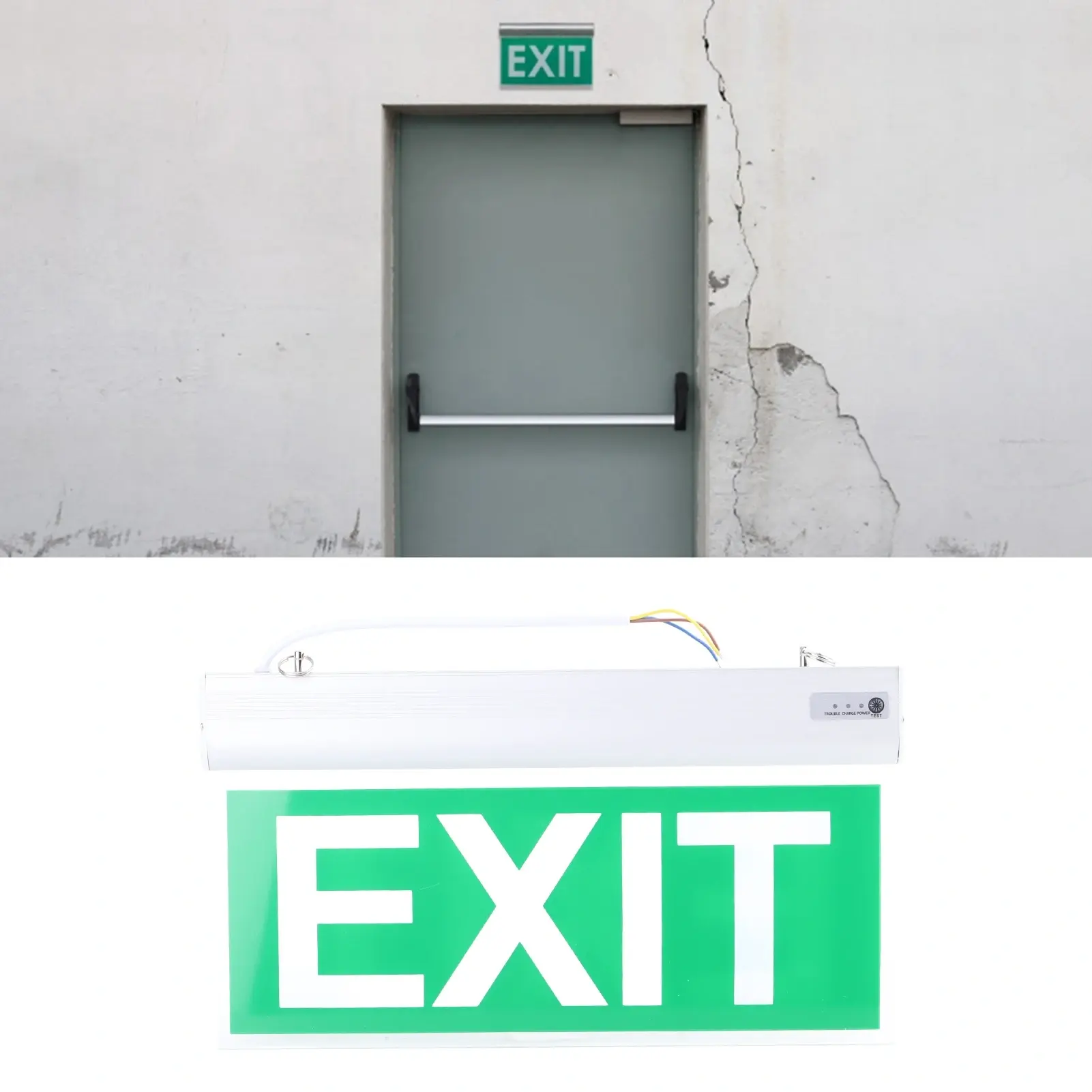
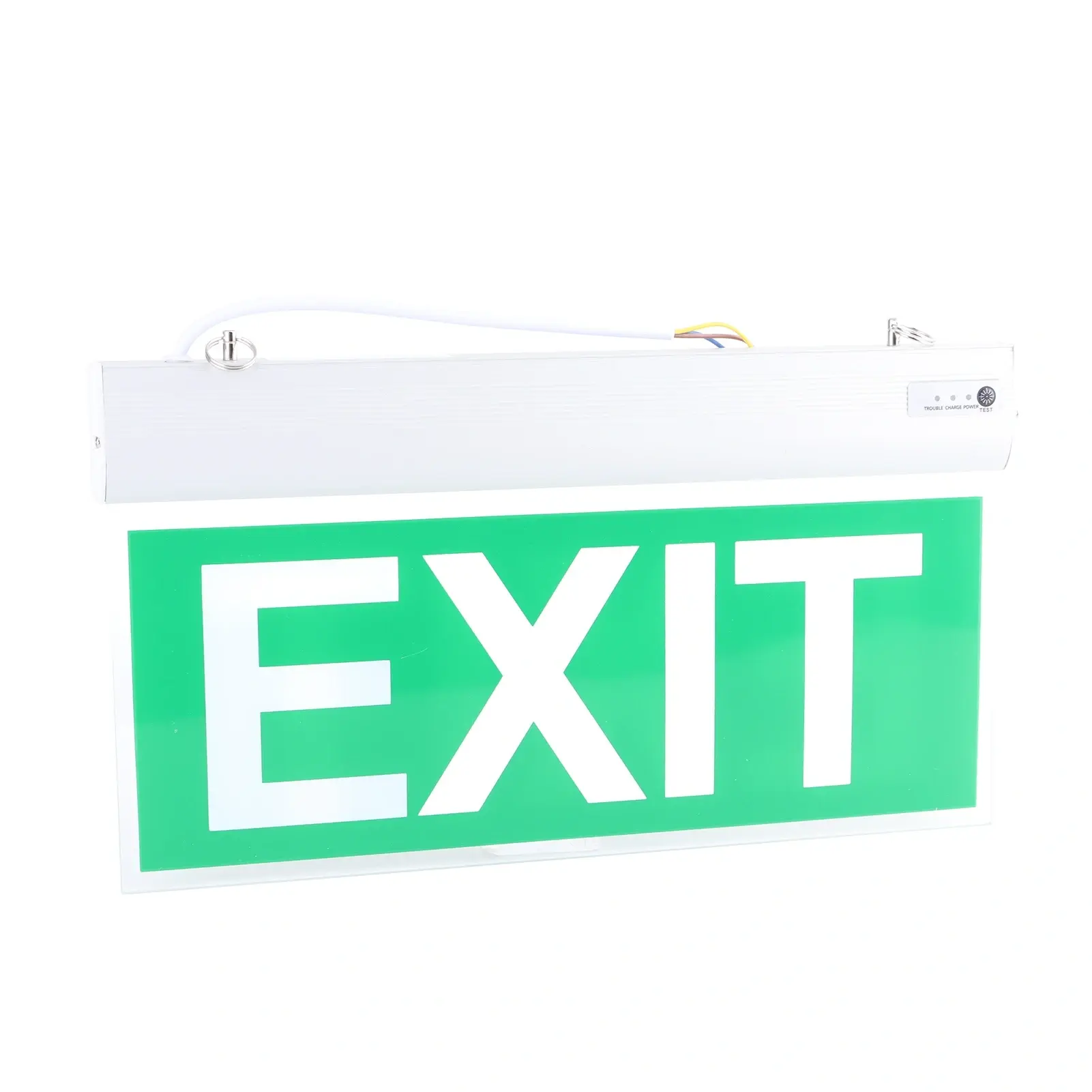
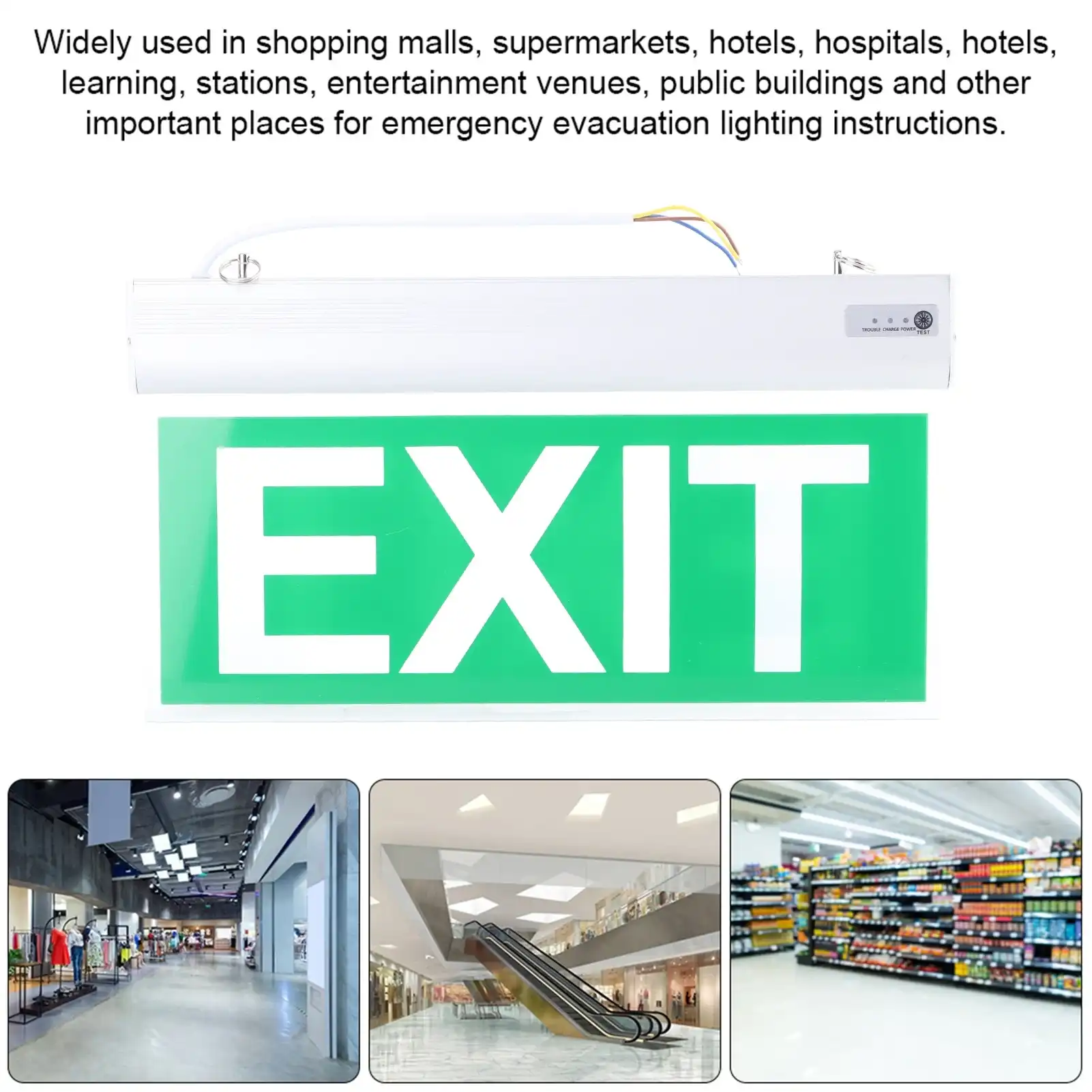
Emergency exit signs are dedicated guidance tools that can be seen even when the power goes out or there is a lot of smoke. Unlike regular pointing signs, these special pieces have their own power sources and are designed to be seen from a distance. There are two main types of modern Emergency exit signs lighting: photoluminescent signs that glow in the dark without electrical links and LED-based illuminated signs that are driven by rechargeable battery systems. Both methods meet the strict sight standards set by fire safety officials.
Integration with Fire Alarm Infrastructure
Building fire warning networks and Emergency exit signs systems that work well together. When smoke detectors go off, Emergency exit signs keep the lights on and direct people away from dangerous areas. Advanced systems have addressable Emergency exit signs lighting that changes arrows to point people toward the best exits based on data about where the fire is happening. With this combination, static signs become smart evacuation systems that can change based on changing emergency situations.
Regulatory Frameworks Governing Exit Sign Design
North American fire safety codes, like the NFPA 101 Life Safety Code and the International Building Code (IBC), have specific rules about how exits should be designed. These rules say what the minimum letter height should be (usually 6 inches), the stroke width, the color difference, and the amount of light in foot-candles. Similar rules are set by European standards under EN 1838, but green pictograms are preferred over the red EXIT letters that are popular in North American installations. It is required that these guidelines be followed; building managers are seriously exposed to liability when Emergency exit signs don't meet the needed standards.
Installation and Maintenance Requirements
The usefulness of an Emergency exit sign depends on where it is placed. Codes say that Emergency exit signs must be placed at exit doors, hallway intersections, and staircase entrances so that people can see them from everywhere along egress routes. Installation height is usually between 80 and 96 inches above finished floors so that it can be seen over the heads of people. Visual checks are done once a month to make sure the lights work, and tests are done once a year to make sure the battery backup lasts for at least 90 minutes. Keeping records of these repair tasks is important for regulatory checks and shows that you care about protecting people who live or work in the building.
Key Factors to Consider When Choosing Emergency Exit Signs
LED Versus Photoluminescent Technologies
To choose between LED and photoluminescent options, you need to look at certain aspects of your building. LED Emergency exit signs stay bright no matter what the lighting is like around them, which makes them perfect for rooms that don't get a lot of natural light. Their energy use has dropped by a huge amount thanks to current chip technology. They now use as little as 2 to 5 watts and last for decades. Alternatives that use photoluminescence don't need any ongoing electricity costs because they absorb light when they're not in use and give off a soft glow for several hours when the power goes out. These work best in places that get enough light during working hours, but they might not work as well in rooms without windows or in places where the lighting changes often.
Battery Backup Systems and Reliability
Most fire situations happen when the power goes out, so battery backup systems are a must. Good Emergency exit signs have sealed lead-acid or lithium-ion battery packs that are designed to keep the lights on for 90 to 180 minutes after the main power goes out. The capacity of a battery needs to take into account things like high temperatures and the fact that batteries lose power over time. Specifications for purchases should check for automatic self-testing features that keep an eye on the health of the batteries and the lighting systems all the time. This way, building managers can be warned of possible problems before they become emergencies. Professional-grade equipment is different from basic market goods because it can be monitored before it happens.
Environmental Durability Considerations
Ruggedized Emergency exit signs that can handle rough circumstances are needed in industrial buildings, parking garages, and outdoor installs. When buying teams choose long-lasting Emergency exit signs, they should look at the following:
Before choosing Emergency exit signs for tough settings, building managers need to look at the specific risks of exposure, such as chemical vapors, temperature changes, moisture levels, and possible physical effects.
- IP65+ Ingress Protection: Sealed shelters keep dust and water out of industrial plants and outdoor uses
- Impact-Resistant Housings: Polycarbonate construction can handle mechanical shock in factories and parking areas where forklifts work
- Wide Temperature Range: Heavy-duty parts work effectively from -20°F to 130°F, which is important for cold storage and outdoor installs
- Corrosion-Resistant Materials: Housings made of stainless steel or powder-coated metal don't rust in coastal areas or chemical processing plants
These features that make something last longer cost more, but they have a lower total cost of ownership because they last longer and need to be replaced less often. When facilities buy the right equipment, they escape the ongoing costs and safety risks that come with equipment that breaks down too soon.
Customization Without Compromising Compliance
A lot of businesses are looking for Emergency exit signs that look good with their buildings and follow the rules. Modern makers let you choose from different frame finishes, housing types, and even small branding options that don't get in the way of the required EXIT lettering and lighting standards. But calls for customization must be carefully looked over to make sure that the changes don't make it harder to see or break optical rules. Getting Emergency exit signs from providers with a lot of experience who understand both design tastes and legal limits is a good way for procurement teams to get visual consistency without sacrificing safety performance or legal compliance.
Top Emergency Exit Sign Solutions for Different Business Sectors
Corporate Office Environments
It is important for office buildings to have Emergency exit signs that are sleek, low-profile, and match the modern style of the building's interior. Slim LED edge-lit panels with white thermoplastic or brushed aluminum housings give you the sight you need without taking up too much room. Smart Emergency exit signs lighting systems with centralized tracking that automatically tell facility management platforms when repair is needed are helpful in business buildings. High-efficiency LED technology is the best choice for these setups because they focus on saving energy to support sustainability standards like LEED. Options for wireless connection make installation even easier in retrofit jobs where running new wires can be hard.
Industrial and Manufacturing Facilities
Heavy industry needs strong Emergency exit signs that are made to last in harsh circumstances. In manufacturing plants, housings that are explosion-proof must be rated for dangerous areas where flammable gas or dust may be present. These special lights have Class I, Division 1 or Zone 0 certifications, based on where they are used. They are sealed and have temperature settings that keep sparks from getting to sources of ignition. Chemical processing plants need materials that don't rust and can handle harsh cleaning methods and chemical exposure. High-brightness units that can be seen through dust and clutter are helpful in warehouses and distribution centers. These units often have dual-purpose Emergency exit signs lighting that lights the way out and marks where doors are.
Trusted Brands and Manufacturer Selection
There are a number of makers in the Emergency exit signs lighting market who have a history of dependability and following the rules. Brady has a wide range of Emergency exit sign portfolios, from basic business uses to specialized industrial solutions. These are backed by technical support teams that know the code standards in many different jurisdictions. Honeywell knows how to connect fire safety systems and makes Emergency exit signs that can talk to larger life safety networks. Lithonia Lighting, which is owned by Acuity Brands, controls most of the business lighting markets in North America thanks to its large network of distributors and low prices that make it easy to buy in quantities. Looking at the guarantee terms shows how confident the maker is in the product. Good goods usually come with 5–10 year warranties that cover both the electronics and the batteries, showing that the company is committed to long-term performance.
Procurement Guide: How to Buy Emergency Exit Signs for Your Business?
Sourcing Channels and Supplier Evaluation
There are several ways for procurement teams to get Emergency exit signs, and each has its own benefits. Established electrical wholesalers keep local stock and offer expert advice based on their knowledge of local building codes. Online industrial providers have a wider range of products at lower prices, which is especially helpful for companies with multiple locations that are trying to standardize their products across all of them. When you need to buy a lot of something or need OEM customization for a specific use, having a direct relationship with the maker can be helpful. Checking possible suppliers' certifications, reading case studies from similar facilities, and making sure they offer expert help during the installation and commissioning steps are all part of the evaluation process.
Pricing Structures and Bulk Purchasing Benefits
The price of an Emergency exit sign changes a lot depending on its technology, amount of certification, and features that make it last a long time. Basic LED units cost between $25 and $40 per light, but industrial-grade types that can't explode cost more than $300 to $500 each. Photoluminescent Emergency exit signs cost between $15 and $60, based on how big they are and how well they charge. If you buy a lot of something, you can save a lot of money. Manufacturers often offer discounts of 15 to 25 percent on orders of 100 or more units. When purchases are consolidated across multiple sites or coordinated with planned repair timelines, it's easier to work out payment terms and delivery times. To make accurate budget comparisons, people who work in procurement should ask for detailed quotes that break down the prices of fixtures and installation services into different items.
Installation Services and Maintenance Agreements
Professional construction meets building codes and gives you the best efficiency. Licensed electricians who know about Emergency exit signs lighting standards check that the circuit connections are correct, test the battery systems, and write down where the Emergency exit signs were installed for future maintenance records. There are a lot of companies that offer "turnkey" services that include both product delivery and approved installation. This makes it easier to buy things and makes it clear who is responsible for what. Maintenance agreements include regular inspections, programs to change batteries, and faster service for breakdowns that don't happen on a set plan. These deals usually cost 8–12% of the initial investment in tools every year, but they give you peace of mind by proving compliance and lowering the need for internal resources.
Real-World Procurement Success Stories
A regional hotel company recently upgraded 47 properties with standard LED Emergency exit signs. They bought all of their Emergency exit signs from one manufacturer to get better prices and make sure that all of their properties had the same specs. Compared to buying properties one at a time, the project cut their total purchase costs by 22% and made it easier to keep track of new parts in stock. A city's facilities department put up photoluminescent Emergency exit signs in 12 schools and leisure centers. This cut down on ongoing electricity costs and met safety standards set by the state education department. Even though the original prices of the fixtures were higher, the project paid for itself in 18 months through energy savings. This shows how total cost of ownership analysis should be used to make purchasing decisions.
Best Practices for Emergency Exit Sign Maintenance and Compliance
Establishing Inspection Schedules
In order to follow the rules, upkeep processes must be written down and done at set times. Every month, all Emergency exit signs are visually checked to make sure they are lit up properly. Any problems are noted and fixed right away. Battery backup systems are tested once a year by cutting off the main power and timing the length of light to make sure they work for at least 90 minutes. These tests have to be done in a situation that is like an emergency, with real-life light levels. In many places, fire inspectors and insurance companies need to be able to look at written repair logs. Facilities that don't have the right paperwork could get fined during fire safety checks and have their insurance claims denied after an accident.
Addressing Common Performance Issues
Over the course of their useful lives, Emergency exit signs will fail in a number of expected ways. The most frequent problem is that the battery's capacity drops over time, until the backup duration goes below what the code requires. Compliance holes can be avoided by replacing things every 4 to 6 years. LED driver failures happen less often, but when they do, they mean replacing the whole light in integrated units where parts can't be fixed. When ambient lighting levels drop because of broken lamps or changes in usage, photoluminescent Emergency exit signs lose some of their charge efficiency. Moisture getting in, high temperatures, and damage from impacts or movements all shorten the service life of things in the environment. To deal with these problems, you must first choose equipment that is rated correctly and keep the weather controls within the limits that were planned.
Documentation for Regulatory Compliance
Keeping detailed records shows that you are doing your job and makes governmental checks easier. Maintenance logs should keep track of when inspections were done, who did them, what problems were found, and what steps were taken to fix them. Systematic care is shown by battery test results that show how long the battery lasts and if its performance starts to decline over time. Keeping installation records that include fixture positions, model numbers, and times of approval makes planning replacements easier. Digital maintenance management systems make paperwork easier and automatically remind people to do things that they have planned. These records are very important during accident investigations and insurance claims because they protect companies from responsibility claims related to not maintaining Emergency exit signs properly.
Planning System Upgrades and Replacements
As technology advances and equipment hits end-of-life, Emergency exit signs finally need to be replaced. Every 10 to 15 years, facilities should set aside money for planned changes. When possible, replacement cycles should be timed to coincide with larger rebuilding projects. When compared to older fluorescent or incandescent systems, upgrading to new LED technology saves energy and requires less upkeep. Smart Emergency exit signs lighting that can be monitored from afar boosts compliance faith while cutting down on the cost of labor for checks that have to be done by hand. Procurement teams should keep an eye on code changes that might require newer features. This way, they can replace things before the dates set by police, so they don't have to rush through compliance projects.
Conclusion
In all types of buildings, Emergency exit signs are an investment that can't be skipped when it comes to protecting people and following regulations. As part of the decision process, technology choices, environmental needs, and sector-specific needs must all be carefully weighed against budget limits and total ownership costs. Successful procurement strategies take advantage of chances to buy in bulk, build relationships with dependable providers who can offer expert help, and put quality ahead of price at first. These important safety devices only work when they're supposed to because they get regular repair based on written plans. When businesses see Emergency exit signs as strategic infrastructure instead of just an item, they protect their employees and their business during the most important times.
FAQ
What are the legal requirements for emergency exit signs in commercial buildings?
Emergency exit signs must be placed at all exit doors, along exit access passageways, and in places where the direction of an escape path might not be clear (NFPA 101 Life Safety Code and International Building Code). It is required that Emergency exit signs stay lit up all the time or turn on automatically when the power goes out for at least 90 minutes. The exact rules depend on the type of usage, the height of the building, and any local changes made to model laws.
How often should emergency exit signs be inspected and tested?
Visual checks are done once a month to make sure the lights work, and every year the battery backup systems are put through a simulation of an emergency for the full needed length. In many places, inspections must be done by trained professionals, and the results must be written down in upkeep logs that can be looked over by regulators.
Can emergency exit signs be customized with company branding?
Only certain changes can be made as long as they don't affect the legally needed EXIT signs, lighting levels, or visible standards. You can change the frame finishes, housing colors, and small marking elements, but any changes should be checked by providers who know the relevant code requirements to make sure compliance isn't lost.
Partner with USKYLED for Compliant Emergency Lighting Solutions
USKYLED sells complete Emergency exit signs that are made to fit the needs of demanding business and industrial settings all over the world. Our cutting-edge LED technology guarantees flicker-free, high-visibility performance, and our battery backup systems last longer than the 90-minute code minimum. Get in touch with our technical team at sales@uskyled.com to talk about the unique needs of your building and get expert advice on code-compliant solutions that protect people and make the most of your investment in safety equipment.
References
1. National Fire Protection Association. (2021). NFPA 101: Life Safety Code, 2021 Edition. Quincy, MA: NFPA Publications.
2. International Code Council. (2021). International Building Code, Chapter 10: Means of Egress. Washington, DC: ICC Publications.
3. Illuminating Engineering Society. (2020). IES RP-7-20: Recommended Practice for Lighting Industrial Facilities. New York: IES Technical Publications.
4. U.S. Department of Labor, Occupational Safety and Health Administration. (2019). Exit Routes, Emergency Action Plans, and Fire Prevention Plans (29 CFR 1910.33-39). Washington, DC: OSHA Publications.
5. Underwriters Laboratories. (2018). UL 924: Standard for Emergency Lighting and Power Equipment, 8th Edition. Northbrook, IL: UL Standards Publications.
6. British Standards Institution. (2019). BS EN 1838:2013: Lighting Applications - Emergency Lighting. London: BSI Standards Limited.

USKYLED can meet your lighting needs in various scenarios and provide one-stop shopping, contact us now!

Why You Should Choose USKYLED?
![What is Dimmable Track Lighting for Museum: Best Guide [2025]](/icms/upload/0d08cc601e7611f0b542b3ca0c0f4a83/pic/knowledgemanager-knowledgepic/e7879f32605f11f081911f363b8c1ed0/Directory/20250717 dimmable track lighting -1(1)_1752739217941.webp)