How to Install Outdoor Step Lights Easily
Putting up outdoor step lights quickly and safely is an easy process that makes places for business and pleasure safer and more appealing. These special lights use LED technology to light up paths, make places safer for people to walk, and make people feel welcome. Over time, they also use less energy. Put together properly, with the right level of waterproofing and power, outdoor step lights systems last for many years. It's important to plan ahead, use the right tools, and follow local power rules during installation to make sure it works well and meets safety standards.
Comprehending Outdoor Step Lights and Their Benefits
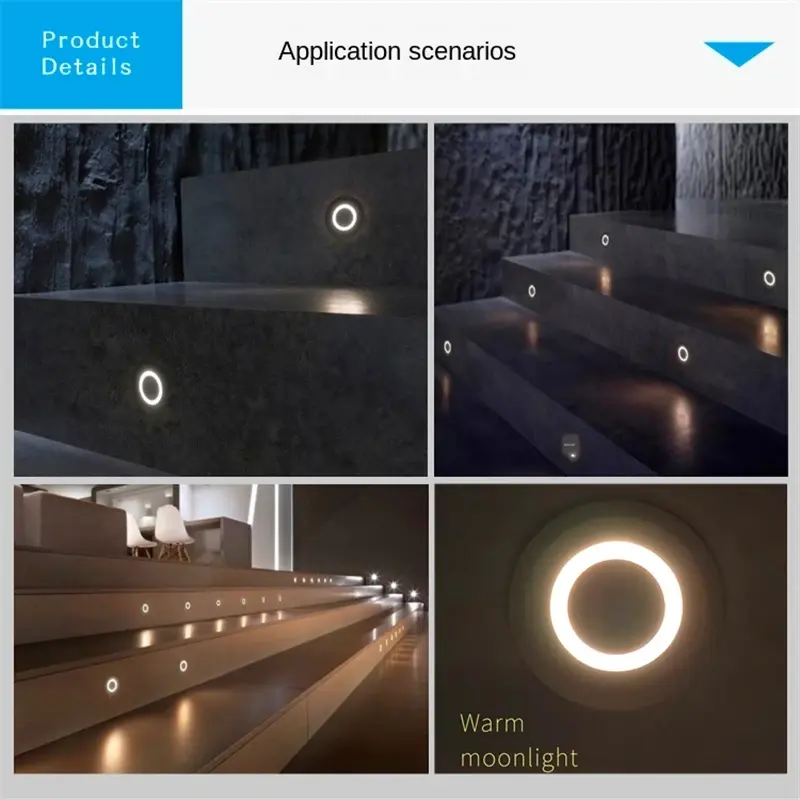
Modern outdoor step lights are very important in business and industry settings because they do a lot more than just light up the area. These lights make it much less likely that you will be sued by getting rid of dark spots where accidents often happen on stairs and in entryways.
Enhanced Safety and Risk Mitigation
Property managers know that bad lighting is to blame for about 85% of slip-and-fall accidents that happen on business sites. Step lighting creates steady lines of light that make it easy for people to find their way at night and in bad weather. By putting these lights in a smart way, shadows are taken care of and light is spread out evenly over walking areas. When a company takes full steps to make sure its lighting is safe, its insurance rates go down. A lot of insurance companies will lower your rates by 5 to 15 percent if your home has safety lighting that is professional grade and up to code.
Energy Efficiency and Operational Savings
Electric step lights are brighter than gas step lights, but gas step lights use 75% more energy. Most of the time, these systems last longer than 50,000 hours before they need to be changed. This lowers the amount of work that needs to be done and the number of times it needs to be done. The study of running costs shows that teams in charge of managing buildings can gain a lot. It costs about $2.50 a year for a 3 watt LED step light, but $12 or more a year for a gas light of the same size. This energy economy can help big systems save a lot of money.
Smart Technology Integration
As technology has improved, so have automated step lighting systems. These systems can connect to a smartphone and have motion sensors that turn the lights on and off at dusk and dawn. These smart settings protect everyone on the land and only turn on lights when they're needed, which saves energy.
Step-by-Step Installation Guide for Outdoor Step Lights
Professional installation of outdoor step lights requires systematic planning and adherence to electrical safety protocols. The process begins with comprehensive site assessment and material preparation.
Site Assessment and Electrical Planning
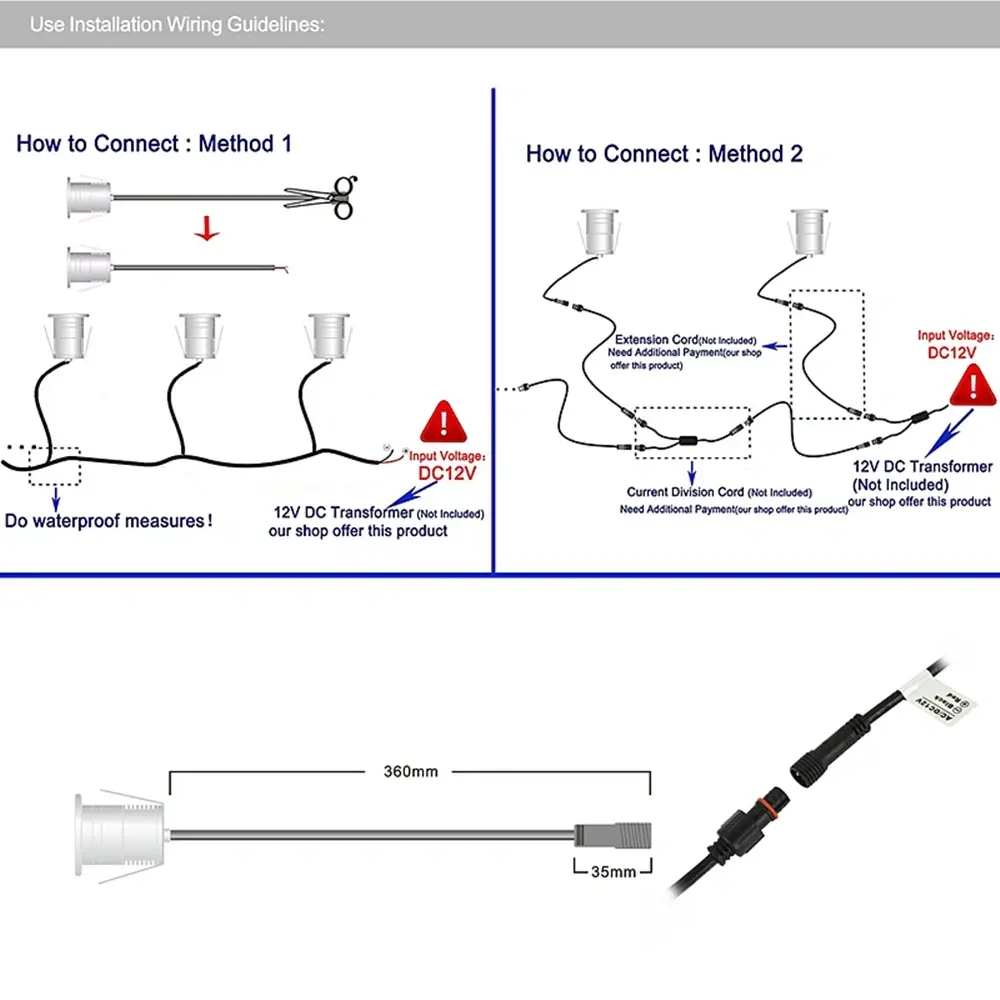
To check out the installation site, you need to measure the steps, find the places where the electricity will come in, and figure out how far apart the fixtures should be. Every step needs lights that goes 6 to 12 inches past the ground area so that everyone can see. The gadget and the building codes in your area will tell you how much electricity it needs. Most home systems are 12-volt low-voltage so they are safer. Business uses, on the other hand, might need 120-volt lines with the right GFCI safety.
The site assessment phase also includes:
- Measuring step dimensions and calculating required fixture quantities
- Finding the electrical equipment that is already there and planning where the wires will go
- Watching how water flows to keep it from building up around exits
- Making sure you follow the rules for getting permits and the energy code in the area
Installation Process and Safety Protocols
Electricity safety rules say that the repairs should be done in a certain order to make sure they work right and follow the rules. At the circuit switch, turn off the power first. Then, use the right checking tools to make sure there is no longer an electrical link. To get the best light spread and even spacing, you need to be very precise when marking where the lights go. Most of the time, bolts are put at step nosings or next to wall surfaces, and there is a standard distance between each mounting point.
To get ready to drill, you need to pick the right bit sizes based on the needs of the tools. For work with stone, you need bits with carbide tips, and for work with wood, you need regular wood bits. If you get the depth right, you won't have to drill too deeply, which could damage the structure.
Putting in wiring must be done according to the rules for electricity in your area and the directions from the maker. Waterproof wire nuts and connections with the right thickness make sure that outdoor electronics will work for a long time. Any place where two parts join must be properly sealed with the silicone solutions or gaskets that the manufacturer provides.
Testing and Final Adjustments
Every part of the system is checked individually and as a whole to make sure it works right. This step checks to see if there are any wiring issues before the work is complete. For each spot, the lighting designs work best when the amount of light is changed. There are a lot of lights that come with fixing clips or beam angles that you can change to fit your needs.
Material and Product Selection Criteria for Durable Step Lights
Commercial outdoor step lights have to be able to handle rough conditions and keep working well for as long as they are useful. How long something lasts, how much maintenance it needs, and how much it costs to own everything depend on the material it is made of.
Weather Resistance and Durability Standards
In places with a lot of wetness, like near the ocean, stainless steel housings are better at keeping rust at bay. When it comes to stopping rust from salt, grade 316 stainless steel is better than standard 304 types. You can get a lot of use out of these metal lights with powder-coat treatments, and they look good for a long time. The UV rays and temperature changes that can cause cheaper items to break down too quickly don't hurt these materials.
Chemicals in high-quality polymer housings that are maintained by UV light keep the plastic from breaking and the color from fading. These options are light, which makes them easier to put up, and they cover well enough for warm weather.
IP Rating Requirements and Environmental Protection
Scores for Ingress Protection (IP) show how well a plug keeps water and dust out. For most outdoor uses, IP65-rated fixtures are safe. IP67-rated fixtures are better for places that might get wet for a short time. Two numbers are used by the IP rating method to show how safe something is. The first number (0–6) shows how well it keeps solids out, and the second number (0–8) shows how well it keeps liquids out. Most business systems need grades of at least IP54 to be reliable over time.
LED Technology and Performance Specifications
How well an LED chip shows colors, how much light it gives off, and how long it lasts all depend on how good the chip is. The chips made by Cree, Osram, or Samsung are better quality and work better than the cheaper ones. How things look and how well they fit with the design depend on the color temperature you choose. Neutral white (4000K) is great for businesses because it makes things easy to see. Warm white (2700K–3000K) looks good in homes.
Comparing Top Outdoor Step Light Solutions for B2B Purchases
B2B buyers need to think about a number of things when picking out outdoor step lights for big projects. The image of a brand, its technical specs, and the advantages of buying in bulk all have a big effect on how well a project turns out and how happy the people are with it in the long run.
Leading Manufacturer Analysis
Philips is still the market leader thanks to its full warranty and new LED technology. The commercial-grade light fixtures they make have advanced heat control systems that keep the light output steady and make the fixtures last longer.
Progress Lighting focuses on building uses and gives customers a lot of ways to make their lighting look the way they want it to. They have a lot of products that give creators a lot of freedom while still meeting strict business performance standards. There are choices from LEONLITE that are both affordable and of great quality. Their parts work well when projects need a lot of them but don't want to spend a lot of money.
Feature Comparison and Technical Specifications
It's very different from one company to the next when it comes to sensing range, adjusting sensitivity, and stopping fake action when it comes to motion sensors. For business use, sensors that can recognize things up to 12 feet away and let you change the time between scans are helpful.
Support for dimming helps you save power and make light fixtures last longer. Dimmer systems that work with LEDs let you change the amount of light without dimming or turning off too soon. Smart houses have features that let you control and plan everything from one place, using well-known tools like Alexa, Google Home, and lighting control systems.
Cost Analysis and Value Optimization
Good lights range in price from $25 to $75 per unit, depending on what they have and what they are made of. Most of the time, if you buy more than 50 units, you can save 15 to 25 percent. To get an idea of the total cost of ownership, you need to know how much energy is used, how often maintenance needs to be done, and how long the equipment is supposed to last. High-end lights with 10-year warranties are often a better buy in the long run, even if they cost more at first.
Post-Installation Tips and Maintenance Best Practices
Outdoor step lights will continue to provide safe light for as long as they are maintained with regular maintenance. Systems last longer and don't break down when you least expect it when you use preventative maintenance and checkup plans.
Routine Inspection and Cleaning Procedures
Checks that look at the system once a month find problems before they get bad enough to break the system. To keep things going smoothly, check the drains around the device, the brightness of the lens, and how securely it is mounted. How the gadget is cleaned depends on where it is located and what it is made of. Repairs need to be done more often in places near the coast where salt builds up and speeds up rusting while blocking light.
Electrical System Monitoring
An electrician should check your systems once a year to make sure they are still safe and up to code. This test makes sure that the GFCI, the links, and the protection are all in good shape and that they work. By measuring voltage at the places of devices, electrical problems that might slow them down or put people in danger can be found. If the power changes more than what the manufacturer says is safe, it needs to be fixed right away.
Component Replacement and Upgrade Planning
LED units usually need to be changed every 50,000 to 75,000 hours, but this depends on their quality and how they are used. Repairs take less time when you have new parts on hand for big jobs. New advances in technology have made it possible to make things more useful while also using less energy. Smart control retrofits can bring old systems up to date without having to buy new parts for everything.
Conclusion
To properly install outdoor step lights, you need to plan ahead, pick the right materials, and follow safety rules. Putting these lighting systems in can make places safer, use less energy, and look better, so they're good for both businesses and homes. Professional placement guarantees the best performance, and following the rules for power makes sure that it will work for a long time. Systems work better and last longer when they are well taken care of and parts are changed in smart ways.
FAQ
What tools do I need to install outdoor step lights?
Essential tools include a drill with appropriate bits, wire strippers, voltage tester, level, measuring tape, and waterproof wire connectors. Specific requirements may vary based on mounting surface materials and electrical connection methods.
How do I ensure proper waterproofing for outdoor installations?
Use fixtures with appropriate IP ratings (minimum IP54), apply silicone sealant around mounting points, and ensure all electrical connections utilize waterproof wire nuts or manufacturer-provided sealing systems.
What spacing should I maintain between step light fixtures?
Most of the time, 6 to 8 feet between lights is enough to cover well, but the exact needs depend on the steps' width, the lights' brightness, and the amount of light that is needed. When the gaps between them are the same, the light is spread out evenly.
Can I install step lights on existing concrete steps?
In fact, putting in concrete is common and simple to do. Make sure that the holes where the bolts go are properly sealed to keep water out. Use concrete bolts that are the right size for the weight of your hardware.
What electrical considerations apply to outdoor step light installation?
For most installations, you need to use GFCI safety devices, the right wire size, and follow the rules set by your local electrical code. Things with low power are safer, but you might need to put a transformer to get them to work.
Partner with USKYLED for Premium Outdoor Step Light Solutions
USKYLED delivers professional-grade outdoor step lights designed for tough business uses. The LED lights we sell have a high CRI rating, better thermal control, and full insurance coverage. You can get in touch with our tech team at sales@uskyled.com to talk about buying in bulk and getting custom OEM solutions. We make outdoor step lights and are a dependable company. We offer low prices and on-time delivery for jobs all over the world.
References
1. National Electrical Code Article 210: Branch Circuits for Outdoor Lighting Applications, National Fire Protection Association, 2020 Edition.
2. Illuminating Engineering Society. "Recommended Practice for Outdoor Environment Lighting." ANSI/IES RP-33-14, 2014.
3. Building Officials and Code Administrators International. "International Building Code Requirements for Exterior Lighting Systems." 2021 Edition.
4. American Society for Testing and Materials. "Standard Test Methods for Ingress Protection Rating of Electrical Enclosures." ASTM F1608-19, 2019.
5. Energy Star Program Requirements for SSL Luminaires. "Commercial and Industrial Lighting Efficiency Standards." Environmental Protection Agency, 2022.
6. International Association of Lighting Designers. "Professional Guidelines for Exterior Safety Lighting Design." IALD Technical Publication, 2021.

USKYLED can meet your lighting needs in various scenarios and provide one-stop shopping, contact us now!
Why You Should Choose USKYLED?
![What is Dimmable Track Lighting for Museum: Best Guide [2025]](/icms/upload/0d08cc601e7611f0b542b3ca0c0f4a83/pic/knowledgemanager-knowledgepic/e7879f32605f11f081911f363b8c1ed0/Directory/20250717 dimmable track lighting -1(1)_1752739217941.webp)