Recessed Stair Lights-Benefits and Installation
Recessed stair lights are a revolutionary way to light a room that makes it safer and more attractive in both business and home settings. These new lights blend in with the stairs' surfaces, giving off focused light that lowers the risk of accidents while keeping the devices' sleek looks. Contemporary LED recessed stair lights are very energy efficient, last longer, and have features that can be changed to fit the needs of modern buildings. Professional placement guarantees the best performance, and different types can be used in a range of building styles and environmental conditions.
Understanding the Benefits of Recessed Stair Lights
Enhanced Safety and Visibility
Approximately 12,000 people die every year in stairway accidents in the United States. Poor lighting plays a big role in these accidents. By getting rid of shadows and giving even lighting on every step, recessed stair lights make it much easier to see. The smart placement of these lights provides a sense of depth that makes it easier for people to use the stairs, especially when it's dark or there's an emergency.
More and more, building codes require that stairways have enough lighting, with strict rules about foot-candle levels and even spread. Commercial buildings that follow OSHA rules are safer, and domestic buildings that follow IBC rules are safer. The combined design stops the protrusion dangers that regular light fixtures can cause, keeping the paths clear while providing necessary lighting.
Energy Efficiency and Cost Savings
LED technology completely changes the costs of lighting stairs by using a lot less energy. Modern LED recessed stair lights use 75% less energy than standard incandescent ones, but they give off the same amount of light or more. This efficiency means that business buildings with a lot of stairs and lighting networks can save a lot of money on running costs.
LED units usually last between 25,000 and 50,000 hours, which means they don't need to be replaced as often and don't cost as much to maintain. Commercial buildings especially benefit from lower work costs when it comes to changing bulbs and fixing fixtures in hard-to-reach places like stairwells. When you integrate energy management tools, you can get even more out of them by automating timing and dimming.
Aesthetic Integration and Design Flexibility
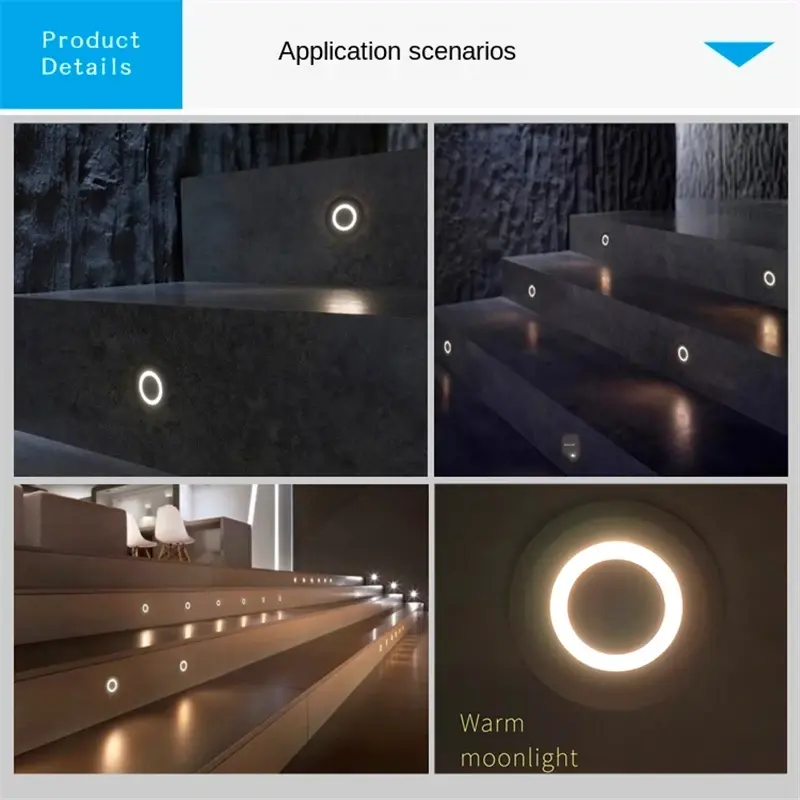
More and more, clean lines and simple designs are being emphasized in architecture, which recessed lighting naturally supports. These pieces fit perfectly into concrete, wood, stone, and hybrid surfaces, and they don't get in the way of the design or the way things look. The soft lighting provides ambient lighting effects that bring out the best in building features while still meeting the needs of functionality.
Different design tastes can be met by changing the color temperatures, beam angles, and finishes on the fixtures. Warm white options make spaces feel warm and friendly, making them good for hospitality settings. Cool white options support modern business styles. With RGB powers, lighting designs can change based on events or the time of year.
Comprehensive Installation Guide for Recessed Stair Lights
Pre-Installation Planning and Preparation
A good installation starts with a careful site survey and planning part that figures out where to put the fixtures best, what electrical needs to be done, and any environmental issues that need to be thought about. A professional inspection finds structural problems, amounts of moisture exposure, and entry issues that affect the choice of product and the way it is installed.
Electrical planning includes figuring out where to put switches, figuring out how much power each circuit can handle, and making sure that the plans follow local building codes. For outdoor locations or places that get wet, waterproof grades are very important and need to be at least IP65. Material compatibility testing makes sure that different types of stairs can be installed correctly and will stay stable over time.
Step-by-Step Installation Process
There are big differences in the installation process between new building and retrofitting recessed stair lights. Each situation has its own problems and chances. When planning for electrical wiring and fixture integration, new building is easier than when planning for retrofit projects, which need to be very careful about existing infrastructure and cause as little damage as possible.
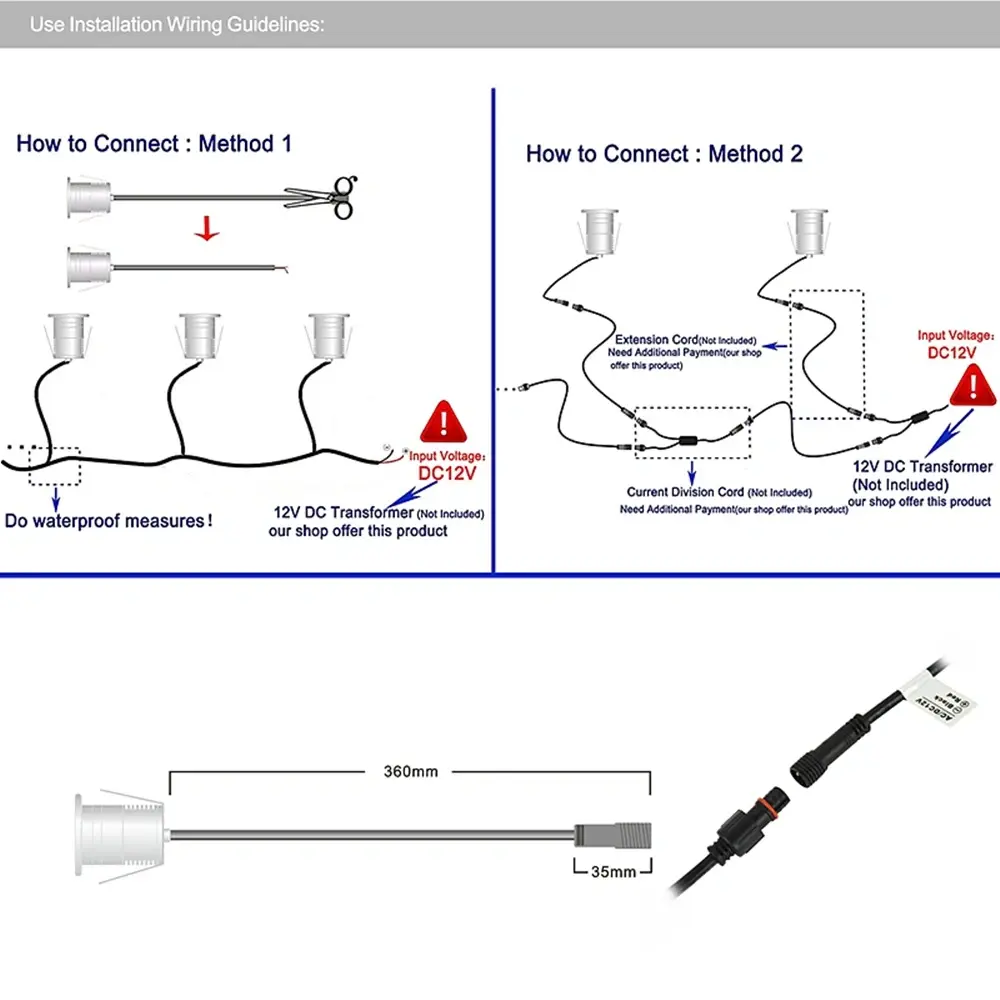
Professional installation usually includes exact cutting for device housings, electrical connections that follow the manufacturer's instructions, and a lot of testing to make sure everything works right. When used outside, waterproof sealing is necessary, which calls for special seals and attention to draining. Installations that are done right come with detailed instructions for future upkeep and guarantee compliance.
Safety Protocols and Code Compliance
Electrical work has to follow the National Electrical Code and any local changes that have been made to it. This is especially important for uses that will be used in wet areas and low-voltage systems. GFCI protection is now required for many installs, and good grounding keeps the electricity safe for the whole system's life.
Installers who are professionals have the right licenses and insurance to protect property owners from legal issues. Verifying code compliance through the right permits and inspection processes keeps people safe in the long run and keeps legal problems from happening during property sales or insurance claims.
Types and Features of Recessed Stair Lights
LED Technology Advantages
LED technology is the most popular choice for modern outdoor lighting because it works better and is easier to use. Good LEDs consistently show colors with CRI scores above 90, making sure that people can see colors correctly, which is good for both safety and looks. Instant-on capability gets rid of the wait times that standard technologies need for warm-up.
Modern LED drivers make it possible for lights to work without flickering, which is better for your eyes and makes lighting settings more comfortable. When two devices can dim together, the light level can be precisely changed to fit the environment or the user's tastes. Integrating smart controls helps with energy management routines and building automation systems that are becoming more popular in business settings.
Wired vs. Battery-Powered Options
With wired devices, you don't have to worry about replacing batteries, so they can work for a long time and consistently. Hard-wired setups work with the building's electrical systems without any problems and allow for centralized control through switches or automation systems. For permanent locations where power is always available, these devices work great.
Batteries-powered options make installation more flexible in places where getting electricity is hard or too expensive. Modern lithium-ion batteries can work for longer amounts of time with little upkeep. Solar charging makes it possible for outdoor uses that get enough sun to run fully on their own.
Smart Features and Connectivity
Motion sensors help recessed stair lights save energy by activating illumination only when needed, extending LED lifespan while reducing overall power consumption. Different traffic patterns and environmental factors can be accommodated by sensitivity levels that can be changed. Timer settings let you turn off the power automatically, so you don't waste energy by mistake.
Wireless connection lets you watch and handle things from afar using smartphone apps or building management systems. These features help with planning preventative maintenance and improving efficiency in many places. Integration with security systems adds more features to methods for tracking access and responding to emergencies.
How to Choose the Best Recessed Stair Lights for Your Project?
Performance Specifications and Requirements
To balance safety needs with energy efficiency and user comfort, brightness levels need to be carefully thought out. Higher output levels are usually needed for commercial uses to meet code standards and meet the needs of a wide range of users. When used in homes, the user has more freedom to choose the light level based on their own interests and the lighting conditions in the room.
Different types of environments need different levels of waterproofing, with outdoor uses needing higher levels of protection. Ratings of temperatures make sure that things work reliably even when the weather changes or gets very hot or cold. Impact resistance is important in business settings with a lot of foot traffic where damage to the surface is possible.
Quality Assessment and Warranty Considerations
The name and track record of the manufacturer can tell you a lot about how reliable a product is and how well it will work in the long run. Established companies typically offer comprehensive warranty coverage and responsive technical support that proves essential for commercial applications. Certifications in an industry show that safety guidelines and performance requirements are being met.
Warranty terms vary a lot from one seller to the next. For example, expensive goods often come with longer coverage periods and full security against flaws. Professional installation standards may affect the warranty's validity, which shows how important it is to choose a trained contractor. Long-term operating continuity is ensured by the provision of service and replacement parts.
Budget Planning and Procurement Strategies
The initial investment costs include fixtures, workers for installation, and any wiring changes or upgrades that need to be made. Calculations of energy saves help to support the purchase of high-end products by lowering long-term operating costs. When you buy in bulk, you can save money on bigger jobs or installations that are spread out over more than one place.
The total cost of ownership study looks at things like how much energy they use, how often they need to be maintained, and when they need to be replaced. All of these things affect long-term financial planning. Professional advice services help choose the best products and install them in the best way to get the best value and efficiency.
Maintenance and Long-Term Care of Recessed Stair Lights
Routine Cleaning and Inspection Protocols
Regular repair plans make sure that all fixture types work at their best and last longer. Cleaning methods depend on the climate and where the fixtures are located. Because they are outside, outdoor setups need more frequent care because they are exposed to the weather. Cleaning the lens keeps the light output at a steady level and stops dirt and other particles from building up and making the lens less effective.
Inspection methods find problems before they hurt the safety or performance of a system. Electrical link checking stops connections from coming loose, which could be dangerous or stop working. Moisture entry detection is very important for outdoor setups that are constantly being affected by the weather.
Troubleshooting Common Issues
Flickering usually means that there are problems with the driver or an electrical link that need to be diagnosed and fixed by a professional. When LEDs fail, they usually only affect a few units at a time instead of the whole system. This means that individual units can be replaced without affecting the whole system. Motion sensor issues are usually caused by changes in sensitivity or interference from the surroundings, which can be fixed by trained professionals.
Diagnostic tests help find the root causes of problems instead of just the signs. This makes sure that fixes work and problems don't happen again. Expert service providers keep up with specialized tools and new parts that make problem-solving quick and easy. Recording service actions helps with warranty claims and finding trends that could point to problems with the whole system.
Upgrade and Replacement Planning
The development of technology opens up chances to improve performance and add new features by planning smart upgrades. Improvements in energy savings and smart features make replacement investments worthwhile even if the old lights are still working. Compatibility issues make sure that new and old parts can work together easily.
The schedule for replacements works with the way upkeep normally happens and how budgets are planned. Professional evaluation figures out the best time to improve based on factors like declining performance, new technology, and the economy. Getting rid of replacement parts in the right way is required by environmental laws and sustainable practices.
Conclusion
It is very valuable to have recessed stair lights because they make stairs safer, use less energy, and look good. They are useful in both business and household settings. Professional installation ensures the best efficiency and code compliance, and a wide range of products meets the needs and budgets of all customers. Regular care keeps things running at their best and extends their useful lives. Long-term value is created by strategic planning and choosing high-quality products that lower running costs and make the user experience better. These lighting options are smart purchases that raise the value of your home while also meeting safety and environmental goals.
FAQ
What is the typical lifespan of LED recessed stair lights?
Under normal settings, good LED recessed stair lights should last between 25,000 and 50,000 hours. This means that it will work for about 15 to 25 years if it is used for 3 to 4 hours a day. The real lifespan is affected by things like the environment, the quality of the installation, and the product specifications. High-end units often last longer than these figures.
Can recessed stair lights be installed on outdoor wooden stairs?
Yes, outdoor wooden stair setups need features with waterproof ratings of at least IP65 and the right kind of sealing. Professional construction makes sure that the structure is properly protected and that the guarantee covers any problems that may arise.
What safety certifications should I look for when purchasing recessed stair lights?
Some important certificates are UL listing for electricity safety, FCC compliance for any wireless parts, and Energy Star rating to show that the product uses less energy. For business uses, you might need extra approvals like DLC approval or certain area safety standards.
Partner with USKYLED for Premium Recessed Stair Lighting Solutions
You can trust USKYLED to provide you with high-tech LED recessed stair lights and full support for all of your business lighting needs. Our wide range of products includes high-performance lights with cutting-edge features like motion sensors, dimming options, and smart control integration. Get in touch with our technical team at sales@uskyled.com to talk about your unique needs and get full quotes for buying in bulk.
References
1. National Safety Council. "Injury Facts: Home and Community Safety Statistics." Annual Statistical Report on Accident Prevention and Safety Management, 2023.
2. Illuminating Engineering Society. "IES Lighting Handbook: Guidelines for Stairway and Emergency Lighting Applications." Technical Standards Publication, 2022.
3. U.S. Department of Energy. "LED Technology Assessment and Energy Efficiency Standards for Commercial Lighting Applications." Federal Energy Management Program Report, 2023.
4. International Code Council. "International Building Code Requirements for Stairway Illumination and Emergency Lighting Systems." Building Safety Standards Manual, 2022.
5. Occupational Safety and Health Administration. "Workplace Safety Standards for Stairway Design and Lighting Requirements." Federal Workplace Safety Guidelines, 2023.
6. American Society for Testing and Materials. "ASTM Standards for LED Lighting Performance Testing and Environmental Protection Requirements." Technical Standards Documentation, 2022.

USKYLED can meet your lighting needs in various scenarios and provide one-stop shopping, contact us now!
Why You Should Choose USKYLED?
![What is Dimmable Track Lighting for Museum: Best Guide [2025]](/icms/upload/0d08cc601e7611f0b542b3ca0c0f4a83/pic/knowledgemanager-knowledgepic/e7879f32605f11f081911f363b8c1ed0/Directory/20250717 dimmable track lighting -1(1)_1752739217941.webp)