How to Select Linear Lights for Efficient Commercial Projects
To choose the right linear lights for business projects, you need to know the basic specs, the needs of the application, and the expected long-term performance. Linear lights are great for offices, stores, warehouses, and hospitality settings because they use very little energy, spread light evenly, and can be designed in a variety of ways. To make the right choice, you need to match the performance of the light to the needs of the project. You should think about things like lumen power, color temperature, fitting requirements, and the total cost of ownership. Compared to traditional fluorescent lighting, modern LED linear lighting systems are much more efficient, saving up to 80% of the energy used and lasting a lot longer, which means less upkeep costs and downtime in business settings.
Understanding Linear Lights and Their Advantages
Linear lighting is a big change in how business lighting is designed because it spreads light continuously along clear paths or architectural features. In terms of how they are built and what they can do, these pieces are very different from regular strip lights and tube lights.
What Are Linear Lights and How Do They Differ from Strip and Tube Lights?
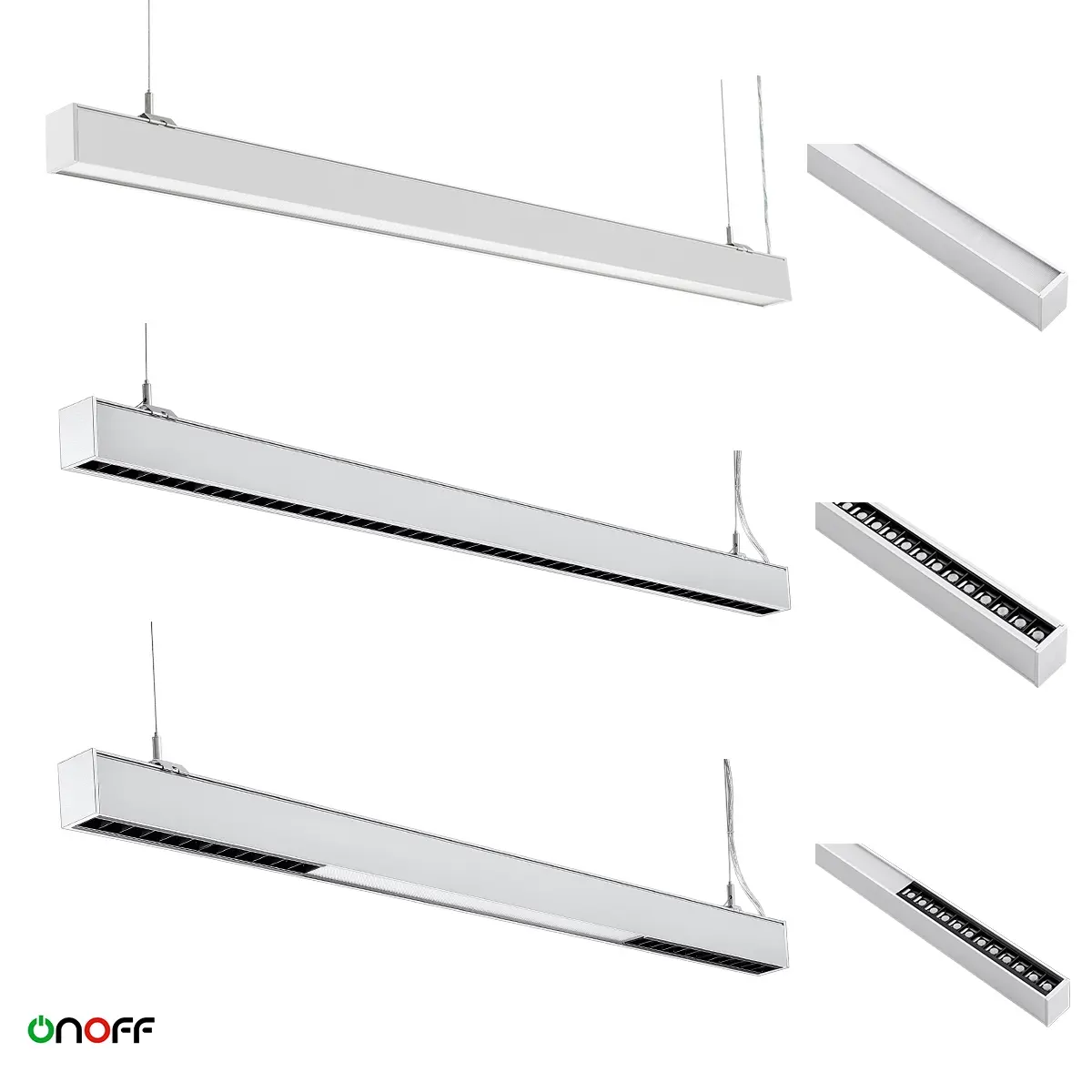
Linear lights are made up of carefully planned groups of LEDs that are housed in metal extrusions or built-in bulb housings. Linear lights have strong thermal management systems, professional-grade optics, and standardized mounting methods, as opposed to basic LED strip lights that have visible circuits on bendable backing. No matter if they are fluorescent or LED alternatives, tube lights have round lamp shapes that make point-source shadows and uneven light distribution.
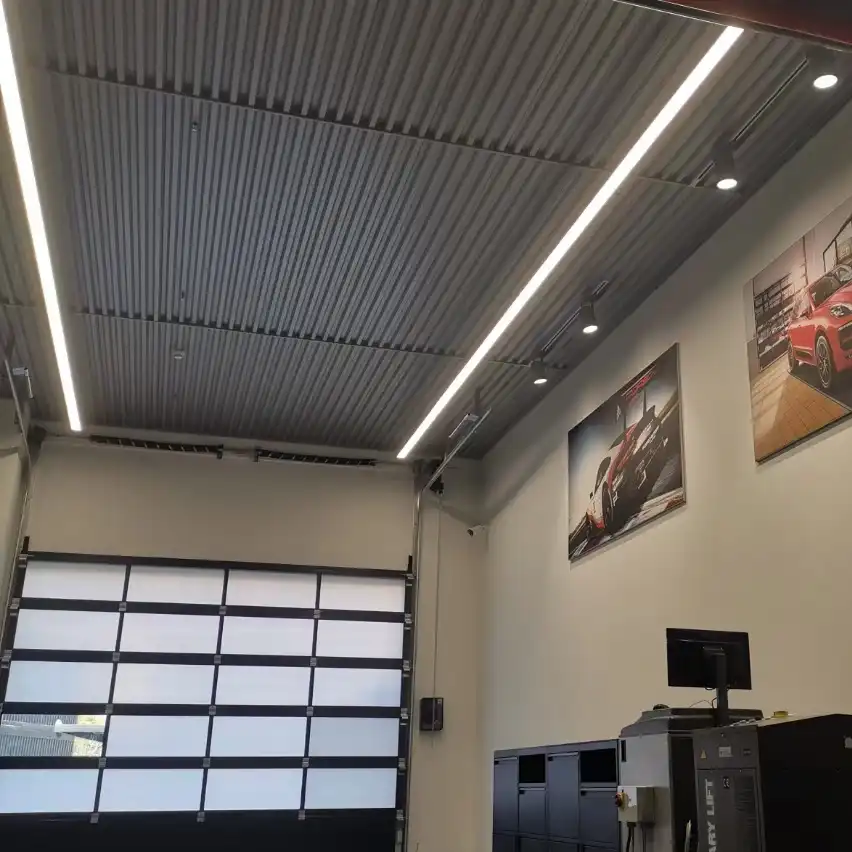
When used in businesses, where consistent lighting quality has a direct effect on output and eye comfort, the structural benefits of linear lights become clear. Linear lights fit right in with building features, ceiling systems, and custom millwork without getting in the way of the view. With this integration feature, designers can create sophisticated ambient settings with continuous lighting effects that improve how space is perceived.
Primary Benefits Including Energy Consumption and Lighting Quality
The best thing about current linear LED devices is that they use less energy. In comparison to fluorescent tube systems, commercial-grade linear lights usually produce 120–150 lumens per watt. This improvement in efficiency immediately leads to less electricity use and lower operating costs over the life of the device.
Improvements to lighting quality go beyond just saving energy; they also affect how colors are shown, how flickering works, and how dimmable the lighting is. Color Rendering Index (CRI) numbers of high-quality linear lights are higher than 90, which makes sure that colors are seen correctly in stores and offices. Eye strain is reduced and prolonged focus is supported in work settings by flicker-free operation. Advanced dimming capabilities allow dynamic lighting control that adapts to changing usage patterns and sun availability.
LED Linear Lighting Technology Advancements
Today's LED linear lighting uses advanced thermal control systems that keep the light output constant over the life of the device. Advanced heat sink designs and thermal contact materials keep LED junction temperatures in the best working ranges. This lets them last for 50,000 hours with little loss of lumens.
Premium linear lighting systems now come with smart control built in as standard. This lets them connect to building automation networks and wireless lighting control platforms. These features allow for more advanced lighting strategies, such as occupancy-responsive dimming, sun harvesting, and circadian rhythm support, which improve the health and comfort of occupants while using the least amount of energy possible.
Key Criteria for Selecting Linear Lights for Commercial Use
It's important to carefully consider the needs and performance standards of each project when choosing linear lights, as they have a direct effect on how well they are installed and how happy the users are in the long term.
Assessing Specific Project Needs and Space Functions
In different business settings, the lighting needs to work in different ways. To be productive and comfortable to look at, offices usually need 300 to 500 lux of light with moderate color temperatures around 4000K. Retail areas benefit from brighter lighting (500–1000 lux) with adjustable color temperatures that make items look better and make shopping more fun.
In warehouse and industrial settings, high brightness power and strong construction are more important than how the light looks. In these places, fixtures usually need to be rated IP65 so they can handle changes in temperature and humidity, as well as the odd hit from machine operation. In factory settings, the fixing height is often higher than 20 feet, so high-output linear systems with specific optical distributions are needed.
Evaluating Energy Efficiency Through Lumen Output and Wattage
To judge energy economy, you have to look at the link between the total amount of light and the amount of electricity used. Using lumens per watt to compare lights is a straight way to do so, but how well they work in real life rests on their optical performance and how they spread light. High-quality linear lights get the job done with fewer fixtures, which lowers both the cost of installation and the amount of energy used over time.
Dimming features make lighting much more energy-efficient by letting you change the amount of light based on how many people are using it and how much sunshine it gets. Linear lights that can be dimmed from 0 to 10V usually have an output range of 10 to 90%. DALI and wireless control systems can handle more complex dimming curves and automatic control methods. Intelligent dimming can save more than 40% of energy in most business settings.
Installation Complexity and Maintenance Requirements
Installation issues affect both the original project prices and how well the system works in the long run. Surface-mounted linear lights are easy to install and don't require much work to the ceiling, so they're good for retrofit jobs and places where there isn't a lot of access to the plenum. Recessed linear systems need to work with ceiling grid systems and HVAC equipment, but they look better when they're integrated.
Access to maintenance is a very important part of figuring out the total cost of ownership. Linear fixtures with lens removal that doesn't require tools and driver chambers that are easy to get to cut down on service time and operating interruptions. Modular driver designs let you change them in the field without taking down the fixture. This helps with quick repair responses and lower downtime costs.
Comparing Popular Linear Light Solutions in the Market
A study of the market shows that different types of linear lighting have different performance and value offerings. This lets you make an informed choice based on your project's goals and your budget.
LED Linear Lights vs Traditional Fluorescent/Tube Lighting Performance
Multiple evaluation factors show that LED linear systems work better than other systems. 40–60% more energy-efficient than lighting lights, which means big savings in running costs, especially in places that are used a lot of hours a year. LED systems give off the same amount of light over the course of their useful lives. Fluorescent lamps, on the other hand, lose lumens over time, so they need to be over-illuminated to keep the minimum light levels.
In business settings, where replacing a lamp costs money, time, and the chance of interrupting work, the maintenance benefits of LED linear lights become clear. Fluorescent systems only last between 20,000 and 30,000 hours, while LED linear lights usually last 50,000 hours. This advantage of long life cuts down on upkeep by 50–70% and gets rid of the need to throw away lamps, which is bad for the environment.
Pricing Categories and Quality Variations
There are three different price ranges for linear lights, each one based on the quality and performance of the parts. Products in this price range usually cost between $15 and $30 per linear foot and have simple LED panels with standard drivers and easier heat management. These options work well in situations where low starting cost is more important than high-end performance features.
Mid-range linear lights that cost between $30 and $60 per linear foot have better thermal control, LED arrays that use less power, and better optical systems. Most of the time, these goods come with dimming options and longer warranties that make them suitable for professional and business use. High-end linear systems that cost more than $60 per linear foot have advanced thermal design, high-CRI LED panels, and complex control integration that makes them suitable for tough building uses.
Brand Reliability and Supplier Evaluation
Well-known brands like Philips, Osram, and Cree offer wide ranges of products with lots of testing information and guarantee support. These brands usually have warranties that last between 5 and 7 years and have a lot of technical help tools. However, new manufacturers often offer similar performance at lower prices and the ability to customize in ways that big names can't.
When evaluating a supplier, you should look at their technical help, inventory, and project management tools. Suppliers with expert agents in the area and the ability to respond quickly are very helpful during the execution and operating parts of a project. Certification compliance, such as UL rating, DLC qualification, and energy code compliance, makes sure that the product is accepted and that the customer can get a utility refund.
Procurement Strategies for Bulk and Custom Linear Light Orders
Procurement strategies that work well balance initial cost concerns with long-term performance needs and building relationships with suppliers.
Negotiation Tips and Bulk Purchasing Advantages
By getting prices directly from the maker and cutting down on handling costs, buying in bulk can save you a lot of money. Volume savings of 15 to 25 percent are common for projects with more than 1000 square feet of fixtures compared to normal distributor prices. Getting makers involved early on in the planning process allows for value engineering, which improves performance while keeping costs low.
Payment terms and flexible delivery schedules add more value to buying than just unit price. Longer payment terms (60 to 90 days) make it easier to handle the project's cash flow, and flexible delivery times help keep the building schedule on track. When you set up blanket buy orders for multi-phase projects, you can lock in good prices and make sure that delivery times work with the real installation needs.
Benefits of Custom Linear Lighting Solutions
Standard linear lighting solutions can't meet certain design needs or performance standards, but custom linear lighting solutions can. Custom-length fixtures don't need to be cut or connected in the field, and they look smooth in building uses. Color temperature matches, special optical distributions, and built-in emergency lights all add to the value of a project and make installation easier.
OEM production partnerships allow for private marking and specification control, which helps brands stand out and ensures quality. These connections give you access to engineering tools and production skills that let you make one-of-a-kind products while keeping prices low by working directly with manufacturers.
Conclusion
When choosing the best linear lights for business projects, you have to balance performance needs with cost concerns while also making sure that the lights will work well and reliably for a long time. By switching from traditional fluorescent systems to LED linear lighting, many practical benefits are gained, such as lower energy costs, better lighting quality, and fewer upkeep tasks. Successful buying strategies focus on building partnerships with suppliers, being able to customize products, and offering a wide range of support services that go beyond just delivering products. Modern LED linear lighting technology offers great value for businesses when it is chosen correctly and put in place with help from an expert source.
FAQ
What is the difference between linear lights and strip lights?
For linear lights, the housings are designed to have professional optics and heat management built in. Strip lights, on the other hand, have open LED circuits on a flexible backing. Linear lights last longer, give off more steady light, and come with professional hanging systems that can be used in business settings. While strip lights are flexible, they aren't built to last and don't always work the same way, which is needed in challenging business settings.
How do LED linear lights contribute to energy efficiency compared to fluorescents?
LED linear systems use 40 to 60 percent less energy than fluorescent lighting because they produce fewer heat waves and more brightness per watt. LED systems give off the same amount of light throughout their entire working life, so there's no need to over-illuminate to make up for fluorescent lamp wear and tear. Advanced dimming features in LED linear systems let you save even more energy with occupancy-sensitive control and sun harvesting.
Are linear lights suitable for damp or outdoor environments?
An IP rating means that linear lights will work reliably in tough conditions, like parking garages, roofs, and outside building uses. Fixtures with an IP65 rating protect against water and dust getting in, but they keep their heat output and thermal performance the same. For long-lasting dependability and good looks, outdoor linear uses need to pay close attention to heat management and UV-resistant materials.
Partner with USKYLED for Your Linear Lighting Success
USKYLED is ready to help you with your business linear lighting projects by using cutting-edge LED technology, letting you customize the lights, and offering full project management services. Our skilled professionals offer expert advice, low bulk prices, and reliable shipping schedules that guarantee the success of your project from the planning stages to the final installation. Email our experts at sales@uskyled.com to talk about your needs and find out how our manufacturer-direct partnership can help you get the best deals on lighting for your business projects.
References
1. "Commercial LED Lighting Design Guidelines for Energy Efficiency," Illuminating Engineering Society of North America, 2023.
2. "Linear LED Lighting Systems: Performance Analysis and Application Guidelines," Journal of Commercial Building Technologies, 2024.
3. "Energy Savings Analysis of LED Linear Lighting in Commercial Buildings," Department of Energy Building Technologies Program, 2023.
4. "Thermal Management in Commercial LED Linear Fixtures: Design Considerations and Performance Impact," LED Professional Review, 2024.
5. "Smart Lighting Control Systems for Commercial Linear Applications," Building Automation and Control Networks, 2023.
6. "Procurement Best Practices for Commercial LED Lighting Projects," National Association of Electrical Distributors, 2024.


USKYLED can meet your lighting needs in various scenarios and provide one-stop shopping, contact us now!
Why You Should Choose USKYLED?
![What is Dimmable Track Lighting for Museum: Best Guide [2025]](/icms/upload/0d08cc601e7611f0b542b3ca0c0f4a83/pic/knowledgemanager-knowledgepic/e7879f32605f11f081911f363b8c1ed0/Directory/20250717 dimmable track lighting -1(1)_1752739217941.webp)