How to Select Durable Waterproof Lighting for Any Environment
Selecting durable waterproof lights for any environment requires understanding IP ratings, environmental demands, and application-specific requirements. The key lies in matching the appropriate protection level to your operational conditions while considering factors such as energy efficiency, certifications, and long-term reliability. Waterproof lights with proper IP65 to IP68 ratings ensure consistent performance across marine, industrial, commercial, and outdoor applications, providing enhanced safety and reduced maintenance costs for your facility.
Understanding Waterproof Lighting: Concepts and Benefits
Waterproof lights represent a specialized category of illumination products engineered to withstand moisture, dust, and environmental challenges that would compromise standard lighting systems. These products utilize advanced sealing technologies and robust materials to maintain optimal performance in demanding conditions.
IP Rating Classifications and Their Applications
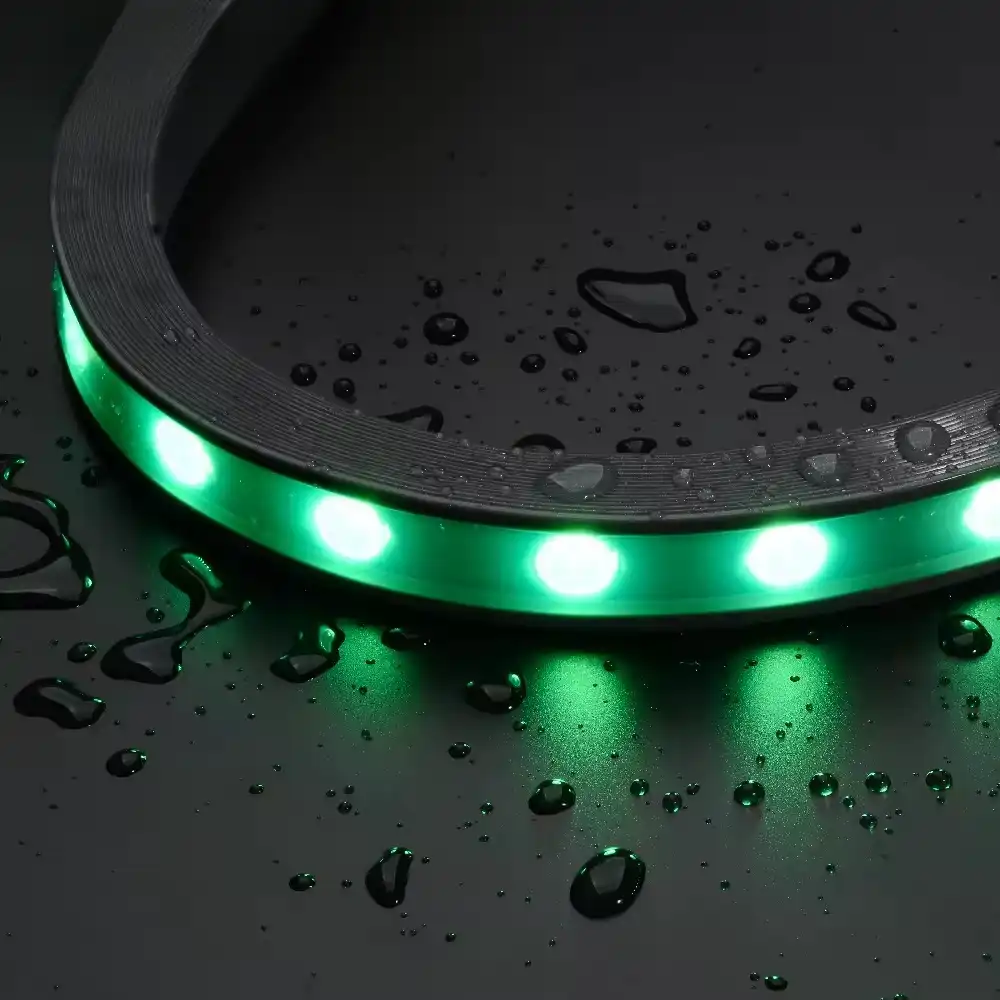
The industry standard for gauging the efficacy of waterproof lighting is the Ingress Protection (IP) rating system. The two numbers that make up the IP code are water resistance and protection against solid particles, respectively. Pay attention to the second number for waterproof applications, where IP65 gives defense against water jets, IP67 may tolerate brief submersion, and IP68 offers total submersion protection. When choosing fixtures for certain locations, it becomes essential to comprehend these classes. While IP65-rated equipment may work well in outdoor business installations, marine applications usually need IP67 or higher classifications. Performance, procurement costs, and long-term operating efficiency are all impacted by the distinction.
Performance Advantages in Commercial Applications
In both commercial and industrial environments, contemporary waterproof light solutions provide quantifiable advantages. When compared to typical lighting, energy efficiency gains of 50–80% drastically lower operating costs. LED waterproof fixtures have a longer lifespan—often over 50,000 hours—which reduces the need for replacements and maintenance interruptions. Improved safety is yet another important benefit. Waterproof designs reduce liability risks and guarantee compliance with workplace safety rules by eliminating electrical dangers in wet settings. In industrial buildings, food processing facilities, and outdoor sites where moisture exposure is continuous, this protection is very helpful.
Key Criteria to Select Durable Waterproof Lighting
Effective waterproof lighting choosing is based on environmental evaluation. Knowing your unique operating circumstances affects control systems, mounting options, material selections, and minimum protective needs.
Environmental Condition Evaluation
Examine patterns of water exposure, such as direct spray, sporadic splashing, or total submersion. Take into account how vibration levels, chemical exposure, and temperature variations may impact fixture performance. Saltwater corrosion is a problem in marine situations, while chemical fumes or very high temperatures may be present in industrial settings. Selection factors are also influenced by exposure to dust and particulates. Outdoor installations exposed to natural debris need a different degree of protection than manufacturing sites that handle metal particles. To guarantee precise IP rating selection and material compatibility, thoroughly document these parameters.
Technical Specification Requirements
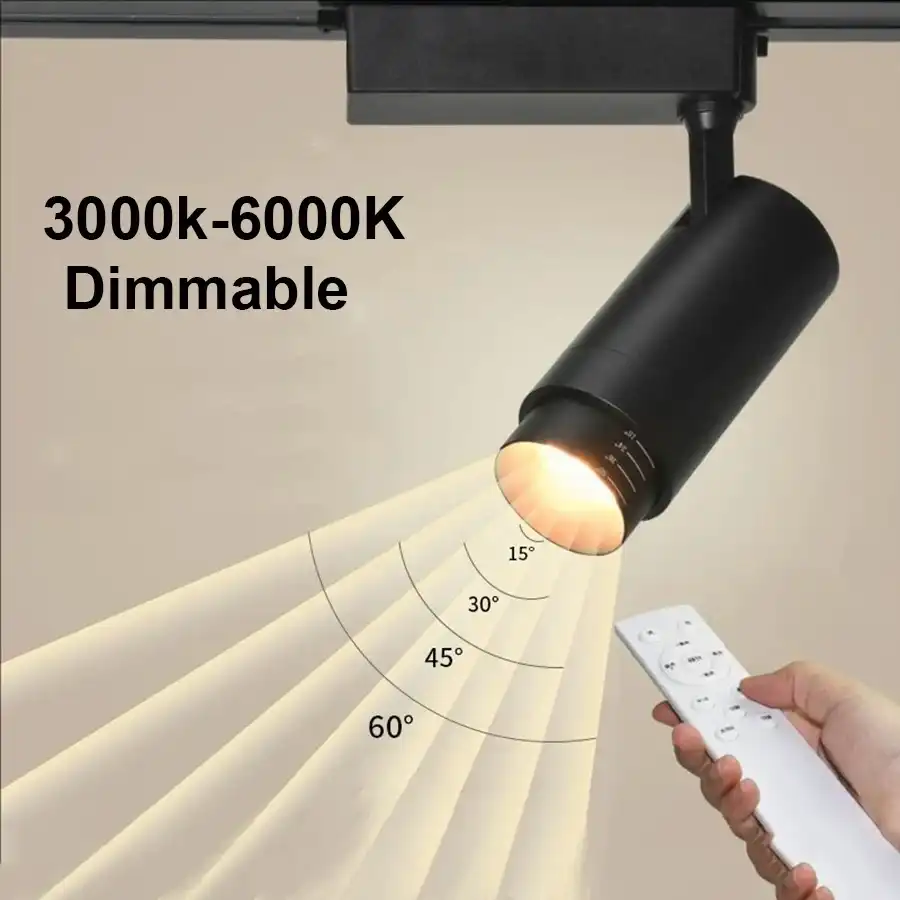
The amount of light required for each application varies greatly. To determine baseline needs, use lux meters to measure the current light levels. Based on operating requirements, take into account beam angles, color temperature preferences, and dimming capabilities. Battery backup systems or fail-safe operating modes may be required for emergency illumination. Calculations of power usage aid in identifying continuing operating expenses and infrastructural needs. Compare LED weatherproof solutions with current lighting systems to determine possible energy savings. Consider interoperability with control systems, such as automatic scheduling and connection with smart lighting.
Certification and Compliance Standards
Global market conformity and product quality are guaranteed by international certifications. For North American uses, UL listing offers confidence, but CE marking denotes European conformance. Additional certifications, such USCG approval or maritime classification society endorsements, are often needed for marine applications. In certain procurement situations, RoHS compliance may be required to guarantee environmental responsibility. DLC certification may improve project economics by offering utility rebate options. Make sure the items you've chosen have the right certifications for the markets and uses you have in mind.
Comparing Waterproof Lighting Solutions: Making Informed Decisions
The waterproof lights market offers diverse technologies and configurations to meet varying operational requirements. Understanding the distinctions between available options enables informed procurement decisions that balance performance, cost, and operational efficiency.
LED Technology Advantages
Modern installations are dominated by LED waterproof lighting because of its greater energy efficiency and long lifespan. These systems provide light that is on par with or better than previous technologies while using 60–80% less energy. In enclosed watertight enclosures, heat management technologies in high-quality LED lighting stop performance deterioration. Smart control integration, color temperature change, and dimming are just a few of the improved features that advanced LED drivers provide. Through sealed control interfaces, these features provide operational flexibility while preserving watertight integrity.
Power Source Comparisons
Although they need an investment in electrical infrastructure, wired systems provide reliable power supply and an infinite operating lifespan. Solar-powered solutions provide energy independence and installation flexibility, which is especially advantageous for temporary or distant installations. Although battery-powered systems are portable and have emergency backup capabilities, they need to be maintained and replaced on a regular basis. Multiple power sources are used in hybrid systems to increase dependability. Continuous functioning during prolonged overcast periods is ensured by solar charging combined with battery backup. When there is a power outage, grid-tied systems with battery backup offer emergency lighting while continuing to function normally under typical circumstances.
Application-Specific Solutions
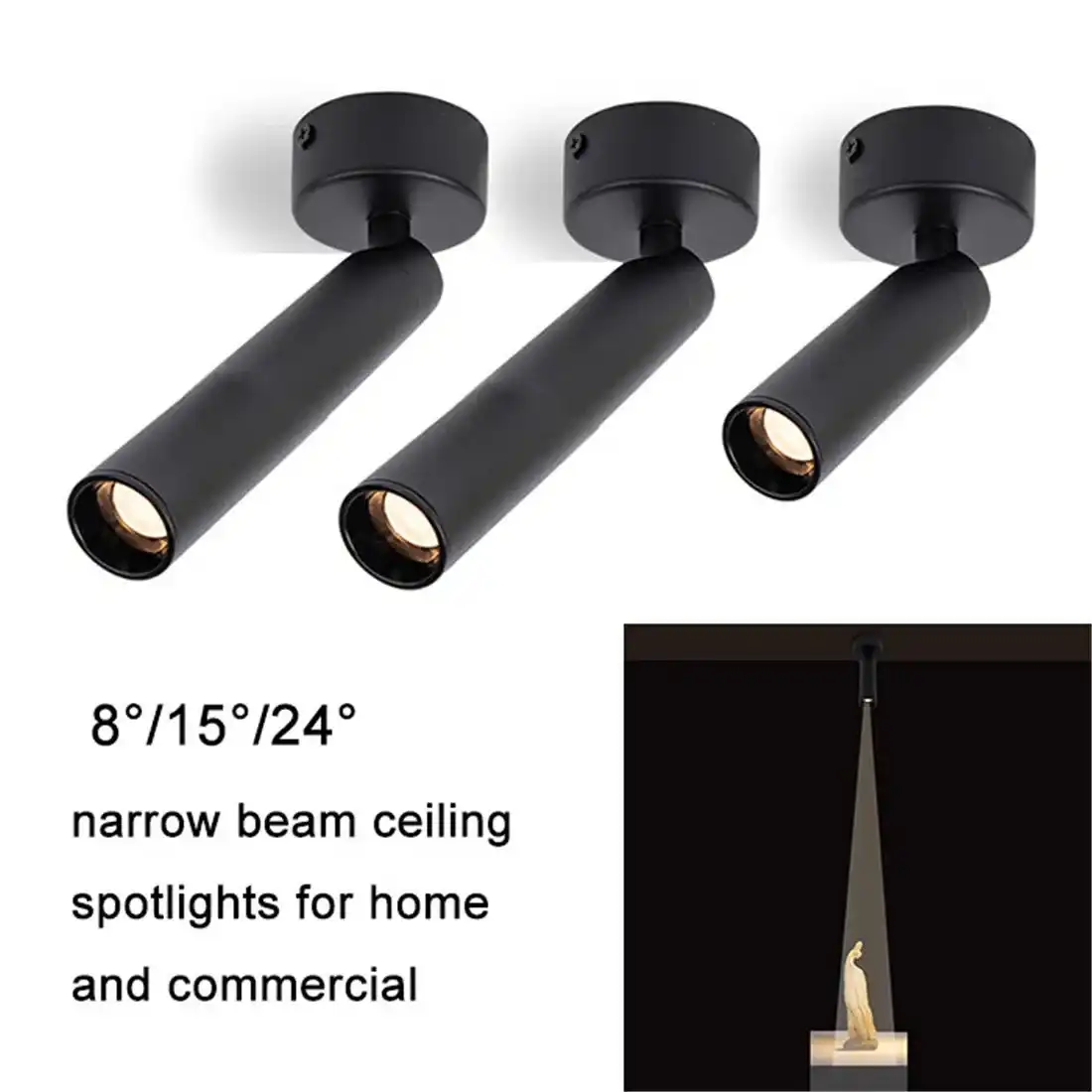
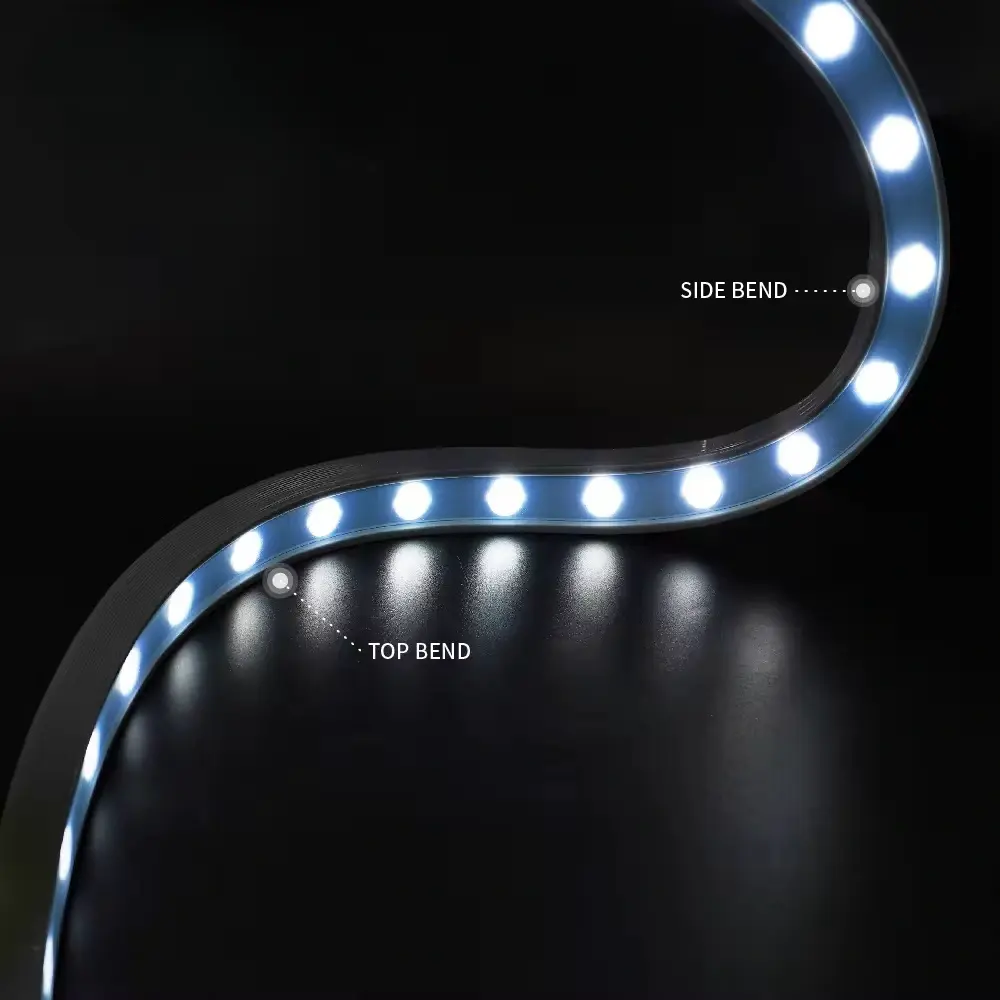
Wide-area lighting is provided by floodlight arrangements, making them appropriate for industrial work zones, parking lots, and building perimeters. For decorative lighting, security purposes, or designated work areas, spot lighting offers concentrated illumination. For industrial operations, architectural elements, or pathways, linear systems provide constant light. Special concerns, such as pressure resistance and material compatibility with chemical treatments, are necessary for underwater illumination. IP68 ratings and specific mounting solutions designed for submerged installation and maintenance access are required for these applications.
How to Source and Procure Waterproof Lighting for Your Business?
Strategic procurement of waterproof lighting systems requires careful vendor evaluation, specification development, and supply chain management to ensure project success and long-term operational efficiency.
Supplier Qualification Process
Assess possible suppliers according to their technical support resources, production prowess, and quality certifications. Ask for comprehensive product details, such as warranty conditions, materials paperwork, and photometric information. To guarantee legitimacy, confirm certificates using databases from independent testing laboratories. Audits of manufacturing facilities provide information on production capacity and quality control procedures. Use industry references and credit assessments to evaluate the financial stability and delivery performance history of your suppliers. For dependable delivery schedule, foreign providers should exhibit their export expertise and logistical skills.
Procurement Strategy Development
Provide a thorough definition of the project's needs, including technical details, deadlines, and performance standards. Determine assessment criteria, such as cost, quality, delivery, and service support, that are weighted based on project priorities. Take into account the whole cost of ownership, which includes estimated service life, maintenance needs, and energy use. For big installations or multi-phase projects, bulk purchase options can provide considerable cost benefits. To guarantee steady product availability for future expansion or replacement requirements, negotiate standardization agreements. To simplify recurring procurement procedures, create framework agreements with eligible providers.
Quality Assurance and Testing
Put in place incoming inspection protocols to confirm that the product complies with certifications and standards. Create procedures for performance testing, such as photometric testing, operational trials in real-world settings, and IP rating verification. To support warranty claims and performance reviews, record test findings. Pre-installation testing lowers installation delays and rework expenses by detecting any problems before to deployment. For essential applications or large-scale installations where performance verification warrants extra expense, take into consideration third-party testing.
Installation and Maintenance Guidelines for Waterproof Lights
Proper installation and maintenance practices maximize waterproof lights' performance and service life while ensuring safety and regulatory compliance throughout the operational lifecycle.
Installation Best Practices
In order to determine mounting sites, power needs, and environmental obstacles, installation planning starts with thorough site assessments. Make sure the mounting surfaces provide sufficient drainage and structural support to avoid water buildup around fixtures. For maritime or chemical exposure scenarios, use mounting gear that is appropriate with the environment, including materials that are resistant to corrosion. In waterproof systems, special care must be paid to electrical connections. According to local electrical rules, only authorized connection techniques—such as waterproof junction boxes, sealed connections, or direct burial cables—should be used. To maintain IP ratings and stop moisture intrusion, use the right cable entrance procedures.
Preventive Maintenance Programs
Frequent inspection plans assist in spotting any problems before they compromise safety or performance. Visual examinations should confirm the cleanliness of the optical components, mounting security, and seal integrity. Record inspection results to monitor performance patterns and spot reoccurring problems that can point to application or design flaws. Cleaning methods vary depending on the use and environment, but they usually include a gentle wash using the right cleaning agents and equipment to avoid damaging optical components or seals. Steer clear of high-pressure cleaning since it may damage gasket seals or introduce moisture into electrical components.
Troubleshooting Common Issues
Moisture penetration, optical contamination, or component age are common causes of performance decline. Methodical troubleshooting techniques assist in locating the underlying reasons and figuring out if replacement or repair is the most economical option. Keep a supply of replacement parts on hand for vital applications where downtime results in high operating expenses. Environmental elements including vibration, heat cycling, and chemical exposure may hasten wear and need modified maintenance plans. To develop predictive maintenance skills, keep an eye on performance metrics like light output, energy use, and operating hours.
Company Introduction and Product & Service Information
USKYLED is a top producer of high-performance waterproof lighting solutions designed to satisfy the exacting demands of commercial and industrial applications across the world. We are able to offer products that surpass industry standards for dependability, efficiency, and durability because to our superior production capabilities and technical experience. Waterproof LED spotlights, floodlights, linear systems, and specialty underwater lighting solutions are all part of our extensive product range. To guarantee adherence to global standards, including UL, CE, and RoHS certifications, every product is put through a thorough testing process.
Superior energy efficiency is achieved by the incorporation of advanced LED technology, which also preserves excellent light quality and operational durability. Continuous product development centered on new market demands and technical advances is fueled by USKYLED's dedication to innovation. Our OEM and ODM capabilities enable customized solutions tailored to specific application requirements, ensuring optimal performance across diverse operational environments. To optimize the value of the customer's investment, technical support services include installation assistance, application advice, and continuous maintenance support.
Conclusion
Selecting durable waterproof lights requires careful consideration of environmental conditions, technical requirements, and long-term operational goals. Success depends on matching appropriate IP ratings to specific applications while evaluating energy efficiency, certification compliance, and supplier capabilities. Strategic procurement approaches that consider total cost of ownership, quality assurance, and maintenance requirements ensure optimal performance throughout the product lifecycle. Proper installation and maintenance practices maximize investment value while ensuring safety and regulatory compliance across diverse operational environments.
FAQ
What is the difference between waterproof and water-resistant lighting?
Waterproof lighting provides complete protection against water ingress under specified conditions, typically rated IP67 or IP68 for temporary or continuous submersion. Water-resistant lighting offers limited protection against splashing or light rain, usually rated IP44 to IP65. The distinction affects application suitability and long-term reliability in moisture-prone environments.
How do I interpret IP ratings for waterproof lighting selection?
IP ratings use a two-digit system where the second digit indicates water protection levels. IP65 protects against water jets, IP67 withstands temporary submersion up to 1 meter, and IP68 allows continuous submersion beyond 1 meter. Select ratings based on expected water exposure in your specific application environment.
Can waterproof lights function in underwater applications?
IP68-rated waterproof lights can operate underwater when properly installed and designed for submersion applications. Consider water pressure, temperature effects, and chemical compatibility when selecting underwater lighting. Specialized underwater fixtures often include pressure equalization systems and materials designed for extended submersion exposure.
Partner with USKYLED for Premium Waterproof Lighting Solutions
USKYLED combines cutting-edge LED technology with proven waterproof design expertise to deliver lighting solutions that excel in challenging environments. Our manufacturing capabilities and quality assurance processes ensure reliable performance across marine, industrial, and commercial applications worldwide. Contact our sales team at sales@uskyled.com to discuss your project requirements and discover how our waterproof lighting solutions can enhance your facility's performance and safety.
References
1. International Electrotechnical Commission. "Degrees of Protection Provided by Enclosures (IP Code) - IEC 60529." Geneva: IEC Standards Publication, 2023.
2. Chen, L. and Rodriguez, M. "Energy Efficiency Analysis of LED Waterproof Lighting Systems in Commercial Applications." Journal of Industrial Lighting Technology, vol. 45, no. 3, 2023, pp. 78-92.
3. Marine Lighting Standards Committee. "Waterproof Lighting Requirements for Commercial Vessels and Offshore Installations." International Maritime Safety Guidelines, 2023 edition.
4. Thompson, R. et al. "Life Cycle Cost Analysis of Waterproof LED Systems in Harsh Industrial Environments." Building Technology Research, vol. 28, no. 7, 2023, pp. 156-171.
5. National Institute of Standards and Technology. "Testing Protocols for Waterproof Electrical Equipment in Commercial Applications." NIST Technical Publication 1875, 2023.
6. Global Lighting Association. "Best Practices for Waterproof Lighting Installation and Maintenance in Commercial Facilities." Professional Lighting Handbook, 12th edition, 2023.


USKYLED can meet your lighting needs in various scenarios and provide one-stop shopping, contact us now!
Why You Should Choose USKYLED?
![What is Dimmable Track Lighting for Museum: Best Guide [2025]](/icms/upload/0d08cc601e7611f0b542b3ca0c0f4a83/pic/knowledgemanager-knowledgepic/e7879f32605f11f081911f363b8c1ed0/Directory/20250717 dimmable track lighting -1(1)_1752739217941.webp)