Essential Factors for Choosing Waterproof Lights in Projects
Selecting the right waterproof lights for commercial and industrial projects requires careful evaluation of multiple technical and operational factors. These moisture-resistant lighting solutions play a crucial role in environments where exposure to water, humidity, and harsh weather conditions is inevitable. Understanding IP ratings, environmental requirements, performance specifications, and installation considerations ensures project success while maximizing long-term value and operational reliability.
Comprehending Waterproof Lights: Key Concepts and Types
The foundation of effective waterproof lighting selection begins with understanding the core principles that distinguish these specialized fixtures from standard lighting solutions. Water-resistant lighting technology incorporates advanced sealing mechanisms, protective housings, and specialized materials designed to prevent moisture ingress while maintaining optimal performance.
Defining IP Ratings and Water Protection Standards
The industry standard for categorizing water and dust resistance in lighting fixtures is Ingress Protection (IP) ratings. The two-digit method gives procurement experts precise instructions on how to assess environmental appropriateness. Liquid protection levels are shown by the second number, whilst solid particle protection is indicated by the first. IP65-rated fixtures are appropriate for outdoor installations subjected to rain and cleaning operations because they provide protection against low-pressure water jets coming from any direction.
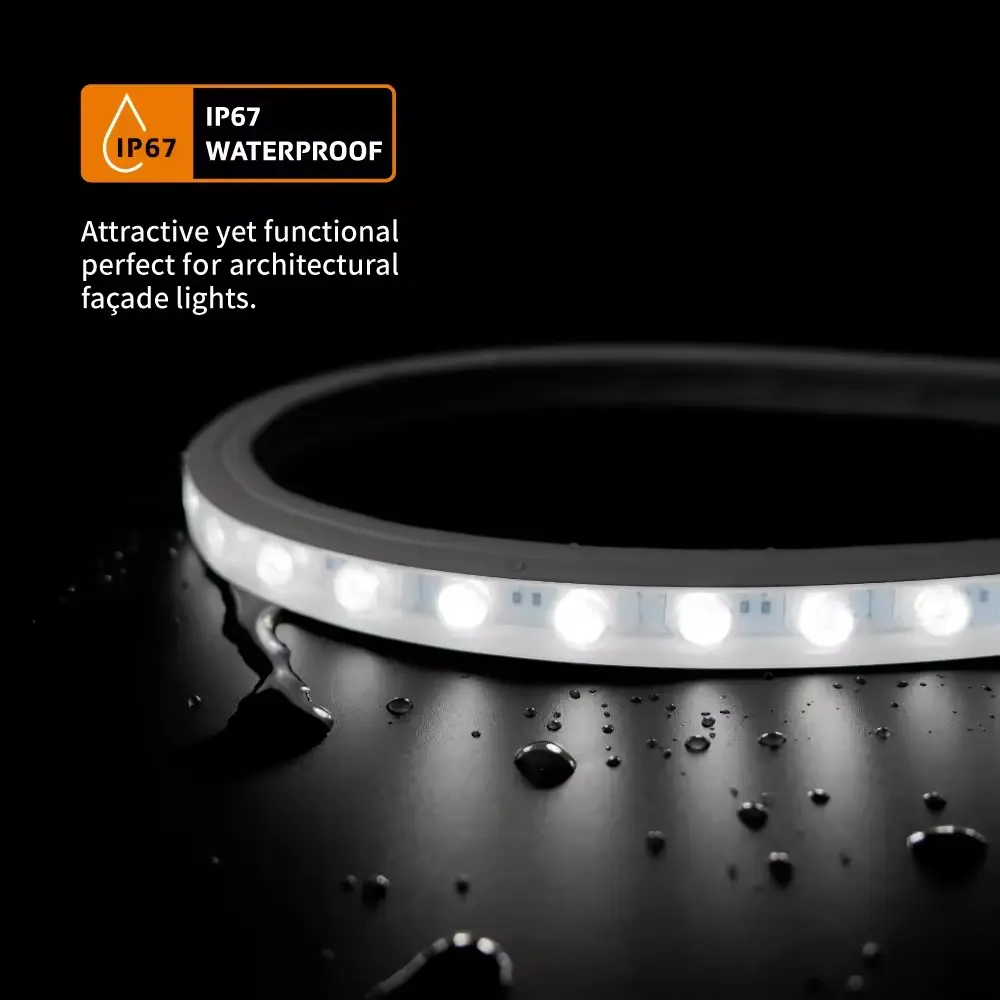
These waterproof lights perform very well in settings with frequent mild moisture exposure, such as parking structures, building facades, and general outdoor illumination. By guaranteeing operation during brief immersion up to one meter for thirty minutes, IP67 protection raises performance requirements. Ground-level installations, pool areas, and maritime environments—where periodic submersion may occur during cleaning or flooding events—all need this grade. The highest level for applications involving continuous submersion is IP68. These lights are perfect for fountain lighting, underwater pool illumination, and marine vessel applications since they can resist permanent underwater installation while retaining full operating capability.
Common Types of Waterproof Lighting Solutions
The market provides a variety of waterproof lighting options that are suited to certain project needs and environmental issues. Because of its strong construction and high brightness output, LED floodlights are widely used in outdoor security and area lighting applications. Wide beam angles and movable mounting brackets are common features of these lamps, making them ideal for perimeter illumination, parking lots, and sports facilities.
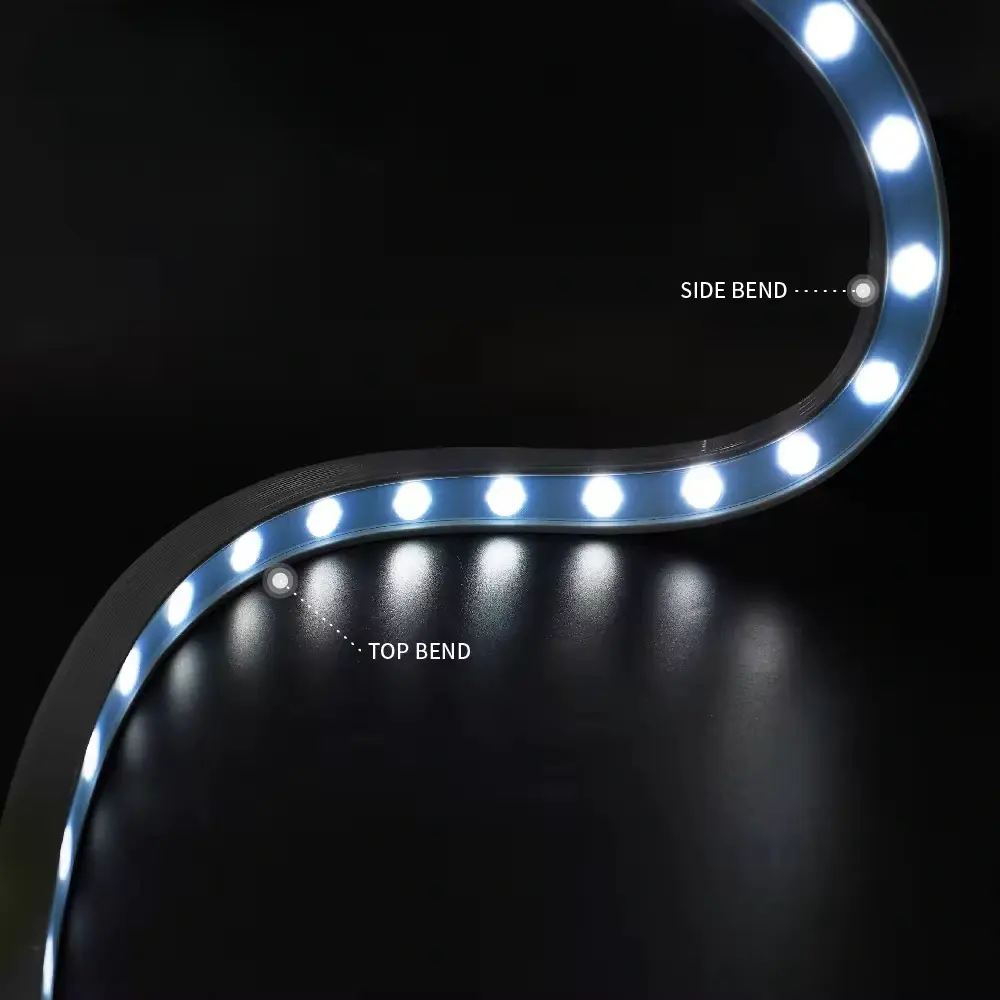
For linear applications, cove illumination, and architectural accent lighting, strip lighting systems provide a variety of installation possibilities. Aluminum tubes and silicone coatings are used in waterproof LED strips to provide moisture protection without sacrificing design freedom. These products perform very well in wet site installations, including outdoor dining establishments, swimming pools, and maritime applications.
Security lighting provides automated illumination for safety applications by combining waterproof construction with motion detecting technologies. In order to provide centralized management across vast sites and guarantee dependable operation in difficult weather conditions, these intelligent fixtures often include wireless connection and remote monitoring capabilities.
Essential Selection Criteria for Waterproof Lights in Procurement
Project-specific requirements drive the selection process for waterproof lights solutions, demanding careful analysis of environmental conditions, performance expectations, and operational parameters. Understanding these criteria enables informed procurement decisions that balance initial investment with long-term operational costs.
Environmental Assessment and Application Requirements
Different project conditions have varying amounts of moisture exposure, necessitating customized protective techniques. Coastal facilities must use specific materials and improved sealing techniques to combat seawater corrosion. Extreme temperature swings, high-pressure washdown processes, and chemical vapors may all affect the choice of fixtures in industrial settings. Thermal cycling impacts on sealing integrity are among the temperature issues that go beyond basic operating limits.
Temperature-compensated sealing mechanisms in high-quality waterproof fixtures minimize moisture development within the housing while maintaining protection across a broad temperature range. Another important element affecting the need for protection is the length of exposure. Compared to permanent submersion applications, different protection measures are needed for temporary exposure during cleaning operations. By comprehending operating trends, protection levels may be optimized without needlessly raising project costs via over-specification.
Performance Specifications and Energy Efficiency
Throughout the fixture lifespan, lighting performance measurements have a direct influence on project success and operating expenses. Depending on the demands of the application, different lumen output levels are required; for example, security lighting requires greater intensity levels than ornamental accent lighting. By being aware of photometric needs, one may prevent energy waste from over-lighting and guarantee proper illumination. In waterproof lighting applications, the choice of color temperature has an impact on both operation and user experience.
While chilly temperatures (4000K–6500K) improve visibility and security in commercial and industrial settings, warm color temperatures (2700K–3000K) produce hospitable surroundings ideal for residential and hospitality applications. Compared to conventional lighting sources, LED technology provides higher energy efficiency; contemporary fixtures may achieve effectiveness levels of more than 150 lumens per watt. For large-scale facilities that run constantly, this efficiency immediately translates into decreased energy consumption and running expenses.
Certification Standards and Compliance Requirements
International certification standards guarantee that waterproof lighting fixtures fulfill performance and safety criteria in international markets. For installations in North America, UL certification offers assurance on environmental performance criteria, building quality, and electrical safety. For projects catering to European markets or international facilities needing uniform standards, the CE designation denotes adherence to European safety and environmental regulations.
In addition to guaranteeing energy efficiency criteria, DLC accreditation may make projects eligible for utility rebates. By limiting the use of hazardous materials in electronic components, RoHS compliance helps to address environmental concerns. For businesses with environmental responsibility pledges and sustainability requirements, this accreditation is becoming more and more crucial.
Market Options and Solution Comparison for B2B Buyers
The market for commercial waterproof lighting offers a wide range of alternatives in terms of application specialties, performance levels, and pricing points. Strategic sourcing choices that maximize value and guarantee project needs are successfully fulfilled are made possible by an understanding of market dynamics. Strong construction and dependable performance appropriate for demanding applications are the main priorities of commercial-grade manufacturers.
Extended warranties, thorough technical support, and a track record of success in demanding conditions are common features of these systems. The overall cost of ownership often turns out to be advantageous because of the longer operating life and lower maintenance needs, even if the initial expenditures may be greater. Manufacturers of specialized maritime lighting provide goods designed especially for use aboard vessels and in saltwater settings. These fixtures have mounting systems that are resistant to vibration, corrosion, and electrical connections made in accordance with maritime electrical regulations.
Superior performance for offshore and coastal installations is a direct result of the knowledge in marine applications. Experts in industrial lighting provide solutions designed for heavy-duty, processing, and manufacturing applications. Durability, ease of maintenance, and compatibility with industrial electrical systems are the major features of these items. Specific industrial safety standards are addressed by features like hazardous area ratings and explosion-proof construction.
Procurement Strategies for Large-Scale Projects
For large-scale projects, bulk procurement options provide substantial cost savings while guaranteeing uniformity across installations. For large purchases, manufacturers often provide longer warranties, volume discounts, and special project assistance. Building connections with preferred vendors helps guarantee technological compatibility and support continuity while streamlining future buying. OEM collaborations provide for competitive pricing and customized solutions that are suited to particular project needs.
These connections are especially helpful for unusual applications that need for customized features or altered specs that aren't found in regular product lines. Pricing and support availability are impacted by the choice of distribution channel. Although there may be minimum purchase quantities required, direct manufacturer partnerships provide the greatest value and technical assistance. While preserving product originality and warranty coverage, authorized distributors provide lower order flexibility and local assistance.
Installation and Maintenance Best Practices for Long-Term Project Success
Appropriate installation practices guarantee that waterproof lighting systems function as intended and provide the appropriate levels of protection for the duration of their useful lives. Comprehending installation specifications and maintenance procedures minimizes long-term operating expenses while safeguarding initial expenditures.
Professional Installation Techniques
Maintaining manufacturer-specified protection levels via appropriate installation methods is crucial to waterproof integrity. Specialized waterproof connectors and sealing techniques that provide dependable electrical contact while preventing moisture penetration are needed for electrical connections. Expert installation crews are aware of these specifications and have the equipment needed to do the job correctly. Beyond simple mechanical connection, mounting issues may include temperature control and drainage. In addition to guaranteeing sufficient circulation for heat dissipation, proper orientation avoids water buildup.
Proper grounding and surge protection are two examples of quality installation techniques that guard against power system disruptions and lightning-induced electrical damage. Maintaining the dependability and aesthetics of the system depends heavily on cable management. Properly sealed conduit systems, waterproof cable glands, and suitable cable routing safeguard electrical connections while making future maintenance access easier. Professional installation guarantees adherence to regional safety regulations and electrical codes.
Preventive Maintenance and Troubleshooting
Fixture life is increased by routine maintenance procedures, which also guarantee steady performance throughout the course of operation. Visual checks spot possible corrosion, physical damage, or seal deterioration before these problems jeopardize waterproof protection. Premature failures may be avoided by scheduling inspections according to the severity of the environment. Care must be taken during cleaning processes to prevent harming optical components or protective seals.
Cleaning methods and solutions suggested by the manufacturer preserve watertight integrity while maintaining optical performance. High-pressure washing or harsh chemicals might damage sealing systems and nullify warranty coverage. Performance monitoring detects electrical difficulties or dwindling light output, which might be signs of internal troubles. Throughout their operational life, waterproof lights usually provide constant output, thus abrupt variations in performance are obvious signs of possible problems that need to be addressed.
Company Introduction and Product & Service Information
One of the top producers of high-performance waterproof lighting systems for demanding commercial, industrial, and marine applications is USKYLED. Our extensive product line includes IP65, IP67, and IP68-rated fixtures designed to provide dependable performance even in the most demanding settings. Commercial-grade floodlights, linear strip systems, and specialty maritime lighting solutions are all part of our waterproof LED product portfolio.
Each product uses cutting-edge LED technology with flicker-free performance appropriate for professional applications and CRI scores higher than 90. Building automation systems may be seamlessly integrated with smart control compatibility, which also offers scheduling and energy monitoring features. Custom OEM/ODM services use specialized design and production skills to meet specific project needs. In order to provide customized solutions that satisfy precise requirements and are yet affordable for extensive implementations, our technical team works in tandem with customers.
For projects ranging from minor installations to significant infrastructure upgrades, scalable manufacturing capacity guarantees dependable delivery dates. Every fixture satisfies worldwide certification requirements, such as UL, CE, and RoHS compliance, thanks to quality assurance procedures. Before shipping, thorough testing processes confirm electrical safety, optical performance, and waterproof integrity. Continuous assurance for project success is provided by rapid technical assistance and extended warranty coverage.
Conclusion
Selecting appropriate waterproof lights for commercial and industrial projects requires comprehensive evaluation of environmental conditions, performance requirements, and long-term operational considerations. Understanding IP rating classifications, certification standards, and installation requirements ensures successful project outcomes while maximizing return on investment. Professional procurement approaches that consider manufacturer capabilities, support services, and total cost of ownership deliver superior results compared to price-focused decisions alone.
FAQ
What IP rating should I choose for different outdoor applications?
IP65 ratings suit most outdoor applications including building facades, parking areas, and general landscape lighting where rain and cleaning exposure occurs. IP67 provides enhanced protection for ground-level installations and areas subject to occasional flooding. IP68 ratings are essential for permanent underwater applications such as fountain lighting and pool illumination.
How do waterproof lights perform in extreme weather conditions?
Quality waterproof fixtures withstand temperature extremes from -40°F to 140°F while maintaining protection integrity. Thermal compensation in sealing systems prevents condensation formation during temperature cycling. Wind resistance and impact ratings ensure structural integrity during severe weather events.
Can waterproof LED lights be dimmed and controlled remotely?
Modern waterproof LED fixtures support various dimming protocols including 0-10V, DALI, and wireless control systems. Smart waterproof lights integrate with building automation systems for scheduling, monitoring, and energy management. Waterproof control interfaces maintain protection standards while enabling advanced functionality.
Partner with USKYLED for Premium Waterproof Lighting Solutions
USKYLED delivers cutting-edge waterproof lights engineered for demanding commercial and industrial applications worldwide. Our comprehensive product portfolio combines advanced LED technology with robust waterproof construction to ensure reliable performance in challenging environments. Contact our engineering team at sales@uskyled.com to discuss your specific requirements and receive detailed product recommendations.
References
1. International Electrotechnical Commission. "IEC 60529: Degrees of Protection Provided by Enclosures (IP Code)." 3rd Edition, 2013.
2. Illuminating Engineering Society of North America. "IES LM-79-19: Approved Method for the Electrical and Photometric Measurements of Solid-State Lighting Products." 2019.
3. National Electrical Manufacturers Association. "NEMA Standards Publication 250: Enclosures for Electrical Equipment (1000 Volts Maximum)." 2018.
4. U.S. Department of Energy. "Solid-State Lighting Research and Development: Multi-Year Program Plan." Office of Energy Efficiency and Renewable Energy, 2020.
5. American National Standards Institute. "ANSI C78.377-2017: Specifications for the Chromaticity of Solid State Lighting Products." 2017.
6. Marine Equipment Directive Council. "Marine Equipment Directive 2014/90/EU: Technical Standards for Marine Electrical Equipment." European Union, 2014.


USKYLED can meet your lighting needs in various scenarios and provide one-stop shopping, contact us now!
Why You Should Choose USKYLED?
![What is Dimmable Track Lighting for Museum: Best Guide [2025]](/icms/upload/0d08cc601e7611f0b542b3ca0c0f4a83/pic/knowledgemanager-knowledgepic/e7879f32605f11f081911f363b8c1ed0/Directory/20250717 dimmable track lighting -1(1)_1752739217941.webp)