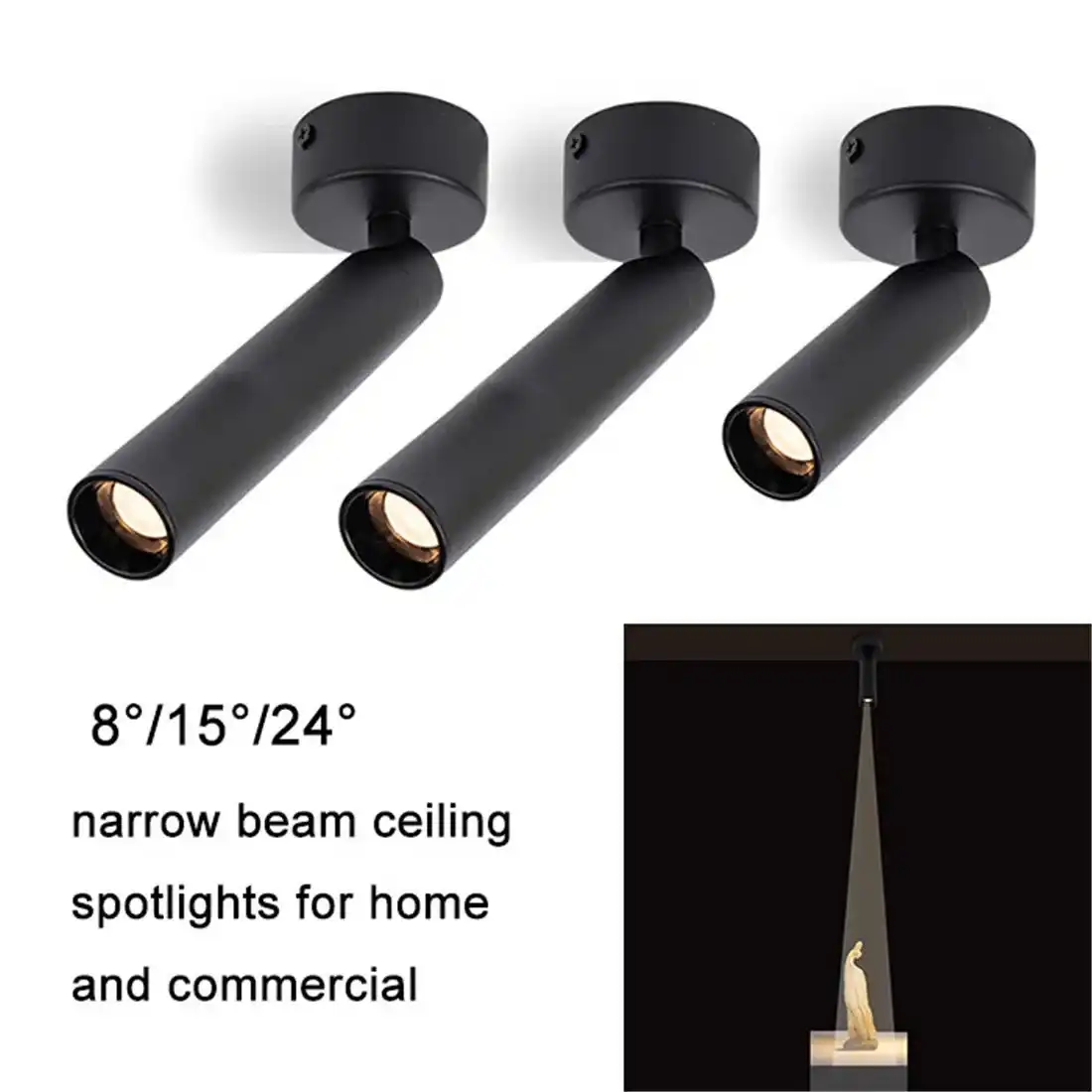
No Main Lighting Growth in UK and China Manufacturing
No main lighting represents a revolutionary approach to illumination design that eliminates traditional central fixtures in favor of distributed, integrated lighting systems. This design philosophy creates sophisticated ambiance through strategic placement of multiple light sources, offering enhanced flexibility and aesthetic appeal. The UK and China markets are experiencing remarkable growth in this sector, driven by evolving architectural trends and smart building technologies that prioritize adaptive, energy-efficient lighting solutions.
Overview of No Main Lighting and Its Growing Market in the UK and China
No main lighting is a new way to create lighting that gets rid of standard central fixtures and replaces them with spread, integrated lighting systems. By strategically placing multiple light sources, this design theory creates a smart atmosphere that is both flexible and aesthetically pleasing. This market is growing very quickly in the UK and China. This is because of changing architecture styles and smart building technologies that focus on flexible, energy-efficient lighting solutions.
Moving away from traditional single-point lighting and toward more complete lighting strategies, the idea of spread lighting systems is a big step forward. Instead of standard rooms with chandeliers in the middle, these systems use track lighting, recessed lights, wall sconces, and built-in architectural features that all work well together. With this method, designers and building managers can make lighting zones that change based on the time of day and the type of activity or mood being observed.
This method is becoming more and more popular in modern business areas because it allows for flexible space use and improves the user experience. Hotels can change their lighting for different events, and task-specific lighting in the office makes people more productive and lessens eye pain. Smart sensors and automatic controls that react to occupancy and natural light conditions are some of the newer technologies that are used in these systems.
The UK market is helped by strict rules about saving energy and an established design culture that values high-end lighting looks. Architects and interior designers in Britain have come to see spread lighting systems as necessary for making high-end homes and businesses. Adoption rates have gone up quickly, especially in new construction projects and big upgrades, thanks to government programs that encourage green building practices.
The world supply line for advanced lighting components has changed because of China's manufacturing skills. Because of the country's rapid urbanization and huge building projects, there is a huge need for new lighting options, with no main lighting systems being overlooked. Chinese companies have put a lot of money into researching and mass-producing LED technology, which makes it possible for complicated lighting systems to be used cost-effectively in many market areas.
Businesses looking for reliable lighting options can benefit in different ways from each area. The UK is great at customizing and integrating high-end designs, which makes it perfect for high-end projects and unique uses. When British makers make something, they focus on using high-quality materials and complex control systems that meet strict design requirements.
China's production skills are very good at both mass production and fast development, which lets big projects be finished quickly. Technology hubs like Shenzhen and others have advanced manufacturing sites that make parts that meet international quality standards and keep prices low. Because Chinese sellers offer both high quality and low prices, global buying teams are becoming more interested in them.
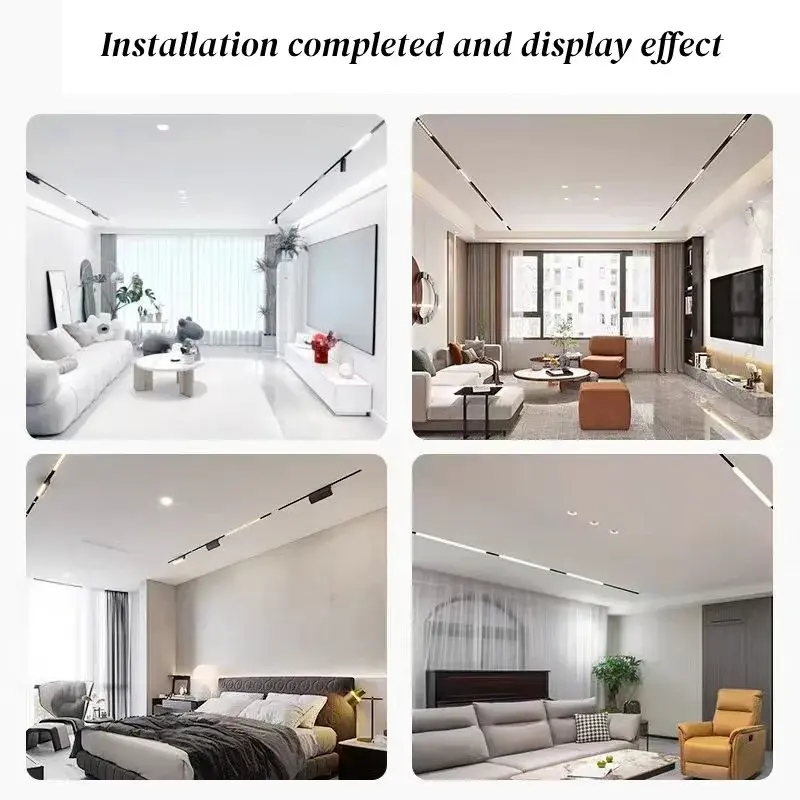
Advantages and Challenges of No Main Lighting in Modern Interior Design
Distributed lighting systems have big benefits that solve problems that happen a lot in business settings. Less glare and no shadows mean better eye comfort, which makes the workplace more pleasant for both workers and clients. Compared to traditional lighting installations, improvements in energy efficiency usually run from 30 to 50 percent. This has a direct effect on daily costs and sustainability measures.
You can't say enough good things about how flexible these tools are. Lighting and color temperature can be changed in stores to draw attention to items and change how customers act. Circadian lighting is helpful for employees' health and keeps them sharp during the workday in corporate buildings. Hotels and restaurants can set different moods for different events and times of the day without having to build separate lighting systems.
Installation flexibility lets it fit into a wide range of building types and room arrangements. Whether you're fixing up old buildings or making new business spaces, distributed systems can work with the limitations of the structure while still providing uniform lighting quality. Due to their versatility, they are especially useful for renovation jobs where standard lights might not work.
Even though spread lighting systems have many benefits, they can be hard to set up and need careful thought. Higher original investment costs can worry procurement teams that are watching their budgets, but the cost is usually covered within 3–5 years by saves on energy and less upkeep.
The level of technical difficulty calls for installation teams with a lot of knowledge and ongoing upkeep help. Proper system setup makes sure that everything works at its best and stops problems that could hurt the quality of the lights or the system's ability to save energy. Working with reputable makers who offer full technical support and training can help lower these risks and make sure the project turns out well.
To get the desired visual effects while keeping the building's practical usefulness, architects, builders, and lighting experts must work together closely on design coordination. Early planning and thorough specs keep changes to the plans from being too expensive during construction and make sure that the building systems work well together.
Manufacturing Innovations and Supply Chain Dynamics in UK and China
In both areas, new manufacturing technologies are aimed at raising the quality of products, cutting down on production costs, and making customizing easier. Precision engineering and high-quality materials that work better in tough situations are important to UK producers. High-tech testing labs make sure that goods meet strict quality standards and the certification needs of foreign markets.
Chinese companies have put a lot of money into automatic production lines and quality control systems that make large-scale production reliable, even in markets where no main lighting systems are commonly used. Modern techniques for making LED chips and advanced optical design tools make it possible to make high-performance lighting parts that can compete with well-known brands from Europe and the US. Innovations in areas like digital controls, sensor integration, and environmentally friendly production methods are still being driven by research and development funds.
Supply chain management that works well is now necessary to keep prices low and meet the needs of a growing market. Just-in-time delivery and close customer ties are important to UK sellers because they let them respond quickly to changing needs. Being close to European markets helps with logistics and makes it easier to get expert help for big tasks.
To get savings of scale, Chinese supply chains use their huge production capacity and well-established networks for getting parts. Vertical integration lets companies manage prices and quality all the way through the production process, from the raw materials to the finished goods. Strategic relationships with foreign wholesalers help the company reach more people around the world while still letting technology issues be handled directly by the maker.
Certification compliance is still needed to get into markets, especially in heavily controlled areas like Europe and North America. Manufacturers in both the UK and China have thorough approval programs that cover environmental, safety, and efficiency standards. These licenses give procurement teams the confidence to choose goods that meet government standards and insurance requirements.
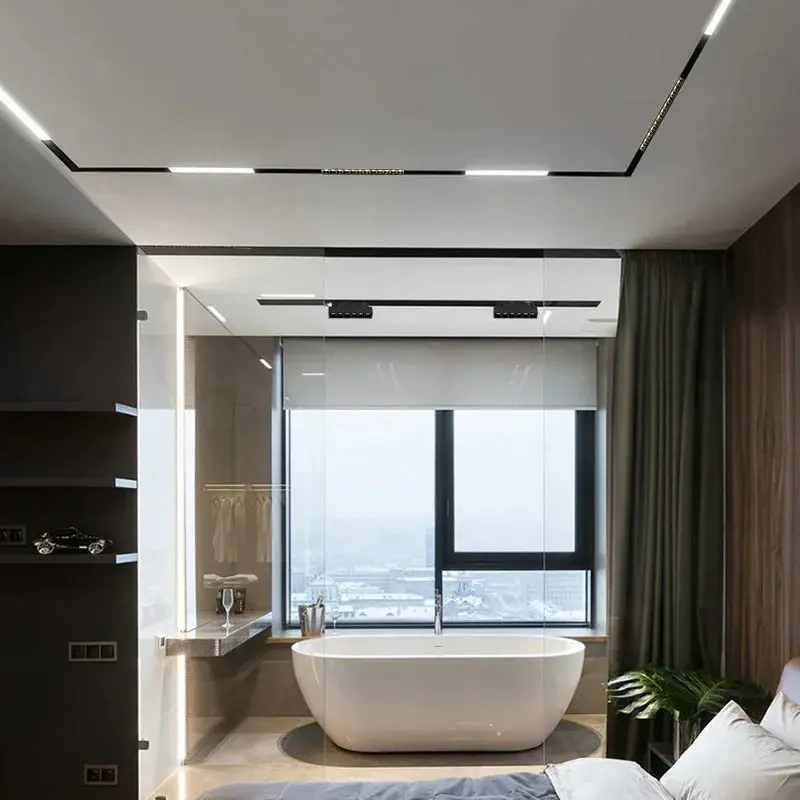
How to Choose and Implement No Main Lighting Solutions for Business Needs?
For lighting projects to be successful, many things must be carefully considered in addition to the beginning cost of the products. Light output specs need to match the needs of the application, taking into account things like mounting height, beam angles, and color rendering index values. Energy use has a direct effect on running costs and sustainability metrics, which is why efficiency scores are so important when choosing a product.
Long-term financial value is protected by products that are reliable and come with warranties. Manufacturers with a good reputation offer extensive warranties and quick technical help that keep downtime and repair costs to a minimum. Being able to work with current building management systems lets you centralize control and tracking, which makes operations run more smoothly.
Customization choices let you change things to fit the needs of a specific project without changing the way the design works or the purpose of the design. Modular systems make it easy to make changes or add ons in the future, and they keep the installation's look consistent throughout.
Professional placement guarantees that the system works well and lasts a long time. Installing something correctly is the job of qualified teams who know about electrical needs, mounting requirements, and finishing processes that keep problems from happening. Installing something correctly also protects your warranty and makes sure you follow all local safety and electricity rules.
Regular repair programs keep systems running well and extend the lives of their parts. Cleaning, replacing lamps on time, and keeping the control system up to date on a regular basis keep the lighting quality high and avoid expensive emergency fixes. Total ownership costs usually go down and user happiness goes up with proactive upkeep.
Training programs help building staff understand how systems work and how to fix basic problems. Complete paperwork and user guides make it easy to use and provide reference materials for when changes or additions are made in the future.
Future Outlook: Growth Opportunities and Strategic Recommendations for Buyers and Manufacturers
Adding the Internet of Things is the next big step forward for spread lighting systems. Smart monitors and digital connections let buildings automatically respond to occupancy, daylight levels, and user preferences. They also give useful information about how space is used and how much energy is used. These features help facility managers make choices based on facts and improve business efficiency.
Human-centered lighting solutions are being developed because more people are becoming aware of how lighting can affect health and productivity, especially in environments with no main lighting systems. Supporting circadian rhythms by automatically adjusting color temperature helps keep normal sleep and wake cycles. These features are especially useful in places like hospitals, senior living facilities, and business offices where the health and happiness of the people who work there directly affects results.
As the hospitality industry grows, there are huge chances for high-tech lighting options that make the guest experience better while lowering costs. Hotels and restaurants are becoming more aware of how lighting can help make settings unique, which helps brands stand out and keeps customers coming back.
Another growing market is healthcare facilities, where the quality of the lighting has a direct effect on how well patients do and how well staff do their jobs. Because surgical suites, patient rooms, and general areas have different needs, there is a need for flexible systems that can serve many tasks while still using little energy.
Smart city building projects around the world make it possible to install a lot of lights that work with systems for managing cities. More and more, public buildings, transportation hubs, and street lights are using interconnected systems that allow for central tracking and control while using less energy.
Conclusion
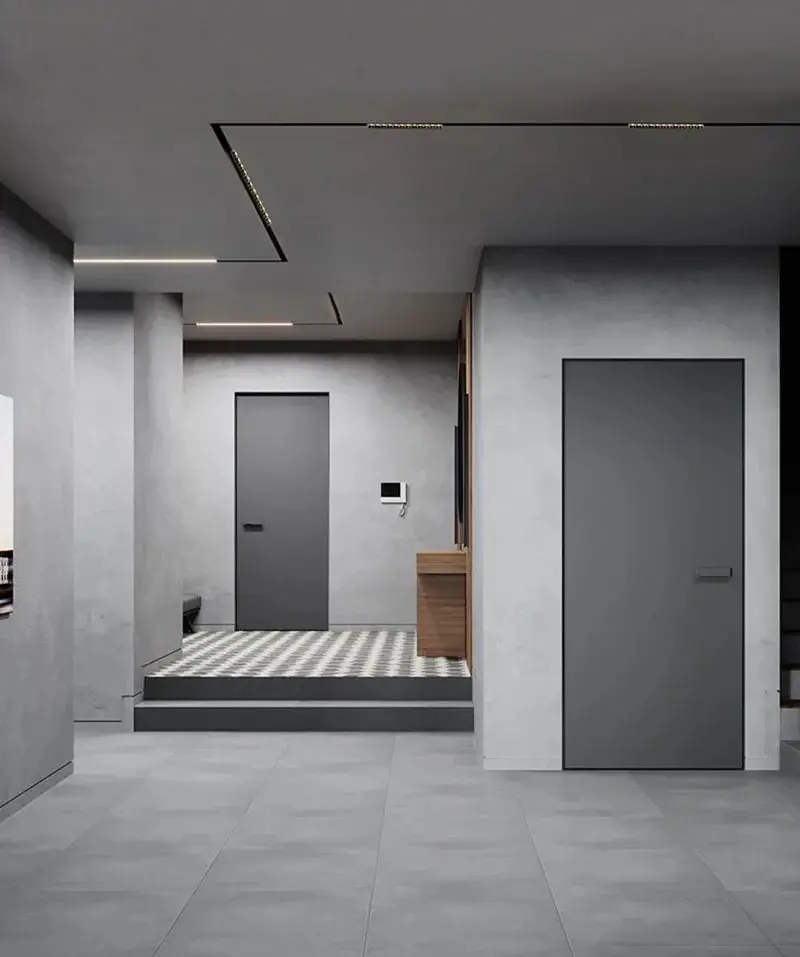
There are no main lighting systems that completely change the way businesses and homes are lit up and offer real benefits in terms of energy savings, design flexibility, and user experience. The industrial industries in both the UK and China bring something different to this growing market. For example, the UK is good at high-end tailoring, while China is good at mass production and coming up with new technologies. For execution to go well, the right products must be chosen, installed by professionals, and supported by ongoing upkeep. The picture for the future is still very good. New technologies like IoT integration and lighting that is designed to fit people's needs are helping the market grow in many areas.
FAQ
What exactly is no main lighting and how does it differ from traditional lighting?
Instead of a single center fixture, there are many light sources spread out throughout a room when there is no main lighting. This system doesn't rely on just one chandelier or ceiling fixture. Instead, it mixes track lighting, recessed lights, wall lamps, and architectural lighting elements. As a result, there is more even lighting without sharp shadows, and you have more control over the mood and usefulness.
How does cost-effectiveness compare between distributed lighting and conventional fixtures?
The original funding costs for distributed systems are usually 20–40% higher than those for standard installations. However, the operational saves from better energy economy usually make up for this within three to five years. Long-term worth is also increased by LED technology and smart controls, which lower the need for upkeep and make parts last longer. Over a 10-year time, total capital costs tend to favor distributed systems.
Which regions offer the most reliable sourcing for professional lighting projects?
There are great chances to source goods in both the UK and China, but each has its own benefits. High-end customization and quick expert help are what UK makers do best, which makes them perfect for high-end projects with complicated requirements. Chinese providers have low prices and can handle large amounts of orders while still keeping international quality standards. The decision will depend on the needs of the job, the available budget, and the time frame.
Partner with USKYLED for Advanced Lighting Solutions
USKYLED provides cutting-edge lighting technology that changes the look of business areas with new distributed systems. Our wide range of products includes smart track systems, architectural luminaires, and LED solutions that can be customized to meet the needs of challenging business settings. Get in touch with our knowledgeable staff at sales@uskyled.com to learn more about our premium no main lighting manufacturer relationships that can help you with your next project and provide you with reliable supply chain support.
References
1. "LED Lighting Market Analysis: Growth Trends in Commercial Applications" - International Energy Agency Commercial Buildings Report, 2023
2. "Smart Building Technologies and Distributed Lighting Systems" - Building Research Establishment Technical Publication, 2023
3. "Manufacturing Competitiveness in LED Lighting: UK and China Market Analysis" - Oxford Institute for Energy Studies Industrial Report, 2023
4. "Sustainable Lighting Design Practices in Commercial Environments" - Royal Institute of British Architects Professional Guidelines, 2023
5. "Global Supply Chain Dynamics in LED Manufacturing" - McKinsey Global Institute Technology Sector Review, 2023
6. "Energy Efficiency Standards and Lighting Technology Adoption" - European Commission Energy Performance Building Directive Analysis, 2023


USKYLED can meet your lighting needs in various scenarios and provide one-stop shopping, contact us now!
Why You Should Choose USKYLED?
![What is Dimmable Track Lighting for Museum: Best Guide [2025]](/icms/upload/0d08cc601e7611f0b542b3ca0c0f4a83/pic/knowledgemanager-knowledgepic/e7879f32605f11f081911f363b8c1ed0/Directory/20250717 dimmable track lighting -1(1)_1752739217941.webp)