How to Tell If LED Driver Is Bad
The LED driver is often to blame when your business lighting system stops working right. An LED driver controls the flow of electricity to LED lights, keeping the brightness steady and protecting sensitive parts from changes in power. Early detection of a failed driver avoids costly downtime and keeps the quality of lights in hotels, offices, and factories. If your lights flash, buzz, or go out completely, it's probably because the driver isn't working right, not the LED chip. Facility managers and buying teams can quickly get new items when they know these danger signs.
Understanding the Role of an LED Driver
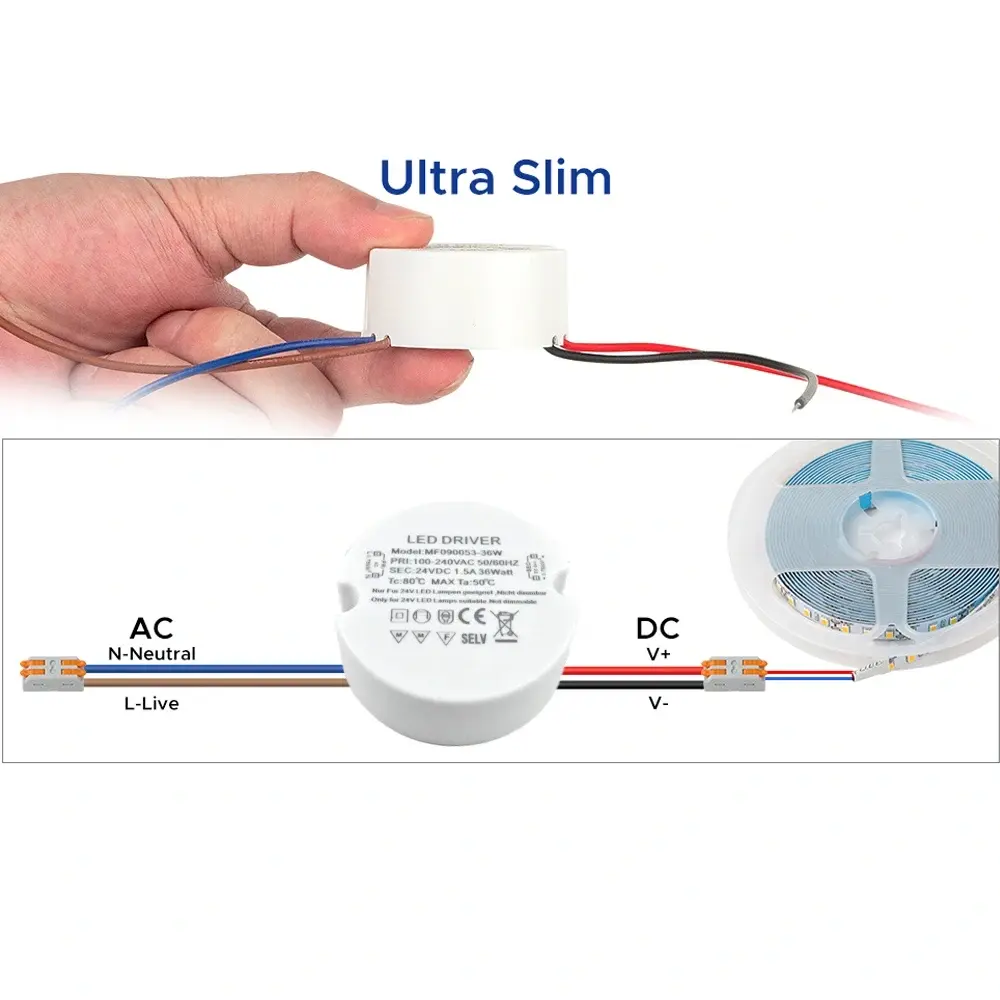
LED drivers are specialized power processors that change AC electricity into the exact DC voltage that LEDs need. In contrast to regular power adapters, these gadgets constantly track and change the flow of electricity to meet LED requirements. This rule stops heat runaway and early LED decline, which directly affects the life of your lighting system.
Constant Current vs. Constant Voltage Drivers
Constant current drivers keep the amperage fixed even if the voltage changes. This makes them perfect for high-power industrial fixtures that connect many LEDs in series. This setup is good for retail areas and hotel lobbies because it makes sure that big installations are all the same brightness. On the other hand, constant voltage generators provide a steady voltage while letting the current change based on the load. Flex LED strips used as accent lighting in buildings or movable track systems with a range of fixture numbers work well with these.
Why LED Drivers Differ from Standard Power Supplies?
Standard power sources only change the voltage and don't take into account the needs of LEDs, such as protecting them from too much current or too much heat. Overcurrent, short circuits, and temperature spikes can damage expensive LED panels, but good drivers protect against these problems. This extra layer of security means lower upkeep costs and fewer calls for emergency service in business-to-business settings with hundreds of fixtures.
Common Symptoms Indicating a Bad LED Driver
When procurement teams find driver failure early, they can stop problems from spreading to other lighting networks. Depending on the quality of the LED driver and the working conditions, physical and electrical signs show up in different ways.
Visual and Operational Warning Signs
Flaring is the most obvious sign that a driver is having trouble. When fixtures flash or pulse randomly, internal parts have a hard time keeping the output stable. Dimming that can't be fixed by hand could mean that the capacitors are losing their effectiveness or that heat stress is affecting the voltage control circuits. Buzzing or buzzing sounds come from internal coils moving because of unstable electricity, which is a clear sign that the part needs to be replaced soon. When drivers get too hot, they give off strong smells or have housings that are darkened, which means that parts are breaking down. Complete bulb failure, in which lights won't turn on even though power is present, is usually caused by dead drivers rather than LED chips themselves.
Electrical Performance Issues
Voltage irregularities recorded with multimeters give more accurate information about the health of a driver than visual analysis alone. Readings of output that are much lower than the quoted specs show that performance has declined. Fixtures that suddenly turn off and on again are a sign that the driver's safety circuits are failing. When engineers are fixing, these electrical signs help them tell the difference between wiring issues, broken LEDs, and a real driver failure.
Causes of LED Driver Failure in B2B Environments
In commercial settings, drivers are put through harsher conditions than in household ones. This speeds up wear and tear and lowers efficiency if the specifications are not matched correctly.
Environmental Stressors
Extreme temperature is the main natural killer. When drivers work constantly in 140°F warehouse ceilings or below-zero outdoor setups, parts wear out quickly. Moisture getting in through gaps in the seals ruins circuit boards and makes short-circuit paths. When dust builds up in factories, it stops air slots and causes the area to get too hot, which damages capacitors and semiconductors. Lightning hits or utility grid switching events can cause electrical surges that can destroy unprotected drivers right away. This is especially true in city outdoor lighting projects that don't have the right surge suppression in place.
Internal Component Degradation
After years of constant use, electrolytic capacitors naturally lose capacitance, and they can't smooth out voltage waves as well as they used to. In hot places, this age process speeds up a lot, which cuts the predicted lifespan from 50,000 hours to less than 20,000 hours. When low-quality parts are used in substandard making, weak spots form that fail early. Many counterfeit drivers that fill B2B supply lines don't have good thermal control or use recycled parts that are likely to break soon. When purchasing managers use methods that haven't been checked out, they run the risk of much higher failure rates that cancel out any cost savings they might have at first.
How to Select a Reliable LED Driver to Avoid Failures?
Strategically choosing LED driver solutions saves long-term investments in infrastructure for business lighting while lowering the cost of upkeep.
Critical Selection Criteria
When voltage and current specs are exactly matched to what an LED light needs, both under-driving and over-driving situations that shorten lifespan are avoided. Ratings of efficiency above 85% lower the amount of heat that is produced and the cost of running the system. This is especially important in big systems with thousands of fixtures. International approvals, such as UL, CE, and DLC, make sure that safety standards and efficiency standards are met for projects in North America and Europe. The IP protection grades need to match the installation setting. For example, IP65 is needed for outdoor uses, while IP20 is enough for climate-controlled indoor areas. If you want to connect your dimmers to smart controls or building automation systems, you need drivers that are made for TRIAC, 0-10V, or DALI protocols.
Comparing Leading Manufacturers
Mean Well is the best choice for business uses because it has strong heat performance and a wide range of certifications. Philips and Osram drivers are more expensive, but they are very reliable in industrial installations that get a lot of attention and where failures have a direct effect on the business. Buying from approved distributors protects you from fake goods and keeps your warranty current.
This is better than buying from gray-market channels where fake goods are common. The length of the warranty shows how confident the maker is in the product. Reputable brands that offer five years of service show better quality control than competitors who only offer two years. Good suppliers are different from average ones because they offer quick expert help. When troubleshooting complicated installations, having access to experts who know your unique application speeds up the process and cuts down on costly downtime.
Case Studies: Identifying and Resolving Bad LED Driver Issues
Case studies from real life show how B2B clients were able to find and fix LED driver problems in tough business settings.
Hotel Lobby Flickering Resolution
Six months after it was installed, the ornamental lighting in the lobby of a small hotel chain started blinking all over. An engineering study showed that builders had asked for drivers with constant voltage for fixtures that needed drivers with constant current regulation. The difference in voltage made the LEDs draw different amounts of current, which made the flicker noticeable. The problem went away right away when all the drivers were replaced with ones that had the right steady current ratings. This case shows how important it is to match the type of driver to the specs of the fixture when buying something, instead of just going with the cheapest choice at first.
Outdoor Landscape Lighting Failure
Even though workers said they installed waterproof lighting in a city park project, the lights stopped working completely after it rained a lot. An investigation revealed that drivers with an IP rating of only 44 had been used instead of those with an IP67 rating. Because the seals weren't good enough, moisture got in and corroded the internal circuits. The city made sure that warranty claims were followed and that new driver IP scores were checked by a third party before they were accepted. This taught procurement teams that they shouldn't just believe supplier paperwork, but should also check physical goods against specs.
Bulk Order Quality Inconsistency
A store company that ordered 2,000 drivers for a nationwide rollout found that 15% of them failed within the first year. Failures were linked back to a seller who mixed real and fake units to make more money. Failure rates dropped below 2% after supplier checks, batch testing reports were required, and only purchases from confirmed wholesalers were made. The stricter buying process added some small costs up front, but it saved a lot of money in the long run by avoiding expensive emergency substitutes and labor costs caused by early failures.
Conclusion
Finding a broken LED driver quickly saves your lights investment and keeps your business running. Flickering, buzzing, overheating, and changes in voltage are all signs of an approaching failure that needs your instant attention. Environmental stresses and parts wearing out are the main reasons why things break in business settings. Failure risk is lower when you buy approved drivers from reputable makers, make sure the specs match the needs of the fixture exactly, and buy them through official channels. Your business, industrial, or municipal lighting systems will work reliably for as long as they're supposed to if you use proactive tracking and work with responsive providers.
FAQ
Can a bad LED driver damage my LED fixtures?
Of course. Drivers that don't work right and send uneven voltage or too much current speed up the degradation of LEDs, which leads to color shift and dimming before their time. Voltage spikes from failed safety circuits can kill LED chips quickly, so the whole fixture has to be replaced instead of just the drivers. Because of this, replacing drivers early is cheaper than putting whole fastener groups at risk.
How long should quality LED drivers last?
Under normal conditions, premium drivers from well-known brands usually last between 50,000 and 100,000 hours of use. This means 11 to 22 years if it runs for 12 hours a day. Environmental factors have a big effect on how long something actually lasts. For example, high temperatures, bad air, or unstable electricity can cut service life by 60%. No matter what the approved standards say, industrial settings with harsh conditions should plan to change everything every three to five years.
Do constant current and constant voltage drivers show different failure symptoms?
When a constant current driver breaks, it usually shows up as flickering or unsteady lighting because the current regulator stops working. When the voltage output drops, constant voltage drivers often dim or change the color temperature. Knowing these differences helps repair teams find problems faster and buy the right types of replacement parts.
Partner with USKYLED for Reliable LED Driver Solutions
USKYLED sells high-quality LED lighting systems that are designed to work in tough industrial settings where dependability is important. Our high-tech track lighting, linear fixtures, and exterior luminaires work perfectly with the best LED driver makers on the market, so they keep working well for a long time. As a full-service technical support company, we help buying managers choose the right power systems for hotels, stores, offices, and factories. Get in touch with our team at sales@uskyled.com to talk about unique solutions that come with foreign certifications and quick service after the sale.
References
1. Illuminating Engineering Society. (2021). "LED Driver Performance Standards for Commercial Applications." IES Technical Memorandum TM-28-21.
2. Department of Energy. (2020). "Solid-State Lighting: LED Driver Reliability in Commercial Settings." DOE Building Technologies Office Report.
3. International Electrotechnical Commission. (2019). "LED Modules for General Lighting – Performance Requirements." IEC Standard 62717.
4. National Electrical Manufacturers Association. (2022). "Guide to LED Driver Specifications and Selection Criteria." NEMA SSL Publication.
5. Institute of Electrical and Electronics Engineers. (2020). "Reliability Analysis of LED Lighting Systems and Power Drivers." IEEE Transactions on Power Electronics, Volume 35, Issue 8.
6. LightingEurope. (2021). "Best Practices for LED Driver Selection in Professional Lighting Applications." Industry White Paper Series.

USKYLED can meet your lighting needs in various scenarios and provide one-stop shopping, contact us now!
Why You Should Choose USKYLED?
![What is Dimmable Track Lighting for Museum: Best Guide [2025]](/icms/upload/0d08cc601e7611f0b542b3ca0c0f4a83/pic/knowledgemanager-knowledgepic/e7879f32605f11f081911f363b8c1ed0/Directory/20250717 dimmable track lighting -1(1)_1752739217941.webp)