Path Lights vs Spotlights: Which Should You Choose?
You can choose between path lights and spots based on your project's wants and goals. Path lights are great for lighting up lawns, walks, and other areas that need general lighting. Along with making things look better, they help you find your way. Spotlights have focused, directed beams that can be used to add style, keep things safe, and draw attention to parts of a building. Most of the time, the best way to get full outdoor lighting that meets the needs of safety, usefulness, and looks in both business and private areas is to use both types of lights together.
Understanding Path Lights and Spotlights: Overview and Core Differences
Path lights and spotlights are two types of outdoor lighting that are used for very different things. Each type is good for business and industry in its own way. Buying managers can make better decisions that meet the goals of the project and meet performance standards when they know about these differences.
Defining Path Lights and Their Applications
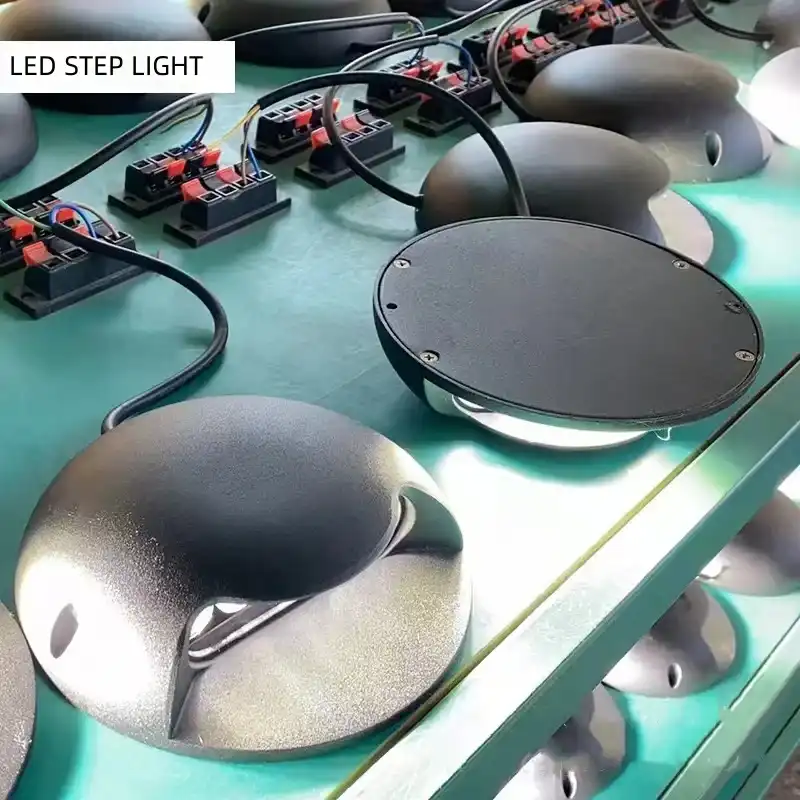
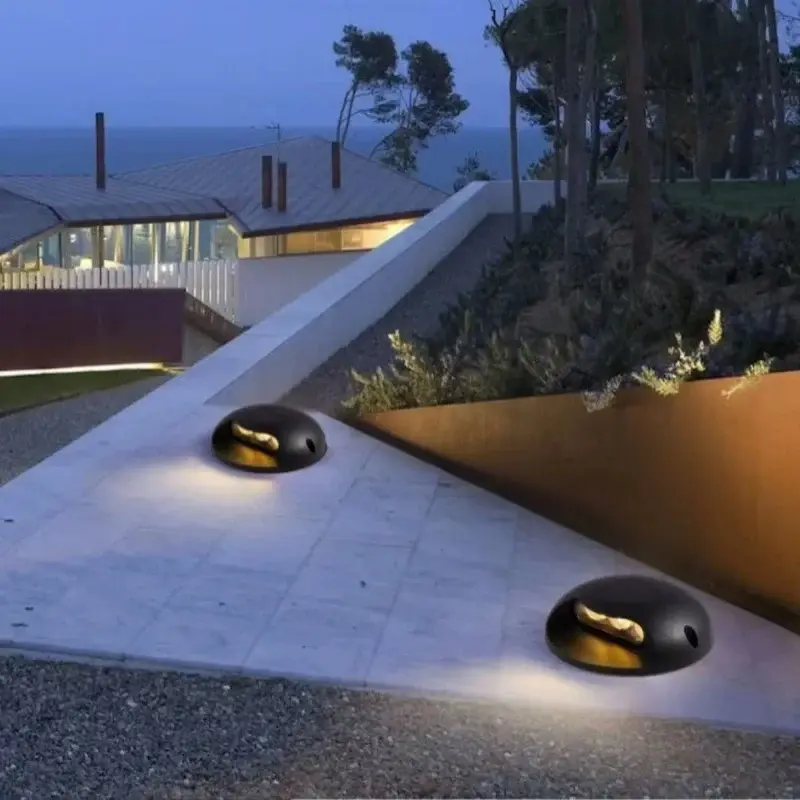
To illuminate yard walks, sidewalks, and garden features, path lights are pieces of ambient lighting. These lamps are usually between 24 and 36 inches tall, and they give off a big, soft glow that lights up a large area. For business purposes, it is used in hotel paths, office building walkways, shop outdoor areas, and city park lighting systems. Lighting a road is great because it can give off a steady, low level of light that makes things safer without causing harsh shadows or glare. LED path lights today use up to 90% less energy than old-fashioned gas lights. This makes them a good choice for large-scale setups because they are cheap.
Understanding Spotlight Functionality and Uses
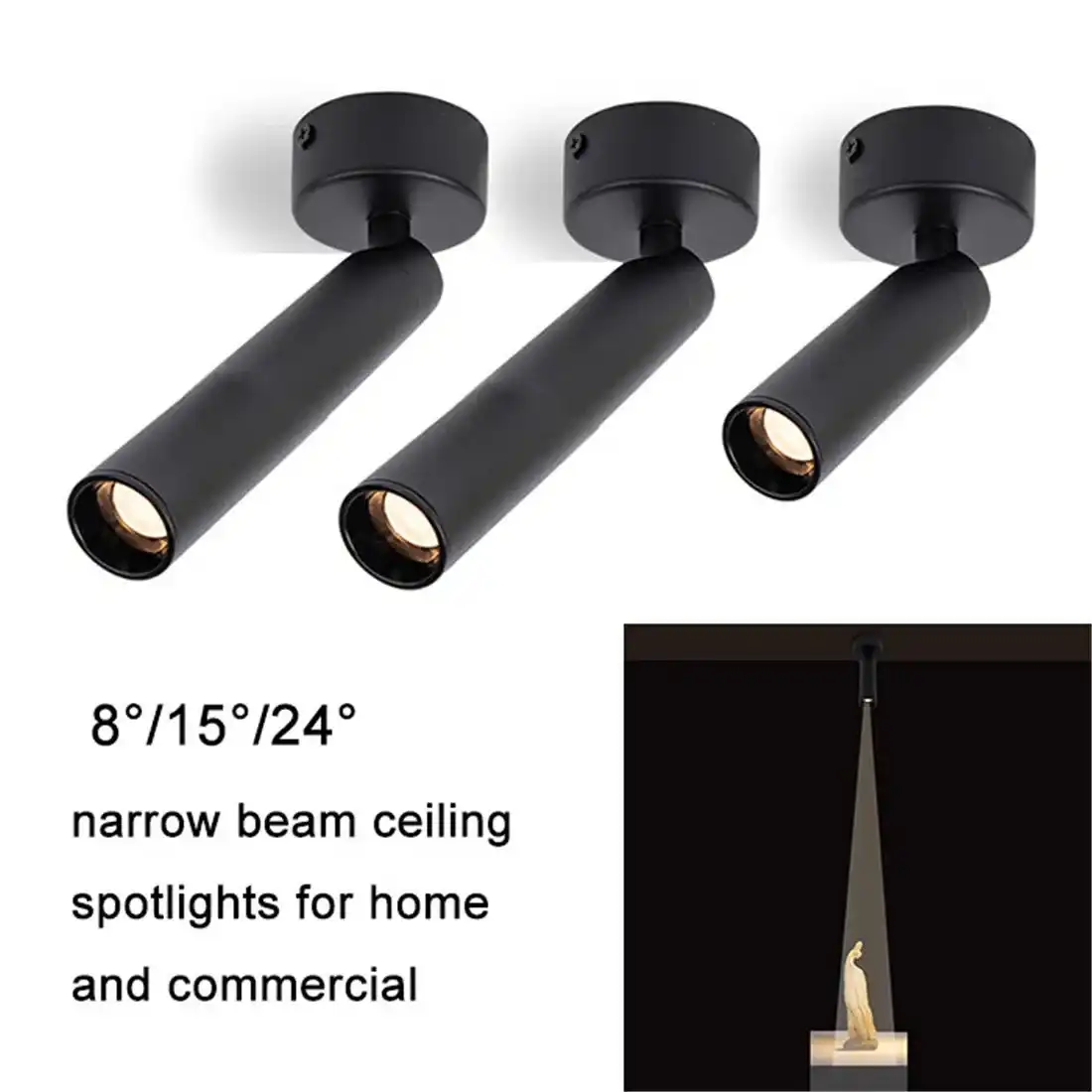
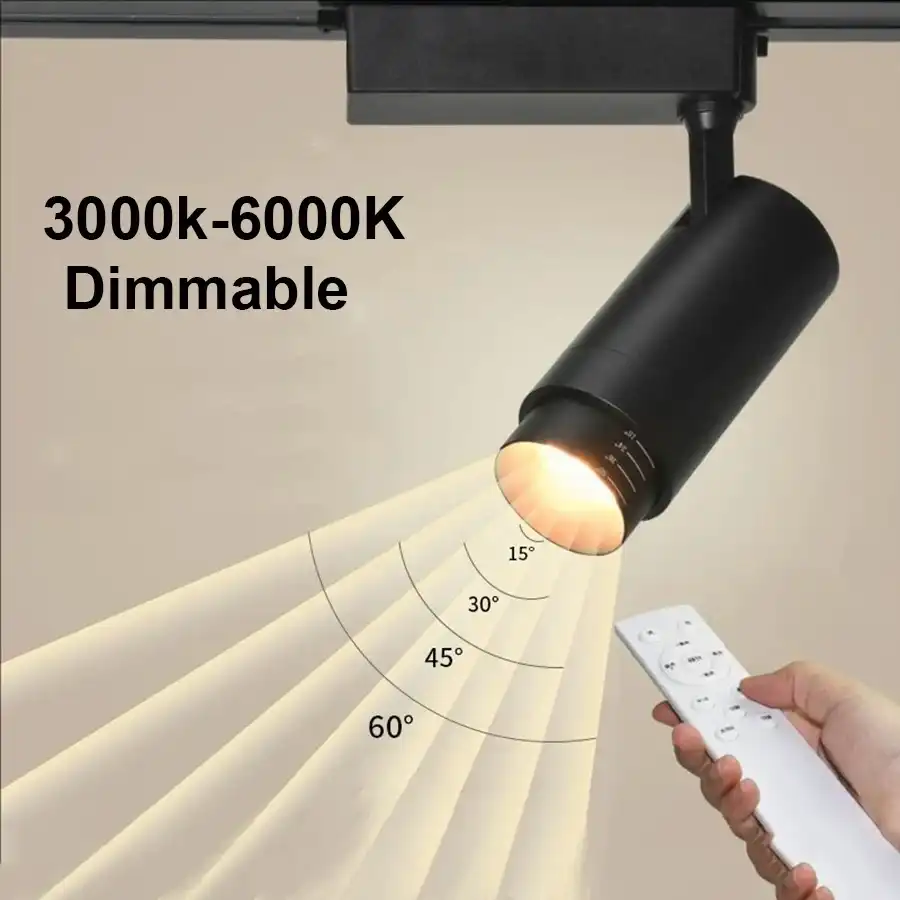
Focused, directional beams from spotlights are meant to draw attention to certain things or light up a job. Most of the time, these lamps have narrow beam angles of 10 to 60 degrees. This lets you control the light's direction and brightness. Lighting for the outside of buildings, protection fences, building facades, and design features can all be used for business. Spotlights are great for making strong visual effects and making sure that security cameras and tracking systems have enough light because they send out a sharp beam. More than 120 lumens per watt of light can come from high-performance LED lamps, and color rendering values should stay above 90.
Core Functional Differences
What these different types of lighting are used for and how the light is spread out are what make them different. Path lights cast light over a large area, normally from 120 to 360 degrees. This is called ambient lighting, and it can cover a large area. The amount of light in some places can be increased by using lamps to focus light into thin lines. Fixtures of different types also use a lot of power in very different ways. Path lights take up less electricity (3–15 watts per bulb) since they light the way. Spotlights, on the other hand, might need 10–50 watts more power to get the beam strength and range they need.
Dimensional Comparison of Path Lights and Spotlights for Outdoor Lighting Needs
There are a lot of technical details that you need to know in order to choose the right lights for a job. This in-depth comparison looks at the most important measures of success that affect buying decisions.
Light Distribution and Beam Characteristics
Most path lighting systems have beam angles that range from 120 degrees to 360 degrees. Crossing the lights makes light pools that keep garden walks and features lit up all the time. Usually, the height of the mount is between 24 and 42 inches. This gives walkers the most light and the least amount of glare. The direction of the flashlight beam can be very different depending on the job. If you want to add accent lighting, a narrow spot configuration (10–25 degrees) works well. For security, a wide flood configuration (40–60 degrees) works well. There are many ways to fix spotlights, so they can be put anywhere from 8 to 30 feet above ground, on poles, or on buildings.
Power Source Analysis for Commercial Applications
There are different power sources for modern outdoor lighting systems, so you can set them up in a way that suits your wants and tastes. These systems, which work with voltages between 120V and 277V, are best for large businesses because they let them use a wide range of high-output applications and smart control systems. Low voltage systems (12V-24V) are great for outdoor lighting jobs that don't need a lot of digging or electrical work. They make installation easier and make the job safer. Solar-powered options are becoming more popular for places that are far away. For mission-critical uses, you should still think about battery life and how well it works in bad weather.
Durability and Weather Resistance Factors
Lighting lights for companies that are outside have to be able to handle all kinds of weather and keep working right for a long time. A good path lights should have an entry security grade of IP65 or IP66. This means that dust or water can't get in from any direction. There is a big difference between things that last a long time and things that need a lot of care. Marine-grade stainless steel works better in places that get a lot of salt air, while cast aluminum housings keep heat in better and don't rust. Lenses made of polycarbonate are better than regular glass at guarding against damage from UV light and shock.
Evaluating Performance and Procurement Considerations for Bulk and Custom Orders
When you buy industrial lights, you have to make a lot of tough choices that go beyond the product specs. It's important to think about the total cost of ownership, the skills of the provider, and the long-term support services for projects to work.
Cost Analysis Framework for Commercial Projects
The original costs of the fixtures are only a small part of the total costs of a large-scale outdoor lighting job. Costs like installation workers, power infrastructure, and ongoing maintenance can change the overall project budget. LED technology cuts costs because it needs less maintenance and uses less energy. It normally pays for itself in three to five years, which is faster than other lighting systems. Big sets can save you a lot of money if you buy them in bulk. Many times, you can save 15 to 25 percent when you buy 100 or more fittings. Because of OEM ties, unique fixtures can be made to fit the needs of each project. This keeps costs low by making production more efficient.
Vendor Reliability and Support Capabilities
Customers can be more sure that goods made by well-known companies that have used their lights in business settings in the past will work well and last a long time. A guarantee that lasts between 5 and 7 years shows that the company that made the product is sure about its quality. It also protects project investments from failing too soon. Technical help is becoming more and more important for sets that are more involved and need unique configurations or integration with existing building management systems. For tough business needs, it's better to work with makers who offer on-site testing help, optical design services, and quick technical support.
Customization Options and Smart Technology Integration
More and more, modern business lighting projects need solutions that are made to fit the needs and goals of the building. To make sure the project requirements are met perfectly, top manufacturers let you change a lot of things, such as the lights' sizes, color temperatures, beam directions, and control panels. Smart lighting lets you control it in more complex ways. It has features like auto-dimming, online tracking, and occupancy sensors that make things run more easily and use less energy. Integration with building management systems lets you handle and keep an eye on lighting systems in many buildings and places from one place.
How to Choose the Best Lighting Solution Based on Project Needs?
To pick the right outdoor lighting, you should carefully think about the project's goals, the conditions of the place, and how the lighting will be used. This way of meeting demand makes sure that lighting solutions meet certain performance standards and are as cheap as they can be.
Application-Specific Requirements Assessment
The best yard and outdoor lighting frequently consists of path lights that emit soft ambient light without drawing attention away from natural features. If you place it between 24 and 36 inches high, the light is spread out evenly, and the lighting looks good with the plants and ground around it.
It's normal for lighting plans to need both path lighting to make it safe to walk and focused spotlights to watch the edges and cover entry places for safety reasons. If the different types of lights work well together, they cover the whole space and don't leave any dark spots that could make protection less good.
When apps use lighting, they should make sure that the light levels are uniform and meet city lighting standards. They should also try to avoid glare that makes it hard to see. On average, luminance levels between 1 and 3 foot-candles give walkers enough light to see while still using very little power.
Combining Lighting Types for Optimal Results
Plans for outdoor lighting that work well usually use a number of different types of bulbs to achieve all of their performance goals. Path lights provide general lighting for safety and direction, and lamps put in key areas provide decorative lighting and cover for safety when needed. Layered lighting gives the room depth and interest while making sure that every part is functional. When businesses use coordinated control systems, different lighting zones can work on their own. This gives them more freedom and helps them save energy based on how the zones are used and their security needs.
The design looks consistent because the color temperatures of the different types of lights are coordinated. Color temperatures that stay between 3000K and 4000K give off a nice, friendly light that's good for most business uses and makes sure that colors are shown correctly for safety and security reasons.
Long-Term Performance Optimization
When putting something in a business, where maintenance might be hard to get to or cost a lot, it's important that it lasts a long time. Good LED bulbs that last more than 50,000 hours don't need to be changed as often and keep giving off the same amount of light for as long as they last.
It's important to think about the lights you pick, the control systems you use, and the hours your business is open and closed when you want to save the most energy. Better lighting and tracking of usage can save 30 to 50 percent of the energy used by ways that leave the lights on all the time, while still meeting safety and security standards. When planning upkeep, it's important to include when to clean, when to change lamps, and how to check the parts. It's easier to change parts on modular fixture designs than on sealed units, which need the whole fixture to be changed. This saves money in the long run.
Practical Installation and Maintenance Tips for Maximized Lighting Performance
How well outdoor lighting systems work, how long they last, and how much they cost all depend on how well they are installed and maintained. It's best to stick to set procedures because they help you get the best results and avoid most operating problems.
Installation Best Practices for Commercial Applications
You need to make sure the spot is ready before you put up the lights. This means giving close attention to the ground, how it drains, and where the pipes are hidden. When you dig a hole and put in conduit at the right level, you protect the electrical lines and make it easier to fix things if they break in the future.
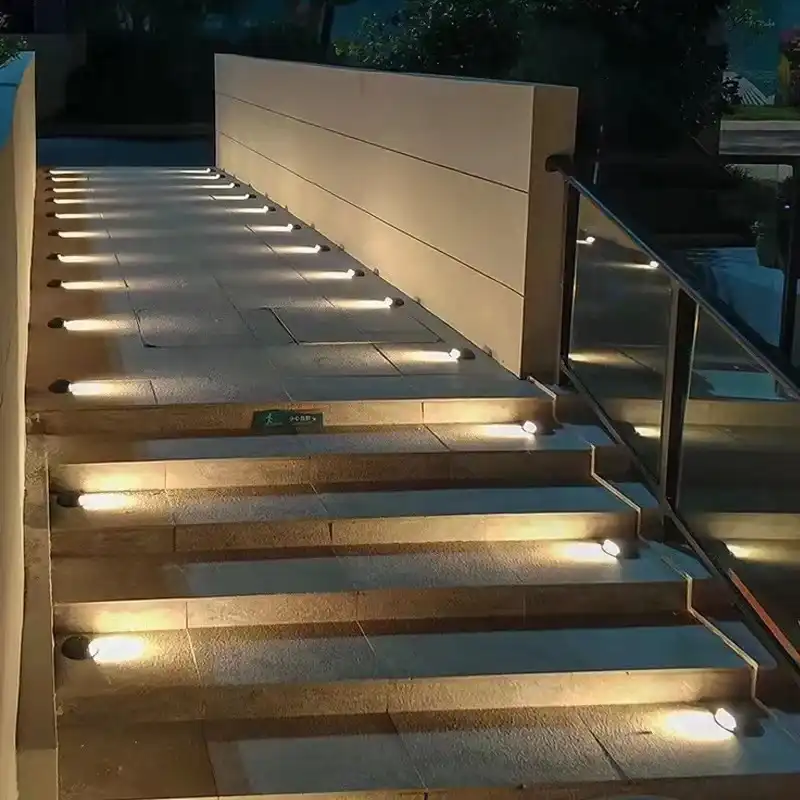
You should think about both how a device works and how it looks when you put it in place. Path lights that are spaced and placed in the same way every time create a visual flow and make sure there is enough light contact. The space between them should be between 8 and 15 feet, depending on how bright the light is and how powerful the bulb is.
In order for electrical links to work safely and reliably, they must follow the rules for their area and the manufacturer's directions. With waterproof wire connections and good grounding, you can keep your system safe and work well even when it gets wet. Because it is a professional job, making sure that all energy standards are met and that the promise requirements are met is important.
Preventive Maintenance Strategies
Cleaning fixtures often keeps the light output at its best and stops dirt, trash, and biological growth from building up and making the bulb less effective. If you clean the glass and the outside of the case once a month, the light output will likely stay at 90% or higher for the life of the bulb.
When parts are being inspected, the mounting gear, electrical connections, and how the control system works should all be looked at. Full checks that are done once a year find problems before they get so bad that the system breaks down or puts people in danger. It's helpful to keep track of inspection data for guarantee claims and servicing plans.
When you keep an eye on LED parts, you can spot performance loss that happens slowly and doesn't affect how well the system works. Lamps meet performance standards for as long as they are supposed to for as long as they are measured for light output and color temperature.
Smart Technology Integration and Control
These days' lighting control systems have improved features that make them work better while also using less power and needing less maintenance. Astronomical time clocks automatically adjust operating schedules based on changes in the length of daylight each year. The lights are turned down when there isn't much going on, which saves even more energy. Motion and presence cameras still keep the area safe. You can manage and keep an eye on all of your lighting zones and services from one place if they are connected to building management systems.
Because of remote tracking, facility managers don't have to go to the site to keep an eye on how the system is running, figure out what fixes need to be made, or make the most of working plans. It's helpful to have these features for tasks that need to be done in more than one place or that are hard to get to.
Conclusion
You should think about the project's goals, the site's conditions, and the lights' long-term needs before deciding between path lights and spots. Spotlights have focused beams that work great for accent lighting and security purposes. Path lights, on the other hand, are great for lighting up walkways and general areas. Most of the time, the best way to get full performance that matches safety, looks, and cost is to use both types of outdoor lighting systems together. To make sure that investments in lights give the best results while staying within budget and meeting performance standards, it is best to get help from a professional and plan things out carefully.
FAQ
What are the main advantages of path lights over spotlights for commercial applications?
Path lights provide wide-area ambient illumination that enhances pedestrian safety and navigation along walkways and landscape features. Their diffused light output minimizes glare while creating welcoming environments suitable for hospitality and retail applications. The lower power consumption and reduced maintenance requirements of LED path lights make them cost-effective solutions for large-scale installations requiring consistent baseline illumination.
How do solar-powered fixtures compare to electric options for reliability and performance?
Electric fixtures offer superior reliability and consistent performance regardless of weather conditions, making them preferred choices for mission-critical applications. Solar options provide installation flexibility and eliminate trenching costs but depend on battery capacity and sunlight availability. Commercial applications typically benefit from electric fixtures due to their predictable performance and integration capabilities with building management systems.
What illuminance levels and color temperatures work best for different outdoor applications?
Walkway applications typically require 1-3 foot-candles of illumination with 3000K-4000K color temperatures for optimal visibility and comfort. Security applications may need higher illuminance levels (5-10 foot-candles) with cooler color temperatures (4000K-5000K) for enhanced visibility and camera performance. Landscape accent lighting often uses warmer temperatures (2700K-3000K) to create inviting atmospheric effects while highlighting architectural features.
Partner with USKYLED for Premium Outdoor Lighting Solutions
USKYLED offers comprehensive outdoor lighting solutions designed specifically for commercial and industrial applications. Our extensive portfolio includes energy-efficient path lights and high-performance spotlights available for bulk procurement with customization options tailored to your project specifications. Contact our expert team at sales@uskyled.com to discuss your lighting requirements and discover how our advanced LED technology, superior quality standards, and dedicated technical support can enhance your next outdoor lighting project.
References
1. Illuminating Engineering Society. "Recommended Practice for Outdoor Environment Lighting." ANSI/IES RP-33-14, 2014.
2. National Institute of Standards and Technology. "LED Life Testing and Reliability Assessment Guidelines." NIST Special Publication 1200-26, 2018.
3. American National Standards Institute. "Electrical Safety Requirements for Employee Workplaces." ANSI/NFPA 70E-2021, 2021.
4. International Dark-Sky Association. "Outdoor Lighting Design Guidelines for Commercial Applications." Technical Report IDA-GLG-2019, 2019.
5. U.S. Department of Energy. "LED Lighting Facts Performance Criteria and Testing Protocols." DOE SSL Commercial Products Testing Program, 2020.
6. International Commission on Illumination. "Photobiological Safety of Lamps and Lamp Systems." CIE S 009/E:2002, 2002.

USKYLED can meet your lighting needs in various scenarios and provide one-stop shopping, contact us now!
Why You Should Choose USKYLED?
![What is Dimmable Track Lighting for Museum: Best Guide [2025]](/icms/upload/0d08cc601e7611f0b542b3ca0c0f4a83/pic/knowledgemanager-knowledgepic/e7879f32605f11f081911f363b8c1ed0/Directory/20250717 dimmable track lighting -1(1)_1752739217941.webp)