Top Benefits of Low Voltage Landscape Lighting
Landscape lighting systems operating at 12 volts have revolutionized outdoor illumination for commercial and residential projects. These energy-efficient solutions reduce electrical hazards while delivering exceptional performance and design flexibility. Low voltage systems consume significantly less power than traditional high-voltage alternatives, making them the preferred choice for procurement managers seeking sustainable, cost-effective outdoor lighting solutions. Their enhanced safety features and simplified installation requirements position them as ideal investments for large-scale developments and architectural projects.
Introducing Low Voltage Landscape Lighting and Its Core Advantages
12 volts is what low voltage outdoor lighting uses, which makes it safer, uses less energy, and is easier to install than regular 120-volt systems. Because the voltage is lowered, there is no chance of getting a major electrical shock. This makes these systems very safe for business outdoor areas where repair staff often touch fixtures.
Enhanced Safety Profile for Commercial Applications
The lower voltage makes the workplace safer for repair teams and eases building managers' worries about responsibility. When water gets into links or devices and damages them, the low voltage stops dangerous electrical events from happening. This safety benefit is especially useful in places with a lot of foot traffic, like hotel hallways, shopping malls, and office buildings, where people can interact with lights.
Superior Energy Efficiency and Cost Reduction
Gains in energy efficiency directly lead to lower operating costs that are in line with the sustainability goals of the company. Low voltage systems usually use 50–80% less energy than similar high-voltage setups. This can save you a lot of money on your utility bills over the life of the system. These changes in efficiency help groups meet environmental compliance standards and meet the requirements for LEED certification.
Installation Flexibility and Scalability
Low voltage systems are very flexible when it comes to installation. They can be set up faster and changed more easily, which is very important for big buying projects where saving time and money is the most important thing. The easier wiring standards cut down on work costs and make it possible for the system to grow in the future without having to make major changes to the electrical infrastructure.
Top 5 Benefits of Low Voltage Landscape Lighting for Large-Scale and Commercial Use
When it comes to commercial outdoor lighting projects, solutions need to work reliably while being easy to use and requiring little upkeep. Because they are well-designed and use cutting-edge technology, low voltage systems work really well in these tough situations.
Weather-Resistant Durability for Harsh Conditions
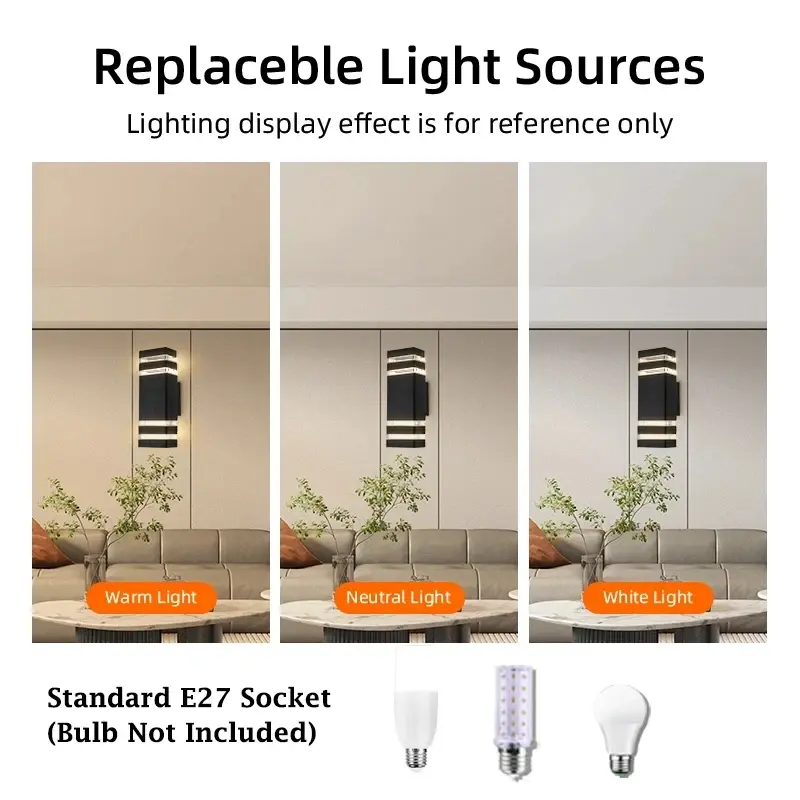
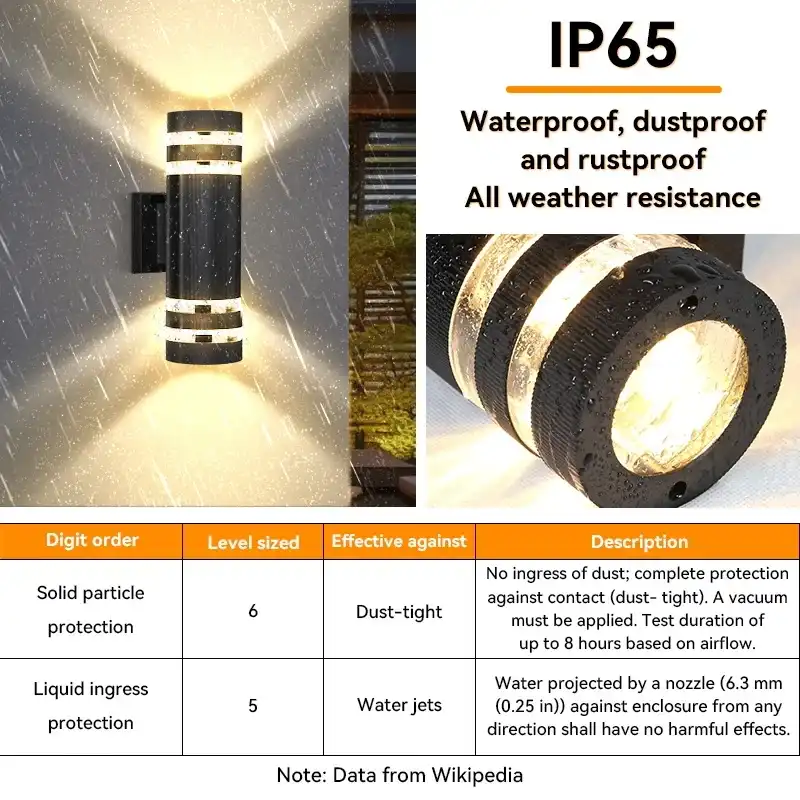
When it comes to outdoor lighting, low power options are very durable and can work well in a variety of weather situations, like rain, snow, wind, and changes in temperature. Because there is less electricity stress on the parts, the bulb lasts longer and keeps giving off the same amount of light throughout the year. Fixtures made for professionals have an IP65 rating, which means they are protected against water getting in, and they are made of materials that won't rust or corrode in seaside salt air or urban pollution.
Scalable Design Architecture for Property Expansion
These systems offer designs that can be expanded in a cost-effective way across large properties, making purchases more valuable for business projects that are growing. The modular transformer-based design lets the work be done in stages that fit the budget and schedule of the project. As landscaping grows or building needs change, property managers can easily add lighting zones without having to rethink the whole electrical system.
Smart Control Integration and Energy Management
Advanced connections with smart controls and energy management systems give building managers the power to watch from afar and set up personalized lighting plans that improve safety and cut down on energy use. Today's low voltage systems come with wireless settings, astronomical timers, and photocell sensors that change the lights automatically based on the environment. When the seasons change, these smart features keep the lighting levels constant while reducing the amount of energy that is wasted.
Architectural Aesthetic Enhancement Options
The wide variety of fixture types improves the look of architectural and landscape lighting to meet the needs of different project designs and help with brand identity and customer experience goals. Low voltage lights come in small sizes that blend in with landscape without taking over visual areas. From soft path lighting to dramatic uplighting effects, these systems create a classy atmosphere that raises the value of the property and changes how visitors see it.
Regulatory Compliance and Certification Standards
These solutions meet strict safety and environmental standards in the US and Europe. They also work with green building programs like LEED certification and local energy rules to make sure they meet legal requirements. Transformers and lights that are UL-listed meet safety standards for electricity, and DLC approval lets utilities offer rebate programs that help pay for the original costs of installation. RoHS compliance shows care for the environment and fits with companies' promises to be more environmentally friendly.
Comparing Low Voltage Landscape Lighting with Other Types
When businesses buy things, they need to carefully consider all the different lighting systems that are out there to make sure they get the best performance and value for their needs. Knowing the differences between the different low voltage options helps you make smart choices that meet your practical goals and your budget.
LED Versus Solar-Powered Low Voltage Systems
LED-based low voltage systems provide constant lighting no matter the weather, which makes them a good choice for high-security places like parking lots and building edges. Solar-powered options can be installed in remote areas that don't have access to electricity, but they need to be exposed to enough sunlight to work reliably. LED systems offer exact light control and dimming that solar units can't match, particularly important for architectural accent lighting and safety compliance requirements.
Wired Versus Wireless Configuration Analysis
Wired low voltage systems give power continuously and support higher wattage fixtures that are good for lighting big areas and security purposes. These systems need to have trenches dug and cables put in, but they can run for as long as you want and always work well. Wireless setups make installation easier and allow temporary installations, but they need to be maintained with batteries and may have signal interference in business buildings with a lot of electronics.
Low Voltage Versus High Voltage System Comparison
Low voltage systems are safer and easier to install, while high voltage systems can handle longer cable runs and higher wattage needs for large industrial buildings. Due to the limited voltage drop of low voltage systems, transformer placement needs to be planned carefully. However, unlike high voltage installations, which require an electrical permit and a professional electrician, low voltage installations don't need either. In medium to large-scale projects, the extra cost of the transformer is usually more than made up for by the benefits of saving energy and lower costs for electrical infrastructure.
Practical Design Tips and Maintenance for Low Voltage Landscape lighting
To get the best safety, visual effect, and running costs from lighting design, it's important to carefully balance the amount of light needed with the amount of energy used. Planning ahead during the design phase stops common installation issues and makes sure that the system will work reliably for a long time in tough business settings.
Strategic Placement Techniques for Commercial Properties
Large outdoor environments benefit from layered lighting approaches that mix ambient, work, and accent lighting to cover large outdoor areas completely without wasting energy is a good idea. For walker safety, path lighting should stay at least 0.5 footcandles bright. Too much lighting, on the other hand, causes light pollution and wastes energy. Fixtures for tree uplighting need to be placed 1.5 times the height of the tree to get the right covering without casting strong shadows or causing glare.
Preventive Maintenance and Troubleshooting Protocols
Regular inspections make sure that systems last a long time and work well in busy business settings where lighting problems can cause security and safety issues. Visual checks should be done once a month to look for broken fixtures, loose connections, and interference from the scenery. Testing of the transformer and calibration of the photocell are essential parts of annual maintenance. Checking voltage at fixture locations helps identify wiring issues before they develop into complete failures, reducing both emergency repair costs and system downtime. These practices are especially important in Landscape lighting, where consistent performance and reliability are critical for safety, aesthetics, and long-term efficiency.
Technology Integration for Enhanced Performance
LED technology keeps raising the bar for efficiency, and solar integration gives you extra power choices for fixtures that are far away or in case of an emergency. Smart settings let you set lighting based on zones, which matches lighting to how the space is actually used, saving energy when it's not being used. Photometric devices change the output levels automatically based on the environment. This keeps vision constant while cutting down on wasteful energy use and light pollution.
How to Procure Low Voltage Landscape Lighting for Your B2B Projects?
To make sure solid performance and long-term value, careful review of vendors and product specifications are needed for procurement to go well. Quality certifications, warranty coverage, and expert support skills that fit the complexity of the project and the needs of the company should be emphasized during the decision process.
Supplier Evaluation and Quality Assurance Standards
To make sure their products always work the same way, top makers use strict quality control methods such as photometric testing, outdoor stress testing, and electrical safety verification. UL listing and DLC qualification show that safety and efficiency standards are met, and IP65 weather protection grades make sure that the equipment can be used outside without problems.
LED components and transformers should come with warranties of at least five years, and replacement parts along with expert technical support should remain readily available throughout the product lifecycle. This is particularly important in Landscape lighting, where long-term reliability, ease of maintenance, and consistent performance are essential for both residential and commercial installations.
Custom Solutions Versus Standard Product Selection
Custom-engineered solutions that meet specific architectural needs, odd electrical limits, or specific performance standards are often best for setups that are very complicated. Standard product lines can save you money and speed up delivery times, but they may force you to make design choices that hurt your goals for form or function. Custom solutions allow for exact control of beam angle, unique mounting arrangements, and built-in control systems, but they come with longer wait times and higher starting costs.
Installation Partner Selection and Project Support
Qualified installation partners know what a low voltage system needs and have the technical know-how to place fixtures, size transformers, and route cables in the best way for maximum performance. Certified installers protect the investment by providing guarantee security and ongoing repair support. Photometric proof, setting of the control system, and staff training to make sure proper operation and maintenance processes are followed should all be part of post-installation commissioning.
Conclusion
Due to their safety, efficiency, and design freedom, low voltage landscape lighting systems are a great choice for business and industrial outdoor lighting needs. These systems lower running costs, improve the look of properties, and keep up with legal standards. The flexible design allows for future growth, and the smart control features make the best use of energy and improve the ease of upkeep. Professional installation and good buying practices guarantee stable long-term performance that pays for itself over time through lower operating costs and higher property value.
FAQ
What makes low voltage landscape lighting safer than traditional systems?
Low voltage systems work at 12 volts instead of 120 volts, which makes major electrical shock almost impossible. Lowering the voltage makes things safer for repair workers and lowers the risk of liability issues in business settings where people may deal with lights.
How much energy can low voltage landscape lighting save compared to high voltage systems?
Most of the time, low voltage LED systems use 50–80% less electricity than similar high voltage setups. By using a lot less energy, this big drop saves a lot of money on electricity bills and helps companies meet LEED certification requirements and sustainability goals.
Are low voltage systems suitable for large commercial properties?
Low voltage systems work great in business settings because they have a flexible, transformer-based design that lets them be installed in stages and grow in the future. Multiple transformers can power large lighting networks while still operating at a low voltage, which is safer and more efficient.
What maintenance requirements do low voltage landscape lighting systems have?
Aside from frequent visual checks, cleaning, and testing of the transformers every so often, these systems don't need much upkeep. Less electrical stress on parts makes fixtures last longer, and LED technology gets rid of the need to change bulbs often, which is a problem with traditional lighting systems.
Can low voltage landscape lighting integrate with smart building systems?
Modern low voltage systems can integrate advanced controls, such as radio controls, solar clocks, photocell sensors, and connections to building management systems. Modern building management practices allow these smart features to work, such as remote tracking, automatic scheduling, and energy optimization.
Partner with USKYLED for Premium Low Voltage Landscape Lighting Solutions
USKYLED can help you with your business projects by combining cutting-edge LED technology with years of experience in outdoor lighting. Our high-performance fixtures have CRI scores of 90 or higher, can work with smart controls, and come with full warranties that guarantee they will work reliably for a long time. Get in touch with our knowledgeable staff at sales@uskyled.com to talk about custom OEM solutions.
References
1. Illuminating Engineering Society. "Recommended Practice for Outdoor Environment Lighting." IES RP-33-14, 2014.
2. American National Standards Institute. "Safety Standard for Low Voltage Lighting Systems." ANSI/UL 2108, 2018.
3. U.S. Department of Energy. "Energy Efficiency Benefits of LED Lighting Systems." Solid-State Lighting Program Report, 2019.
4. International Dark-Sky Association. "Commercial Outdoor Lighting Design Guidelines." Technical Publication, 2020.
5. National Electrical Manufacturers Association. "Low Voltage Landscape Lighting Installation Standards." NEMA SSL 7A, 2017.
6. Building Industry Consulting Service International. "Sustainable Landscape Lighting Systems Performance Analysis." Green Building Research Study, 2021.

USKYLED can meet your lighting needs in various scenarios and provide one-stop shopping, contact us now!
Why You Should Choose USKYLED?
![What is Dimmable Track Lighting for Museum: Best Guide [2025]](/icms/upload/0d08cc601e7611f0b542b3ca0c0f4a83/pic/knowledgemanager-knowledgepic/e7879f32605f11f081911f363b8c1ed0/Directory/20250717 dimmable track lighting -1(1)_1752739217941.webp)