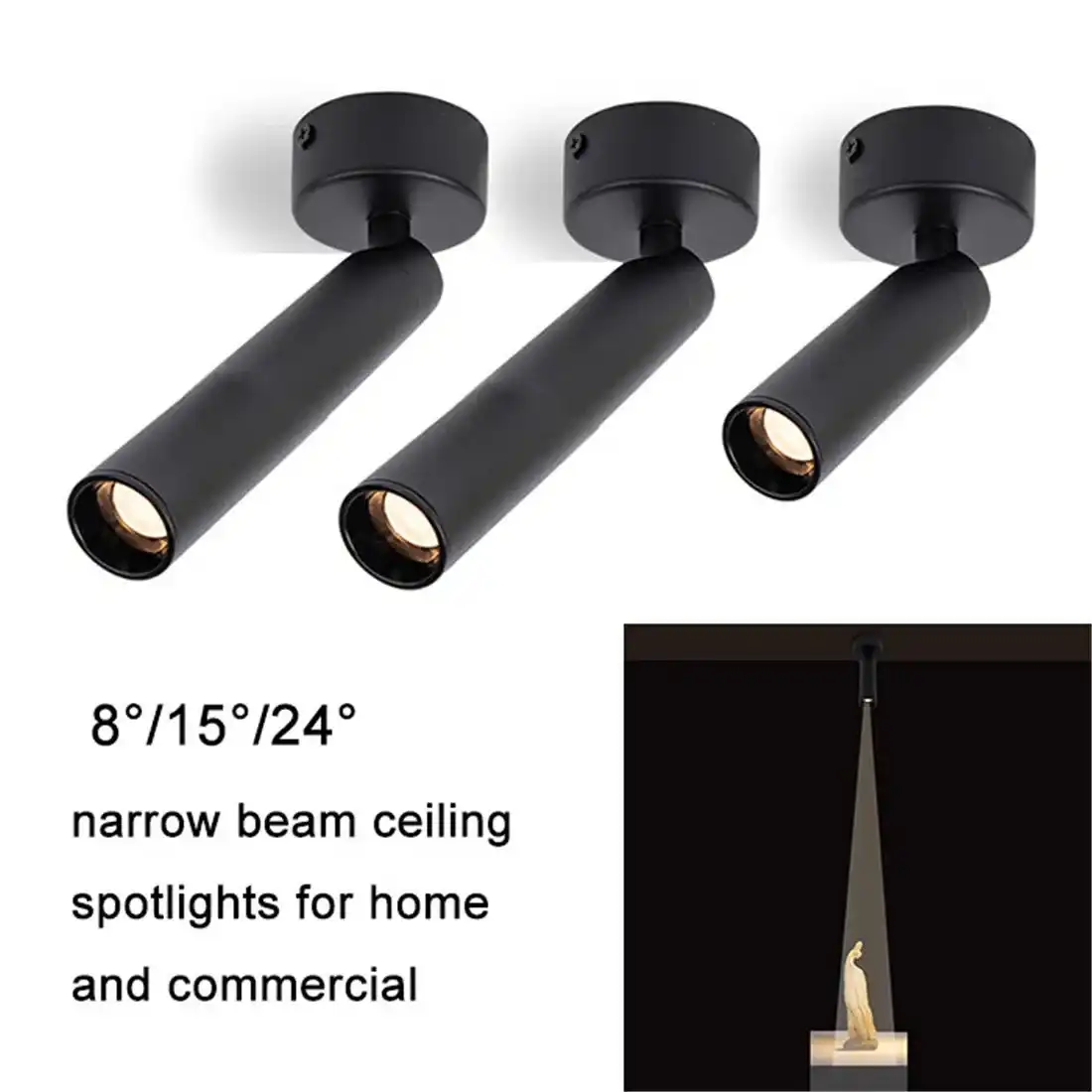
Is stair lighting worth it?
Of course! Stair Lights provide excellent value through increased safety, decreased liability risks, and long-term energy saves that far exceed the initial cost of installation. When compared to older options, professional-grade LED stair lighting systems can cut the number of accidents by up to 70% and use 85% less energy. Modern stair lighting options provide stable lighting for decades, making them a good investment for any business or factory that wants to run more efficiently.
Understanding Stair Lighting and Its Benefits
It is possible to use complex lighting solutions for stairs that are made to improve safety, visibility, and the look of a variety of business settings. LED step lighting systems are a big change from traditional lighting methods. They offer efficiency and performance levels that have never been seen before, which meet the needs of modern businesses.
Energy-efficient LED technology changes the economics of operations by drastically lowering the amount of power used. When businesses switch from neon or traditional lighting to LED, the energy costs related to lighting usually drop by 60 to 80%. These savings add up every year, making big financial gains that last long after the initial investments in buying things.
Increasing safety is probably the most important reason to have professional stair lights installed. Slip-and-fall accidents are much less likely to happen on stairs that are properly lit, which protects both employees and businesses from expensive lawsuit claims. Insurance companies often reward these efforts to lower risk by lowering premiums, which creates even more financial reasons to improve lights on your own.
With good LED stair lighting solutions, you don't have to do as much maintenance. When you use traditional lighting, you have to change the bulbs and do other upkeep tasks all the time, which slows down operations and wastes important resources. LED solutions usually work reliably for 50,000 to 100,000 hours, so you don't have to worry about upkeep and can count on steady performance.
Types of Stair Lights and Design Considerations
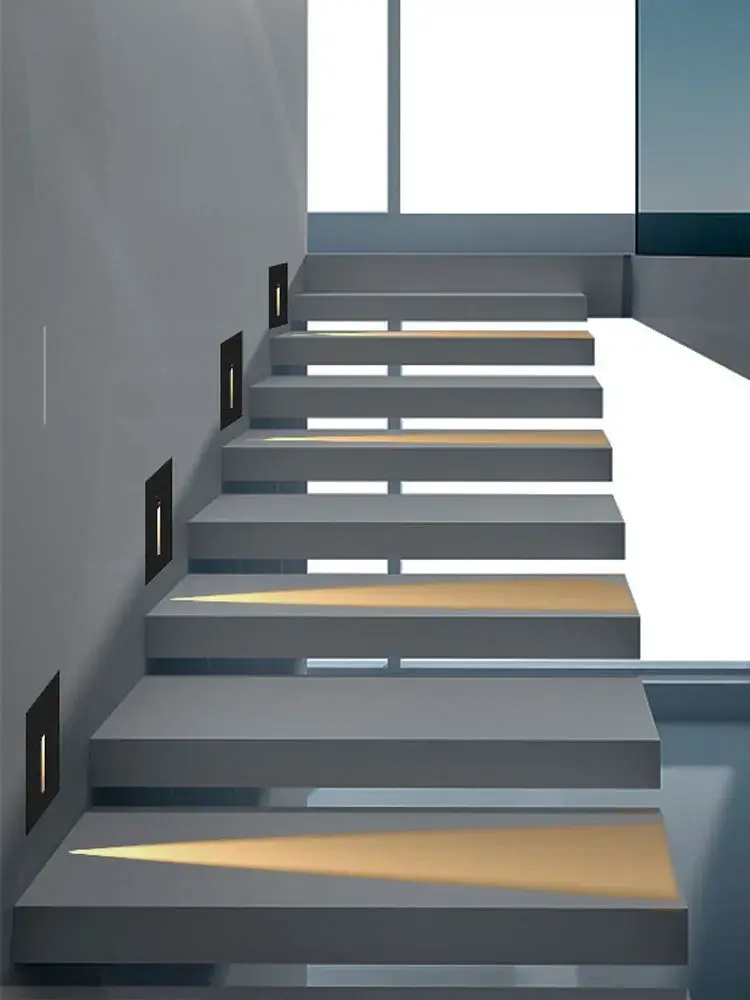
To choose the best stair lighting, you need to look at the lighting's performance, the stairs' surroundings, and how they will be used. Different methods are needed for indoor and outdoor uses. For example, outdoor projects need to be able to withstand harsh weather and last longer.
Indoor Stair Lighting Solutions
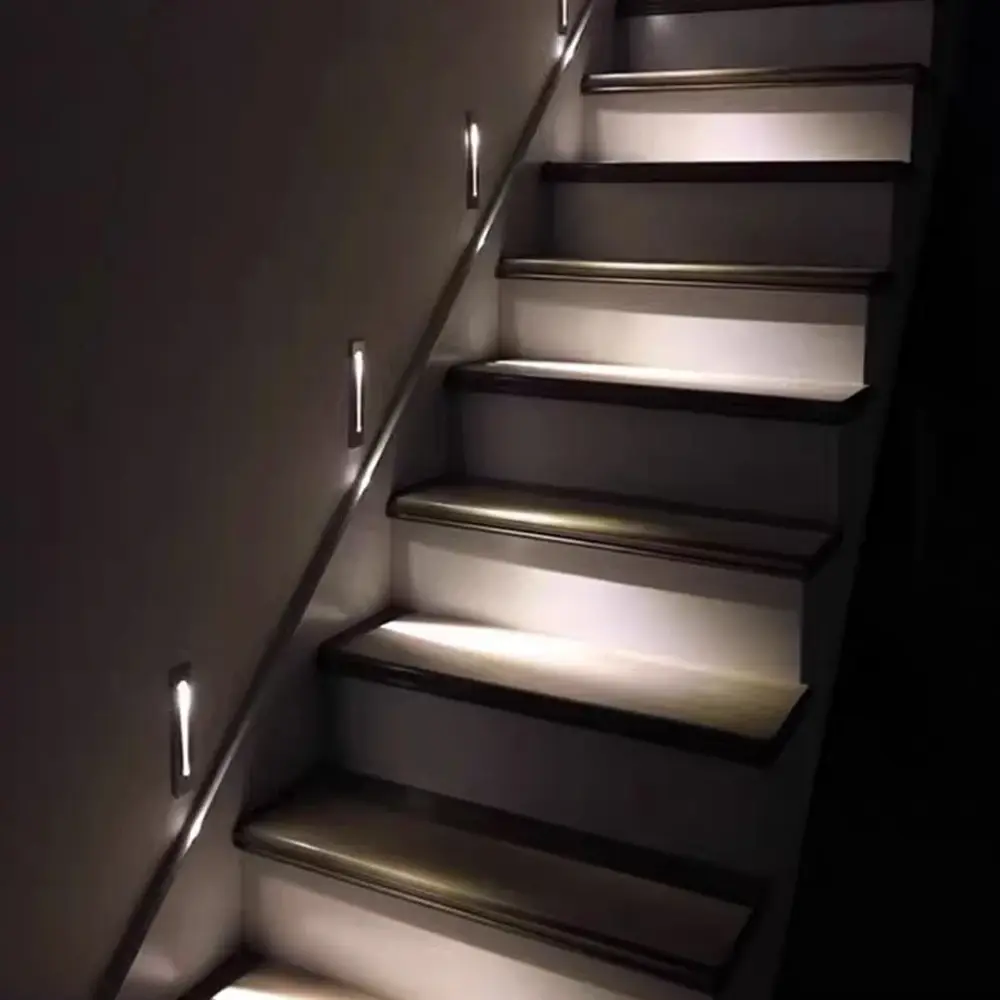
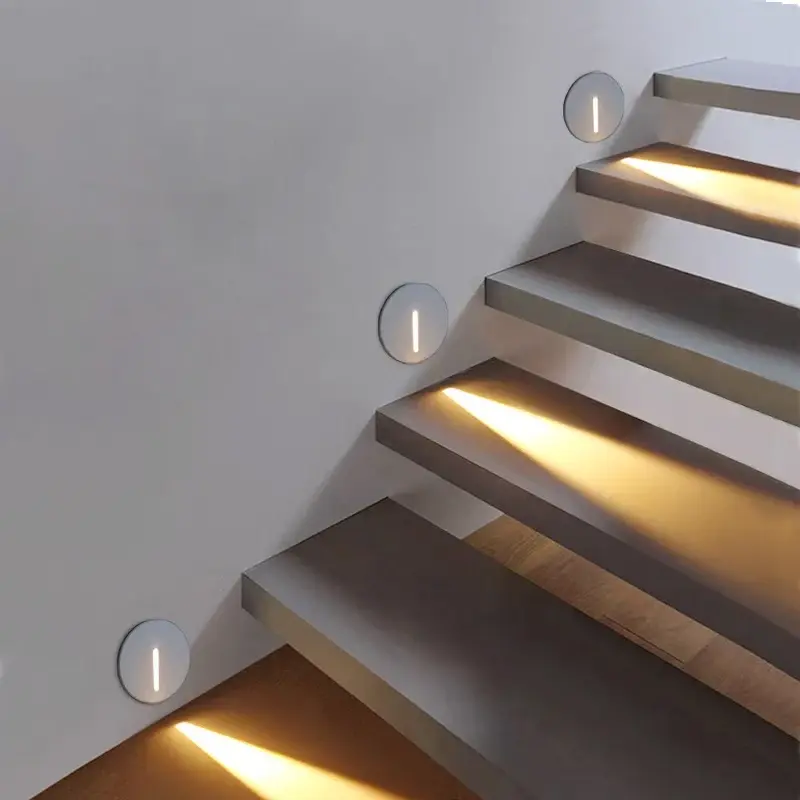
Indoor step lighting systems focus on blending in with the environment while still providing excellent functionality. Recessed wall lights provide soft lighting without affecting the character of the building's architecture, and handrail-mounted choices make installation easier for retrofit situations. The color temperature you choose affects how comfortable the room is, and temperatures between 3000K and 4000K are usually best for business settings.
Outdoor Stair Lighting Applications
Exterior Stair Lights need to have an IP65 grade or better to be able to handle water, temperature changes, and environmental toxins. Marine-grade metal housings and tempered glass parts make sure that the product will last in harsh circumstances. Options that are driven by the sun make installation easier and allow for long-term use in remote areas.
Smart Lighting Technologies
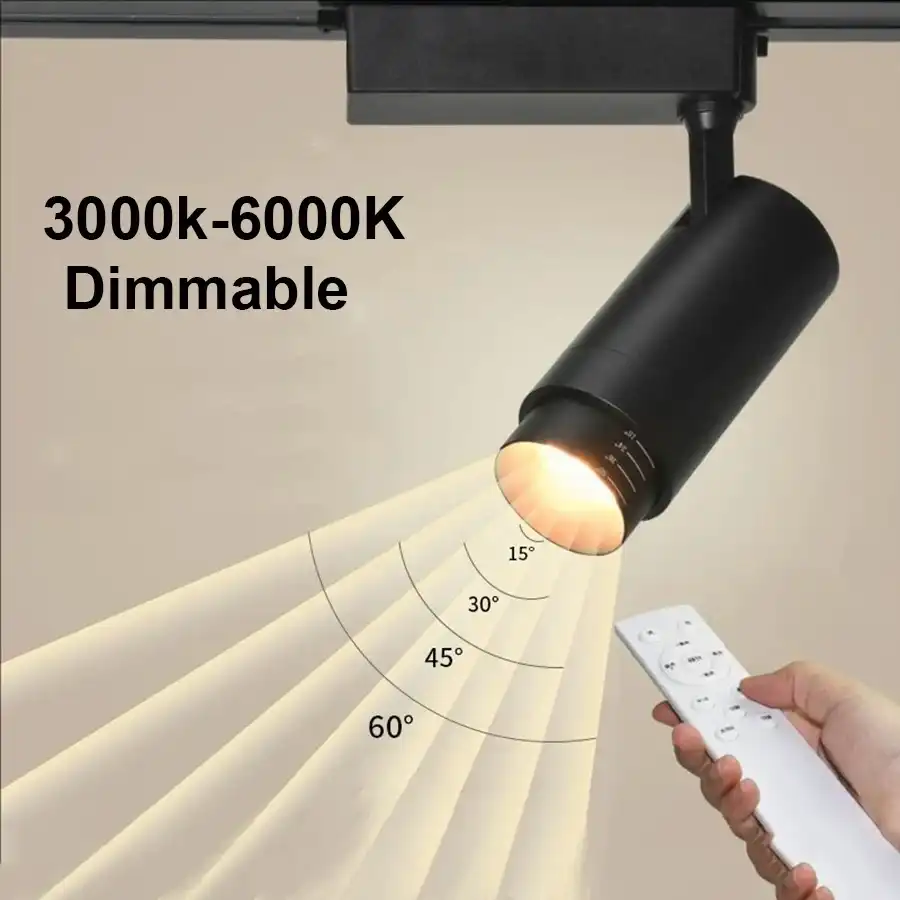
Adding a motion monitor makes the best use of energy while still making sure that lights are available when they are needed. Dimmable buttons let you change things based on the room's settings and how they are used. Integration features in smart buildings let current building management systems be used for centralized control and tracking.
Wireless choices make it easier to watch and diagnose problems from afar, which lets you plan preventative maintenance and improve performance. These advanced features are especially appealing to building managers who want full control over the money they spend on lighting equipment.
Installation and Maintenance Ensuring ROI and Performance
Professional installation procedures make sure that safety standards and electricity codes are followed and that the system works as well as possible. Qualified installation teams know exactly where to put fixtures, how to connect electrical systems, and how to set up control systems in a way that will give you the best long-term stability and performance.
Installation Complexity Considerations
Large-scale business installations need to be carefully coordinated with the building control systems and electrical facilities that are already in place. Before the installation, site surveys find possible problems and ways to make things better, which can change the project's schedule and cost. In some cases, unique architectural configurations or specialized operating settings may call for custom mounting solutions.
The level of difficulty of electrical integration depends a lot on the current infrastructure and the control features that are wanted. For simple connected installs, only minor electrical changes are usually needed. Smart lighting systems, on the other hand, may need upgrades to the network infrastructure and changes to the control panel.
Maintenance Protocols and Service Requirements
As part of routine upkeep, things are cleaned, electrical connections are checked, and the machine's function is checked. To get a good total cost of ownership estimate, quality LED systems don't need much maintenance beyond basic cleaning tasks. Regular repair helps find problems early on, before they affect how well operations run.
Different makers offer different levels of warranty coverage. Premium companies offer full security against component breakdowns and performance loss. Options for longer warranties give extra protection for important sites where lighting problems could affect safety or the ability to keep running.
Procurement Insights How to Choose and Where to Buy Stair Lights
When making a procurement strategy, it's important to weigh the beginning costs against the long-term operational benefits and make sure that the strategy works with both current systems and plans for future growth. A full review of a vendor includes factors that affect the project's success, such as product quality, technical help, and shipping dependability.
Evaluation Criteria and Selection Parameters
Specifications for durability have a direct effect on how much it costs to own something and how reliable it is to use. Commercial-grade lights should meet or go beyond industry standards like UL listing, FCC compliance, and environmental protection scores that are right for the job. The terms of the warranty show that the maker trusts the product and protect you from breakdowns that happen too soon.
Ratings for energy efficiency affect how much it costs to run a machine over its entire life. Getting ENERGY STAR certification and DLC listing shows that your system meets well-known efficiency standards and may make it eligible for tax breaks and energy rebates.
Supplier Selection and Partnership Considerations
Reputable makers offer detailed technical documents, installation instructions, and ongoing support resources that make it easier to complete a job successfully. Established supply lines make sure that products are always available and that quality standards are maintained across all sales and project stages. For big jobs or setups at more than one location, buying in bulk can save you a lot of money. Custom OEM solutions let you get the most out of certain uses while keeping costs low for large orders.
Case Studies and ROI Analysis of Stair Lighting Implementation
Implementation data from the real world shows clear gains in a wide range of business and industrial settings. A big hotel company said that accidents involving stairs dropped by 45% after extensive LED upgrade projects. This led to lower insurance costs and higher guest happiness levels.
Commercial Office Building Case Study
An office building with 40 stories in downtown Chicago upgraded the lights in all of its emergency stairwells. Motion-activated LED lighting with battery backup systems were installed so that the lights would keep working even when the power went out. Compared to older fluorescent systems, LED systems used 72% less energy and required 85% less upkeep because they last longer.
Calculations of the return on investment showed that the full cost would be recovered within 18 months by saving money on energy costs and upkeep costs. Other perks included happier tenants and higher scores for building safety, which supported higher rental rates.
Industrial Facility Implementation
A factory in Ohio improved the lights on the outside stairs to make it safer for workers during shift changes and emergency evacuations. Stair Lights with built-in motion monitors turned on automatically and used less power when not in use. The solution saved 68% of the energy that was being used and made it much easier to see.
Reports of safety incidents showed a huge difference. For example, there were no accidents related to stairs in the 24 months after the installation, compared to six incidents in the two years before. Workers said they felt more confident going up and down outdoor stairs in the winter.
Conclusion
Strategic investments in Stair Lights deliver significant benefits by enhancing safety, reducing energy costs, and improving aesthetics. Modern LED technology provides reliable, energy-efficient illumination that transforms stairways while supporting broader building goals and creating a more functional and visually appealing environment. Quality systems from reputable makers provide long-lasting value and excellent performance that supports the initial investment choices in a wide range of business settings.
FAQ
How long do commercial-grade Stair Lights typically last?
Under normal conditions, professional LED stair lighting systems work reliably for 50,000 to 100,000 hours, which is about 15 to 25 years of usual business use. Quality parts and good fitting have a big effect on how long you can expect something to last.
Can stair lighting integrate with existing building management systems?
Modern LED systems can be easily integrated with a wide range of other systems. These include digital connections, centralized control, and tracking features. Smart lighting tools can work with many common building control systems without any problems.
What energy savings can be expected from LED stair lighting upgrades?
When compared to standard lighting options, LED technology usually uses 60–85% less energy. How much you save depends on the tools you already have, how you use them, and the LED specs you choose.
Are motion sensors reliable for commercial stair lighting applications?
Advanced motion recognition technology makes it reliable and lets you change the timing and sensitivity settings. Sensors made for commercial use can handle a lot of use and still work the same way every time.
What maintenance requirements apply to LED stair lighting systems?
LED systems don't need much care other than being cleaned and having their electrical connections checked every so often. Quality lamps don't need to have their bulbs changed very often, so they give off the same amount of light every time.
Partner with USKYLED for Premium Stair Lighting Solutions
USKYLED offers state-of-the-art LED stair lighting solutions that are designed to be both commercially successful and reliable in use. Our advanced production skills and full technical help make sure that all of our products work perfectly in a wide range of situations. Email our expert team at sales@uskyled.com to talk about unique solutions, bulk buying opportunities, and full project support. As a reputable stair lights supplier, we offer quality guarantee and reliable service that turn investments in facility lighting into long-lasting benefits for operations.
References
1. National Safety Council. "Workplace Injury Statistics and Prevention Strategies for Commercial Buildings." Safety Research Institute, 2023.
2. U.S. Department of Energy. "LED Lighting Energy Efficiency Standards and Commercial Applications." Energy Information Administration, 2023.
3. International Association of Lighting Designers. "Best Practices for Commercial Stair Lighting Design and Implementation." Professional Standards Committee, 2022.
4. Occupational Safety and Health Administration. "Workplace Lighting Requirements and Safety Standards." Federal Register Guidelines, 2023.
5. Building Owners and Managers Association. "Energy Management and Lighting Upgrade ROI Analysis." Commercial Real Estate Research, 2023.
6. American Institute of Architects. "Architectural Lighting Design Standards for Commercial Buildings." Technical Publications Division, 2022.

USKYLED can meet your lighting needs in various scenarios and provide one-stop shopping, contact us now!
Why You Should Choose USKYLED?
![What is Dimmable Track Lighting for Museum: Best Guide [2025]](/icms/upload/0d08cc601e7611f0b542b3ca0c0f4a83/pic/knowledgemanager-knowledgepic/e7879f32605f11f081911f363b8c1ed0/Directory/20250717 dimmable track lighting -1(1)_1752739217941.webp)