Can I use an emergency light as a normal light?
You can use Emergency Lights as regular lights in some situations, but there are some important things you should know about this. New LED emergency lighting systems use less power and can provide enough light for factories, short-term situations, or while a building is being fixed up. The main purpose of these gadgets is to keep people safe when the power goes out. They have battery backup systems that might not always work. If you want to use emergency lighting as your main source of light, you should learn about the technical details, battery life, and safety rules.
Comprehending Emergency Lights and Their Primary Purpose
Emergency Lights are safety tools that are meant to keep the lights on in case the power goes out or there is an emergency escape. These lights have high-tech battery backups that turn on by themselves when the main power goes out. And this makes sure that people can use the lights when they need to. A lot of tests are done on emergency systems to make sure they meet the life safety standards set by the National Fire Protection Association (NFPA) and Underwriters Laboratories (UL). This is not the case with normal light bulbs.
Core Functionality and Safety Integration
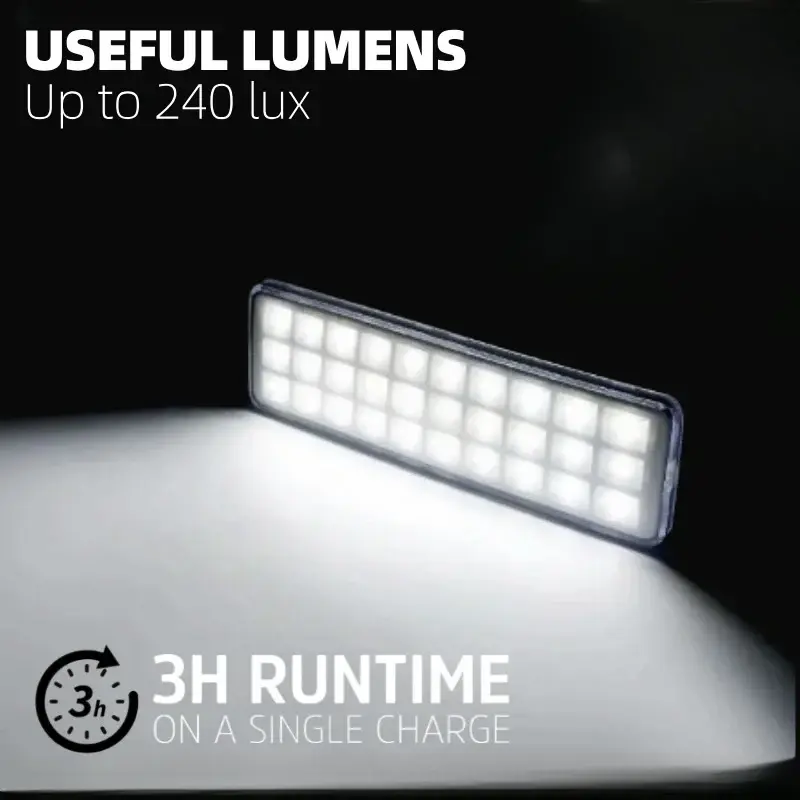
Making emergency lights is based on the idea that they should work when things go wrong. These systems often come with nickel-cadmium or lithium-ion battery packs that can light up for 90 minutes to three hours, depending on the use and building codes in the area. Modern models have self-diagnostic features that always check the charge circuits, the health of the battery, and the function of the lights to make sure they are ready for anything.
In the past few years, emergency lighting technology has changed a lot. It used to be simple electric lights, but now it uses high-efficiency LED panels. LED emergency lighting is brighter per watt, lasts longer (more than 50,000 hours), and makes less heat, which keeps the batteries from dying. These changes in technology have made emergency lights better for times when a building needs to meet safety standards and give off more light.
Types and Applications Across Industries
There are different kinds of emergency lights used in business and factory buildings based on the number of people present, the layout of the building, and government rules. Systems that light the way out of a building quickly help people leave by making hallways and stairwells brighter. Area lighting, on the other hand, lights up large spaces like warehouses or plant halls. This kind of unit can work with both AC power and batteries in case of an emergency. They can be used in places that need to do more than one thing because of this.
When things have to keep running all the time in an industrial setting, it's important to know the difference between emergency lighting and regular lighting. Many offshore sites, chemical plants, and mines have strong backup lighting systems that can handle the harsh weather and still give workers enough light to do their jobs during planned fixes or sudden power outages.
Can Emergency Lights Function as Normal Lights? Exploring Use Cases and Limitations
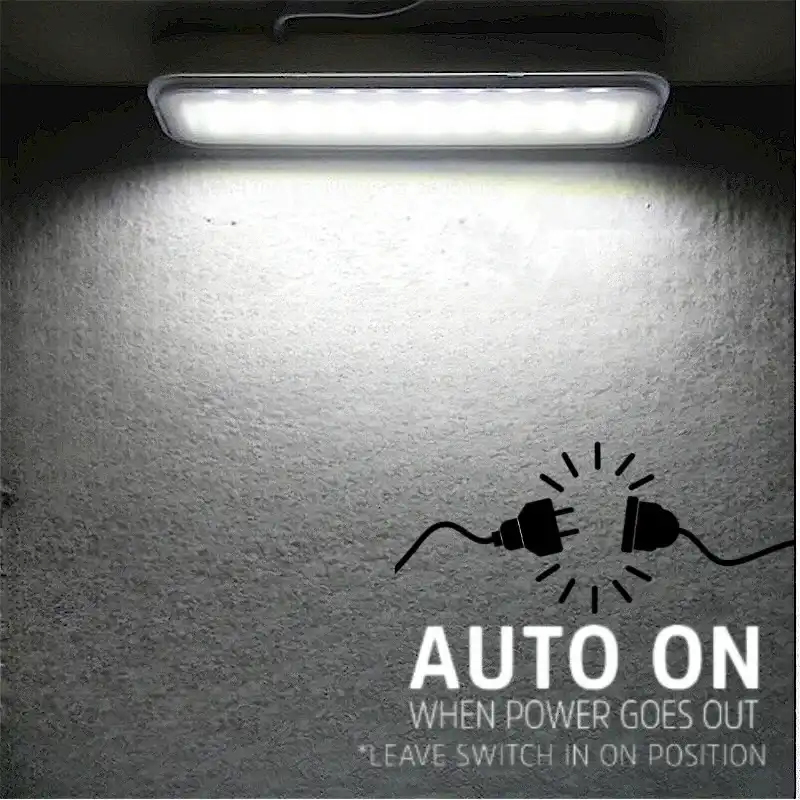
There are times when emergency lights can be used as normal lighting. This is especially important in places where lighting is only needed for a short time. Warehouses often use emergency lights when they are stocking up at night. They use batteries to power them and carefully place them around the building to do this. When you don't need to connect to the power temporarily, portable emergency lighting units are also useful for building sites and home repair projects.
Practical Applications and Real-World Benefits
Modern Emergency Lights can be used for a lot of different things every day, not just safety. If emergency lights are put correctly, they can often be enough to light up security rounds, equipment checks, and repair work that needs to be done after hours. As long as it's not wet or in a place where power tools can overload circuits, you don't have to worry about electricity hazards.
Businesses that want to save energy like how well LED emergency lighting systems work when they are used for extra lighting. In normal use, these lamps put out 200 to 800 lumens of light and use 3 to 15 watts of power. Because of this, they are a cheap option for places that don't get many people and don't need much lighting. Building managers can figure out how to best use smart emergency lighting systems and smart charging processes to make the batteries last longer. They can do this while watching the systems from away.
Technical Limitations and Operational Constraints
Because of how batteries work, emergency lights can't always be used for normal tasks. When the power goes out, standard emergency lighting is made so that the battery systems only work sometimes. With emergency lighting, they work every day. A battery can only last 2–3 years instead of the normal 5–7 years if it is discharged and reloaded a lot. This means it needs to be changed more often and costs more to keep.
How bright the emergency lights are is another thing you should think about when shopping for them for everyday use. Most emergency lighting systems prioritize battery life over maximum brightness, so they only give off enough light to get away safely and not enough to do detailed work. A lot of the time, emergency lighting gives off only 10–50% as much light as normal lighting of the same area. It might be hard to do exact work or full checks because of this.
Installation and Maintenance Considerations for Emergency Lights in Regular Use
It's important to use the right fitting methods when emergency lighting is also regular lighting. It is important that the installation height, spacing, and direction meet the needs for emergency exits while also giving off enough light for normal use. They will meet both the NFPA 101 Life Safety Code and the local electrical codes for fixed lighting installations if they are put in by an expert.
Strategic Positioning and Compliance Requirements
Rules say that emergency lights should go in certain places, which might not be the best places for other lights. Even if these places have enough light for normal use, safety rules say that emergency lighting must be put in places like doors, stairwells, and other important spots. When making systems that can do two things, facility managers need to find a way to follow the rules and get the lights they need at the same time.
Building management systems work better and are easier to keep an eye on when emergency lighting is linked to them. Smart emergency lights can talk to central control systems to get real-time status updates, find out how charged the batteries are, and set up plans for regular tests. When emergency lights are used for longer amounts of time as regular lights, these functions come in handy. They let you do maintenance ahead of time and make the battery work better.
Maintenance Protocols and Battery Management
It is more important to keep Emergency Lights in good shape when they are used for longer than their intended time periods. Once a month, you should look at it to make sure it works properly in both normal and emergency modes. Every three months, you should test the battery to make sure it has enough power to last. For more advanced care, you need to clean the lenses and mirrors to keep the light output steady, check the fixing hardware for movement that could make it come loose, and make sure the charging circuit works right.
How you handle your batteries has a big impact on how often you can use your emergency lights for everyday chores. Putting in smart charge systems that watch the batteries' temperature, voltage, and current can help them last longer when the lights are turned on and off a lot. Temperature-compensated charging changes how much power is sent based on the temperature of the area, and float charging keeps the battery healthy when it's not being used for a long time.
How to Choose the Right Emergency Lights for Your Facility's Needs?
When picking the right emergency lights that can also be used for other things, you should carefully consider your business's needs, the law, and the costs over time. There should be information in the decision structure about how well the lighting works, the different kinds of batteries that can be used, the environment, and how well the new system can connect to the old one. Professional lighting planners say that photometric studies should be carried out to make sure that there is enough light for both normal operations and emergency routes.
Technology Comparisons and Performance Criteria
When it comes to performance, LED emergency lighting is better than regular incandescent or fluorescent lights. You don't have to wait for LED lamps to warm up before they turn on. Along with that, they keep shining the same amount of light even when the batteries run out. Plus, they work well in a lot of different temperatures. Due to their performance advantages, LED Emergency Lights are better suited for daily uses where stable lighting is important.
Different types of batteries are used in different types of emergency lights because they are best for different tasks and job cycles. High-end lithium iron phosphate batteries work better in a wider range of temperatures and last longer. For regular use, protected lead-acid batteries are cheaper. Nickel-metal hydride batteries that are more advanced last a very long time. This makes them great for places that need to use emergency lights a lot.
Supplier Evaluation and Quality Assurance
Before you buy emergency lights that can be used for more than one thing, make sure you only buy from sources you can trust. A good company will provide full technical documentation, guarantee support, and new parts to make sure that systems work well for a long time. When a product has a UL grade, CE marking, or DLC qualification, it means that it meets safety and performance guidelines.
There are well-known companies in the world market for emergency lights that have a track record of doing good work when things get tough. Companies that focus on industrial and commercial lighting solutions often have better customer service, can make custom setups, and offer cheaper prices for large-scale installations when you buy in bulk. To figure out how skilled a provider is, you should look at how well they train building staff on ongoing maintenance, how quickly they can help with technical problems, and how well their manufacturing quality systems work.
Conclusion
The pros and cons of using Emergency Lights as standard lighting must be carefully considered by facility managers. There are problems with battery technology, light output, and duty cycle design that make modern LED emergency lighting systems less useful as main sources of light. However, they are better than older systems and can be used for some regular jobs. When choosing whether to use emergency lights for two reasons, you should think about the rules and laws, the needs of the operation, the costs of upkeep, and the long-term cost. Most of the time, extra lighting, short-term projects, or places with little foot activity where lower levels of light are fine work well.
FAQ
Can I leave emergency lights on continuously?
You shouldn't leave your emergency lights on all the time because the battery backup parts get worn out after a while of heavy use. Continuous use is possible for short amounts of time, but long-term use may cancel the battery's warranty and shorten its life. Most emergency lighting works best when it's also used for everyday tasks sometimes.
How long do emergency light batteries last under regular use?
An important factor in how long a battery lasts is how you use your phone and where you are. If you only use your emergency light once in a while, the batteries should last between 5 and 7 years. It's only possible for them to last two to three years if they are used every day. Batteries that use lithium cost more at first, but they last longer.
What safety regulations affect using emergency lights as normal lights?
All emergency lighting systems must always follow the rules in the NFPA 101 Life Safety Code, no matter what else they are used for. If lamps are used as permanent lights, they may also have to follow local electricity rules. Talking to electricians with a lot of knowledge makes sure that all the rules are followed properly.
Partner with USKYLED for Advanced Emergency Lighting Solutions
USKYLED delivers cutting-edge LED lighting choices from USKYLED that can be changed to fit your building's emergency and general lighting needs. Our skilled engineers know how to make unique emergency lighting systems that meet safety standards and give you the freedom to do your job. Talk to our lighting experts at sales@uskyled.com to find out more about buying in bulk and how our advanced skills as Emergency Lights makers can make your building safer and more efficient.
References
1. National Fire Protection Association. NFPA 101: Life Safety Code Requirements for Emergency Lighting Systems. 2021 Edition.
2. Illuminating Engineering Society of North America. IES-RP-29: Lighting for Hospitals and Health Care Facilities Emergency Lighting Guidelines. 2019.
3. Underwriters Laboratories. UL 924 Standard for Safety Emergency Lighting and Power Equipment. 2018 Revision.
4. International Association of Fire Chiefs. Emergency Lighting Best Practices for Commercial and Industrial Facilities. 2020.
5. Building Owners and Managers Association International. Emergency Lighting Maintenance and Testing Protocols for Commercial Buildings. 2021.
6. American Society of Safety Professionals. Emergency Lighting System Design and Implementation Guidelines for Industrial Applications. 2019.

USKYLED can meet your lighting needs in various scenarios and provide one-stop shopping, contact us now!
Why You Should Choose USKYLED?
![What is Dimmable Track Lighting for Museum: Best Guide [2025]](/icms/upload/0d08cc601e7611f0b542b3ca0c0f4a83/pic/knowledgemanager-knowledgepic/e7879f32605f11f081911f363b8c1ed0/Directory/20250717 dimmable track lighting -1(1)_1752739217941.webp)